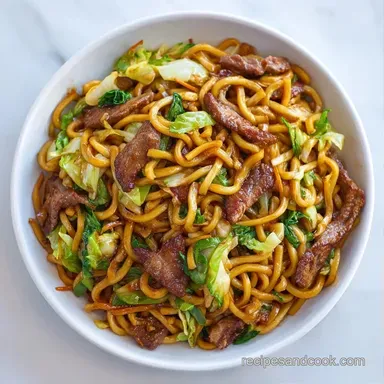
Shanghai Fried Noodles: Better Than Takeout
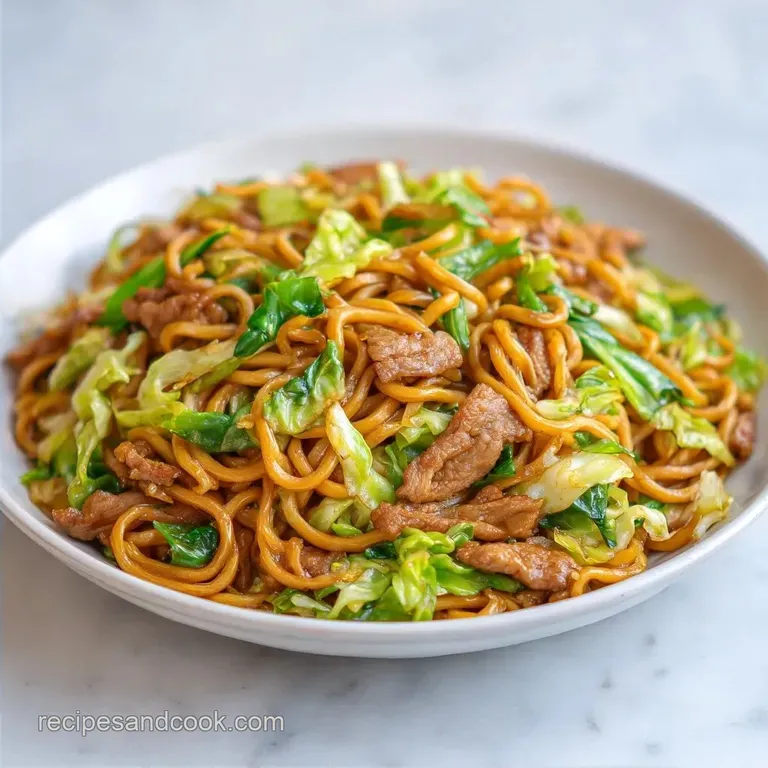
- Time: 10 min active + 10 min cook
- Flavor/Texture Hook: Glossy, mahogany coating with a chewy bite
- Perfect for: Quick dinner or over high heat wok practice
That aggressive sizzle when the pork hits the hot oil is the best part. I remember the first time I tried making these, I crowded the pan and everything just steamed into a gray mush. It smelled alright, but it looked like baby food.
I realized then that the magic happens when the pan is almost smoking, allowing the sugars in the sauce to caramelize instantly against the noodles.
Now, I focus on the layers. First the sear on the meat, then the aromatic punch of ginger and garlic, and finally that deep, savory glaze that clings to every strand. You want to see those little brown charred spots on the noodles. That's where the real flavor lives.
This Shanghai Fried Noodles dish is all about speed and heat. Once the prep is done, the actual cooking is a whirlwind. You'll get a vibrant, international flavor profile that hits all the right notes: salty, sweet, and a hint of toasted nuttiness from the sesame oil.
Making Great Shanghai Fried Noodles
High Heat: Using a scorching pan creates "wok hei," which gives the noodles a smoky, charred flavor.
The Glaze: Dark soy provides the deep color, while the cornstarch slurry binds the sauce so it doesn't pool at the bottom.
Mise en Place: Everything must be chopped and ready. Once the oil shimmers, you have seconds to move before the garlic burns.
| Feature | Fast Method | Classic Method |
|---|---|---|
| Prep Time | 10 minutes | 30 minutes |
| Texture | Tender crisp | Deeply caramelized |
| Flavor | Bright and salty | Complex and smoky |
| Best For | Weeknight meals | Slow Sunday cooking |
What Each Ingredient Does
| Ingredient | What It Does | Best Swap |
|---|---|---|
| Dark Soy Sauce | Adds deep mahogany color | Extra light soy + 1 tsp molasses |
| Oyster Sauce | Provides savory, salty depth | Vegetarian mushroom sauce |
| Cornstarch | Thickens the glaze for cling | Arrowroot powder |
| Pork Tenderloin | Lean protein for fast searing | Sliced chicken breast |
Everything You'll Need
- 1 lb Shanghai thick wheat noodles Why this? Thick strands hold the heavy sauce better. (Substitute: Udon noodles)
- 1/2 lb pork tenderloin, thinly sliced into matchsticks Why this? Lean and quick to cook. (Substitute: Shredded pork shoulder)
- 2 tbsp vegetable oil Why this? High smoke point. (Substitute: Grapeseed oil)
- 3 cloves garlic, minced Why this? Pungent base. (Substitute: Garlic powder, 1 tsp)
- 1 tsp fresh ginger, grated Why this? Zesty contrast. (Substitute: Ground ginger, 1/2 tsp)
- 2 cups shredded cabbage Why this? Adds sweetness and bulk. (Substitute: Bok choy)
- 1 cup sliced carrots Why this? Color and crunch. (Substitute: Red bell pepper)
- 1 cup sliced shiitake mushrooms Why this? Earthy, umami notes. (Substitute: Button mushrooms)
- 3 scallions, cut into 2 inch pieces Why this? Fresh, oniony finish. (Substitute: Chives)
- 3 tbsp light soy sauce Why this? Primary salt source. (Substitute: Tamari)
- 1 tbsp dark soy sauce Why this? The color agent. (Substitute: More light soy + pinch of brown sugar)
- 1 tbsp oyster sauce Why this? Richness. (Substitute: Hoisin sauce)
- 1 tsp granulated sugar Why this? Balances the salt. (Substitute: Honey)
- 1/2 tsp toasted sesame oil Why this? Nutty aroma. (Substitute: Peanut oil)
- 1 tsp cornstarch dissolved in 1 tbsp water Why this? Creates the glossy finish. (Substitute: Skip for thinner sauce)
From Prep to Plate
Phase 1: The Mise en Place
Prepare your workspace. Slice the pork into thin matchsticks and chop all the vegetables. Whisk the light soy, dark soy, oyster sauce, sugar, sesame oil, and cornstarch slurry together in a small bowl. If you're using frozen udon as a sub for the wheat noodles, rinse them under warm water until they separate easily.
Phase 2: Searing the Protein
Heat 1 tbsp of vegetable oil in a wok or large cast iron skillet until it starts shimmering. Add the pork strips in a single layer. Let them sear without moving for 1 minute until caramelized and brown, then toss for another 2 minutes until cooked through.
Remove the pork from the pan and set it aside on a plate.
Phase 3: The Aromatics
Add the remaining 1 tbsp of oil to the hot wok. Toss in the minced garlic and grated ginger. Stir fry for about 30 seconds until they smell fragrant but aren't brown.
Phase 4: The Vegetables
Turn the heat to high. Add the shredded cabbage, sliced carrots, and shiitake mushrooms. Stir fry for 2-3 minutes until the vegetables are tender crisp and slightly wilted.
Phase 5: The Noodle Sear
Add the thick wheat noodles to the wok. Toss them frequently over high heat for a few minutes. You're looking for the noodles to sear and develop small, charred edges. This is the core of a great Shanghai Fried Noodles dish.
Phase 6: The Final Glaze
Pour the prepared glaze over the noodles and vegetables. Toss rapidly and continuously. Cook until the sauce reduces and creates a silky, mahogany colored coating on every strand.
Phase 7: The Finish
Return the cooked pork to the pan and stir in the scallion pieces. Toss for one final minute to integrate the flavors. Plate it immediately while it's steaming.
Chef's Note: If your pan starts to smoke too much, push the ingredients to the sides and add a tiny splash of water to the center to bring the temp down for a second.
Troubleshooting Guide
| Issue | Solution |
|---|---|
| Why Your Noodles Stick | When you add noodles to a pan that isn't hot enough, they release starch and glue together. This creates a clump rather than individual strands. Ensure the oil is shimmering before the noodles go in. |
| Why the Sauce is Watery | If the sauce doesn't cling, it's usually because the cornstarch wasn't fully integrated or the heat was too low to reduce the liquid. The sauce should bubble and thicken almost instantly. |
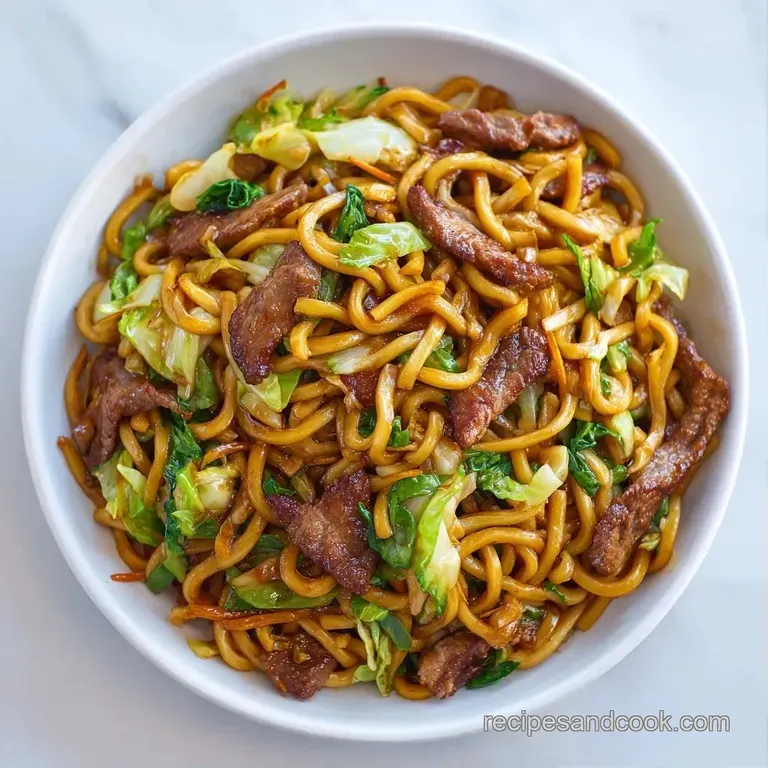
| Why the Color is Pale | Using only light soy sauce results in a tan color. For that deep, dark look characteristic of Shanghai Fried Noodles, the dark soy sauce is non negotiable. |
Creative Twists and Swaps
If you want to change the protein, this recipe works great with chicken breast or shrimp. For a Shanghai Fried Noodles vegetarian version, swap the pork for extra firm tofu cubes and the oyster sauce for a mushroom based alternative.
To add more heat, stir in a tablespoon of chili garlic sauce or sriracha during the final glaze phase.
If you're serving this as part of a bigger spread, it pairs well with something zesty. I usually serve it alongside Bang Bang Shrimp Tacos for a fun, fusion style appetizer. If you have a craving for more carbs, you might enjoy my Homemade Pizza Dough for a cheat day feast.
Adjusting the Batch Size
Scaling Down (Half Batch): Use a smaller skillet to keep the heat concentrated. Reduce the cooking time for vegetables by about 20% so they don't overcook. Beat one egg and use half if you decide to add eggs to your smaller portion.
Scaling Up (Double or Triple): Do not crowd the pan. If you double the recipe, work in two batches. If you put too many noodles in at once, the temperature drops and you'll get steamed noodles instead of fried ones. Increase salt and spices to 1.5x rather than 2x, as the flavors concentrate.
| Original | Double Batch | Triple Batch |
|---|---|---|
| Pork (1/2 lb) | 1 lb | 1.5 lbs |
| Oil (2 tbsp) | 3 tbsp | 4 tbsp |
| Soy Sauce (3 tbsp) | 5 tbsp | 7 tbsp |
Common Misconceptions
Searing the meat doesn't "lock in" the juices. That's a myth. However, searing the pork for these noodles creates a deep flavor through browning that you simply can't get by boiling or steaming.
You don't strictly need a professional wok to make Shanghai Fried Noodles. A heavy cast iron skillet works just as well because it holds heat consistently, which is the most important factor for the sear.
Storage Guidelines
Store any leftovers in an airtight container in the fridge for up to 3 days. The noodles will absorb some of the sauce over time, so they may seem a bit drier when cold.
Reheating Tips: Avoid the microwave if you can, as it makes the noodles rubbery. Instead, toss them in a hot pan with a tablespoon of water or a tiny bit of oil. Stir fry for 2-3 minutes until they are heated through and the sauce loosens up.
Zero Waste: Don't toss the scallion roots. Wash them and freeze them to use as a base for future stocks. If you have leftover cabbage or carrots, toss them into a morning omelet or a quick slaw.
Perfect Complements
Since these noodles are rich and savory, you want something bright to cut through the salt. A side of smashed cucumber salad with rice vinegar and sesame oil is the traditional choice. The acidity cleanses the palate between bites of the heavy wheat noodles.
For a drink, a chilled jasmine tea or a crisp lager works best. The floral notes of the tea contrast the deep soy flavors, while the carbonation of a beer cuts through the oil. If you're looking for a creamy side, a small bowl of miso soup provides a warm, comforting balance to the charred edges of the Shanghai Fried Noodles.
Critical: Very High in Sodium
2110 mg 2110 mg of sodium per serving (92% 92% of daily value)
The American Heart Association recommends a daily limit of no more than 2,300 mg of sodium, and an ideal limit of no more than 1,500 mg for most adults.
Tips to Reduce Sodium in Your Shanghai Noodles
-
Switch to Low-Sodium Soy-30%
Replace both the light and dark soy sauces with low-sodium alternatives to drastically cut the primary salt source.
-
Limit Oyster Sauce-20%
Reduce the oyster sauce by half or substitute it with a low-sodium mushroom sauce to maintain the umami flavor.
-
Add a Splash of Acid-15%
Add a squeeze of fresh lime or lemon juice at the end; the acidity tricks the palate into perceiving more saltiness.
-
Enhance Fresh Aromatics
Increase the amount of fresh garlic and ginger to provide a more robust flavor profile without adding any sodium.
Recipe FAQs
What are Shanghai fried noodles?
A savory stir-fry featuring thick wheat noodles. They are tossed with pork tenderloin, cabbage, carrots, and mushrooms in a rich, soy-based glaze.
What is the difference between lo mein and Shanghai noodles?
The thickness and texture of the noodle. Shanghai style uses much thicker, chewier wheat noodles compared to the thinner egg noodles typically used in lo mein.
What do Shanghai fried noodles taste like?
Savory, slightly sweet, and deeply umami. The blend of light and dark soy sauces with oyster sauce creates a salty, glossy coating with a subtle sweetness from the sugar.
How to prevent the noodles from sticking together?
Ensure the oil is shimmering before adding the noodles to the wok. If the pan is too cool, the noodles release starch and clump together instead of searing.
How to get the signature mahogany color?
Include dark soy sauce in your glaze. While light soy sauce provides the salt, dark soy sauce is essential for achieving that deep, glossy brown hue.
Can I use other proteins instead of pork tenderloin?
Yes, chicken or shrimp are great alternatives. If you enjoyed the flavor balance in authentic Kung Pao chicken, you can use the same searing technique with diced chicken breast for this recipe.
How to reheat leftovers without them becoming rubbery?
Toss them in a hot pan with a tablespoon of water or oil. Stir-fry for 2-3 minutes until heated through, which loosens the sauce much better than a microwave.
Shanghai Fried Noodles in 20 Minutes