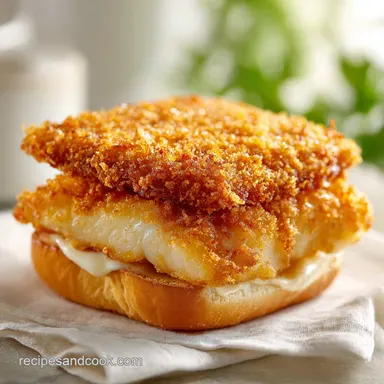
The Ultimate Crispy Fried Cod Sandwich: Golden and Crunchy
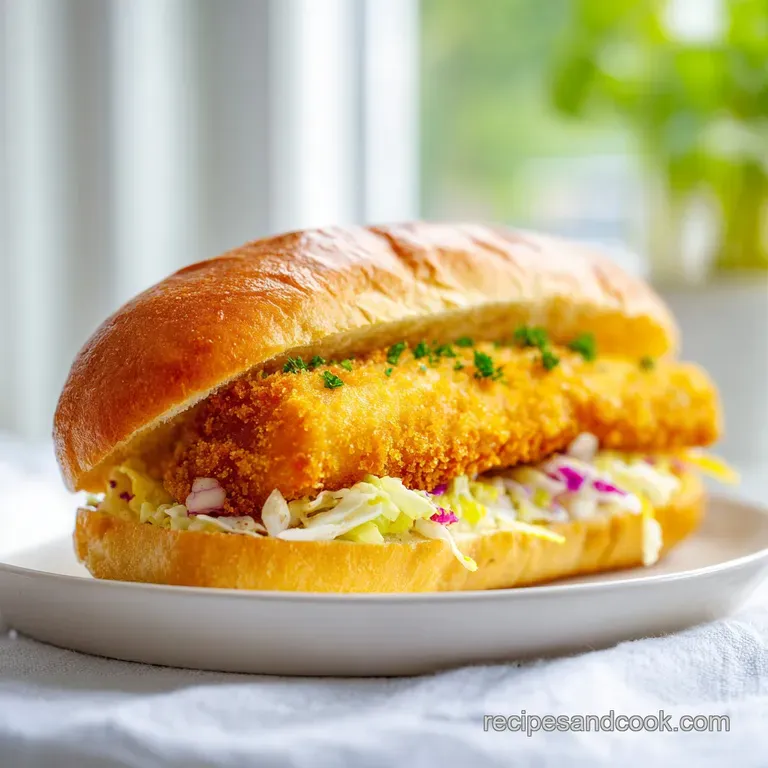
- Time:10 minutes prep + 15 minutes cook = Total 35 minutes
- Flavor/Texture Hook: Shattering cornmeal crust with velvety brioche
- Perfect for: A nostalgic weekend lunch or a coastal themed dinner
The Ultimate Crispy Fried Cod Sandwich
That first sizzle when the cod hits the oil is the sound of a great weekend. I remember a tiny, salt crusted shack in Maine where the floor was sandy and the fish was fried in a vat that looked older than my grandfather.
The sandwich they served wasn't fancy, but the crust had this incredible, gritty snap that didn't get soggy the moment it touched the bun. It was the kind of meal that makes you want to close your eyes and pretend you're staring at the Atlantic.
For a long time, I tried to recreate that at home, but my fish always came out either too greasy or with a coating that just peeled right off. I realized the secret wasn't in the oil, but in the texture of the breading.
By mixing cornmeal with flour and doing a double dip, you get a barrier that keeps the juices inside while creating a shell that truly shatters. Get the full recipe for The Ultimate Crispy Fried Cod Sandwich with a Taste of Coastal Comfort.
You can expect a sandwich that balances heavy and light. We've got the richness of butter toasted brioche, the sharp tang of capers in the tartar sauce, and the clean, flaky taste of fresh cod. It's a heavy hitter, but the fresh Romaine and thin red onion slices cut through that fat, keeping every bite fresh.
Trust me on this, don't skip the lemon juice in the sauce, it's the glue that holds the whole flavor profile together.
Quick Dish Breakdown
When you're frying fish, the window between "raw" and "overcooked" is smaller than you think. I've spent a lot of time staring at meat thermometers to figure out exactly when the fish is flaky but not dry. The key is watching the color and the bubbles in the oil.
Since we're using a cornmeal blend, the color will be a deeper gold than a standard flour batter. You're looking for a specific shade of honey brown. If it's too pale, it'll be soft. If it's dark brown, the cornmeal has burnt and will taste bitter. It's a quick process, but it requires your full attention.
DIVTABLE_0
Right then, let's look at the numbers so you can plan your kitchen flow. This recipe is designed for four people, making it a great choice for a family meal.
| Thickness | Internal Temp | Rest Time | Visual Cue |
|---|---|---|---|
| 1 inch | 145°F | 3 mins | Golden brown and bubbling |
Essential Flavor Components
The hero here is the cod. I chose cod because it has a mild flavor and a large flake that holds up to the frying process. I've tried tilapia, but it's too thin and tends to overcook before the crust is actually crispy.
Haddock is a decent substitute, but cod gives you that meaty, satisfying bite that makes this a real meal.
The cornmeal is the other MVP. It doesn't just add flavor, it adds structural integrity. Flour alone can get soft, but cornmeal stays rigid. When you combine them, you get the best of both worlds: a velvety interior and a crust that doesn't quit.
Component Analysis
| Ingredient | Science Role | Pro Secret |
|---|---|---|
| Cornmeal | Texture Agent | Provides the "grit" that creates a shatter effect |
| Egg | Binder | Acts as the glue between flour and fish |
| Brioche | Structural Base | High butter content toasts faster and tastes richer |
| Capers | Acid Balance | Cuts through the fried fat with a salty pop |
The Full List
- 1 lb Fresh Cod fillets, cut into 4 sandwich sized portions Why this? Thick flakes hold heat better than thin fillets (Substitute: Haddock for a slightly sweeter taste)
- 1/2 cup All purpose flour Why this? Provides the initial stick for the egg (Substitute: gluten-free all purpose blend)
- 1/2 cup Yellow cornmeal Why this? Essential for the signature crunch (Substitute: Polenta for a coarser texture)
- 1 tsp Garlic powder Why this? Adds depth without burning like fresh garlic (Substitute: Onion powder)
- 1 tsp Paprika Why this? Gives the crust a rich, golden hue (Substitute: Smoked paprika for a campfire vibe)
- 1/2 tsp Salt Why this? Enhances the natural sweetness of the fish (Substitute: Kosher salt)
- 1/2 tsp Black pepper Why this? Subtle heat to balance the rich brioche (Substitute: White pepper)
- 2 Large eggs, beaten Why this? Creates the protein bond for breading (Substitute: Flax egg for vegan, though texture varies)
- 1 cup Vegetable oil Why this? Neutral flavor and high smoke point (Substitute: Canola oil)
- 1/2 cup Mayonnaise Why this? Creamy base for the tartar sauce (Substitute: Greek yogurt for a tangier, lighter base)
- 1 tbsp Capers, minced Why this? Concentrated salt and acid (Substitute: Chopped green olives)
- 1 tbsp Dill pickles, finely diced Why this? Adds a vinegary crunch (Substitute: Cornichons)
- 1 tsp Fresh lemon juice Why this? Brightens the heavy fats (Substitute: White wine vinegar)
- 1 tbsp Fresh parsley, chopped Why this? Adds a grassy, fresh finish (Substitute: Dried parsley, but use 1 tsp)
- 1 pinch Salt and pepper Why this? Basic seasoning for the sauce
- 4 Brioche buns, split Why this? Toasts to a velvety brown (Substitute: Potato buns for a softer feel)
- 2 tbsp Unsalted butter, melted Why this? Adds a nutty flavor to the toast (Substitute: Margarine)
- 4 Large leaves of Romaine lettuce Why this? Sturdy crunch that doesn't wilt (Substitute: Iceberg)
- 1 Large tomato, sliced thin Why this? Adds moisture and acidity (Substitute: Beefsteak tomato)
- 4 Slices of red onion Why this? Sharp bite to wake up the palate (Substitute: Pickled red onions)
The Necessary Kitchen Gear
You don't need a professional kitchen to make this, but a few specific tools make a world of difference. Honestly, don't even bother with a non stick pan for the fish. A cast iron skillet (like Lodge) is the way to go because it holds heat much more consistently.
When you drop cold fish into a thin pan, the temperature plummets, and your fish ends up absorbing oil instead of searing.
For the dredging, I use three separate shallow bowls. It sounds like more cleanup, but it keeps the station organized and prevents the "clump" effect where the breading gets too thick in some spots and too thin in others. Also, a wire cooling rack is mandatory.
If you put fried fish directly on a paper towel, the bottom side steams and gets soggy. The rack lets the air circulate, keeping the crust shattering on all sides.
The Essential Arsenal
- Heavy bottomed Skillet: Cast iron or stainless steel for heat retention.
- Wire Cooling Rack: To prevent the bottom from steaming.
- Digital Thermometer: For checking oil temp (350°F) and internal fish temp (145°F).
- Paper Towels: For drying the fish completely.
- Tongs: To flip the fillets without disturbing the crust.
- Small Whisk: For the tartar sauce.
Step-by-step Cooking Guide
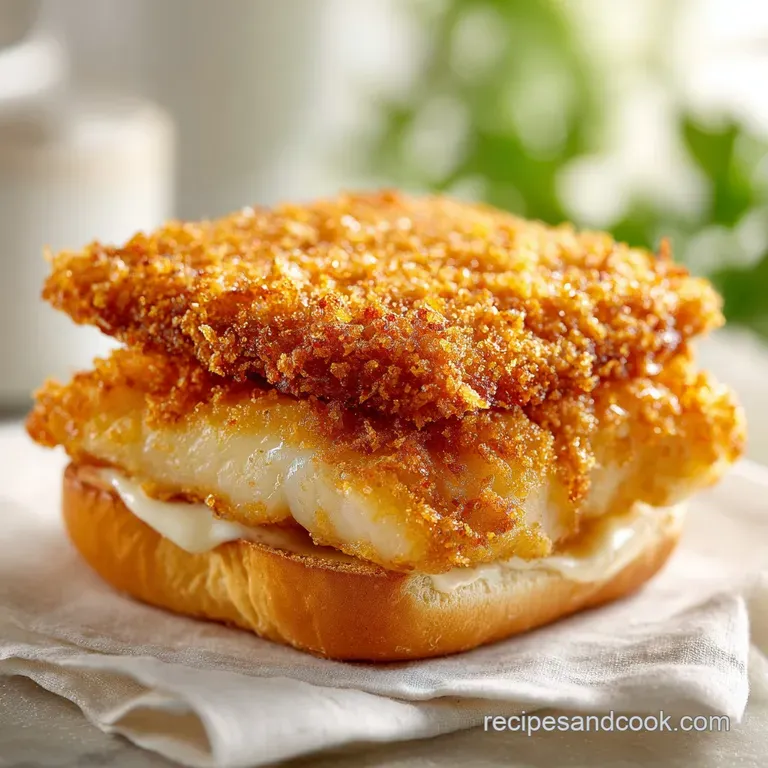
Right then, let's crack on with the process. The secret here is the order of operations. You want your sauce chilling and your buns ready so the fish goes from the pan to the bun in seconds.
Phase 1: Crafting the Zesty Tartar Sauce
Start by whisking together the mayonnaise, minced capers, diced pickles, lemon juice, and parsley in a small bowl. Season it with a pinch of salt and pepper. Now, cover it and put it in the fridge for at least 10 minutes.
This isn't just for cooling, it's to let the lemon juice break down the capers and pickles, melding the flavors into something velvety rather than just a mix of separate chunks.
Phase 2: The Double Dredge Station
Combine the all purpose flour, cornmeal, garlic powder, paprika, salt, and pepper in a bowl. This is your seasoning base. Set up your station: Bowl 1 has the seasoned flour, Bowl 2 has the beaten eggs, and Bowl 3 has more of that same seasoned flour. This triple threat setup ensures the fish is fully locked in.
Pat the cod fillets completely dry with paper towels. This is the most important step. Any moisture on the surface of the fish will create a layer of steam between the meat and the flour, which is why breading often peels off.
Once dry, dredge each fillet in the flour, dip it into the beaten eggs, and press it firmly into the second flour mixture. Don't be shy, press it in so the cornmeal really sticks.
Phase 3: Achieving the Golden Fry
Heat your vegetable oil in the skillet over medium high heat. Use your thermometer to ensure it hits 350°F (175°C). Carefully lay the fillets in the oil. Fry them for 3-4 minutes per side.
You'll hear a loud, aggressive sizzle that slowly settles as the fish cooks.
Wait until the crust is golden brown and the internal temperature hits 145°F (63°C). Once they hit that mark, immediately move them to the wire cooling rack. Let them sit for 3 minutes to let the juices redistribute.
Phase 4: Assembling the Masterpiece
While the fish rests, brush the cut sides of your brioche buns with melted butter. Toss them in a pan over medium heat until they are golden brown and fragrant.
Now, the build: Spread a generous layer of that chilled tartar sauce on the bottom bun. Layer on the Romaine lettuce and a thin slice of tomato. Place the fried cod on top, then crown it with a slice of red onion and the top bun. The heat from the fish will slightly warm the sauce, creating a creamy, savory experience.
Fixing Common Cooking Glitches
The most common issue I see with this recipe is the "breading slip," where the crust separates from the fish. This usually happens because the fish was too wet or the oil wasn't hot enough. If the oil is too cool, the breading absorbs the fat and loses its grip, sliding off like a wet blanket.
Another struggle is the "grease soak," where the fish feels heavy and oily. This happens when you overcrowd the pan. If you put four large fillets in a small skillet, the temperature drops instantly. You're essentially boiling the fish in oil rather than frying it. Work in batches if you have to.
Troubleshooting Guide
| Problem | Root Cause | Solution |
|---|---|---|
| Breading Peels Off | Excess moisture on fish surface | Pat fillets bone dry with towels before flouring |
| Greasy/Oily Crust | Oil temperature too low or pan overcrowded | Heat oil to 350°F and fry in small batches |
| Fish Dry/Tough | Overcooked beyond 145°F internal | Use a thermometer and remove immediately at 145°F |
Common Mistakes Checklist
- ✓ Pat fish completely dry (prevents steaming)
- ✓ Check oil temp with a thermometer before adding fish
- ✓ Use a wire rack for resting (prevents soggy bottoms)
- ✓ Press cornmeal firmly into the fish (ensures a thick crust)
- ✓ Don't overcrowd the pan (maintains oil temperature)
Twists and Taste Changes
If you're not in the mood for cod, this method works wonders with other white fish. For something a bit lighter and more refined, my pan seared rockfish is a great alternative, though you'll lose that heavy cornmeal crunch. If you want to stay with the fried vibe, halibut is a premium choice that's even flakier than cod.
For those who want a bit more kick, you can add a teaspoon of cayenne pepper to the flour mixture. If you're avoiding the deep fry, an air fryer version is possible. Toss the breaded fillets in a light spray of oil and cook at 400°F for about 10-12 minutes, flipping halfway.
It won't have the same shatter effect as the skillet, but it's a decent shortcut.
Ingredient Swaps
| Original Ingredient | Substitute | Why It Works |
|---|---|---|
| Brioche Buns | Potato Buns | Similar sweetness. Note: Slightly softer, less toasted flavor |
| Cornmeal | Panko Breadcrumbs | Extreme crunch. Note: Lacks the gritty corn flavor, looks paler |
| Mayonnaise | Greek Yogurt | Same creamy texture. Note: Adds a sharp tang, lower fat |
| Fresh Parsley | Dried Parsley | Similar herbal note. Note: Less vibrant color and flavor |
But what about the flavor profile? If you find the tartar sauce too sharp, you can add a teaspoon of honey to mellow out the capers. Or, if you're feeling adventurous, swap the red onion for pickled jalapeños to give it a spicy, zesty edge.
The Truth About Fish Frying
There are a lot of old wives' tales in the kitchen, especially when it comes to frying. One I hear all the time is that you need to "seal" the fish by searing it at an incredibly high temperature. People think this locks in the juices. In reality, searing is about flavor and texture, not moisture.
Moisture loss happens regardless of the temperature, but the cornmeal crust helps slow it down by creating a physical barrier.
Another myth is that you should use a "beaten egg" only. I've found that adding a tablespoon of milk or water to the eggs thins them out just enough to prevent the breading from becoming a thick, doughy cake. It allows the flour to bond more tightly to the fish.
Finally,, some say you should use flour only for the coating. While that works for a light fry, it will never give you that coastal shack crunch. The cornmeal is non negotiable for this specific style of sandwich.
Saving Your Leftovers
Fried fish is always best fresh, but we've all had leftovers. The biggest enemy here is the microwave. Please, I'm begging you, don't microwave a fried fish sandwich. It turns the crust into a soggy sponge and makes the fish rubbery.
The only way to revive the shatter is with dry heat. Put the fillets in an oven at 350°F or in an air fryer at 375°F for about 5 minutes. This draws out the moisture and crisps the cornmeal back up.
Storage Guidelines
- Fridge: Store fried fillets in a container with a paper towel at the bottom for up to 2 days. Keep the tartar sauce in a separate airtight jar for 3-4 days.
- Freezer: You can freeze the fried fillets for up to 1 month. Flash freeze them on a tray first so they don't stick together, then move them to a freezer bag.
- Reheating: Oven or Air Fryer only. 350°F for 5-8 minutes until heated through.
Zero Waste Tips
Don't throw away the leftover tartar sauce. It makes an incredible dip for raw carrots or cucumber slices. If you have leftover cornmeal flour mix, you can use it to bread zucchini fries or cauliflower florets for a snack. As for the fish scraps, any small bits of cod can be tossed into a seafood chowder.
If you've got leftover lemon halves, squeeze them into your dishwater or use them to clean your cutting board to remove the fishy smell.
Best Sides and Drinks
Because this sandwich is so rich, you need sides that provide a sharp contrast. I always go for something acidic or crisp. A classic vinegar based coleslaw is the gold standard here. The acidity of the vinegar cuts right through the fried cornmeal and the buttered brioche.
If you want something warmer, sweet potato fries with a hint of cinnamon are a great pairing. The sweetness of the potato complements the saltiness of the cod. For a lighter option, a simple arugula salad with a lemon olive oil dressing keeps the meal from feeling too heavy.
Perfect Pairings
- Drinks: A cold lager or a crisp Sauvignon Blanc. The carbonation or acidity cleanses the palate between bites.
- Sides: Sea salt chips, corn on the cob, or a side of steamed asparagus.
- Condiments: A side of hot sauce (like Tabasco) for those who want an extra zing.
For those who love a bit of prep work, a homemade marinade sauce can be used on the fish before the dredging process to add an extra layer of depth, though the classic version is already a powerhouse. Whether you're serving this at a summer bash or a cozy rainy Tuesday, the combination of that shattering crust and velvety bun is timeless comfort. Just remember to keep your oil hot, your fish dry, and your tartar sauce cold. Let's get cooking!
Recipe FAQs
Why is my breading peeling off the fish?
Pat fillets completely dry with paper towels before dredging. Any surface moisture prevents the flour from adhering, causing the coating to slip off during frying.
Why is the crust coming out greasy?
Ensure your oil is exactly 350°F (175°C). If the oil is too cool, the breading absorbs the fat instead of searing instantly.
How to tell when the cod is perfectly cooked?
Use a meat thermometer to check for an internal temperature of 145°F (63°C). Remove the fillets immediately at this temperature to prevent the fish from becoming dry or tough.
Can I use a different fish instead of cod?
Yes, any firm white fish works. If you prefer a richer flavor, try a technique similar to our pan-seared steelhead trout by using a firm fillet that holds its shape.
Is it true that I should fry the fish at 400°F for a crispier crust?
No, this is a common misconception. Frying at 400°F will burn the cornmeal and flour before the cod reaches the safe internal temperature of 145°F.
How to reheat the fried cod without losing the crunch?
Heat in an oven or air fryer at 350°F for 5-8 minutes. Avoid the microwave, as it steams the breading and makes it soggy.
How to prevent the brioche bun from getting soggy?
Toast the cut sides of the buns in melted butter. This creates a fat barrier that prevents the tartar sauce and fish juices from soaking into the bread.
The Ultimate Crispy Fried Cod Sandwich: Ready in 25 Minutes