Homemade Ketchup with Fresh Tomatoes
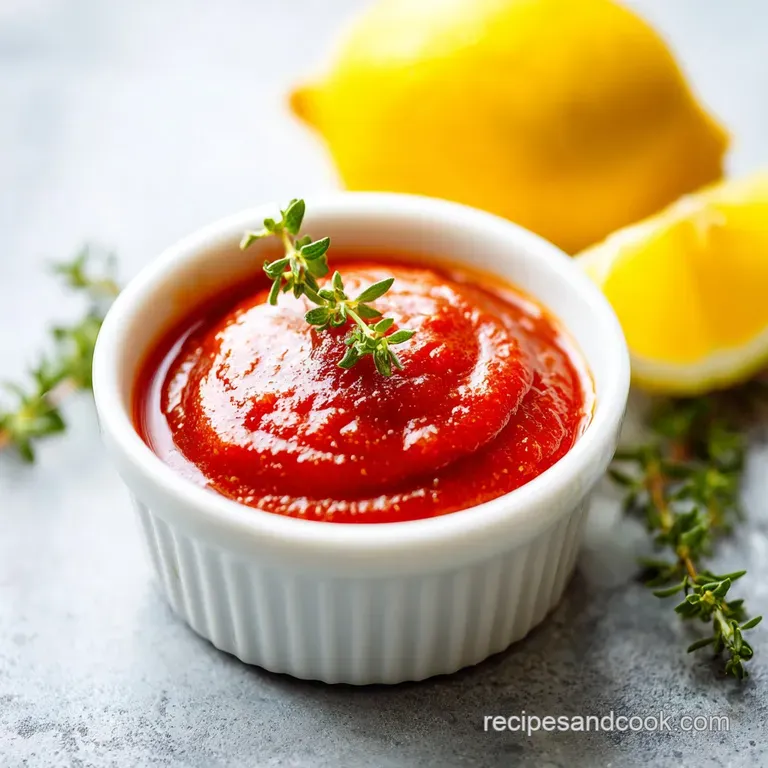
- Time: Active 15 minutes, Passive 45 minutes, Total 1 hours
- Flavor/Texture Hook: Tangy, warm spiced, and velvety
- Perfect for: Summer cookouts, family burger nights, and gift giving
- Crafting the Ultimate Savory and Tangy Homemade Ketchup
- The Science Behind This Thick Tomato Blend
- Critical Preparation Times and Nutritional Yield
- Analysis of the Key Flavor Elements
- Essential Kitchen Tools for Smooth Results
- Mastering the Slow Simmering Technique
- Correcting Common Texture and Flavor Mistakes
- Adjusting Ingredients for Different Dietary Needs
- Keeping Your Sauce Fresh and Flavorful
- Serving Suggestions for Your Savory Condiment
- Recipe FAQs
- 📝 Recipe Card
Crafting the Ultimate Savory and Tangy Homemade Ketchup
The heavy, rhythmic glug of a thick tomato sauce simmering on the stove is one of those kitchen sounds that just feels like home. For years, I was a total slave to the plastic squeeze bottle with the famous red label, thinking that "real" ketchup was something only a factory could produce.
I thought the complexity was impossible to replicate in a standard Dutch oven, but I was so wrong.
It started when I had a surplus of bruised Roma tomatoes from the garden that were too soft for salad but too good to toss. I remember the kitchen filling with the scent of apple cider vinegar and warm cloves a sharp, cozy aroma that made my mouth water before the pot even hit a boil.
That first batch was a bit of a gamble, especially when I grated a whole Granny Smith apple into the mix. It felt more like I was making a strange jam than a condiment.
But then, something happened about thirty minutes into the simmer. The watery mess transformed into a deep crimson, glossy sauce that clung to the back of my wooden spoon. When I finally dipped a hot, salty fry into that warm, velvety pool, the flavor was a total hit.
It wasn't just sweet; it was layered, earthy, and bright. Trust me on this, once you taste the difference between corn syrup and real honey paired with fresh fruit, you'll never look at a store shelf the same way again.
The Science Behind This Thick Tomato Blend
Building a successful batch of this condiment requires more than just boiling tomatoes; it involves a bit of kitchen chemistry to get that iconic texture.
- Pectin Binding: The finely grated Granny Smith apple provides natural pectin, a complex starch that acts as a structural net. This allows the sauce to thicken naturally during the simmer without the need for artificial gums or cornstarch slurries.
- Maillard Concentration: Using 6 oz of double concentrated tomato paste introduces pre caramelized tomato solids. This provides an immediate "cooked down" depth and umami base that fresh tomatoes alone would take hours of reduction to achieve.
- Acetic Acid Fixation: The apple cider vinegar lowers the pH of the mixture, which not only provides that signature "zing" but also helps to preserve the bright red color of the lycopene in the tomatoes.
| Method | Time | Texture | Best For |
|---|---|---|---|
| Stovetop Simmer | 45 mins | Thick and rich | Maximum flavor depth |
| Slow Cooker | 4 hours | Dark and jammy | Hands off big batches |
| Quick Blender | 5 mins | Thin and bright | Immediate use / Raw diets |
Choosing your method depends on how much time you have, but the stovetop version remains the gold standard for achieving that velvety finish. While a blender version is fast, it lacks the cooked down intensity that makes a classic sauce truly stand out on a gourmet burger.
Critical Preparation Times and Nutritional Yield
When you're planning your kitchen flow, remember that this recipe is all about the "set it and forget it" simmer. You'll spend about 15 minutes of active time quartering your tomatoes and grating the apple, but the real work happens while the pot bubbles away.
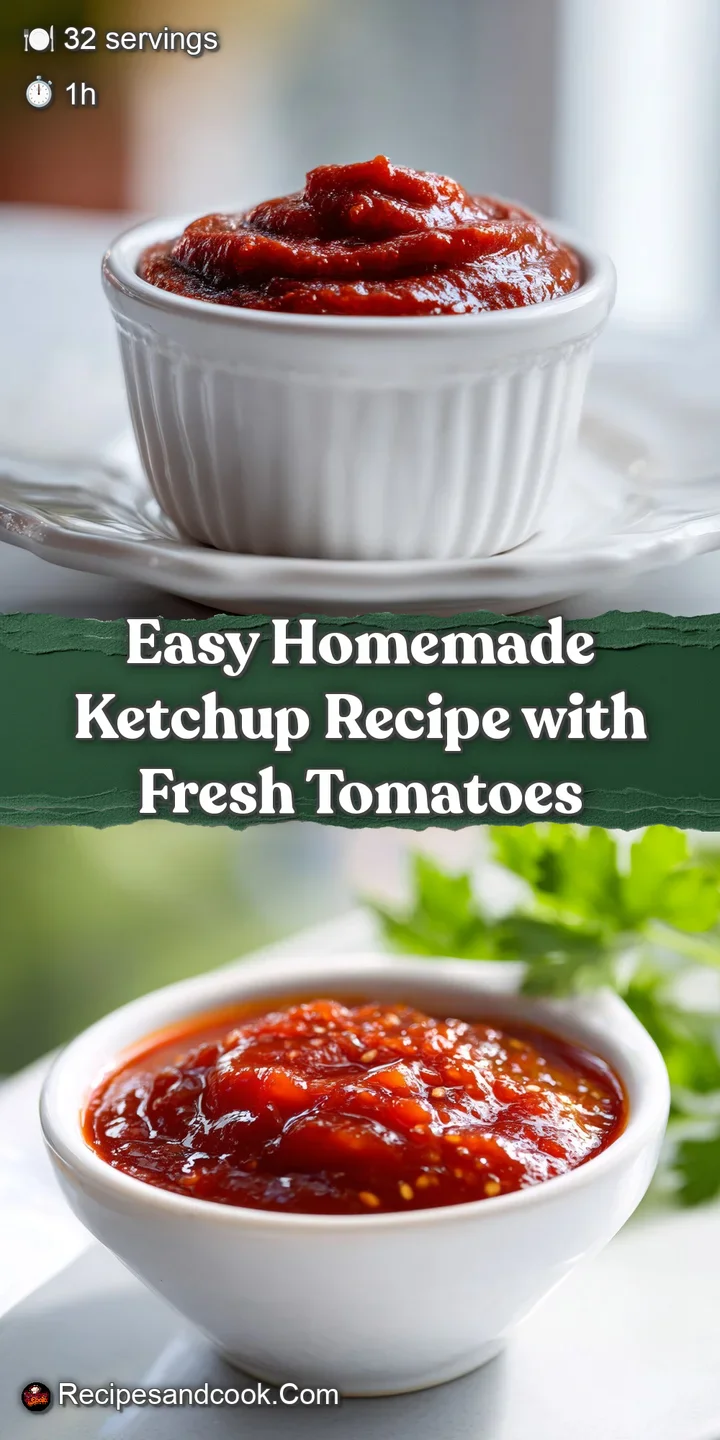
This recipe yields roughly 32 servings (about 2 cups total), making it a great option for meal prepping your condiments for the month.
The Pectin Secret Strategy
The addition of the Granny Smith apple is the most unconventional part of this process. If you have extra apples left over from this step, they are the star of my Homemade Apple Pie recipe. In this ketchup, however, the apple essentially disappears, leaving behind only its thickening power and a subtle, fruity acidity that balances the heavy tomato base.
| Component | Science Role | Pro Secret |
|---|---|---|
| Roma Tomatoes | Bulk & Lycopene | Use overripe fruit for the highest natural sugar content. |
| Tomato Paste | Umami & Texture | Sauté the paste for 2 mins before adding liquids to deepen the color. |
| Apple Cider Vinegar | Acid & Preservation | Adds a fermented complexity that white vinegar lacks. |
The key to a successful batch is ensuring the tomatoes are fully softened before you even think about blending or straining. If you rush the simmer, you'll end up with a grainy texture that feels more like a thin salsa than a smooth condiment.
Analysis of the Key Flavor Elements
Every ingredient in this lineup serves a specific purpose in the flavor hierarchy. We aren't just looking for "tomato flavor" we want a balance of sweet, sour, salty, and spice.
- 2 lbs Ripe Plum or Roma Tomatoes: These are the "meatiest" tomatoes with the lowest water content, ensuring your sauce doesn't become a soup.
- 6 oz Double concentrated Tomato Paste: This is your shortcut to a rich, dark color and an intense tomato punch.
- 1 Granny Smith Apple: Peeled and finely grated. Why this? The high pectin content provides a natural, glossy thickness.
- 1/2 cup Apple Cider Vinegar: Provides the necessary tang and shelf stability.
- 3 tbsp Honey or Maple Syrup: A natural sweetener that rounds out the acidic tomatoes.
- 1 tsp Sea Salt: Essential for drawing out the hidden flavors of the spices.
- 1/2 tsp Onion Powder & 1/2 tsp Garlic Powder: These provide a savory background without the texture of fresh aromatics.
- The Spice Trio (1/4 tsp each Clove, Allspice, Paprika): This is the "secret" that makes it taste like a premium, artisanal sauce.
- 1/2 cup Water: Just enough to prevent scorching during the initial breakdown.
Choosing the Best Tomato Base
Plum tomatoes are non negotiable here. Their thick walls and small seed cavities mean you get more pulp and less waste. If you can only find beefsteak or slicing tomatoes, you'll need to simmer them for an additional 20 minutes to evaporate the extra juice.
The Natural Sweetener Roles
Honey offers a floral note that mimics the complexity of high end commercial brands, but without the cloying aftertaste of corn syrup. If you prefer a more earthy, autumnal vibe, maple syrup is a fantastic alternative that pairs beautifully with the ground clove and allspice.
Essential Kitchen Tools for Smooth Results
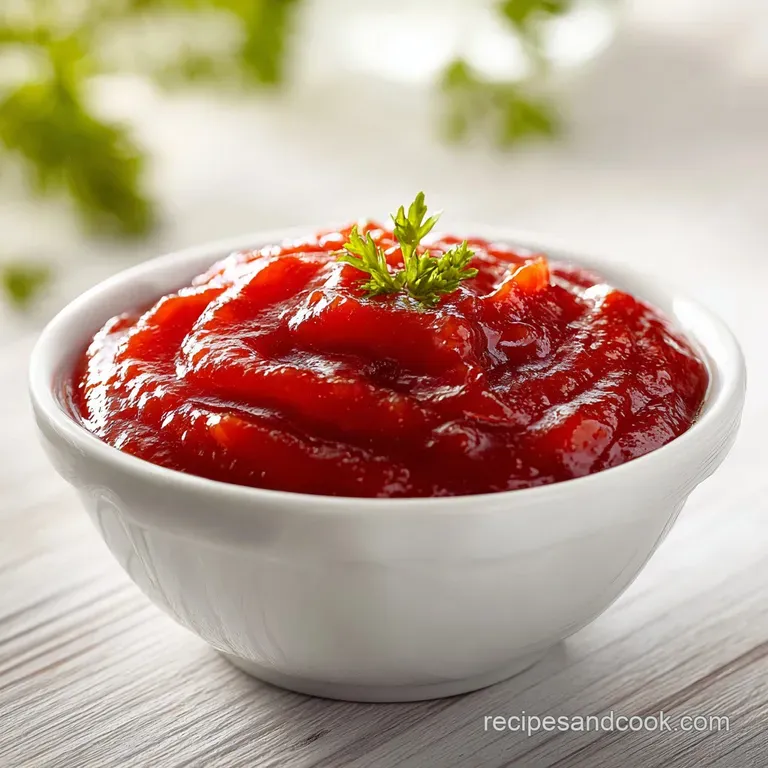
You don't need a lab to make this, but a few specific tools will make the difference between a rustic sauce and a professional grade condiment. A heavy bottomed saucepan or a small Dutch oven is vital; thin pans will create "hot spots" that can scorch the bottom of your sauce, leaving a bitter, burnt aftertaste.
Chef's Tip: Freeze your Granny Smith apple for 10 minutes before grating. It makes the fruit firmer and much easier to grate into fine shreds that dissolve quickly into the sauce.
For the smoothest finish, you'll want a high speed blender or an immersion blender. If you're using a stand mixer such as KitchenAid with a food mill attachment, that works wonders too.
Finally, a fine mesh sieve is the only way to achieve that "shatter smooth" texture by removing any stray tomato seeds or apple fibers.
Mastering the Slow Simmering Technique
- Prep the base. Quarter the 2 lbs of Roma tomatoes and place them in your heavy bottomed pot.
- Add the thickeners. Stir in the 6 oz of tomato paste and the finely grated Granny Smith apple.
- Incorporate liquids. Pour in the 1/2 cup apple cider vinegar and 1/2 cup water.
- Season the mix. Add the honey, sea salt, onion powder, garlic powder, cloves, allspice, and smoked paprika.
- Initial boil. Bring the mixture to a boil over medium high heat, stirring constantly to prevent the paste from sticking.
- The long simmer. Reduce heat to low and simmer uncovered for 45 mins until the tomatoes have completely collapsed and the liquid has reduced by half.
- Primary blend. Use an immersion blender directly in the pot to liquefy the solids Note: Be careful of hot splatters.
- The "Spoon Test". Check the thickness; the sauce should coat the back of a spoon without running off immediately.
- Fine straining. Press the mixture through a fine mesh sieve into a clean bowl until only a dry paste of seeds and skins remains.
- Final cool. Let the sauce sit at room temperature for 30 mins before transferring to a glass jar.
Step Three: Straining for Smoothness
Don't skip the straining! Even the most powerful blender will leave behind tiny fragments of tomato skin or seeds. By pressing the sauce through a sieve, you ensure a velvety mouthfeel that rivals any commercial brand.
It takes about five minutes of arm work, but it’s the difference between "homemade salsa" and "gourmet ketchup."
Correcting Common Texture and Flavor Mistakes
One of the most annoying things that can happen is the "watery ring" effect, where a pool of clear liquid separates from the tomato solids on your plate. This usually happens if the sauce wasn't simmered long enough to activate the pectin or if the tomatoes had too much water.
Solving the Watery Ring Issue
If you notice separation, simply return the sauce to the pot and simmer for another 10 minutes on very low heat. This evaporates the residual "free water" and allows the pectin to create a tighter bond.
| Problem | Root Cause | Solution |
|---|---|---|
| Grainy Texture | Improper blending or straining | Blend for a full 2 mins and use a finer sieve. |
| Too Much Tang | Excess vinegar | Add 1 tsp of honey at a time to balance the acidity. |
| Burnt Aftertaste | Scorched bottom of the pot | Do not scrape the bottom; transfer top layer to a new pot. |
Common Mistakes Checklist
- ✓ Always simmer uncovered to allow steam to escape (this thickens the sauce).
- ✓ Don't add the salt all at once; taste at the 30 minute mark and adjust.
- ✓ Use a silicone spatula to scrape the sieve you want every bit of that pulp.
- ✓ Let the sauce cool completely before bottling; steam trapped in a jar creates condensation and thinning.
- ✓ If the color is too pale, add an extra tablespoon of tomato paste at the end.
Adjusting Ingredients for Different Dietary Needs
This recipe is naturally gluten-free and dairy-free, but you can easily tweak it for other lifestyles. If you're looking to cut the sugar entirely, you can swap the honey for a monk fruit sweetener or even a few drops of liquid stevia.
Just be aware that honey provides a certain "body" to the sauce that calorie free sweeteners might lack.
| Original Ingredient | Substitute | Why It Works |
|---|---|---|
| Honey (3 tbsp) | Maple Syrup (3 tbsp) | Similar viscosity. Note: Adds a distinct woody flavor. |
| Apple Cider Vinegar | White Wine Vinegar | Mild acidity. Best if you want a cleaner, less "fruity" tang. |
| Roma Tomatoes | Canned Crushed Tomatoes | Use a 28 oz can if fresh aren't in season. Note: Result is slightly saltier. |
If you have kids who are used to the very sweet commercial stuff, you might want to start with 4 tablespoons of honey and slowly reduce it in future batches as their palates adjust to the taste of real tomatoes.
Keeping Your Sauce Fresh and Flavorful
Since we aren't using industrial preservatives, storage is key. This sauce will stay fresh in an airtight glass jar in the refrigerator for up to 3 weeks. The flavors actually peak around day three, so it’s the perfect make-ahead project for a weekend BBQ.
Freezing: You can freeze this ketchup! I like to pour it into silicone ice cube trays. Once frozen, pop the cubes into a freezer bag for up to 6 months. This is perfect for when a recipe calls for just a "dollop" of ketchup.
Zero Waste: Don't throw away that flavorful "gloop" left in your sieve! It’s packed with tomato essence and spices. I often stir it into a marinara sauce or use it as a base for a spicy bloody mary mix.
You can even dehydrate the skins and seeds and grind them into a "tomato dust" to sprinkle over popcorn.
Serving Suggestions for Your Savory Condiment
Now for the best part eating it. This sauce is a natural partner for anything salty and crispy. It pairs beautifully with the savory flavors in my Meatball Casserole for recipe, where the tang of the vinegar cuts through the richness of the beef.
The Gourmet Burger Experience
To take a standard burger to the next level, mix two tablespoons of this sauce with a teaspoon of prepared horseradish. The sweetness of the honey and the heat of the horseradish create a "bistro style" sauce that makes even a basic frozen patty taste like it came from a high end steakhouse.
- The Ultimate Dunk: Serve warm alongside thick cut sweet potato fries.
- Glazed Meatloaf: Brush a thick layer over meatloaf during the last 15 minutes of baking for a tacky, caramelized crust.
- Breakfast Essential: Drizzle over a crispy hash brown or a sourdough egg sandwich.
If you find yourself with extra sauce, it also works as a fantastic base for a homemade BBQ sauce. Just add a splash of liquid smoke, some molasses, and a pinch of chili powder, and you’ve got a whole new condiment ready to go.
Enjoy the process there's nothing quite like the pride of seeing a jar of your own "red gold" sitting in the fridge door!
Recipe FAQs
Is it worth making homemade ketchup?
Yes, absolutely. Homemade ketchup offers superior flavor complexity by allowing you to control the sugar type and spice profile, avoiding the overly sweet profile of commercial brands.
What are the five main ingredients of ketchup?
The core components are tomatoes, vinegar, sweetener, salt, and spice. Commercial versions rely heavily on high fructose corn syrup, but this recipe prioritizes natural thickeners like grated apple for texture.
How to make your own tomato ketchup?
Simmer quartered ripe tomatoes and tomato paste with apple cider vinegar, honey, and spices (clove, allspice) until reduced by half, about 45 minutes.
How to make a natural ketchup?
Incorporate a natural pectin source, like grated Granny Smith apple, while simmering fresh tomatoes with honey instead of refined sugar.
Is it true I must use a specific type of tomato for good texture?
No, this is partially a misconception, but plum or Roma tomatoes are highly recommended. Their low water content minimizes simmering time, preventing the sauce from becoming thin or requiring excessive reduction.
What is the key to achieving that smooth, glossy ketchup texture without cornstarch?
The key is activating pectin through long, slow simmering and fine straining. If you master this texture control here, you will appreciate the same principle when working with fruit preserves in our Crunchy Homemade Granola recipe.
How long does homemade ketchup last in the refrigerator?
It lasts about three weeks when stored properly in an airtight jar. The flavor actually deepens and improves after the first two days, so make-ahead is encouraged.
Velvety Homemade Ketchup Recipe
Ingredients:
Instructions:
Nutrition Facts:
| Calories | 19 kcal |
|---|---|
| Protein | 0.5 g |
| Fat | 0.1 g |
| Carbs | 4.5 g |
| Fiber | 0.6 g |
| Sugar | 3.6 g |
| Sodium | 74 mg |
