Ultimate Marinade Sauce for Proteins
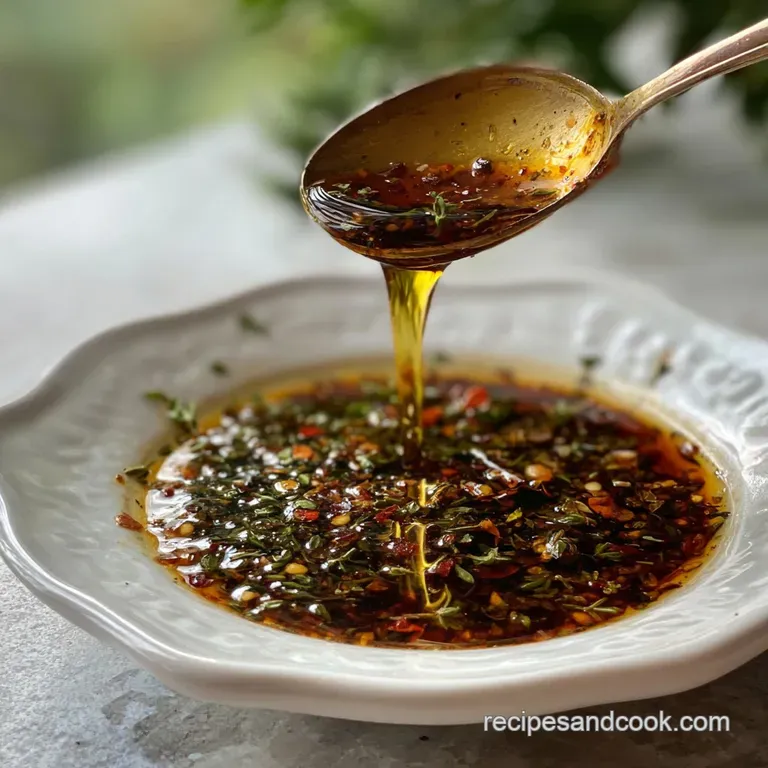
- Time: Active 5 minutes, Passive 30 minutes, Total 35 minutes
- Flavor/Texture Hook: Zesty, umami rich, and velvety
- Perfect for: Weekend grilling or meal prep
- Create the Best Ever Marinade Sauce
- Techniques for Vibrant Flavor
- Essential Recipe Specifications
- Core Ingredient Breakdown
- Protein Pairing Guide
- Necessary Kitchen Equipment
- Easy Step-by-Step Method
- Fixing Common Cooking Errors
- Ingredient Swaps and Twists
- Guidelines for Storage Success
- Perfect Side Dish Pairings
- Marinade Sauce FAQs
- 📝 Recipe Card
Create the Best Ever Marinade Sauce
I still remember the first time I realized I’d been doing it all wrong. I used to just throw some bottled dressing over chicken and hope for the best, only to end up with meat that was burnt on the outside and totally bland in the middle.
Then, one humid Saturday afternoon, I experimented with this specific blend of soy and honey, and the smell of that garlic hitting the hot grate changed everything. It wasn't just food, it was a sensory explosion of sharp ginger and sweet, caramelized balsamic that made my neighbors actually peek over the fence to see what was happening.
We’ve all had those disappointing, dry steaks or rubbery pork chops that just didn't pick up any flavor. This recipe is my "secret weapon" because it focuses on getting the aromatics to actually penetrate the meat fibers.
It’s not about just making things wet, it's about a chemical handshake between the acid and the protein.
You are going to love how the honey interacts with the soy sauce to create a sticky, mahogany glaze that clings to every nook and cranny. Whether you're using a hot cast iron skillet or an open flame, this sauce provides that gorgeous, deep brown sear we all crave.
It is simple, fast, and uses stuff you probably already have in the pantry, but the result tastes like you spent hours prepping.
Techniques for Vibrant Flavor
The Osmosis Flavor Engine: Salt in the soy sauce draws moisture out of the meat, which then dissolves the aromatics and pulls that seasoned liquid back deep into the tissue. This ensures the flavor isn't just "skin deep" but seasoned to the bone.
- Enzymatic Tenderizing: The fresh lemon juice and balsamic vinegar work together to gently break down tough surface proteins, making every bite feel velvety.
- The Maillard Kickstart: Honey provides the necessary sugars to trigger rapid browning, creating a complex, toasted aroma even with short cook times.
- Fat Soluble Infusion: Olive oil and sesame oil trap the scent of garlic and ginger, carrying those flavors into the fat of the meat for a lingering finish.
Essential Recipe Specifications
Before we jump into the mixing bowl, let's look at how to get the most bang for your buck. If you are feeding a crowd or just trying to save a few dollars, the right choices make a huge difference in the final aroma and bite.
| Premium Choice | Budget Alternative | Flavor Impact | Savings |
|---|---|---|---|
| Aged Balsamic | Apple Cider Vinegar | Less sweetness, more sharp tang | Save $4-6 |
| Fresh Ginger Root | Ground Ginger Powder | Milder heat, less "zingy" aroma | Save $2-3 |
| Extra Virgin Olive Oil | Vegetable Oil | Neutral base, loses peppery notes | Save $3-5 |
It is worth noting that while vegetable oil works fine for a over high heat sear, you'll miss that subtle fruitiness that olive oil brings to the party. If you're looking for a lighter profile for your cookout, you might enjoy the citrus notes in my Healthy Chicken Marinade recipe which uses a similar acid forward approach.
Core Ingredient Breakdown
Understanding what each component does helps you become a more intuitive cook. It is like a chemistry set where every bottle has a specific job to do, from breaking down fibers to adding that "umami" punch.
| Ingredient | Science Role | Pro Secret |
|---|---|---|
| Soy Sauce | Primary Brine | Use low sodium to control saltiness precisely |
| Honey | Hygroscopic Agent | Warm it for 10 seconds to make it pourable |
| Garlic | Aromatic Sulfur | Microplane it into a paste for total distribution |
| Ginger | Proteolytic Enzyme | Freeze the root to make grating effortless |
Protein Pairing Guide
Not all meats are created equal when it comes to soaking up flavor. Some need a long bath, while others just need a quick dip. If you're working with delicate seafood, like in my Rockfish recipe, you'll want to reduce the marinating time significantly to avoid "cooking" the fish in the acid.
| Thickness | Marinating Time | Goal Temp | Visual Cue |
|---|---|---|---|
| 0.5 inch (Shrimp/Fish) | 15-30 minutes | 145°F | Opaque and firm |
| 1 inch (Chicken/Pork) | 2-4 hours | 165°F | Clear juices |
| 1.5+ inches (Beef Roast) | 6-12 hours | 135°F (Med Rare) | Deep brown crust |
Chef Tip: Always reserve 1/4 cup of the marinade before adding the raw meat. You can simmer this separately for 2 minutes to create a safe, thickened dipping sauce for the finished dish.
Necessary Kitchen Equipment
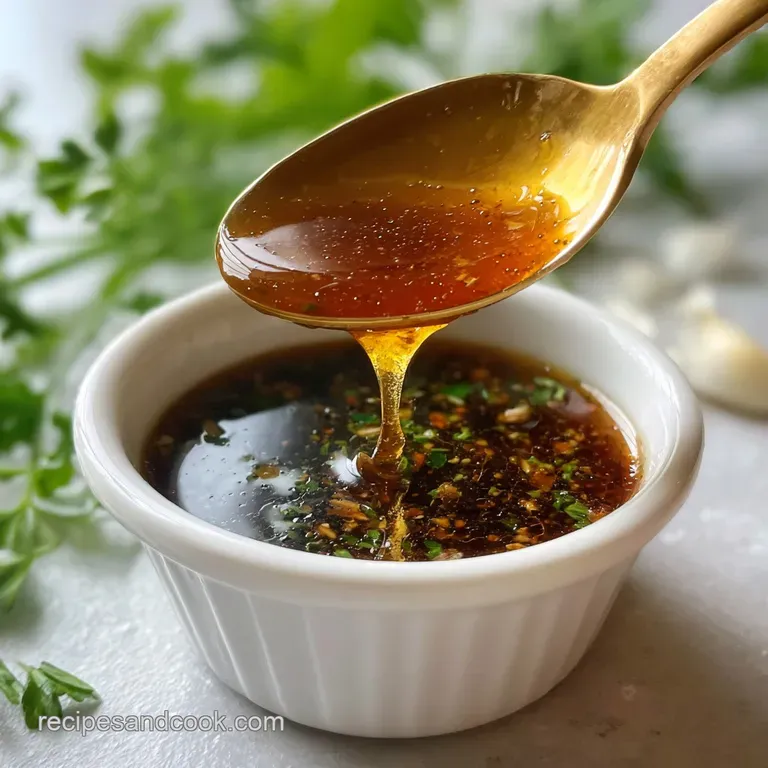
You don't need a high end laboratory to make a great marinade, but a few specific tools will make the process much smoother and ensure your aromatics are properly integrated.
- Microplane Grater: This is non negotiable for the garlic and ginger. You want a paste, not chunks, so the flavor distributes evenly.
- Whisk: A small balloon whisk helps emulsify the honey and oils so they don't separate.
- Glass Bowl or Ziploc Bag: Avoid reactive metal bowls (like aluminum) because the vinegar and lemon juice can pick up a metallic taste.
- Mason Jar: If you're making this ahead of time, a jar is perfect for shaking the ingredients together and storing them in the fridge.
Easy step-by-step Method
- Prep the aromatics. Mince 4 cloves garlic into a fine paste and finely grate 1 tbsp fresh ginger. Note: This maximizes the surface area for flavor release.
- Combine the acids. In a glass bowl, whisk together 2 tbsp balsamic vinegar and 2 tbsp freshly squeezed lemon juice until the scent is sharp and bright.
- Liquify the honey. Add 0.25 cup honey to the acids. Note: The acid helps thin the honey for easier mixing.
- Build the umami base. Pour in 0.5 cup soy sauce and 0.25 cup Worcestershire sauce, whisking vigorously until the mixture is dark and uniform.
- Season the mix. Add 1 tsp cracked black pepper. Note: Using cracked pepper instead of fine powder adds nice textural pops.
- Incorporate the fats. Slowly stream in 0.25 cup extra virgin olive oil and 1 tsp toasted sesame oil while whisking until the oil droplets disappear.
- Infuse the sauce. Let the mixture sit at room temperature for 30 minutes. Wait for the spicy aroma of ginger to dominate the air.
- Coat the protein. Place your meat in a shallow dish and pour the marinade over, turning to coat until every inch is glossy.
- Chill and wait. Cover and refrigerate based on the Protein Pairing Guide above.
- Final Sear. Remove meat from liquid, pat dry slightly, and grill until the edges turn charred and caramelized.
Fixing Common Cooking Errors
Even the best of us run into trouble sometimes. The most common mistake is letting the meat sit too long in the sauce, which can actually ruin the texture rather than helping it.
Fixing Mushy Meat Texture
If your chicken or fish feels "mushy" or grainy, it usually means the acid (lemon and vinegar) has been working too long and started breaking down the muscle fibers too much.
| Problem | Root Cause | Solution |
|---|---|---|
| Gray, "cooked" look | Too much lemon juice | Reduce marinating time by half next time |
| Excessively salty | Soy sauce overload | Add a splash of water or more honey to balance |
| Sauce burns quickly | High sugar content | Move meat to indirect heat after the initial sear |
- ✓ Always pat your meat dry with a paper towel before it hits the pan (prevents steaming).
- ✓ Use a neutral oil with a high smoke point if searing at very high temps.
- ✓ Don't overcrowd the pan - this drops the temperature and prevents the Maillard reaction.
- ✓ Let the meat rest for 5-10 minutes after cooking to let the juices redistribute.
- ✓ Never reuse marinade that has touched raw meat unless you boil it for at least 5 minutes.
Ingredient Swaps and Twists
The beauty of a "Marinade Sauce" is that it’s a living recipe. You can tweak it based on what’s in your fridge or what kind of vibe you’re going for that night.
| Original Ingredient | Substitute | Why It Works |
|---|---|---|
| Honey (0.25 cup) | Maple Syrup (0.25 cup) | Thinner consistency, adds a woody, autumnal sweetness |
| Soy Sauce (0.5 cup) | Tamari (0.5 cup) | Naturally gluten-free with a slightly richer, darker flavor |
| Lemon Juice (2 tbsp) | Lime Juice (2 tbsp) | Switches the profile to a more tropical, zesty "street food" style |
If you want a "Spicy Kick" variation, simply add 1 tbsp of Sriracha or red chili flakes during step 4. This cuts through the sweetness of the honey beautifully. For a "Herbed Garden" version, toss in 2 tbsp of chopped fresh rosemary or thyme. The woody herbs thrive in the oil based environment of this sauce.
Guidelines for Storage Success
You can easily double this recipe and keep half in the fridge for later in the week. Because of the high salt and acid content, it holds up remarkably well.
- Fridge Storage: Keep in a sealed mason jar for up to 2 weeks. The oil may solidify at the bottom, so just give it a good shake or let it sit at room temperature for 10 minutes before using.
- Freezer Storage: You can actually freeze the marinade in ice cube trays! Once frozen, pop the cubes into a bag. They’ll stay fresh for 3 months. Just drop 3-4 cubes into a bag with your chicken breasts in the morning; they’ll thaw and marinate the meat by dinner time.
- Zero Waste Tip: Don't toss those lemon rinds! After squeezing the juice, throw the rinds into the marinade bag with the meat. The oils in the skin add an extra layer of citrus aroma that juice alone can't provide.
Perfect Side Dish Pairings
When you have a protein that's this flavorful, you want sides that can either stand up to the boldness or provide a cool, refreshing contrast.
- Smashed Cucumber Salad: The cool, crisp texture of cucumbers with a dash of rice vinegar balances the salty sweet profile of the meat.
- Coconut Lime Rice: The creaminess of coconut milk softens the "bite" of the ginger and garlic.
- Charred Broccolini: Tossing greens in the leftover (and boiled!) sauce creates a cohesive meal that feels restaurant quality.
The Salt Osmosis Effect
Many people think salt's only job is to make food taste "salty," but in a marinade, it acts as a delivery vehicle. It changes the structure of the proteins so they can actually hold onto more liquid, leading to a much juicier result after cooking.
The Honey Browning Secret
Honey is a "reducing sugar," which means it reacts at lower temperatures than white sugar. This is why you get that beautiful dark crust so quickly. Just keep a close eye on it there is a very fine line between "perfectly caramelized" and "bitterly burnt."
The Acid Limit Rule
Vinegar is a powerful tool, but it is not a "more is better" situation. If you leave a steak in a high acid marinade for 24 hours, the surface will turn into a mealy paste. Stick to the timing guides, especially for thinner cuts of meat.
Keep it balanced, keep it fresh, and your kitchen will smell like a five star steakhouse every single time.
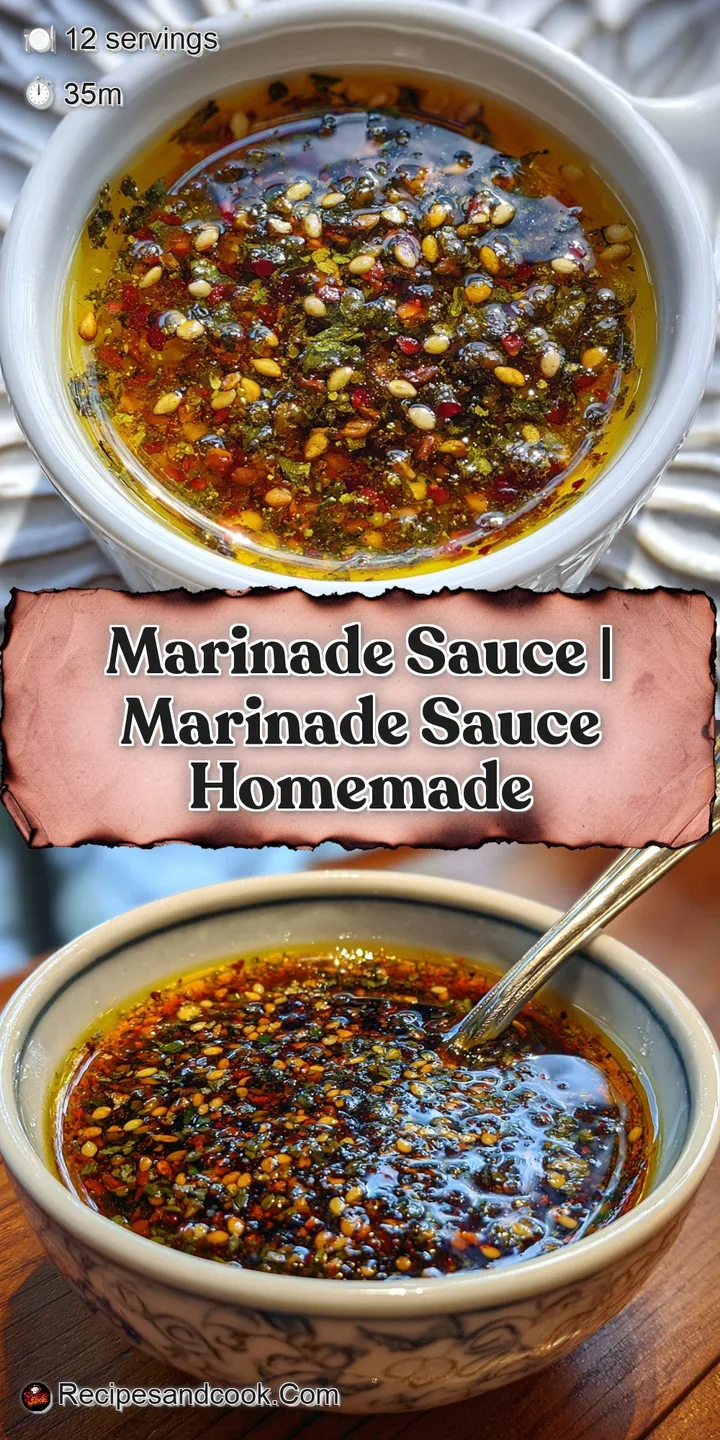
Marinade Sauce FAQs
What is marinade sauce?
It is a seasoned liquid mixture designed to tenderize and flavor food. This liquid typically combines an acidic element, an oil, flavorings like herbs or spices, and often a sweet component to promote browning.
What are the four main ingredients of a marinade?
Acid, Oil, Salt, and Aromatics are the core four components. The acid tenderizes proteins, the oil carries fat-soluble flavors, salt seasons deeply through osmosis, and aromatics provide the signature taste profile.
How to make marinade sauce at home?
Combine your acid, oil, salt, and aromatics in a bowl, whisking thoroughly to emulsify the mixture. For best results, mince your garlic and ginger finely to ensure maximum flavor distribution throughout the liquid before adding your protein.
What are the three main ingredients when marinating?
Acid, Salt, and Sugar (or a sweet binder) are crucial for the basic chemical reaction. The acid softens the exterior protein structure, salt penetrates deeply, and sugar ensures the exterior caramelizes beautifully when cooked.
Is it true that marinating steak for more than 12 hours ruins the texture?
Yes, this is a common misconception that is often true for thinner cuts. Excessive time in acid will chemically "cook" the exterior muscle fibers, resulting in a mushy or grainy texture, especially with delicate meats.
Should I always simmer the reserved marinade before using it as a sauce?
Yes, always bring any marinade that touched raw meat to a rolling boil. This safety step kills any potential bacteria, ensuring the sauce you serve alongside your finished dish is safe to consume.
Can I substitute honey with maple syrup in a savory marinade?
Yes, maple syrup is an excellent substitute for honey in savory applications. If you enjoyed the sweet tart balance in this recipe, see how we use a similar acid technique to balance sweetness in our Rhubarb Sauce Recipe for desserts.
Ultimate Marinade Sauce
Ingredients:
Instructions:
Nutrition Facts:
| Calories | 82 kcal |
|---|---|
| Protein | 1.1 g |
| Fat | 5.0 g |
| Carbs | 9.1 g |
| Fiber | 0.2 g |
| Sugar | 7.5 g |
| Sodium | 718 mg |
