Ina Garten Tuscan White Bean Soup: Savory and Creamy
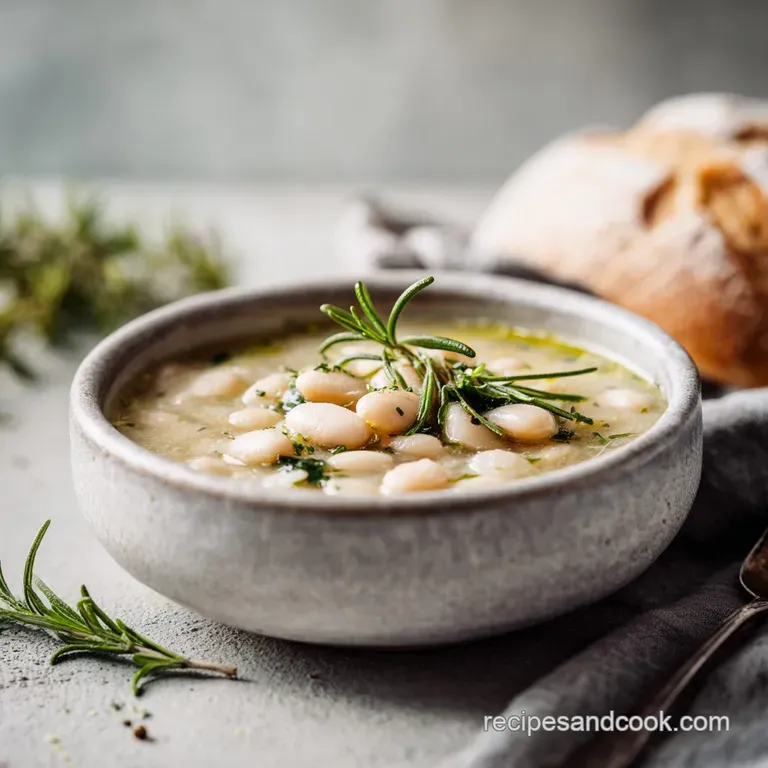
- Time: Active 15 minutes, Passive 40 minutes, Total 55 minutes
- Flavor/Texture Hook: Velvety, herb infused broth with smoky pancetta
- Perfect for: Cozy Sunday lunches or a sophisticated weeknight dinner
- Comforting Ina Garten Tuscan White Bean Soup Recipe with Rosemary
- The Trick Behind the Texture
- Component Analysis and Ingredient Roles
- The Essential Soup Ingredients
- Minimal Tools for Better Results
- Step-by-Step Cooking Guide
- Fixing Common Soup Struggles
- Flavor Variations to Try
- Simple Guidelines for Scaling
- Debunking Kitchen Myths
- Storing and Repurposing Leftovers
- Very High in Sodium
- Recipe FAQs
- 📝 Recipe Card
Comforting Ina Garten Tuscan White Bean Soup Recipe with Rosemary
Have you ever wondered why some soups feel like a warm hug while others just feel like flavored water? It usually comes down to a single "trash" item that most people throw away without a second thought.
Discover Ina Garten's Tuscan White Bean Soup Recipe with Rosemary, a truly exceptional dish to try, which utilizes the humble Parmesan rind to create a depth of flavor that is honestly hard to describe until you taste it.
I remember the first time I made this on a Tuesday evening when the rain was lashing against the kitchen window. I was skeptical about the rosemary, thinking it might overpower the delicate beans, but the way the oils from the fresh needles melded with the rendered fat from the pancetta was a revelation.
The kitchen didn't just smell like food; it smelled like an Italian villa in mid autumn, earthy and bright all at once.
This isn't just a recipe; it's a lesson in how simple ingredients, when treated with a bit of patience, can turn into something luxurious. We aren't just boiling vegetables here. We are building layers of "umami," that savory fifth taste, starting with the salty pancetta and ending with a splash of fresh lemon juice that cuts through the richness like a ray of sunshine.
You'll find that the texture is the real star, achieved by a clever trick with a blender that keeps the soup hearty yet silky.
The Trick Behind the Texture
The magic of this soup lies in the interaction between the bean starches and the simmering liquid. When we simmer the cannellini beans, they absorb the chicken stock, but they also give something back. If we left them whole, the broth would remain thin.
However, by pulsing a portion of the soup, we release those internal starches into the liquid.
1. The Starch Release Emulsion
Starch Suspension: Pulsing one third of the beans creates a natural thickener that binds the olive oil and chicken stock into a velvety consistency. This prevents the soup from feeling "watery" while maintaining the satisfying bite of the remaining whole beans.
2. Fat Soluble Herb Infusion
Flavor Extraction: Rosemary contains oils that are fat soluble, meaning they need a medium like olive oil or pancetta fat to truly bloom. Sautéing the minced rosemary briefly before adding the liquid ensures the piney, citrusy notes are distributed throughout the entire pot rather than just floating on top.
3. The Parmesan Rind Factor
Glutamate Bomb: The Parmesan rind acts as a slow release seasoning agent, leaching natural salts and glutamates into the broth. It provides a savory backbone that links the smokiness of the pancetta with the creaminess of the beans, making the soup taste like it has been simmering for hours instead of just 40 minutes.
| Method Type | Cooking Time | Resulting Texture | Best For |
|---|---|---|---|
| Traditional Simmer | 55 minutes | Silky and balanced | Weekend comfort |
| Pressure Cooker | 25 minutes | Soft beans, less depth | Last minute meals |
| Slow Cooker | 6 hours | Very thick, concentrated | Hands off prep |
Many home cooks often ask if they can skip the blending step, but I wouldn't recommend it. That partial purée is what gives the soup its signature Tuscan character. If you enjoy this type of hearty, vegetable forward comfort, you might also find my creamy tomato tortellini soup to be a wonderful addition to your rotation.
Component Analysis and Ingredient Roles
Understanding what each item brings to the pot helps you become a more intuitive cook. We aren't just adding things for the sake of it; every component has a specific job to do in the final flavor profile.
| Ingredient | Science Role | Pro Secret |
|---|---|---|
| Pancetta | Fat and Salt | Render it slowly to prevent burning the milk solids while getting it crispy. |
| Cannellini Beans | Texture and Protein | Use high-quality canned beans; the liquid in the can is full of salt, so rinse them well. |
| Lemon Juice | Acid Balance | Add this at the very end; heat kills the bright Vitamin C notes if boiled too long. |
| Rosemary | Aromatic Bridge | Always use fresh; dried rosemary can feel like eating pine needles in a smooth soup. |
The choice of chicken stock also matters immensely here. Since we are reducing the liquid slightly, a low sodium stock is essential so the final dish doesn't become a salt lick. If you find yourself with leftover beans or a craving for more slow cooked goodness, this White Chicken Chili uses a similar bean thickening technique that is just as satisfying.
The Essential Soup Ingredients
To get the best results, stick to these specific quantities. Each measurement has been calibrated to ensure the ratios of liquid to solids create the perfect "spoonable" consistency.
- 2 tbsp extra virgin olive oil: Why this? Provides the fruity base for sautéing aromatics.
- 4 oz pancetta, diced: Why this? Adds a smoky, salty depth that bacon can't quite match.
- 2 cups yellow onions, chopped: Why this? They provide natural sweetness as they caramelize.
- 1.5 cups carrots, diced: Why this? Adds color and a subtle earthy sugar.
- 1.5 cups celery, diced: Why this? The "backbone" of the mirepoix for savory balance.
- 4 cloves garlic, minced: Why this? Essential for that classic Tuscan aroma.
- 2 tsp fresh rosemary, finely minced: Why this? The signature herb that defines this specific dish.
- 2 cans (15 oz each) cannellini beans: Why this? They are creamier and softer than Great Northern beans.
- 6 cups low sodium chicken stock: Why this? Provides the liquid volume without over salting.
- 1 Parmesan cheese rind: Why this? The secret weapon for deep savory flavor.
- 1 tsp kosher salt and 0.5 tsp pepper: Why this? Basic seasoning to enhance the other ingredients.
- 2 tbsp fresh lemon juice: Why this? Brightens the heavy fats at the finish.
| Original Ingredient | Substitute | Why It Works |
|---|---|---|
| Pancetta | Smoked Bacon | Similar fat content. Note: Will add a stronger smoky flavor than traditional pancetta. |
| Cannellini Beans | Navy Beans | Smaller but similar starch profile. Note: May require slightly more blending to thicken. |
| Chicken Stock | Vegetable Broth | Same liquid volume. Note: Make sure it is mushroom based for the best umami match. |
If you are out of fresh rosemary, you could technically use thyme, but the flavor profile will shift significantly toward a French style rather than the intended Tuscan vibe.
Minimal Tools for Better Results
You don't need a kitchen full of gadgets to make a world class soup. In fact, using fewer, higher quality tools often leads to a better result because you can focus on the technique rather than the equipment.
- Large Dutch Oven: A heavy bottomed pot (like a Le Creuset or Lodge) is vital. It distributes heat evenly, preventing the onions from scorching while you render the pancetta fat.
- Immersion Blender: This is the best tool for the job. It allows you to pulse the soup directly in the pot, which saves you from the dangerous task of transferring hot liquid to a traditional blender.
- Wooden Spoon: A sturdy wooden spoon is better than metal for scraping the "fond" (the brown bits) off the bottom of the pot after sautéing the vegetables.
- Sharp Chef's Knife: Since there is a fair amount of dicing involved for the mirepoix, a sharp knife makes the 15 minutes of prep work fly by.
Chef's Tip: If you don't have an immersion blender, take two ladles of the soup and mash them in a separate bowl with a potato masher or a large fork, then stir them back in. It achieves the same textural goal without the electricity!
step-by-step Cooking Guide
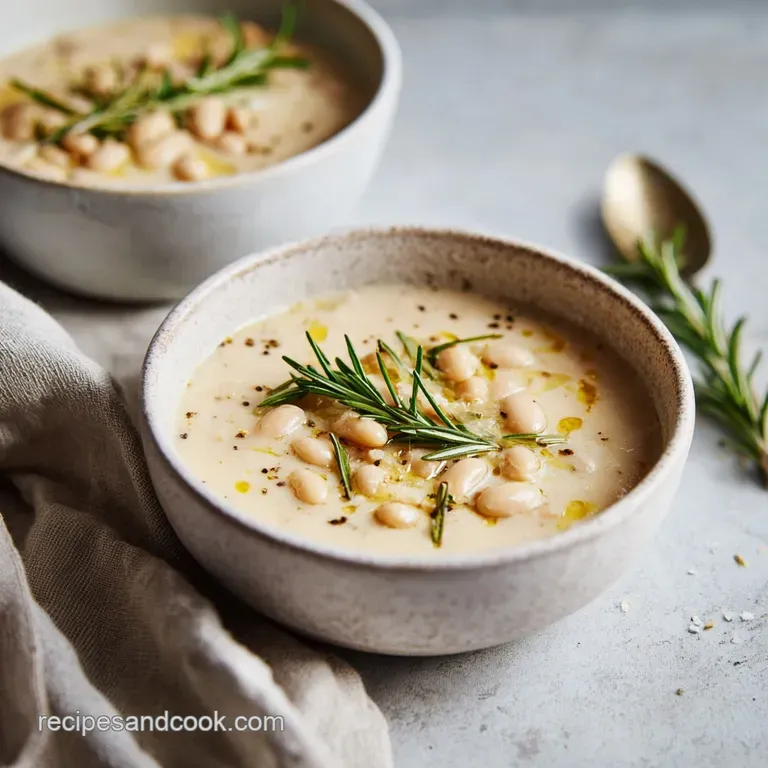
Follow these steps closely to ensure you develop the flavors in the correct order. Rushing the aromatics is the most common mistake in soup making.
- Render the fat. Heat the olive oil in a large heavy bottomed Dutch oven over medium heat. Add the diced pancetta and cook for 5–7 minutes until the fat renders and the pancetta becomes golden and crispy.
- Build the base. Add the chopped onions, carrots, and celery to the pot. Sauté for 8–10 minutes until the vegetables are translucent and the onions begin to caramelize slightly.
- Bloom the aromatics. Stir in the minced garlic and fresh rosemary. Cook for 1 minute until fragrant, being careful not to brown the garlic as it can turn bitter.
- Liquid infusion. Add the drained cannellini beans, chicken stock, bay leaf, and Parmesan rind. Bring the mixture to a boil. Note: The rind might stick to the bottom, so give it a stir occasionally.
- The gentle simmer. Reduce heat and simmer uncovered for 20 minutes. This allows the flavors to meld and the stock to reduce slightly.
- Prep for blending. Remove the bay leaf and Parmesan rind. The rind will be soft and gooey; that's perfectly normal and where the flavor came from!
- Create the texture. Using an immersion blender, pulse the soup a few times to purée approximately one third of the beans. Stop when the broth looks cloudy and thickened but many whole beans remain visible.
- Final seasoning. Stir in the lemon juice, salt, and pepper. Taste the soup; if it feels flat, add a tiny pinch more salt.
- Garnish and serve. Serve hot in deep bowls, garnished with a generous grating of fresh Parmesan and a sprinkle of minced parsley.
Fixing Common Soup Struggles
Even the most experienced home cooks run into trouble sometimes. The beauty of soup is that it is incredibly forgiving if you know how to read the signs.
Why Your Soup Feels Thin
If you've followed the steps and the soup still looks like broth with beans floating in it, you likely haven't blended enough. The starch in the cannellini beans is your primary thickening agent. Pulse it two or three more times.
If that fails, let it simmer uncovered for an extra 10 minutes to evaporate some of the water.
Why the Rosemary Is Overpowering
Rosemary is potent. If you accidentally added too much, don't panic. You can balance the piney notes by adding a bit more lemon juice or even a teaspoon of honey. The acid or sweetness will distract the palate from the heavy herb flavor.
| Problem | Root Cause | Solution |
|---|---|---|
| Too Salty | Stock reduction or rind | Add a peeled, halved potato and simmer for 10 mins, then remove. It absorbs excess salt. |
| Bland Flavor | Lack of acidity | Add an extra teaspoon of lemon juice or a splash of white wine vinegar. |
| Greasy Surface | Pancetta fat didn't emulsify | Use the immersion blender to pulse the areas where oil is pooling to force an emulsion. |
Common Mistakes Checklist
- ✓ Never skip rinsing the beans; the canning liquid has a metallic taste that ruins the broth.
- ✓ Don't burn the garlic; once it turns dark brown, it creates a bitter flavor that permeates the whole pot.
- ✓ Avoid using "pre shredded" Parmesan for the garnish; it contains cornstarch that prevents it from melting beautifully into the hot soup.
- ✓ Let the pancetta get truly crispy before adding veggies; if it's soft, you lose that textural contrast.
- ✓ Keep the simmer low; a rolling boil will break the beans apart too aggressively.
Flavor Variations to Try
Once you've mastered the classic version, you can start playing with the profile to suit your mood or the season.
1. The "Green Goddess" Twist
For a boost of nutrition and a pop of color, stir in two handfuls of baby spinach or chopped kale during the last 5 minutes of simmering. The heat of the soup will wilt the greens perfectly without overcooking them.
This version pairs beautifully with a drizzle of high-quality pesto on top right before serving.
2. The Spicy Florentine
If you like a bit of heat, add half a teaspoon of red pepper flakes when you sauté the garlic and rosemary. The heat builds a lovely warmth that complements the creamy beans. You can also swap the pancetta for spicy Italian sausage (removed from the casings and browned) for a much heartier, meal sized portion.
3. The Roasted Garlic Deep Dive
Instead of sautéing raw garlic, stir in a whole head of roasted garlic cloves right before blending. This gives the soup a mellow, sweet, and nutty undertone that is absolutely "velvety" and sophisticated. It's a great trick for a dinner party where you want to impress guests with "secret" layers of flavor.
Simple Guidelines for Scaling
Whether you're cooking for one or hosting a neighborhood gathering, this recipe scales quite predictably if you follow a few basic rules.
Scaling Down (Cooking for 1-2) If you want to make a smaller batch, you can easily halve all the ingredients. Use a smaller saucepan rather than a wide Dutch oven to prevent the liquid from evaporating too quickly. You still only need about 15 minutes of prep.
For the egg based recipes often found in baking, I'd say use half, but here, just use one small Parmesan rind or a half portion of a large one.
Scaling Up (Feeding a Crowd) When doubling the recipe for 12 people, do not double the salt immediately. Spices and salt don't always scale linearly. Start with 1.5 times the salt, then taste and adjust at the very end.
You should also work in batches when sautéing the pancetta and vegetables; if you overcrowd the pot, the vegetables will steam and turn mushy rather than caramelizing and developing that deep flavor we want.
Debunking Kitchen Myths
There are a few "old wives' tales" about bean soups that often lead people astray. Let's set the record straight so you can cook with confidence.
Myth: Searing meat "seals in the juices." This is a classic misconception. Searing the pancetta doesn't seal anything; instead, it creates a "Maillard reaction," which is a chemical reaction between amino acids and reducing sugars that gives browned food its distinctive flavor.
We sear the pancetta for the flavor of the crust and the rendered fat, not to "keep it juicy."
Myth: Adding salt early makes beans tough. Many people believe that salting the water at the beginning of the cook time prevents beans from softening. While this can be true for dried beans if the water is extremely "hard" (full of minerals), it is not true for canned beans.
In fact, seasoning the broth from the start allows the salt to penetrate the beans, making them flavorful throughout rather than just salty on the outside.
Storing and Repurposing Leftovers
This soup is actually better on the second day. As it sits in the fridge, the rosemary and Parmesan flavors continue to infuse into the beans, and the starches settle into an even creamier consistency.
Storage: Keep the soup in an airtight container in the fridge for up to 3 days. When reheating, you may need to add a splash of water or extra chicken stock, as the beans will continue to absorb liquid and the soup will thicken significantly.
Freezing: This recipe freezes beautifully because it doesn't contain dairy. Let it cool completely, then transfer to freezer safe bags or containers. It will stay fresh for up to 3 months. To serve, thaw it overnight in the fridge and reheat gently on the stovetop.
Zero Waste Tip: Don't throw away the rosemary stems! While we only use the minced needles in the soup, you can toss the woody stems into a bottle of olive oil to create a quick infused oil for dipping bread. Also, if you have leftover "mushy" Parmesan rind after simmering, it's actually edible!
Some people love to snack on it, as it becomes soft and chewy like a savory piece of fudge.
Cooking this soup is a reminder that the best meals don't require fancy ingredients; they just require a little bit of heart and the right technique. Enjoy every spoonful!
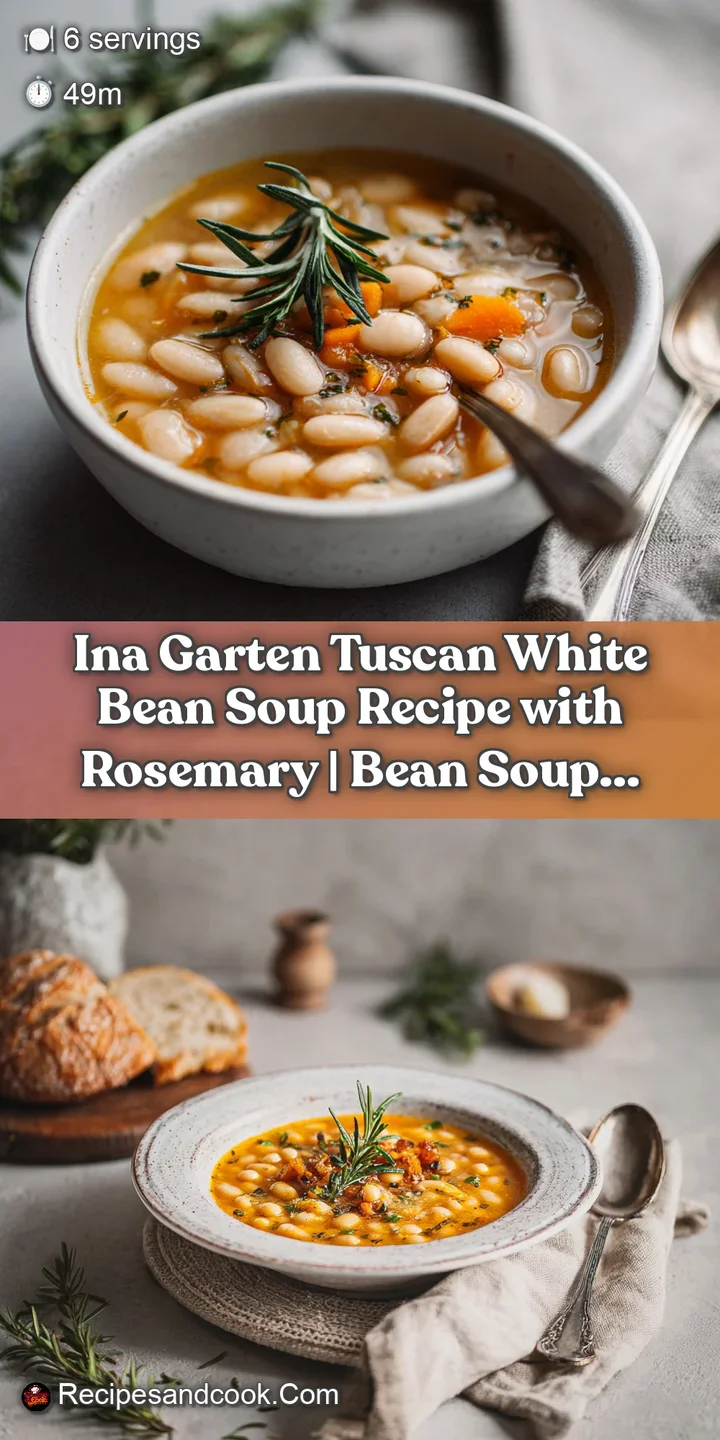
Very High in Sodium
930 mg 930 mg of sodium per serving (40% 40% of daily value)
The American Heart Association recommends limiting sodium intake to less than 2,300mg per day, with an ideal limit of 1,500mg per day for most adults.
Tips to Reduce Sodium
-
Opt for Low-Sodium Broth-30%
Replace the 6 cups of regular chicken stock with low-sodium chicken stock. This is the most significant contributor to sodium in this recipe and a simple swap can drastically reduce it.
-
Reduce Added Salt-25%
Cut the 1 tsp of kosher salt to 1/2 tsp or omit it entirely. Taste and adjust seasoning at the end if needed, especially after other sodium containing ingredients have been added.
-
Rinse Pancetta and Use Less-25%
Thoroughly rinse the diced pancetta under cold water before cooking. Alternatively, consider using half the amount (2 oz) or a lower sodium bacon alternative if available.
-
Be Mindful of Parmesan Rind-15%
While flavorful, the Parmesan rind contributes sodium. Consider using a smaller piece or omitting it. If using, be aware of its salt contribution and adjust added salt accordingly.
-
Boost Flavor with Herbs and Spices
Maximize the use of fresh herbs like rosemary and parsley, along with aromatics like garlic and onions. Consider adding other sodium free seasonings like black pepper, chili flakes, or onion powder to enhance taste.
-
Rinse Canned Beans Well-20%
Ensure the two cans of cannellini beans are thoroughly drained and rinsed under cold running water. This helps remove a significant portion of the sodium from the canning liquid.
Recipe FAQs
Is it necessary to use a Parmesan rind?
Yes, the rind is essential for depth. It slowly releases umami rich saltiness and body into the broth that regular grated cheese cannot replicate.
How to ensure the soup base has a creamy consistency?
Pulse one-third of the beans with an immersion blender. If you enjoyed mastering this texture control technique here, you can apply similar blending principles to thicken other vegetable based dishes.
How to avoid a bitter taste from the garlic?
Sauté the minced garlic for only one minute until fragrant. Watch it closely and add it after the vegetables have softened to ensure it never turns dark brown.
Is it true the soup is better the next day?
Yes, this is accurate. Letting the soup rest in the refrigerator allows the rosemary and Parmesan flavors to fully infuse into the beans and broth.
How to fix the soup if it becomes too thick after refrigeration?
Add a small splash of chicken stock while reheating. The beans absorb liquid during storage, so a little extra stock helps restore the desired consistency.
How to prevent the pancetta from staying soft?
Cook the pancetta for the full 5 7 minutes in the Dutch oven. Ensuring the fat renders completely is key to achieving the golden, crispy texture that provides the best contrast.
Is pre-shredded Parmesan acceptable for the garnish?
No, avoid pre-shredded cheese. It contains cornstarch that prevents a clean melt and ruins the texture of the garnish atop your hot soup.
Tuscan White Bean Soup
Ingredients:
Instructions:
Nutrition Facts:
| Calories | 304 kcal |
|---|---|
| Protein | 14 g |
| Fat | 13 g |
| Carbs | 30 g |
| Fiber | 7 g |
| Sugar | 5 g |
| Sodium | 930 mg |
