Pork Belly Burnt Ends: the Sticky, Smoky Smoker Recipe
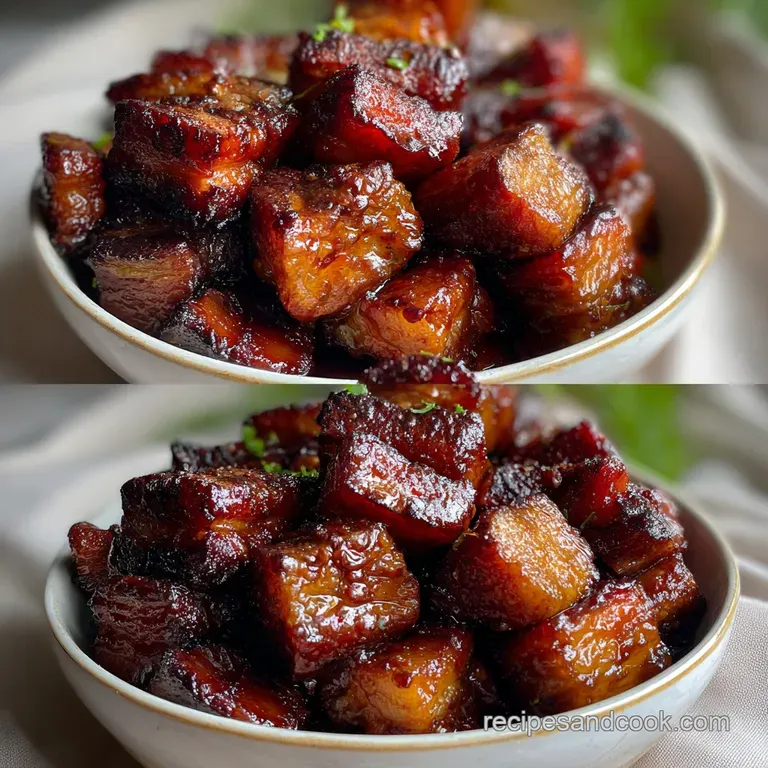
- Proper Brummie Bites: Introducing the Ultimate Pork Belly Treat
- Why Pork Belly? Understanding the 'Meat Candy' Phenomenon
- Ingredients You Need for Pork Belly Burnt Ends
- Method Breakdown: Transforming Belly into Burnt Ends (Step-by-Step)
- Phase One: Smoke and Render – Achieving the Foundation
- Phase Two: The Braise – Steam, Tenderness, and Flavor Infusion
- Storage, Freezing, and Reheating
- Common Mistakes and How to Avoid Them
- Recipe FAQs
- 📝 Recipe Card
Proper Brummie Bites: Introducing the Ultimate Pork Belly Treat
That glorious moment when you open the smoker lid and a cloud of sweet, smoky sugar and pork fat hits you? That’s peak cooking satisfaction. This smell promises the kind of texture that simply melts on your tongue, followed by the perfect sticky, sweet, and unbelievably savory finish.
If you’re serious about BBQ, you need to master the art of Pork Belly Burnt Ends .
Forget delicate appetizers; this is "meat candy," pure and simple. It’s rich, decadent, and despite the hours required for the low and slow method, the active cooking time is surprisingly minimal.
It’s mostly just patience and temperature management, which is why this approach is a total game changer for backyard warriors.
I’ve made every mistake rushing the bark, drowning the braise, forgetting the butter but after years of trial and error, I’ve perfected a method. I’m giving you the straight-up, fool proof steps to create the best Pork Belly Burnt Ends you've ever tasted.
Why Pork Belly? Understanding the 'Meat Candy' Phenomenon
The Anatomy of a Burnt End: Texture, Smoke, and Sweetness
The magic of this specifically delicious bite is all in the cut. Pork belly is essentially uncured bacon; it’s wonderfully fatty, and that fat is key to achieving that signature, tender, melt-in-your mouth texture.
We are forcing the fat to render completely during the smoke process, which means the cubes actually become surprisingly soft and velvety. It's the perfect canvas for a heavy smoke, a rich rub, and that final, tacky glaze.
Setting the Scene: The Culture of Low and Slow BBQ
BBQ is a sport, a science, and a hobby that requires a certain commitment. Low and slow cooking breaks down the collagen and connective tissue in the meat over hours. When you make Pork Belly Burnt Ends , you aren’t just cooking them; you are slowly massaging them until they are impossibly tender.
This recipe is built on three distinct phases smoke, steam (braise), and caramelize each essential for transforming basic pork belly into culinary gold.
Beyond Brisket: Why These Cubes Reign Supreme
Everyone loves brisket burnt ends, but preparing them is a serious labor of love that often requires trimming them from the point of a 15 pound packer. These Pork Belly Burnt Ends are so much easier! Start to finish, you get that same iconic, smoky, sticky texture in half the time.
Plus, pork belly is typically cheaper and far more forgiving than beef brisket.
From Prep to Plate: What Makes This Recipe 'Gold Standard'?
This approach works beautifully because we use a binder (mustard or oil) which helps the dense "Birmingham Blend" rub adhere perfectly, guaranteeing a thick bark. Crucially, we drain the excess fat after the braise.
It’s counterintuitive, but if you glaze the burnt ends while they are sitting in a pool of rendered fat and braising liquid, the glaze won't adhere and caramelize properly. Trust me, the drainage step takes your final product from good to utterly spectacular.
Ingredients You Need for Pork Belly Burnt Ends
Getting the right ingredients is half the battle. Don't skimp on the quality of your sauce here; it touches everything.
- 2 kg (4.4 lbs) Skinless Pork Belly Slab: The foundation. Choose a slab with thick, even marbling.
- 2 Tbsp Olive Oil or Yellow Mustard (Binder)
- Dry Rub: Dark Brown Sugar, Paprika, Granulated Garlic, Granulated Onion, Sea Salt, Black Pepper, and optional Cayenne.
- Braise & Glaze: Unsalted Butter, Honey or Golden Syrup, Smoky BBQ Sauce, and Apple Cider Vinegar or Apple Juice.
Main Ingredients Notes
A note on the pork: Make sure you get skinless pork belly. If it has the skin on, the ends won't be able to turn into the soft, tender morsels we want. You want deep color from the sugar and paprika in the rub combined with the smoke, giving you that beautiful mahogany bark.
Easy Substitutions and Swaps
| Ingredient | Why it's Important | Substitution Idea |
|---|---|---|
| Pork Belly | High fat content renders for maximum tenderness. | Pork Shoulder (Boston Butt) cubed large (it will be leaner). |
| Yellow Mustard (Binder) | Helps the rub stick without altering flavor. | Olive Oil, Vegetable Oil, or even a small amount of water. |
| Dark Brown Sugar | Provides deep molasses flavor and aids caramelization. | Light Brown Sugar (less depth) or Coconut Sugar. |
| Honey (Braise) | Adds sweetness and stickiness. | Maple Syrup or Corn Syrup (for pure stickiness). |
| Apple Cider Vinegar (Spritz) | Cuts richness while keeping the surface moist. | Apple Juice (slightly milder) or Water. |
Essential Equipment
You absolutely need a smoker for genuine Pork Belly Burnt Ends . A Traeger or other pellet smoker works perfectly because you can maintain that critical low temperature easily. If you have a kettle grill, you can use the snake method for indirect heat, but stability is tougher.
An instant read thermometer is necessary; texture is everything, but tracking the internal temperature helps guide your timing.
Chef’s Note: Do not attempt these on an open grill over direct heat. You will burn the exterior and the interior will remain tough. This dish demands low and slow dedication.
Method Breakdown: Transforming Belly into Burnt Ends (step-by-step)
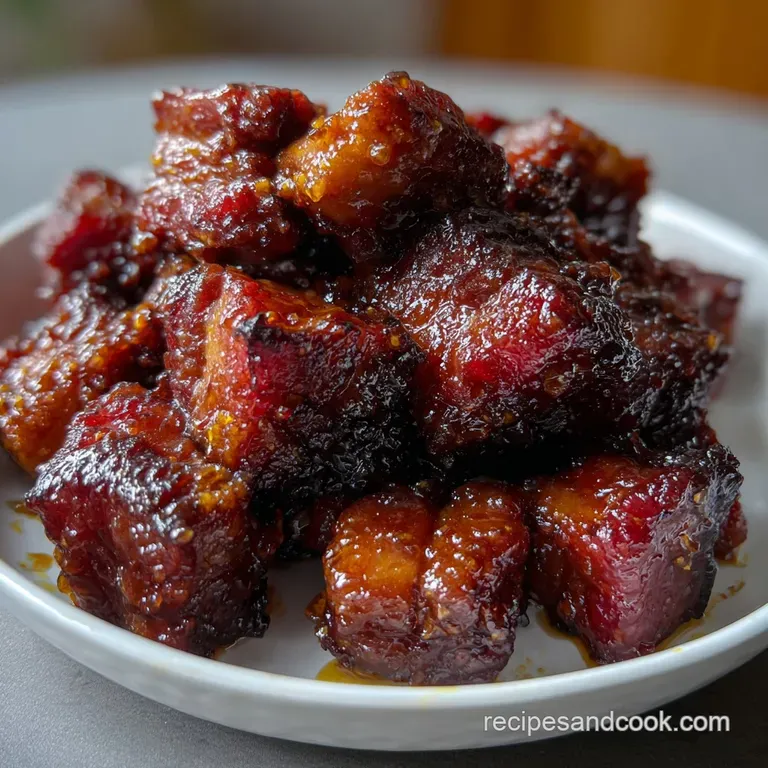
This process is broken down into three crucial phases. Skipping any step means you won't get that classic, sticky, tender result.
Phase One: Smoke and Render Achieving the Foundation
Preparation: Cubing and Seasoning the Pork
First, pat down your pork belly aggressively with paper towels. I find that about 1 inch thick cubes are perfect they're large enough to withstand the long cook but small enough to develop a massive crust. Toss these cubes in your binding agent, then mix together your dry rub.
You need to apply the rub heavily, almost to the point where they look like little brown bricks. Let them sit there for 30 minutes. This allows the salt to start drawing out moisture and activating the rub spices.
The First Smoke: Temperature and Time Guidelines
Set your Pork Belly Burnt Ends Smoker up for a continuous 225°F (107°C). I prefer Cherry wood for pork; it gives a beautiful color and a mild, fruity smoke. Place the cubes directly on the grates, giving each one space to breathe.
We are aiming for air circulation a must for developing bark. Smoke for three hours straight. Do not peek too often. After 90 minutes, start spritzing the cubes every half hour with apple cider vinegar to keep them moist and encourage smoke absorption.
Phase Two: The Braise Steam, Tenderness, and Flavor Infusion
Once the cubes hit that deep mahogany color the bark is set it's time for the steam bath. Remove the smoky cubes and place them snugly into an aluminum foil tray. Dump the butter cubes and honey right over the top. The temperature should be bumped up to 250°F (121°C) to help generate steam.
Tightly seal the pan with foil (you are creating a hot, buttery incubator).
Return them to the smoker and let the magic happen for 60 to 90 minutes. I usually start checking at the hour mark. You want the cubes to feel incredibly soft, like squeezing a dense sponge.
If you’re checking internal temperature, you want to be aiming for roughly 200°F (93°C), but seriously, rely more on the feel .
Phase Three: The Glaze Caramelization and Finishing
Take the tray out and immediately drain off the liquid. There will be a horrifying amount of rendered fat and sweet butter, but we need to lose it now so the sauce can stick. Pour your high-quality smoky BBQ sauce over the top and gently fold the cubes until every surface is drenched.
Return the uncovered tray to the Pork Belly Burnt Ends Pellet Smoker and increase the temperature to 275°F (135°C). This final hour is where the caramelization happens. Stir them gently every 15 minutes.
They are done when the sauce is tacky, thick, and perfectly sticky, almost gluing them to the bottom of the tray. This final crucial step finishes the belly burnt ends recipe and turns them into actual candy.
Storage, Freezing, and Reheating
How to Store Leftovers
Leftover Pork Belly Burnt Ends store beautifully in an airtight container in the fridge for up to four days. The flavor only deepens overnight! Just make sure they cool completely before sealing them away.
Freezing Instructions
Yes, you can absolutely freeze them! Lay the fully cooled burnt ends on a baking sheet lined with parchment paper, freeze until solid, and then transfer them to a heavy duty freezer bag. Squeeze out as much air as possible to prevent freezer burn. They will last three to four months.
Best Reheating Methods
To reheat, the oven is best, hands down. Preheat your oven to 325°F (160°C). Place the frozen or refrigerated burnt ends in a single layer on a parchment lined baking sheet.
For frozen ones, cover the tray with foil for the first 10 minutes to prevent drying out, then uncover and heat for another 5– 10 minutes until sizzling hot. For just refrigerated ones, 10– 15 minutes uncovered usually does the trick.
Reheating them low and slow prevents the delicate texture from toughening up.
What to Serve With This Dish
Because these Pork Belly Burnt Ends are so rich, you need sides that cut through the fat. A zesty, crunchy coleslaw is essential the vinegar cleanses the palate beautifully. Creamy mac and cheese is a classic pair, or perhaps a sharp, vinegary mustard potato salad.
Common Mistakes and How to Avoid Them
1. Rushing the Bark
If you move to the braise too quickly (before the 3 hour mark is up), the moisture will dissolve the bark and you’ll end up with mushy pork cubes. Solution: Be patient!
Smoke at 225°F until the cubes look dry and dark brown, usually around 3 hours, regardless of internal temperature.
2. Overcrowding the Smoker
If the cubes are touching during Phase 1, they will steam each other, not smoke. This results in pale, under smoked pieces. Solution: Leave a small gap between every cube on the grate to ensure maximum smoke exposure and air circulation.
If you make a massive batch, use two trays or smoke in shifts.
3. Not Draining the Fat Post Braise
If you leave the burnt ends sitting in that liquid fat and then dump the glaze on top, the sauce will never thicken or adhere properly during the final caramelization stage. Solution: Drain every drop of excess liquid when moving from Phase 2 to Phase 3.
It's the most critical step for that amazing sticky, tacky finish.
I’m telling you, mastering this pork belly burnt ends recipe will change your summer BBQ game forever. Go forth and make some meat candy!

Recipe FAQs
What cut of pork should I use, and why is "skin-on" sometimes recommended?
You should exclusively use boneless, skinless pork belly for burnt ends. While skin-on pork is great for crispy roasts, the skin prevents the necessary smoke penetration and spice coverage required for burnt ends and will become overly tough and chewy after the long cooking process.
My burnt ends look dry and aren't melting in my mouth. What went wrong?
Dryness is usually caused by cooking too fast or insufficient fat rendering. Ensure your smoker temperature remains low (around 225°F/107°C) and you cook them long enough during the first smoke phase (2-3 hours) before adding the foil wrap/sauce and bumping the heat.
The wrap phase is crucial for steaming and tenderizing the meat.
How can I achieve a better smoke ring and flavor if I don't have a smoker?
If you are using a standard oven or gas grill, you can use a small smoke box or a foil packet filled with wood chips placed directly over the heat source. Alternatively, use Liquid Smoke, adding a few teaspoons to your BBQ glaze mixture just before the final cook, which mimics the smoky flavor.
Should I trim the large fat cap before cubing the pork belly?
A partial trim is recommended, but do not remove all the fat. The thick layer of internal fat is essential for keeping the burnt ends moist and providing the rich, buttery texture. Aim to trim any extremely thick or rigid sections of fat down to about a quarter inch depth across the entire surface.
Can I make these ahead of time, and how should I store or reheat them?
Yes, burnt ends reheat very well. Store the cooled leftovers in an airtight container for up to 4 days in the refrigerator, or freeze them for up to 3 months. When reheating, place them back in a baking dish covered tightly with foil and warm them in a 300°F (150°C) oven until heated through.
My final BBQ glaze isn't glossy and sticky enough. How do I fix the consistency?
The stickiness often develops during the final high heat caramelization phase. If your sauce is too thin, try removing the foil for the last 15 minutes of the cook to allow some moisture to evaporate, which will concentrate the sugars and thicken the glaze to that desired ‘tacky’ finish.
Sticky Smoked Pork Belly Burnt Ends
Ingredients:
Instructions:
Nutrition Facts:
| Calories | 1318 kcal |
|---|---|
| Protein | 17.6 g |
| Fat | 132.0 g |
| Carbs | 16.6 g |
