Canned Green Bean Recipes: Smoky Southern-Style with Bacon
- Transforming the Humble Can: The Ultimate Canned Green Bean Recipe
- Essential Components for the Best Smoky Southern Canned Green Bean Recipes
- The Science of Flavor Layering: Why These Beans Taste Gourmet
- Step-by-Step: Mastering This Canned Green Bean Recipe
- Pro Chef Secrets: Elevating Your Canned Green Bean Game
- Prepping Ahead: Storage and Reheating Guidelines
- Perfect Pairings: What to Serve Alongside Southern Green Beans
- Recipe FAQs
- 📝 Recipe Card
Transforming the Humble Can: The Ultimate Canned Green Bean Recipe
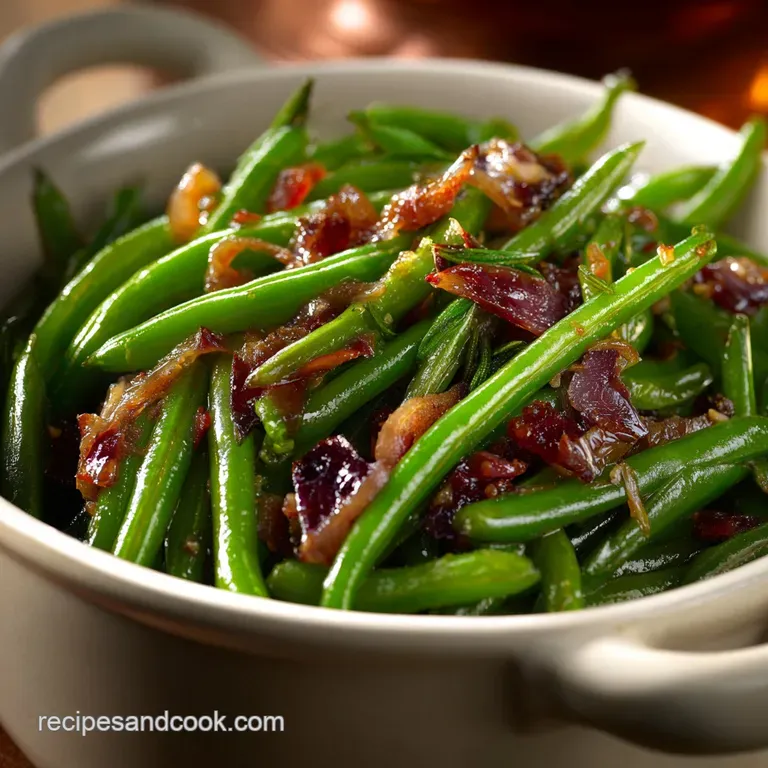
Imagine the aroma of slowly caramelizing shallots and crisp, smoky bacon drifting through your kitchen. That deeply comforting smell promises a side dish that is robust, savory, and utterly unforgettable.
We are absolutely not dealing with those bland, watery beans from your childhood dinner table; we are building serious layers of flavor here.
Let's be real about why we turn to the pantry: Canned green bean recipes are a lifesaver when time is short, the budget is tight, or you just need a vegetable component that requires zero prep work. They are incredibly reliable, fast, cheap, and always ready to go.
But those poor canned beans need some love a major flavor intervention to wash away the salty brine and metallic edge. You need a strategy to transform them from a background extra into a main flavor character, and my Smoky Southern Style recipe is the key.
Overcoming the 'Canned Flavor': Building a New Foundation
The biggest obstacle to great canned green beans is that "tinny" taste, and you conquer that by introducing bold, savory fat. We aren’t just draining the liquid; we’re rinsing the beans vigorously to remove that industrial brine.
Once the metallic flavor is banished, we build a foundation using rendered bacon fat and slowly cooked aromatics. This process means those beans absorb richness instead of saltiness, making this a staple for all your easy canned green bean recipes.
Introducing the Smoky Southern Profile of Shallots and Bacon
Why shallots and bacon? This combination provides a perfect trifecta of texture, smoky richness, and deep, sweet caramelization. The bacon gives us crunchy salty bits and, crucially, a highly flavorful fat base.
Slow cooking the shallots in that fat adds a gentle sweetness and depth that elevates the entire dish, ensuring your canned green beans with bacon are truly next level.
Why Canned Green Beans Are a Strategic Pantry Staple
I am a staunch defender of the humble can. Look, sometimes life is too hectic for snapping fresh beans, and frozen ones can often turn soggy when simmered. Canned beans are already cooked, meaning our time is spent purely on flavor infusion.
They are the ultimate strategic component for a quick weeknight dinner or an essential, no-fuss addition to canned green bean recipes for Thanksgiving.
Essential Components for the Best Smoky Southern Canned Green Bean Recipes
You only need eight key ingredients to make this magic happen. The trick is understanding what each element contributes to the final, savory balance. This isn't just a list; it's a flavor map.
| Ingredient | Role in the Dish | Recommended Substitution |
|---|---|---|
| Thick Cut Bacon | Smoky, salty fat base and texture. | Smoked ham hock or 2 Tbs Olive Oil + 1 tsp Smoked Paprika. |
| Shallots | Sweet, gentle onion flavor when caramelized. | 1 small white onion or 1/2 a yellow onion. |
| Canned Cut Green Beans | The hearty, reliable vegetable core. | Canned French style beans (use caution; they soften faster). |
| Chicken Stock | Liquid for simmering and flavor infusion. | Vegetable broth (must use low-sodium). |
| Cider Vinegar | Essential acid to cut the fat and salt. | White wine vinegar or 1/2 tsp lemon juice. |
| Brown Sugar | Balances the acidity of the vinegar. | Honey or a pinch of regular granulated sugar. |
| Butter | Helps shallots caramelize slowly without burning. | Skip it if you have plenty of bacon fat reserved. |
The Science of Flavor Layering: Why These Beans Taste Gourmet
Selecting the Right Type of Canned Green Beans (Cut vs. French)
I usually grab the standard cut canned beans for this recipe, and here’s why: they hold up better to simmering. French style beans, which are much thinner, are excellent for quick tosses but tend to get mushy when we simmer them in stock.
Always check the label to ensure they are standard cut beans.
Detailed Notes on Bacon Selection and Preparation
Go for thick cut, high-quality smoked bacon if you can. Thin bacon burns too fast, meaning you don't render enough fat to coat the beans properly. Trust me, I once tried using pre-cooked bacon pieces to save time, and the results were tragic zero fat for flavor building.
We need that glorious bacon fat as our primary cooking oil.
Ingredient Swaps for Shallots and Smoky Flavor Depth
If you absolutely hate chopping shallots, a small white onion works perfectly, though you might need an extra minute of cooking time. For those looking for healthy canned green bean recipes, skipping the bacon for smoked paprika and olive oil is a clever move.
You maintain the complexity of flavor without the saturated fat.
Chef's Note: The acid (vinegar) is non-negotiable. Canned foods are inherently flat and salty, but the vinegar provides a bright, sharp contrast that makes all the difference. It cuts through the bacon richness like a knife.
The Maillard Reaction: Browning the Shallots and Bacon
We’re not just cooking the shallots; we’re building the Maillard Reaction. By cooking the shallots slowly in the rendered bacon fat, the natural sugars caramelize. This browning creates hundreds of new flavor compounds, which then get scraped up and dissolved into our stock, making a rich sauce.
Achieving the Perfect Tender Crisp Texture (Avoiding Mushiness)
The key to preventing mushy canned green beans is the simmer time. Since they’re already cooked, we only simmer them long enough to absorb the liquid, not to cook them further. Five to seven minutes covered is usually plenty.
step-by-step: Mastering This Canned Green Bean Recipe
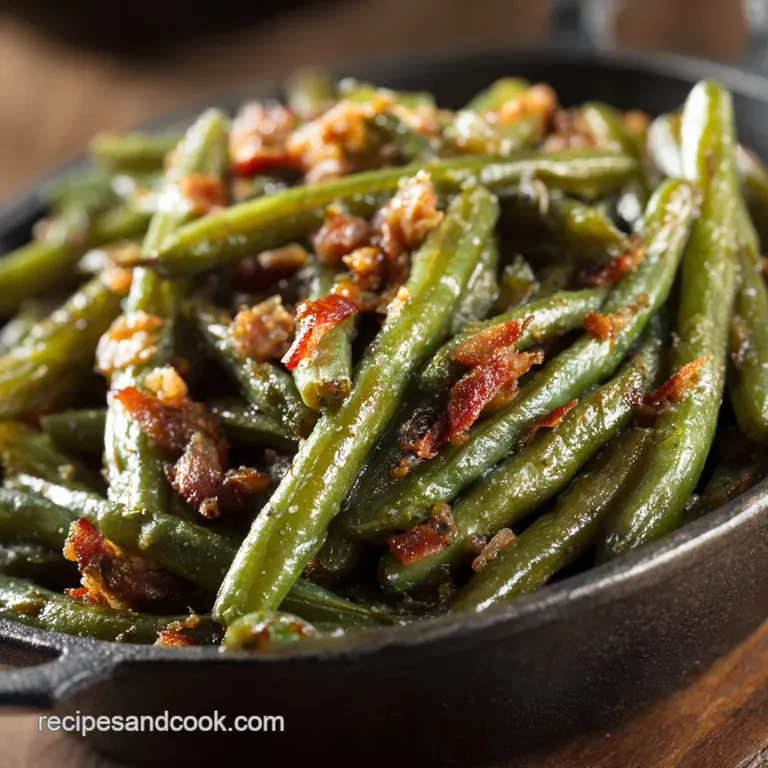
This is an easy recipe, but the steps must be followed sequentially for maximum impact. Let’s crack on.
Phase 1: Rendering the Bacon and Building the Fat Base
- Prep the Beans: Drain both cans of green beans in a colander. This next part is critical: Rinse them thoroughly under cold running water for at least 30 seconds to flush away the excess salt and metallic taste. Set them aside to drain well.
- Render the Bacon: Dice your bacon small and place it into a cold large skillet. Heat the skillet slowly over medium low heat. Cook for 8- 10 minutes until the bacon is perfectly crisp and the fat is fully rendered.
- Reserve Fat: Use a slotted spoon to remove the bacon pieces, placing them on a paper towel. Keep 1 tablespoon of that gorgeous bacon fat in the pan; pour off any excess grease.
Phase 2: Caramelizing the Shallots and Aromatics
- Sauté the Shallots: Add the tablespoon of butter alongside the reserved bacon fat. Toss in your diced shallots and cook over medium heat for 4– 5 minutes until they are soft and translucent, stirring occasionally.
- Add Garlic: Stir in the minced garlic and cook for just 60 seconds until you catch that nutty, fragrant aroma. Don’t let the garlic burn; burnt garlic tastes bitter, and that's not what we want.
Phase 3: The Critical Low-Temperature Simmer
- Deglaze: Pour in the cider vinegar it will bubble immediately. Scrape up any browned bits stuck to the bottom of the pan; that flavorful residue is called fond , and it’s pure gold.
- Build the Sauce: Add the chicken stock and brown sugar, bringing the mixture to a gentle simmer.
- Introduce the Beans: Add the drained and rinsed green beans. Stir them around quickly to ensure they are coated in that savory liquid.
- Simmer: Reduce the heat to low, cover the skillet, and let the beans simmer for 5– 7 minutes. This is where they absorb all that smoky, sweet, and savory goodness.
Phase 4: Finishing Touches and Final Seasoning Adjustments
- Taste and Adjust: Remove the lid and taste the beans and the sauce. They will likely need salt (depending on your bacon and stock) and black pepper.
- Finish and Serve: Stir the reserved crispy bacon back into the beans. Serve them piping hot for the best flavor and texture.
Pro Chef Secrets: Elevating Your Canned Green Bean Game
The Absolute Importance of Rinsing the Canned Beans
I can’t stress this enough: The number one reason people fail at canned green bean recipes is skipping the rinse. If you skip this, the metallic, highly salted brine permeates your beautiful bacon and shallot flavors. Rinse, rinse, rinse!
Troubleshooting Overly Salty or Watery Results
If your final dish tastes too salty, you probably didn't rinse enough, or you used high sodium stock. To fix this, add a little extra vinegar and a small potato (cut in half) to the simmering liquid for the last few minutes. The potato will absorb some of the excess salt.
If the beans are watery, simply cook them uncovered for another 2- 3 minutes to allow the sauce to reduce and thicken slightly.
Maximizing Smoke Flavor Without Using Liquid Smoke
If you want an even deeper smoky profile, stir in 1/2 teaspoon of smoked paprika when you add the garlic. This is a brilliant trick. You get that rich, complex smoke without resorting to liquid smoke, which can sometimes taste artificial.
Prepping Ahead: Storage and Reheating Guidelines
This is one of the best make-ahead canned green bean recipes for parties because the flavor actually deepens overnight.
Refrigeration: Safe Handling and Quality Maintenance of Leftovers
Store any leftovers in an airtight container in the refrigerator. They will stay fresh and delicious for 3 to 4 days. Keep the crispy bacon separate until reheating if possible; this prevents it from getting soggy.
Revitalizing Beans That Have Lost Their Texture During Storage
When reheating, avoid the microwave, which tends to make the beans steam and lose shape. Instead, put them back into a skillet over medium low heat with a splash of extra chicken stock or water. Heat them gently until warm, then toss in the reserved crispy bacon right before serving.
They will retain a much better texture this way.
Perfect Pairings: What to Serve Alongside Southern Green Beans
These smoky, savory green beans are incredibly versatile and pair beautifully with hearty, rich mains.
Complementary Starches and Side Dish Integrations
They are a classic partner for any holiday meal, working beautifully alongside roasted meats and mashed potatoes. If you are looking for a delicious, savory main course to serve them with, I highly recommend my recipe for the GlutenFree DairyFree Recipes: Zesty Tray Bake Dinner Creamy Sauce . The bright lemon notes of the tray bake contrast perfectly with the deep, savory character of the beans.
If you’re serving this dish buffet style at a summer potluck, it offers a wonderful warm balance to cooler dishes like a bright pasta salad. You absolutely need something robust to stand up to that bacon and shallot flavor.
Recipe FAQs
How do I prevent the final dish from tasting too salty, given that canned beans already contain sodium?
Always thoroughly rinse and drain the canned beans under cool running water before use; this removes excess sodium and canning liquid. Wait to add any additional salt until the very end, tasting the finished product after the bacon and broth are incorporated.
If you are using very salty bacon, consider opting for low-sodium broth.
My green beans ended up too mushy. How can I keep them firmer?
Canned green beans are already very soft due to the canning process, so avoid long simmering times after the initial flavor building. Ensure you drain the beans completely and then only simmer long enough to heat them through and reduce the broth, usually 5-7 minutes maximum.
Overstirring can also break down the beans further.
Can I make this Smoky Southern Style recipe vegan or vegetarian?
Absolutely. Substitute the bacon fat with olive oil or vegan butter for cooking the shallots, and use vegetable broth instead of chicken broth. For the savory, smoky flavor, add a small dash of liquid smoke or a generous amount of smoked paprika during the simmering stage.
How should I store leftover green beans, and can I freeze them?
Store leftovers in an airtight container in the refrigerator for up to 4 days, reheating gently on the stovetop or in the microwave. While technically freezer safe, the beans will likely become extremely mushy upon thawing due to their already tender nature, so freezing is generally not recommended for quality purposes.
I don't have bacon. What is a good substitute for that smoky, salty flavor?
Use pancetta or rendered ham hock fat if available, as they offer similar rich fat and flavor profiles when cooking the shallots. Alternatively, you can use smoked turkey bacon or ham steak pieces, ensuring you use a little oil to cook them down first if they don't render enough fat.
Can I use fresh or frozen green beans instead of canned?
Yes, but the preparation time will increase significantly since fresh or frozen beans are uncooked. You must blanch or boil them until tender crisp before adding them to the bacon and shallot mixture to ensure proper texture and cooking time alignment with the rest of the recipe components.
My final dish seems too dry or lacking in a moist glaze. What did I miss?
The goal is a glaze formed by the reduction of the broth, not a loose sauce. If it appears dry, you likely over reduced the liquid; ensure the heat is lowered once the beans are added. If necessary, stir in an extra tablespoon of broth or water during the final minute of simmering to maintain moisture.
Southern Canned Green Bean Recipes With Bacon
Ingredients:
Instructions:
Nutrition Facts:
| Calories | 292 kcal |
|---|---|
| Protein | 13.8 g |
| Fat | 15.8 g |
| Carbs | 23.6 g |
