Slow Cooker Bone Broth: Rich & Gelatinous
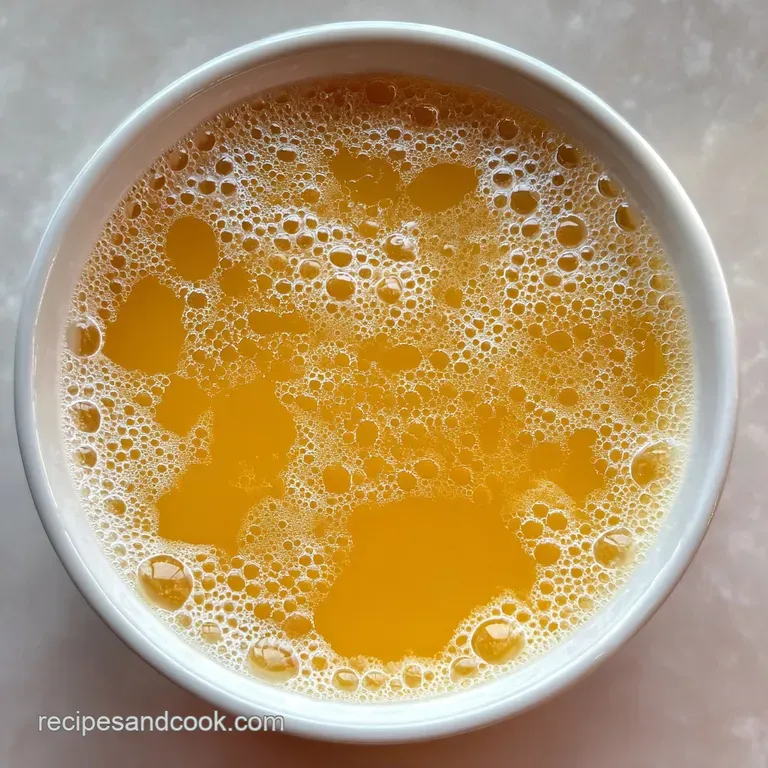
- Time: Active 20 minutes, Passive 24 hours, Total 24 hours 20 minutes
- Flavor/Texture Hook: Silky, savory, and deeply umami with a velvety mouthfeel
- Perfect for: Batch cooking, budget-friendly meal prep, or a comforting warm mug on a cold morning
- Master the Ultimate Slow Cooker Bone Broth
- The Science of Liquid Gold
- Finding the Best Beef Bones
- Essential Tools for Success
- Steps for the Perfect Batch
- Common Pitfalls and Easy Fixes
- Easy Ways to Add Variety
- Liquid Gold Kitchen Myths
- Storing and Reducing Kitchen Waste
- Serving and Enjoyment Tips
- Slow Cooker Bone Broth FAQs
- 📝 Recipe Card
Master the Ultimate Slow Cooker Bone Broth
The first time I tried making this, I filled my kitchen with the most incredible, nostalgic aroma of roasting marrow and toasted garlic. It smelled like my grandmother's Sunday roast, but richer. I remember peering into the crockpot every hour, wondering if those bubbles were doing their job.
Honestly, I made the mistake of not roasting my bones that first time, and the result was... well, a bit gray and sad. We don't do gray and sad here.
Now, I've got a system that works every single time. We are talking about a liquid that turns into a thick jelly in the fridge - that's the sign of a successful batch. This recipe is all about taking the "trash" (bones and veggie scraps) and turning it into something nourishing and incredibly cheap to make.
It’s the ultimate kitchen hack for anyone who loves deep flavor without spending a fortune.
You’re going to love how this makes your house feel. It’s cozy, it’s traditional, and it’s basically a hug in a mug. Whether you're using this as a base for a Pan Seared Ribeye recipe pan sauce or just sipping it straight, the depth of flavor is unmatched. Let's get into why this method is the gold standard for your home kitchen.
The Science of Liquid Gold
The Collagen Conversion
Acid Catalyst Extraction: Adding apple cider vinegar lowers the pH of the water, which helps break down the tough collagen in the bones and connective tissue. This process converts collagen into gelatin, giving your broth that signature silky texture once cooled.
The Maillard Pre Game
Chemical Browning: Roasting the bones at high heat before simmering creates new flavor compounds through the Maillard reaction. This doesn't just add color; it creates the complex, toasted notes that separate a professional broth from a basic stock.
The Low and Slow Gelatin Shield
Controlled Denaturation: Keeping the temperature just below a rolling boil prevents the gelatin from breaking down too far. The slow cooker provides a stable environment that keeps the fats from emulsifying into the liquid, ensuring a clear, clean tasting result.
| Bone Type | Cook Time | Visual Finish | Gel Result |
|---|---|---|---|
| Chicken Only | 12-15 hours | Pale gold liquid | Medium wobble |
| Mixed Beef | 24-48 hours | Dark amber liquid | Strong jelly |
| Fish/Shells | 4-6 hours | Cloudy white | Minimal gel |
Choosing the right bones is half the battle, but don't overthink it. A mix of "meaty" bones for flavor and "joint" bones for gelatin is the secret sauce here. If you can find chicken feet, grab them - they are a collagen powerhouse that makes the texture absolutely velvety.
Finding the Best Beef Bones
When you're shopping, look for a variety. I usually ask the butcher for a mix of neck bones, oxtail, knuckles, and marrow bones. The marrow gives you that rich fat and deep flavor, while the knuckles and feet provide the protein that makes the broth "wiggle" when it's cold. It's a balance of taste and texture.
| Component | Role in Pot | Pro Secret |
|---|---|---|
| Beef Knuckles | Gelatin Source | Cut into smaller pieces to expose more surface area. |
| Marrow Bones | Rich Umami | Roast until the marrow is soft but hasn't fully melted away. |
| Apple Cider Vinegar | Mineral Extractor | Don't worry, the vinegar scent disappears completely after 2 hours. |
| Onion Skins | Natural Color | Keep the skins on for a deep, mahogany colored broth. |
If you're on a tight budget, don't be afraid to use what you have. I've often tossed in the leftovers from a Sirloin Tip Roast recipe to add an extra layer of seasoned flavor. It's a great way to ensure nothing goes to waste while keeping your grocery bill low.
Essential Tools for Success
You don't need a high tech kitchen to master this. A standard 6 quart slow cooker (like a Crock Pot or Hamilton Beach model) is the main workhorse here. It maintains that perfect "barely simmering" temperature that is hard to manage on a stovetop for 24 hours.
You'll also want a large baking sheet for roasting the bones and a fine mesh strainer for the final step.
- 4 lbs mixed beef bones: neck, oxtail, knuckles, and marrow bones Why this? Provides a balance of flavor rich marrow and gelatin heavy joints
- 3 chicken feet: Why this? High collagen content ensures a thick, gelatinous finished broth
- 2 large onions: halved with skins on (the skins add a gorgeous golden color)
- 3 large carrots: roughly chopped
- 3 ribs celery: with leaves, chopped
- 1 head garlic: halved crosswise
- 2 tbsp apple cider vinegar: Why this? The acid helps pull minerals and collagen out of the bones
- 1 tbsp black peppercorns: adds a subtle, warming heat
- 2 dried bay leaves: provides a classic herbal backbone
- 14 cups cold filtered water: always start with cold water to extract flavor slowly
| Original Ingredient | Substitute | Why It Works |
|---|---|---|
| Apple Cider Vinegar | Lemon Juice | Provides the necessary acidity. Note: Adds a slight citrus note. |
| Beef Bones | Roasted Turkey Carcass | Similar size and structure. Note: Results in a lighter, poultry flavored broth. |
| Chicken Feet | Chicken Wings | High skin to bone ratio. Note: Adds fat but less gelatin than feet. |
Steps for the Perfect Batch
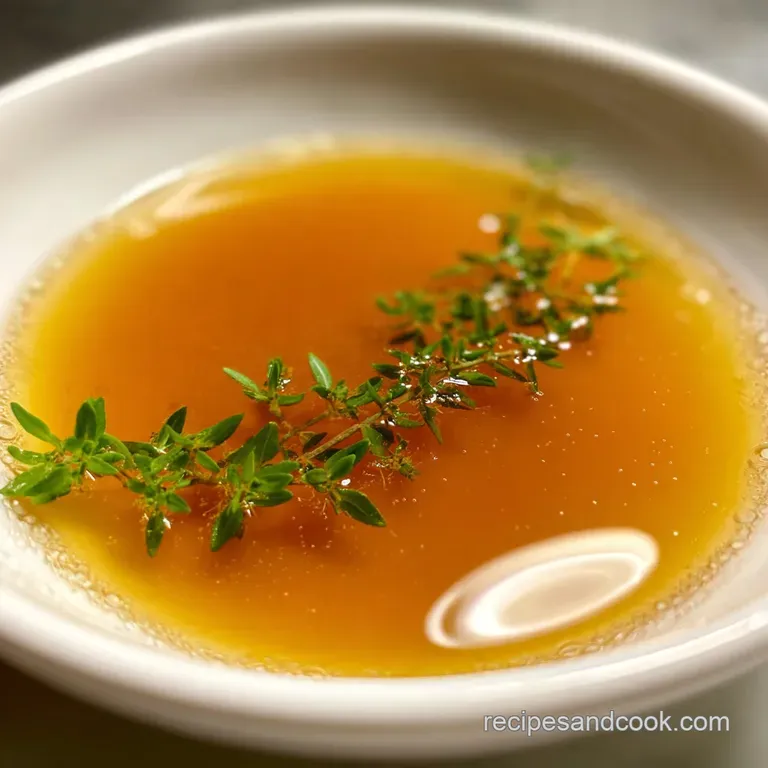
- Roast the bones. Preheat your oven to 400°F (200°C) and spread the 4 lbs of mixed beef bones and 3 chicken feet on a baking sheet. Bake for 30 minutes until they are deeply browned and sizzling.
- Transfer to crockpot. Use tongs to move the hot bones into the slow cooker. Note: Don't leave behind the brown bits on the tray; they are flavor gold.
- Deglaze the pan. Pour a little of your 14 cups of water onto the baking sheet and scrape up the roasted bits, then pour that into the slow cooker.
- Add the aromatics. Toss in the 2 onions, 3 carrots, 3 celery ribs, and the halved head of garlic. until the pot looks colorful and full.
- Season the mix. Add the 1 tbsp peppercorns, 2 bay leaves, and 2 tbsp apple cider vinegar.
- Pour the water. Add the 14 cups of cold filtered water until the bones are completely submerged.
- The initial soak. Let the pot sit for 30 minutes before turning it on. Note: This gives the vinegar a head start on breaking down the bone matrix.
- Set and simmer. Cover and cook on "Low" for 24 hours. until the liquid is dark amber and the bones feel brittle.
- Strain the liquid. Use a fine mesh strainer to remove the solids into a large bowl. Note: Press on the veggies to get every last drop of moisture.
- Cool and skim. Place the bowl in an ice bath or the fridge. Once cold, scrape off the hardened fat layer from the top.
Common Pitfalls and Easy Fixes
Why Your Broth Didn't Gel
This is the most common heartbreak in the kitchen. If your broth is liquid even when cold, you likely had too much water relative to the amount of collagen rich bones. Next time, try adding more chicken feet or knuckle bones, or simmer the finished broth on the stove for an hour to reduce and concentrate it.
The Bitterness Bug
If your broth tastes bitter, you might have simmered the vegetables for too long. While bones need 24 hours, some veggies can start to break down and release bitter compounds after 12 hours.
Another culprit is using too many cruciferous vegetables like broccoli or kale - stick to the classic onion, carrot, and celery.
The "Wet Dog" Aroma
Sometimes, beef broth can have a funky smell. This usually happens if the bones weren't fresh or if they weren't roasted long enough. Roasting is non negotiable for beef bones because it neutralizes those "gamey" odors and replaces them with toasted, savory scents.
| Problem | Root Cause | Solution |
|---|---|---|
| Cloudy Broth | Pot boiled too hard | Keep the slow cooker on the lowest setting; avoid "High". |
| Greasy Texture | Fat wasn't skimmed | Chill the broth overnight and lift the solid fat disc off. |
| Weak Flavor | Not enough salt or time | Add salt ONLY at the end, or simmer longer to reduce. |
Common Mistakes Checklist
- ✓ Never use "High" heat - high temperatures can destroy the delicate gelatin structure.
- ✓ Don't skip the roasting step - it's the difference between a flat broth and a complex one.
- ✓ Avoid adding salt at the start - as the liquid reduces, it can become way too salty.
- ✓ Use cold filtered water - starting hot can lock in impurities and make the broth cloudy.
- ✓ Don't peek - opening the lid constantly drops the temperature and adds hours to the cook time.
Easy Ways to Add Variety
If you're making a Crockpot bone broth for dogs, simply omit the onions, garlic, and peppercorns. Dogs love the collagen, and it's great for their joints, but those aromatics can be toxic to them. Just bones, carrots, and water will do the trick!
It's a healthy addition to their kibble that costs pennies.
For an Asian inspired twist, add a few slices of fresh ginger and a star anise pod to the pot. This creates a fragrant base that is perfect for a quick homemade ramen. If you want a more traditional "Western" flavor, a handful of fresh parsley and thyme added in the last 4 hours of cooking adds a bright, herbaceous note that balances the heavy beef flavors.
| Servings | Bone Weight | Water Amount | Slow Cooker Size |
|---|---|---|---|
| 8 servings | 2 lbs | 7 cups | 3-4 quart |
| 16 servings | 4 lbs | 14 cups | 6 quart |
| 32 servings | 8 lbs | 28 cups | 10 quart (or 2 pots) |
When scaling up, remember that you don't need to double the spices exactly. Start with 1.5x the peppercorns and bay leaves for a double batch, or it might become overpowering. For smaller batches, you can easily use the bones from a Juicy Air Fryer recipe if you've saved the carcasses in the freezer.
Liquid Gold Kitchen Myths
One big misconception is that you need to boil the bones aggressively to get the nutrients out. In reality, a hard boil can actually emulsify the fats and impurities into the water, resulting in a greasy, cloudy broth that tastes "off." The gentle heat of a slow cooker is far more effective at steady extraction.
Another myth is that bone broth is just "stock." While they are cousins, bone broth is simmered significantly longer (24 hours vs 4 hours) and uses an acid like vinegar to maximize mineral and collagen pull.
The result is a much more nutrient dense and protein heavy liquid than your standard grocery store box.
Storing and Reducing Kitchen Waste
Storage Guidelines: Your broth will stay fresh in the fridge for up to 5 days. For longer storage, I love freezing mine in silicone muffin tins or ice cube trays. Once frozen, pop the "broth pucks" into a freezer bag.
They’ll last for 6 months and are perfect for adding a splash of flavor to grains or sautéed veggies.
Zero Waste Tips: Don't throw away those veggie scraps throughout the week! Keep a "broth bag" in your freezer and toss in onion ends, carrot peels, and celery butts. When the bag is full, it's time to make a batch. Also, that fat layer you skim off the top? That's tallow.
If it's clean, you can use it to roast potatoes for an incredible flavor.
Serving and Enjoyment Tips
When you're ready to drink it, heat a mug's worth on the stove and add a pinch of high-quality sea salt and a squeeze of fresh lemon. The salt brings out the umami, while the lemon cuts through the richness. It’s a total game changer for your morning routine.
If you’re using it for cooking, try using it instead of water when making rice or quinoa. The grains will soak up all that protein and flavor, turning a boring side dish into something spectacular. Just remember, this broth is usually unsalted, so you’ll need to season your final dish to taste.
Trust me, once you start using homemade broth, the store-bought stuff will never taste the same again!
Slow Cooker Bone Broth FAQs
Can you do bone broth in a slow cooker?
Yes, absolutely. A slow cooker is ideal for bone broth because it maintains a low, consistent temperature for long periods, which is perfect for extracting collagen and nutrients from bones.
What to avoid when making bone broth?
Avoid boiling the broth vigorously. A hard boil can emulsify fats and impurities, leading to a cloudy and greasy broth. Stick to a gentle simmer, and never use "High" heat for the entire cooking time.
Is slow cooker bone broth healthy?
Yes, it's highly nutritious. Slow cooker bone broth is packed with collagen, gelatin, amino acids, and minerals, which can support gut health, joint function, and immunity. It's a nutrient dense way to utilize kitchen scraps.
Is drinking bone broth every day good for you?
Yes, it can be beneficial in moderation. Drinking bone broth daily can provide consistent hydration and nutrients, supporting overall wellness. However, listen to your body and incorporate it as part of a balanced diet.
Can I use frozen bones for bone broth?
Yes, frozen bones are fine, but thaw them first. While you can add frozen bones, they will increase the cooking time as the slow cooker needs to bring them up to temperature. Thawing them ensures a more predictable cooking process and better flavor extraction.
How long should I cook bone broth in a slow cooker?
Typically 24 to 48 hours. For beef bones, longer cooking times (up to 48 hours) yield a richer, more gelatinous broth. Chicken bones can be done in 12-24 hours. The key is to cook until the bones become brittle and the liquid is deeply colored.
What's the best way to strain bone broth?
Use a fine mesh sieve lined with cheesecloth. This combination catches even small bone fragments and impurities, ensuring a clean, clear broth. For a richer flavor, you can also use the solids from this broth as a base for something like our Crock Pot Hoppin John with Ham and Rice: Smoky & Tender.
Slow Cooker Bone Broth
Ingredients:
Instructions:
Nutrition Facts:
| Calories | 45 kcal |
|---|---|
| Protein | 8.6 g |
| Fat | 0.6 g |
| Carbs | 1.2 g |
| Fiber | 0 g |
| Sugar | 0.4 g |
| Sodium | 68 mg |
