Rhubarb Sauce: Simple Stewed Perfection
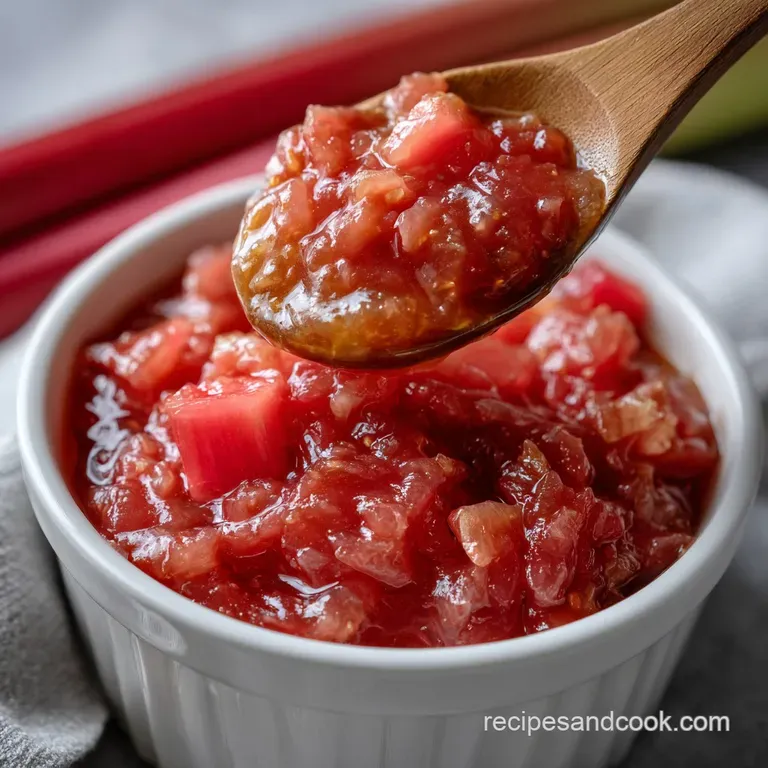
- The Spring Classic: Simple Stewed Rhubarb Sauce (Sweet & Tart Perfection)
- Achieving Ideal Sweetness and Texture: The Science of Rhubarb Breakdown
- Essential Ingredients for the Best Rhubarb Sauce
- Customizing Your Compote: Ingredient Swaps and Flavor Twists
- Step-by-Step: How to Cook Rhubarb Sauce in Under 30 Minutes
- Expert Tips and Troubleshooting Common Issues
- Proper Storage: Refrigerating, Freezing, and Canning Rhubarb Sauce
- Recipe FAQs
- 📝 Recipe Card
The Spring Classic: Simple Stewed Rhubarb Sauce (Sweet & Tart Perfection)
This simple Rhubarb Sauce is basically spring captured in a jar. Seriously, the aroma alone when that sugar starts dissolving and the rhubarb releases its juices is enough to make you completely ignore the dishes piling up in the sink.
It's vibrant pink, beautifully glossy, and offers that perfect sweet and tart snap that your palate craves after a long winter.
Forget complicated jam-making sessions involving massive kettles and sterilizing half your kitchen. This is a quick and dirty stovetop marvel. You can nail this incredibly easy Rhubarb Sauce recipe in 30 minutes flat, and it tastes a thousand times better than the sad, grey stuff they sell in tins.
It’s cheap, incredibly versatile, and requires almost zero skill.
Ready to stop buying the bland stuff and make the vibrant, properly tart version? We’re using minimal water and just enough sugar to let the natural flavour of the stalk truly shine. Let’s crack on and make the best homemade Rhubarb Sauce you’ll ever try.
Achieving Ideal Sweetness and Texture: The Science of Rhubarb Breakdown
This recipe works because we treat the rhubarb gently. It’s not about boiling the life out of it; it’s about a gentle simmer that coaxes the flavour out without turning it into an overly watery mess. We introduce the sugar and water right at the start, which creates a protective syrup layer.
The Classic Spring Flavour Profile
Rhubarb’s magic lies in its high acidity, primarily due to malic and oxalic acids. When you pair this sharp acidity with simple sugar and a tiny pinch of salt, you get that wonderfully balanced sweet and sour profile.
The lemon zest isn't just for perfume; it brightens the entire mixture, ensuring the finished Rhubarb Sauce tastes fresh, not heavy.
Why This Recipe is Better Than store-bought
Most commercial sauces rely on excessive sugar to mask the tartness or use artificial thickeners. My method uses barely any liquid, relying instead on the rhubarb’s own moisture and natural pectin content. This keeps the flavor incredibly clean, meaning you taste the rhubarb, not just the sugar.
What is the Difference Between Sauce and Compote?
Honestly? Not much, especially in a home kitchen. Typically, a sauce (or coulis ) is very smooth and strained, like the kind you drizzle over panna cotta. A compote is rustic; it’s chunkier, keeping some of the original fruit pieces intact.
This recipe lands right in the middle: a thick, luscious sauce with plenty of delightful chunks, making it perfect for spooning.
Controlling the Tartness Sweetness Ratio
Rhubarb picked later in the season (late spring/early summer) tends to be sharper than the pale, forced rhubarb of early spring. I recommend tasting a tiny piece of raw rhubarb first.
If it makes your eyes water, you may need an extra tablespoon of sugar, but always hold off on adding more until after the sauce has cooked.
The Role of Pectin in Thickening
Rhubarb is one of those fantastic fruits, like apples and citrus, that contains natural pectin. Pectin is a gelling agent. By simmering the rhubarb just until it breaks down, we activate this pectin, which is why the sauce thickens naturally as it cools. That resting period is crucial!
Cook Time vs. Consistency: Sauce vs. Jam
If you stop cooking when the rhubarb is still recognizable (about 10– 12 minutes), you have a perfect chunky compote. If you keep cooking and mash it gently (18– 20 minutes), you’ll release maximum pectin and liquid, resulting in a smoother, slightly thicker Rhubarb Sauce ideal for drizzling over pancakes or Hot Fudge Sauce: The Ultimate Black Forest Recipe .
Essential Ingredients for the Best Rhubarb Sauce
This recipe is beautifully minimal, relying on high-quality basics. If you stick to the ratio below, you can’t fail.
| Ingredient | Role | Substitution Tip |
|---|---|---|
| Rhubarb Stalks | The Star | Use frozen rhubarb (do not thaw) or substitute half the amount with sliced strawberries for a classic blend. |
| Granulated Sugar | Sweetness, Preservation | Try brown sugar for a subtle caramel note, or see below for liquid sweeteners. |
| Water | Starter Liquid | Can be swapped for orange juice for a citrus boost, or use dry white wine for a sophisticated edge. |
| Lemon Zest | Brightness | Skip the zest and add 1/2 tsp vanilla extract after cooking for a creamier flavour. |
| Salt | Flavour Enhancer | Don't skip this tiny pinch! It elevates the whole dish and makes the pink color pop. |
Customizing Your Compote: Ingredient Swaps and Flavor Twists
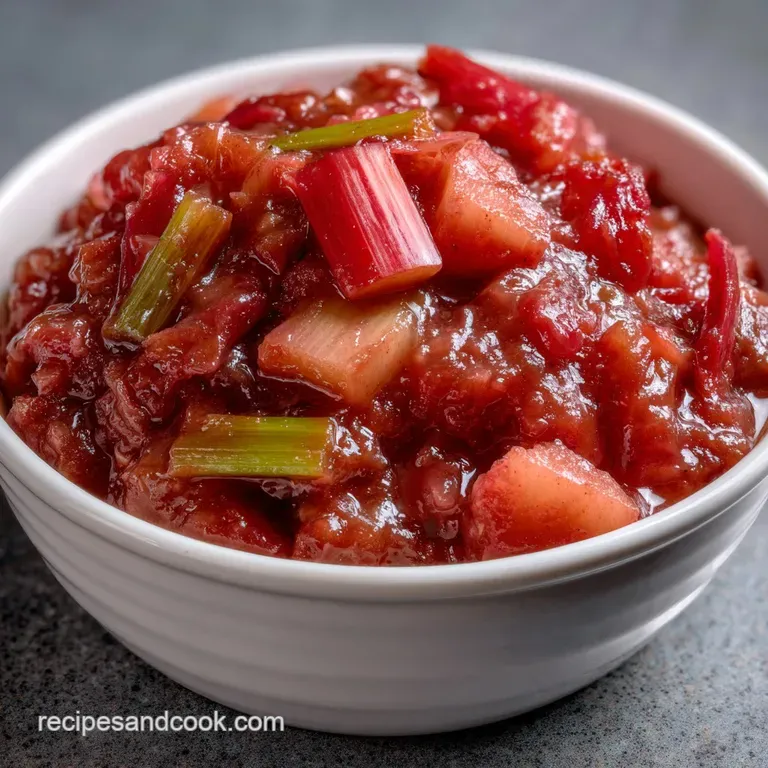
Selecting and Preparing Fresh Rhubarb Stalks
Always choose stalks that are firm and crisp, ideally with a vibrant red or deep pink hue. The green stalks taste exactly the same, but the colour payoff in your finished sauce won't be as dramatic. Remember the rule: toss the leaves , they are toxic!
Slice the stalks into uniform 1 inch pieces so they all break down evenly during cooking.
Sugar Options: White Sugar vs. Honey or Maple Syrup
If you want to make Rhubarb Sauce with honey , great! I suggest using about 1/4 cup (85g) of honey or 1/3 cup (80ml) of maple syrup. Crucially, add these liquid sweeteners towards the end of the cooking process, after the rhubarb has already started to soften.
This preserves the subtle flavour notes of the syrup.
Flavor Boosters: Vanilla and Citrus Zest
The lemon zest here acts as a high five to the rhubarb. But if you're making this specifically for something rich like filling a crumble or topping a cake vanilla is the way to go. Add 1/2 teaspoon of vanilla bean paste right after you remove the pan from the heat.
The heat from the residual steam will activate the vanilla perfectly.
Can I Use Frozen Rhubarb?
Absolutely, yes! Frozen rhubarb is a fantastic standby. You do not need to thaw it first. Just dump the frozen chunks right into the saucepan along with the sugar and water. You might need to extend the initial simmering time by about five minutes to account for the chill.
Adjusting the Recipe for Less Sugar
If you need a very tart sauce for a savoury dish say, a sharp accompaniment to a grilled fish like my Rockfish: Get the Perfect Crispy Sear with Brown Butter Sauce — you can reduce the sugar by up to 25%. Just be aware that less sugar means the sauce will not keep as long in the refrigerator.
Adding Secondary Fruits (e.g., Strawberry, Ginger)
The classic is Strawberry Rhubarb. If you use strawberries, add them during the last five minutes of simmering. They soften fast and if you add them too early, you end up with a pink sludge.
If you prefer a kick, add 1 tablespoon of finely minced fresh ginger root right at the beginning it’s amazing and makes this Rhubarb Sauce taste deeply complex.
step-by-step: How to Cook Rhubarb Sauce in Under 30 Minutes
Follow these steps exactly for a thick, vibrant, perfect Rhubarb Sauce .
- Prep the Rhubarb: Wash and trim 1 lb (450 g) of stalks, discarding any tough ends or leaves. Slice the stalks into uniform 1 inch (2.5 cm) pieces. Uniformity matters for even cooking!
- Combine Ingredients: Toss the chopped rhubarb, 1/2 cup sugar, 1/4 cup water, lemon zest, and that essential pinch of salt into your medium saucepan. Stir just once to coat.
- Bring to a Simmer: Set the pan over medium heat. You want the sugar to dissolve slowly as the mixture warms. After about five minutes, you’ll hear a slight bubbling and see a pink liquid forming.
- Stew the Rhubarb: Reduce the heat to low this is key for preventing scorching. Cover the pan loosely with a lid. Simmer for 10 to 15 minutes, stirring gently only once halfway through.
- Check for Doneness: The sauce is ready when the rhubarb pieces have collapsed and look translucent, creating a thick, syrupy liquid. If you prefer a baby food smooth texture, mash the pieces lightly against the side of the pan with a wooden spoon.
- Rest and Thicken: Remove the saucepan from the heat completely. Let the sauce sit, UNCOVERED, for 10 minutes. This allows residual steam to escape and activates the pectin, which helps it thicken dramatically as it cools.
- Taste and Adjust: Now is the time to taste! If your batch of rhubarb was extra tart, stir in one extra teaspoon of sugar at a time until you hit the perfect balance.
- Store: Let the Rhubarb Sauce cool to room temperature before transferring it to a clean jar or airtight container.
Expert Tips and Troubleshooting Common Issues
Preparing the Stalks: Trimming and Slicing Uniformly
The most common mistake is slicing the rhubarb haphazardly. If you have chunks that are 1 inch and pieces that are 3 inches, the small ones will turn to mush while the big ones remain hard. Take the extra minute to keep your cuts roughly the same size.
The Low and Slow Simmering Technique
High heat is your enemy here. If you boil the mixture aggressively, the sugar can burn, and the rhubarb pieces will break down too quickly, turning the whole thing watery instead of syrupy. Keep the heat low and gentle for that perfect stewed texture.
Achieving Desired Thickness (The Visual Cues)
When cooked, the liquid surrounding the rhubarb should look thick and glossy, not like thin pink water. If you scrape your spoon across the bottom of the pan and the liquid slowly flows back together (like lava!), you’re probably good.
Preventing Mushy or Stringy Results
Don't over stir! Stirring constantly breaks down the cell walls prematurely, releasing too much water and resulting in a mushy texture. Also, avoid cooking past the 20 minute mark unless you are deliberately making a very smooth purée.
What If My Sauce Is Too Runny?
Don't panic; this happens if your rhubarb was particularly wet. Simply take the lid off, raise the heat back to medium low, and let it simmer for another 5 to 10 minutes, stirring frequently near the end. This allows the excess moisture to evaporate while concentrating the flavor.
Do You Need to Peel Rhubarb?
No! Unless the outer layer of the rhubarb is extremely woody or damaged, you should not peel it. The peel is where the bulk of that beautiful pink or red color lives, and peeling results in a pale, less vibrant sauce.
Proper Storage: Refrigerating, Freezing, and Canning Rhubarb Sauce
This recipe makes a good sized batch, so knowing how to keep it fresh is essential!
Cooling Methods for Optimal Texture
As soon as the cooking process is done and you’ve rested it for 10 minutes, you need to cool the Rhubarb Sauce quickly. Transferring it immediately to a shallow container helps it cool faster and prevents it from getting mushy from residual heat.
Guide to Freezing for long term Storage
Does this freeze well? You bet it does. Homemade Rhubarb Sauce is fantastic for long term storage. Cool the sauce completely, then transfer it into freezer safe containers, leaving about an inch of headspace because liquids expand. It will keep beautifully for 6 to 8 months.
To reheat, just thaw overnight in the fridge and warm gently on the stove.
Shelf Life and Signs of Spoilage
Stored in an airtight container in the refrigerator, this Rhubarb Sauce keeps well for up to 10 days, thanks to the natural acidity and sugar content. Always look for bright color and smell for freshness. Any mould or bubbling means it’s time to toss it.
If you're looking into making a proper preserved food, this is a great base recipe for Rhubarb Sauce for canning (though you’d need a larger batch and proper canning protocols).
Serving Rhubarb Sauce with Savoury Dishes (Meats and Cheeses)
Don’t limit this to dessert! That tartness makes this sauce an ideal counterpoint to rich, fatty foods. Try a spoonful of chilled Rhubarb Sauce for pork or lamb, or serve it alongside a hearty cheese board.
It also tastes incredible next to seared salmon or that crispy rockfish I mentioned earlier.
Classic Dessert Applications (Ice Cream, Cake)
This is its natural home. Serve it warm over homemade vanilla ice cream, spoon it over cheesecake, or use it as a filling layer for a simple layer cake a Rhubarb Sauce cake is a phenomenal spring treat. For a truly indulgent experience, mix it with whipped cream for a simple "Fool."
Using Compote in Breakfast & Brunch Recipes
This sauce is the definition of a breakfast hero. Swirl it into a bowl of plain Greek yogurt for instant flavour, or spoon it hot over waffles and pancakes. It's also marvelous layered into parfaits with crunchy granola for an easy, bright start to the day.
Recipe FAQs
Do I need to peel the rhubarb stalks before making the sauce?
No, peeling is unnecessary and actually removes beneficial flavour compounds. A simple wash and trim of the dry, fibrous ends is sufficient preparation. The skin softens completely during the stewing process, helping the sauce achieve a nice, slightly stringy texture while contributing to the final pink colour.
My rhubarb sauce is too thin/watery. How do I fix the consistency?
If the sauce is overly watery, simply return it to low heat and let it simmer uncovered for an extra 5 to 10 minutes. This extended simmering time allows excess moisture to evaporate, naturally concentrating the flavour and thickening the sauce.
Alternatively, stir in a small slurry of cornstarch (1 teaspoon mixed with 2 teaspoons of cold water) and simmer gently until the sauce coats the back of a spoon.
How long does homemade rhubarb sauce last, and can I freeze it?
Stored in an airtight container in the refrigerator, rhubarb sauce will generally keep fresh for 7 to 10 days. It freezes exceptionally well; allow it to cool completely, then place it in freezer safe containers, ensuring you leave a little headspace for expansion.
Frozen sauce maintains peak quality for up to 6 months.
What spices or flavourings complement rhubarb best?
Rhubarb pairs beautifully with warming spices, such as a cinnamon stick added during cooking or a small pinch of ground ginger or cardamom. For a citrus note, add a strip of orange or lemon zest to the pot, or incorporate a teaspoon of quality vanilla extract once the sauce has been removed from the heat.
Can I use honey or sugar substitutes instead of granulated sugar?
Absolutely; you can substitute granulated sugar with liquid sweeteners like honey or maple syrup, though you may need to reduce the amount slightly as they are generally sweeter by volume.
For zero calorie alternatives, use stevia or monk fruit, adjusting according to the manufacturer's directions, ensuring you taste frequently to balance the rhubarb's tartness.
Why is my rhubarb sauce pale, and how can I get a more vibrant pink colour?
The final colour depends primarily on the variety of rhubarb used, as deep ruby red stalks yield the most vibrant sauce. If you are using greener stalks, you can enhance the colour naturally by adding a handful of diced fresh strawberries or a small piece of peeled beetroot during the stewing process.
This imparts a beautiful pink hue without affecting the characteristic tart flavour.
What are some unique ways to use rhubarb sauce besides dessert toppings?
Rhubarb sauce is excellent as a savory accompaniment, providing necessary acidity to cut through the richness of meats. Try serving it warm alongside fatty poultry like roast duck or turkey, or use it as a vibrant glaze for pork tenderloin.
It also mixes beautifully with gin or vodka to create a tangy, seasonal cocktail base.
Simple Stewed Rhubarb Sauce
Ingredients:
Instructions:
Nutrition Facts:
| Calories | 377 kcal |
|---|---|
| Protein | 0.0 g |
| Fat | 0.0 g |
| Carbs | 95.9 g |
