Classic Shrimp Scampi Recipe
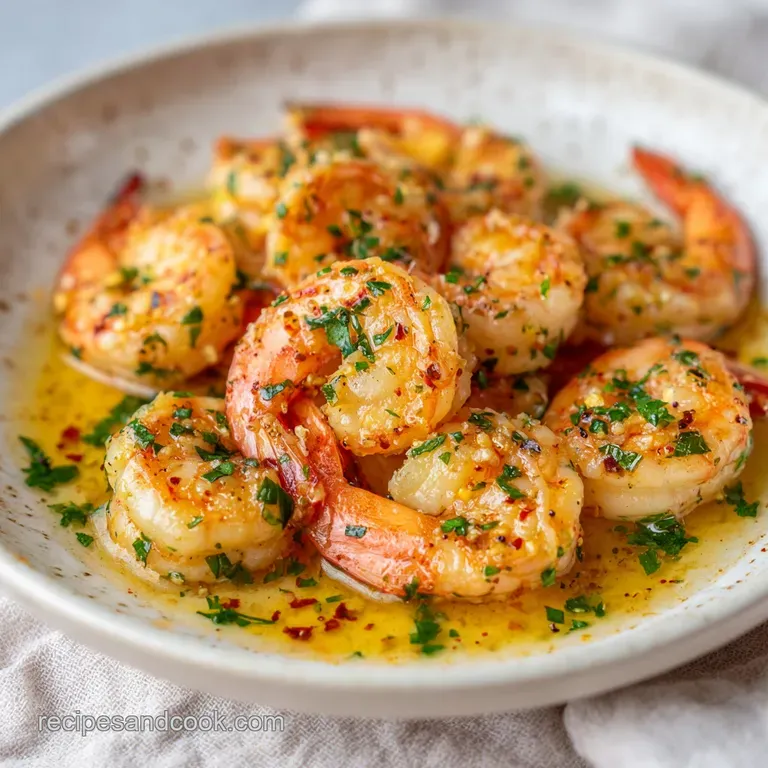
- Time: Active 10 mins, Passive 5 mins, Total 15 mins
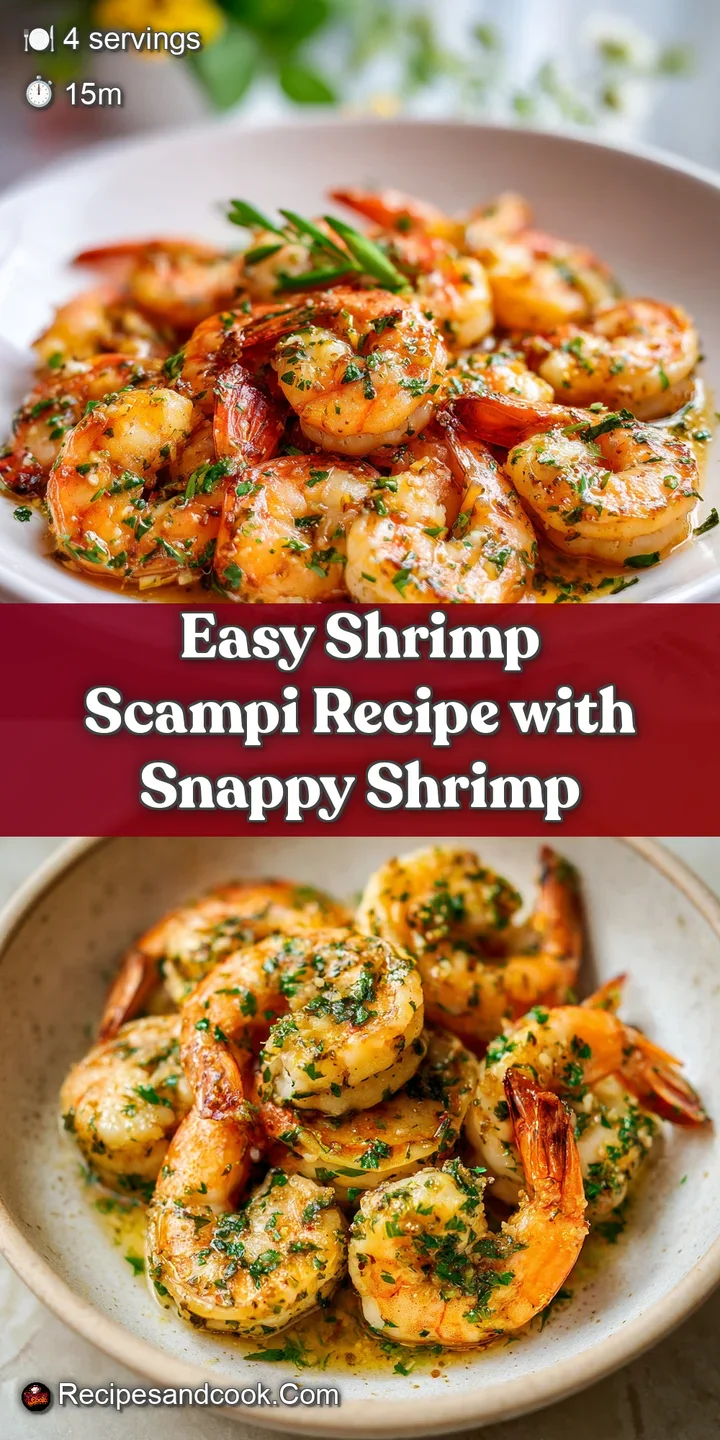
- Flavor/Texture Hook: Garlicky, buttery, and velvety with snappy shrimp
- Perfect for: Romantic dates, busy weeknights, or a budget-friendly festive dinner
- Timeless Comfort with This Iconic Shrimp Scampi
- Precise Timing for Perfect Results
- Elements for a Rich Sauce
- Tools for a Silky Finish
- Mastering the Quick Sizzle Method
- Solving Common Scampi Cooking Issues
- Budget Friendly Swaps and Twaps
- Storage and Reheating Tips
- The Best Serving Traditions
- Recipe FAQs
- 📝 Recipe Card
Timeless Comfort with This Iconic Shrimp Scampi
The first thing you notice isn't the sight of the dish, but that unmistakable sizzle of garlic hitting warm olive oil. It’s a sound that always takes me back to my grandmother’s kitchen on Sunday afternoons.
She didn’t have fancy equipment, just a heavy pan and a wooden spoon, but the way that aroma filled the house made every guest feel like royalty. I remember watching those silver cloves turn pale gold, smelling the sharp bite of the garlic mellowing into something sweet and inviting.
It’s a memory etched in butter and lemon zest.
We often think of seafood as a luxury reserved for high end bistros, but I’ve learned that the most satisfying meals are the ones we craft with simple, honest ingredients. This recipe is all about that balance. You get the richness of the butter, the acidity of the wine, and the heat of the red pepper flakes dancing together. It’s a dish that looks sophisticated enough for a New Year s recipe celebration, yet it’s practical enough to whip up when you’ve had a long day and just need a plate of comfort.
Trust me, I’ve made every mistake in the book from rubbery shrimp to a sauce that looks more like a pool of oil. But through those kitchen mishaps, I found the shortcuts that actually work without sacrificing that traditional soul. We’re going to focus on technique over expensive gear.
You don't need a massive budget to create a velvety, restaurant style sauce that clings to every strand of linguine. Let’s get into the details of how to make this magic happen in your own kitchen.
Precise Timing for Perfect Results
The pH Snap Secret: Adding a tiny bit of baking soda to the shrimp raises the pH level, which helps them retain moisture and develop a beautiful brown sear without overcooking. This ensures the texture remains bouncy and plump rather than mushy or shrunken.
- Cold Butter Emulsification: Whisking chilled butter into the hot wine reduction creates a stable, creamy sauce. The cold fat bonds with the liquid slowly, preventing the sauce from breaking into a greasy mess.
- Starch Bonding: Using a splash of pasta water introduces starch that acts as a bridge between the fats and the liquids. This creates a silky coating that actually sticks to the pasta.
- Aromatic Infusion: Slicing the garlic thinly instead of mincing it prevents burning while allowing the oil to pick up a deep, nutty essence.
| Thickness | Internal Temp | Rest Time | Visual Cue |
|---|---|---|---|
| Large Shrimp (16-20 ct) | 120°F (49°C) | 2 mins | Opaque and C shaped |
| Jumbo Shrimp (10-15 ct) | 125°F (52°C) | 3 mins | Pink edges, firm center |
| Small Shrimp (41-50 ct) | 115°F (46°C) | 1 min | Just turned white |
When you are looking for a true showstopper, you might consider pairing this with a steak for a Surf and Turf recipe. The key is the carryover heat. Shrimp are tiny, and they continue to cook long after they leave the pan. If you wait until they look completely finished in the skillet, they’ll be tough by the time you sit down to eat. Always pull them just a second before you think they’re ready.
Elements for a Rich Sauce
| Ingredient | Science Role | Pro Secret |
|---|---|---|
| Large Shrimp | Protein Base | Brine with baking soda for 10 mins to keep them juicy. |
| Dry White Wine | Acidic Solvent | Scrapes up the browned bits (fond) to build deep flavor. |
| Unsalted Butter | Fat & Emulsion | Keep it cold from the fridge to ensure a glossy, thickened finish. |
| Fresh Lemon | Brightness | Use zest for aroma and juice for a sharp flavor punch. |
The Essentials List
- 1 lb Large Shrimp (16-20 count): Peeled and deveined. Why this? Larger shrimp provide a better sear to meat ratio without drying out.
- Substitute: Frozen shrimp (thawed and patted very dry).
- 1/4 tsp Baking soda:Why this? Essential for that "snappy" texture you find in high end restaurants.
- Substitute: Can be omitted, but texture will be softer.
- 1/2 tsp Kosher salt: For seasoning and drawing out moisture during the brine.
- Substitute: Sea salt (use slightly less).
- 2 tbsp Extra virgin olive oil: The base for sautéing aromatics.
- Substitute: Grapeseed oil or any neutral over high heat oil.
- 5 cloves Garlic: Thinly sliced. Why this? Slicing provides a mellow flavor compared to the harshness of mincing.
- Substitute: 1 tsp garlic powder (add to the sauce, not the oil).
- 1 small Shallot: Finely minced for a subtle onion sweetness.
- Substitute: The white part of a green onion.
- 1/2 cup Dry white wine: Use something you’d actually drink, like Pinot Grigio.
- Substitute: Chicken broth with an extra squeeze of lemon.
- 2 tbsp Fresh lemon juice: To cut through the heavy butter.
- Substitute: 1 tbsp white wine vinegar.
- 4 tbsp Unsalted butter: Cubed and kept very cold.
- Substitute: Vegan butter sticks (ensure they are high fat).
- 1/4 tsp Red pepper flakes: For a gentle, warming background heat.
- Substitute: A pinch of cayenne pepper.
- 8 oz Linguine pasta: The classic vessel for this sauce.
- Substitute: Spaghetti or even zucchini noodles for a lighter option.
- 1/4 cup Fresh Italian parsley: Finely chopped for freshness.
- Substitute: Fresh basil or chives.
- 1 tsp Lemon zest: For that punchy citrus aroma.
- Substitute: Dried lemon peel (use half).
- 1/4 tsp Freshly cracked black pepper: To finish the dish with a bit of bite.
Tools for a Silky Finish
To get the best results, I always reach for a large stainless steel or cast iron skillet. You want a wide surface area so the shrimp can sear instead of steam. If you crowd them into a small pot, they’ll release their juices and boil, which is exactly what we want to avoid.
A sturdy whisk is also vital for the emulsification stage; it helps incorporate the cold butter into the wine reduction efficiently.
Don't forget a large pot for the linguine. Pasta needs plenty of room to dance in the boiling water so it doesn't clump together. I also keep a small measuring cup nearby to scoop out some of that "liquid gold" the starchy pasta water before draining.
It’s the secret ingredient that turns a thin liquid into a velvety sauce. Finally,, a microplane for the lemon zest makes a world of difference, as it avoids the bitter white pith.
Mastering the Quick Sizzle Method
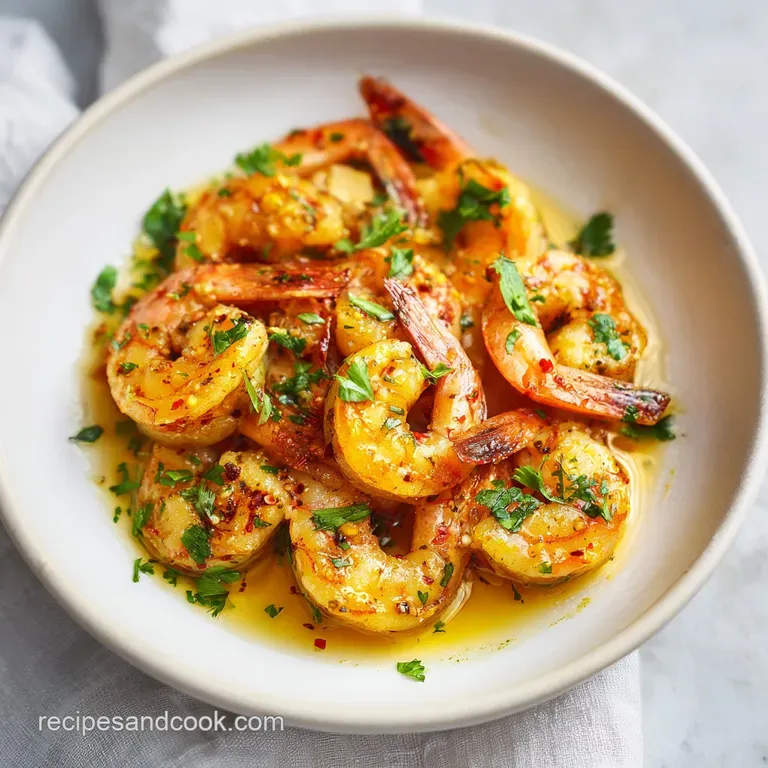
1. The Prep and Brine
Toss the 1 lb Large Shrimp with 1/4 tsp Baking soda and 1/2 tsp Kosher salt in a bowl. Note: This brief 10 minute rest ensures the shrimp stay plump during over high heat cooking. Set them aside while you boil the pasta water.
2. Cooking the Pasta
Boil the 8 oz Linguine in salted water until just shy of al dente. Cook until the pasta is flexible but still has a firm bite. Reserve 1/2 cup of the pasta water before draining the noodles.
3. Searing the Seafood
Heat 2 tbsp Extra virgin olive oil in your skillet over medium high heat. Add the shrimp in a single layer and cook for 1 minute per side until pink and opaque on the edges. Remove the shrimp from the pan and set them on a plate; they will finish cooking later.
4. Softening the Aromatics
Lower the heat to medium and add 5 cloves Garlic (sliced) and 1 small Shallot (minced) to the remaining oil. Cook for 2 minutes until the garlic is pale gold and fragrant. Do not let it turn dark brown, or it will taste bitter.
5. The Wine Reduction
Pour in 1/2 cup Dry white wine and 1/4 tsp Red pepper flakes. Scrape the bottom of the pan with a wooden spoon to release the flavor. Simmer until the liquid has reduced by half.
6. The Velvet Finish
Whisk in 2 tbsp Fresh lemon juice and the 4 tbsp Unsalted butter (one cube at a time). Note: Whisking cold butter into the reduction creates a thick, glossy emulsion. The sauce should look creamy and united.
7. Combining the Elements
Add the linguine and the seared shrimp back into the skillet. Pour in 2-3 tablespoons of the reserved pasta water. Toss everything together for 1 minute until the sauce coats every strand of pasta.
8. The Final Flourish
Turn off the heat and stir in 1/4 cup Fresh Italian parsley, 1 tsp Lemon zest, and 1/4 tsp Freshly cracked black pepper. Serve immediately while the sauce is still shimmering.
Solving Common Scampi Cooking Issues
Why Your Shrimp Is Tough
The most common heartbreak in this dish is rubbery shrimp. This usually happens because they were left in the pan too long. Remember, they are going back into the hot sauce at the very end, so they only need a quick sear initially. If you overcook them at the start, the final toss will turn them into little erasers.
If the Sauce Looks Oily
If your sauce looks like a layer of yellow oil sitting on top of the pasta, the emulsion has broken. This happens if the pan is too hot when you add the butter, or if you didn't whisk it in gradually. You can often save this by adding another tablespoon of starchy pasta water and whisking vigorously over low heat.
| Problem | Root Cause | Solution |
|---|---|---|
| Bitter Taste | Burnt Garlic | Sauté garlic on lower heat; add wine immediately if it turns too dark. |
| Thin, Watery Sauce | Not enough reduction | Let the wine simmer longer before adding butter/pasta water. |
| Mushy Pasta | Overboiled noodles | Pull pasta 2 mins early; it finishes cooking in the sauce. |
Common Mistakes Checklist
- ✓ Never skip the baking soda brine; it’s the difference between "okay" and "restaurant style" texture.
- ✓ Preheat your skillet for at least 2 minutes before the shrimp touch the pan to get a proper sear.
- ✓ Don't use "cooking wine" from the grocery aisle; the high salt content will ruin the balance.
- ✓ Pat the shrimp bone dry with paper towels before searing to prevent steaming.
- ✓ Always use fresh lemon; the bottled stuff lacks the essential oils needed for a bright aroma.
Budget Friendly Swaps and Twaps
If you are looking to save a few coins, you can easily adapt this classic. Frozen shrimp are often much cheaper than "fresh" (which are usually just thawed frozen shrimp anyway). Just make sure they are fully defrosted.
If you want to skip the wine, a good quality chicken stock with a little extra lemon juice works wonders. It won't have the same floral depth, but it’s still incredibly satisfying.
Chef's Tip: If you have a bottle of Marinade Sauce recipe in the fridge, a tiny teaspoon added to the butter can boost the savory notes if you’re skipping the wine.
| Original Ingredient | Substitute | Why It Works |
|---|---|---|
| Dry White Wine | Chicken Broth + Lemon | Provides acidity and saltiness. Note: Lacks the complex fruity notes of wine. |
| Shallots | Yellow Onion | Similar sweetness when finely minced and sautéed well. |
| Butter | Olive Oil (Total 4 tbsp) | Healthier fat profile. Note: Sauce will be thinner and less creamy. |
- If you want a spicy kick, add extra red pepper. Increase the flakes to 1/2 tsp and add a pinch of smoked paprika.
- If you want a low carb version, use zucchini. Swap the pasta for "zoodles" and toss them in at the very last second.
- If you want a crunchier texture, add breadcrumbs. Toasted panko with lemon zest on top adds a brilliant shatter to the dish.
Storage and Reheating Tips
Seafood is always best eaten right away, but if you have leftovers, they’ll stay good in an airtight container in the fridge for up to 2 days. I don't recommend freezing the assembled pasta dish, as the shrimp will become grainy and the sauce will separate when thawed.
However, you can freeze raw shrimp for up to 6 months.
When reheating, avoid the microwave at all costs! It will turn the shrimp into rubber. Instead, put the pasta in a small skillet with a splash of water or broth. Heat it over low heat, tossing constantly until it’s just warmed through. This helps "re emulsify" the butter sauce and keeps the seafood tender.
Zero Waste Tip: Don't throw away those shrimp shells! Throw them into a freezer bag. When you have enough, boil them with some onion scraps and water for 20 minutes to make a quick seafood stock for your next risotto or Daniel Fast Vegetable recipe soup base.
The Best Serving Traditions
I love serving this straight from the skillet in the middle of the table. It feels rustic and encourages everyone to dig in. A big loaf of crusty sourdough or French bread is non negotiable you need something to soak up every last drop of that liquid gold garlic butter. It’s the best part of the meal!
For a bit of contrast, a simple green salad with a sharp vinaigrette helps cut through the richness of the scampi. If you’re feeling festive, a chilled glass of the same white wine you used for the sauce is the perfect pairing.
It’s a timeless way to bring people together over a meal that feels like a hug in a bowl. Enjoy every bite!
| Method | Time | Texture | Best For |
|---|---|---|---|
| Stovetop Classic | 15 mins | Silky & Rich | Traditional dinner |
| Sheet Pan | 12 mins | Roasted & Charred | Hands off meal prep |
| Air Fryer | 8 mins | Extra Snappy | Quick lunch for one |
I've found that the sheet pan method is great for large groups, but you lose that gorgeous emulsified sauce that the stovetop provides. For me, the skillet is king every single time. It's the only way to get that velvety finish that makes this dish so iconic. Ready to get started?
Just remember: keep that butter cold and the garlic gold!
Recipe FAQs
What do they put in shrimp scampi?
Shrimp, garlic, butter, white wine, lemon, and parsley are essential components. The magic lies in emulsifying the rich butter with the acidic wine reduction to create a glossy sauce that clings to the pasta.
What is the main ingredient in scampi?
The main ingredient is, obviously, shrimp. Although the dish is named after scampi (a type of langoustine), modern American versions universally use large or jumbo shrimp as the primary protein.
What makes a scampi a scampi?
The signature is the heavy garlic and bright citrus flavor profile suspended in a rich, emulsified butter sauce. It distinguishes itself from other shrimp dishes by relying on wine reduction and butter to create the velvety texture, unlike cream based sauces found in dishes like shrimp alfredo.
What are some common mistakes to avoid when making shrimp scampi?
Avoid overcooking the shrimp and burning the garlic; these are the fastest ways to ruin the dish. Shrimp cook incredibly fast and will become rubbery if left in the pan too long, so always pull them slightly before they look done. If you master the heat control during the searing phase, you’ll have better results, similar to controlling the crust on our Orange Chicken recipe.
How do I ensure my shrimp stay snappy instead of rubbery?
Quickly brine the shrimp in a tiny amount of baking soda for 10 minutes before cooking. This raises the pH level slightly, helping the proteins retain moisture and develop a springy texture when seared rapidly.
Can I substitute chicken broth for the white wine in the sauce?
Yes, you absolutely can substitute chicken broth, but add extra acid. Use a good quality, low-sodium broth, then increase the fresh lemon juice by about half a teaspoon to compensate for the missing acidity that cooks off with the wine.
Is it true that pasta water is essential for the sauce to stick?
Yes, using starchy pasta water is crucial for achieving a cohesive sauce. The starch acts as a binding agent, helping the fats (butter/oil) fully emulsify with the liquids, preventing a separated, oily mess on your plate.
Shrimp Scampi In Minutes
Ingredients:
Instructions:
Nutrition Facts:
| Calories | 492 kcal |
|---|---|
| Protein | 28.4 g |
| Fat | 19.8 g |
| Carbs | 46.2 g |
| Fiber | 2.1 g |
| Sugar | 1.2 g |
| Sodium | 485 mg |
