Sheet Pan Steak Fajitas Recipe
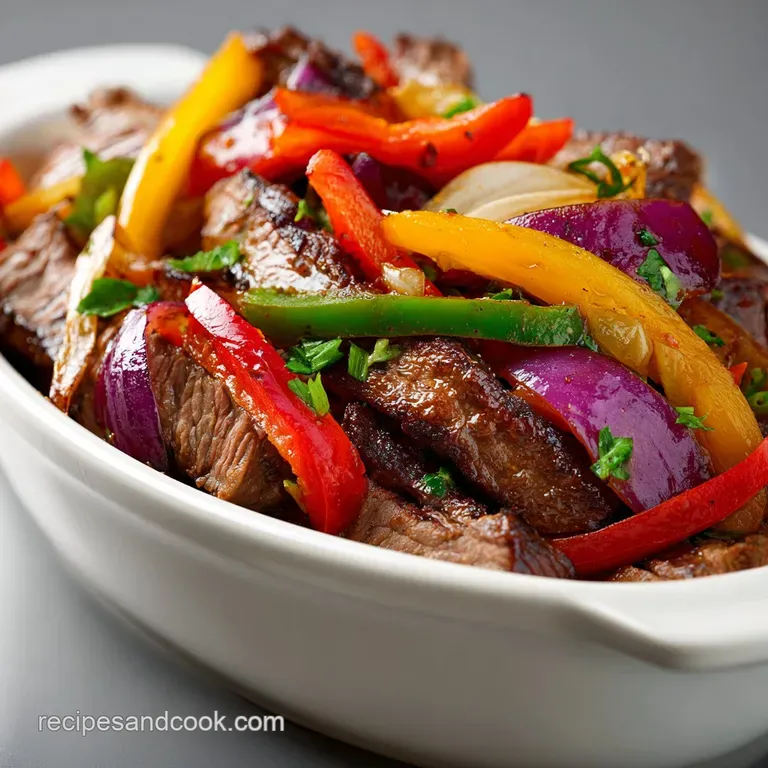
- Time: Active 15 mins, Passive 12 mins, Total 27 mins
- Flavor/Texture Hook: Smoky, charred, and velvety
- Perfect for: Weeknight dinner or effortless meal prep
- Mastering Bold Sheet Pan Steak Fajitas
- Vital Specs and Planning Guide
- Essential Components for Deep Flavor
- Kitchen Tools for Efficient Cooking
- Step-by-Step Method for Best Results
- Avoiding Common Kitchen Fajita Blunders
- Flavor Variations and Creative Twists
- Scaling the Recipe for Crowds
- Storage Methods and Reheating Tips
- Ideal Side Dishes and Pairings
- Recipe FAQs
- 📝 Recipe Card
Mastering Bold Sheet Pan Steak Fajitas
There is a specific sound that signals dinner in my house, and it is not a dinner bell. It is that distinctive, high pitched sizzle as the sheet pan slides out of the oven, the beef strips still bubbling in their own juices.
I remember the first time I tried this; I was so skeptical that a flat piece of metal could replicate the theatrical "fajita hiss" of a restaurant skillet. I had spent years dodging oil splatters on my stovetop, only to realize I could get that same charred, smoky finish just by utilizing the concentrated heat of a rimmed baking sheet.
The aroma of toasted cumin and smoked paprika usually hits the hallway before the timer even goes off. It is a nostalgic scent that reminds me of traditional Sunday roasts, but with a sharp, citrusy edge that feels much more modern.
We once tried making these during a power outage on a camping grill using a similar flat top method, but nothing beats the consistent, dry heat of a home oven. It’s the kind of meal that brings everyone to the kitchen island, warm tortillas in hand, ready to build their own masterpiece.
You are going to love how the lime juice works its magic here. It doesn't just add tang; it actually helps tenderize the flank steak so every bite is velvety rather than chewy. We have made every mistake in the book, from overcrowding the pan to slicing the meat the wrong way, but this method is the shortcut I swear by.
It’s timeless comfort food that respects your schedule.
Vital Specs and Planning Guide
The Thermodynamics of the Char: over High heat roasting at 230°C triggers the Maillard reaction across the entire surface of the meat simultaneously, rather than just where the steak touches a skillet.
This creates a uniform crust and prevents the vegetables from turning into a watery mess.
| Method | Time | Texture | Best For |
|---|---|---|---|
| Sheet Pan | 12 mins | Evenly charred veggies, tender beef | Busy weeknights & easy cleanup |
| Classic Skillet | 20 mins | Deeply seared spots, crunchy onions | Small batches & maximum crust |
| Slow Cooker | 6 hours | Shredded, very soft | Set and forget taco fillings |
This comparison shows why we lean toward the oven method. While a skillet gives you those dark, burnt edges some people crave, the sheet pan offers a more consistent texture across the whole batch. If you are used to the technique in my Pan Seared Ribeye recipe, you will notice that heat management is just as critical here to ensure the protein doesn't overcook while the peppers soften.
Essential Components for Deep Flavor
| Ingredient | Science Role | Pro Secret |
|---|---|---|
| Flank Steak | Long fiber protein | Slice against the grain to "pre chew" the fibers for tenderness. |
| Lime Juice | Acidic denaturant | Breaks down surface proteins, allowing spices to penetrate deeper into the meat. |
| Avocado Oil | High smoke point fat | Withstands 230°C without breaking down or smoking out your kitchen. |
Chef Tip: Freeze your flank steak for 20 minutes before slicing. This firms up the fat and muscle, allowing you to get those professional, thin 0.6 cm strips without the meat sliding around under your knife.
Kitchen Tools for Efficient Cooking
To get the best results, you need a heavy duty rimmed baking sheet. I prefer the half sheet size (about 33x45 cm) because it provides enough surface area for the air to circulate. If you use a glass 9x13 dish, the heat won't transfer fast enough, and you’ll end up with steamed beef rather than seared steak.
You’ll also want a sharp chef's knife and a large mixing bowl. I’ve found that tossing everything in a bowl first ensures the 1 tsp of smoked paprika and 1 tbsp of chili powder actually coat every single crevice.
If you just sprinkle the spices on the pan, you get "flavor patches" where some bites are spicy and others are bland. Trust me, the extra bowl is worth the 30 seconds of washing up.
If you enjoy the efficiency of one pan cooking, you might also like my Sheet Pan Frittata recipe, which uses similar heat distribution principles to get a flawless texture every time.
step-by-step Method for Best Results
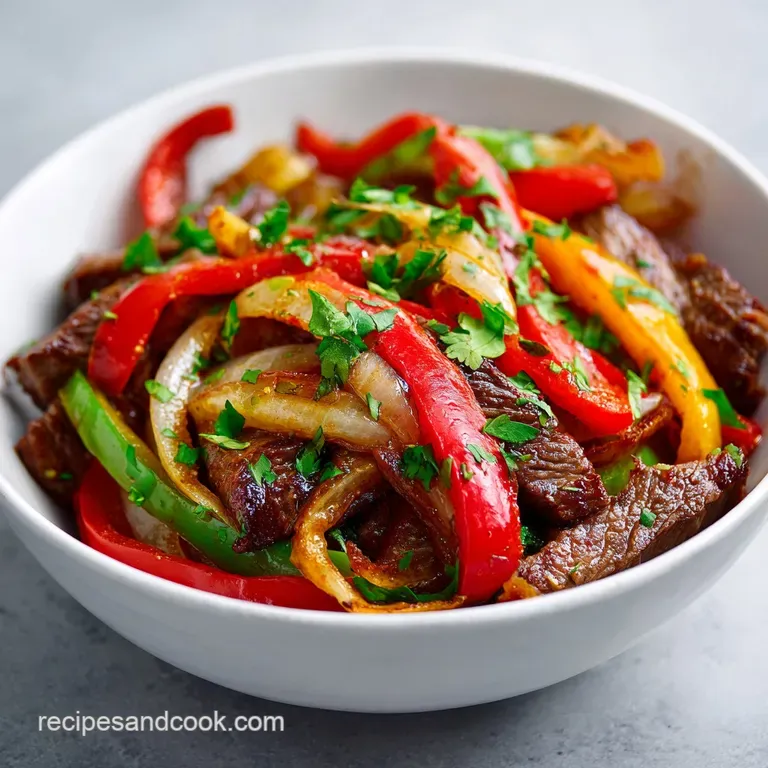
Phase 1 High Heat
- Preheat the oven. Set your rack to the upper middle position and crank the heat to 230°C. Note: This high temperature is vital for searing the meat quickly.
- Prep the steak. Slice 680g of flank steak into 0.6 cm strips, ensuring you cut across the natural grain of the meat.
- Slice the vegetables. Cut the 3 large bell peppers and the large red onion into strips of similar width to the steak.
- Mix the marinade. In a large bowl, whisk together 45 ml avocado oil, 30 ml lime juice, 1 tbsp chili powder, 1 tsp smoked paprika, 1 tsp ground cumin, 1/2 tsp garlic powder, 1 tsp kosher salt, and 1/2 tsp cracked black pepper.
- Coat the ingredients. Toss the steak, peppers, onions, and the slivered jalapeño into the bowl. Massage the marinade into the meat strips until they look glossy and fully coated.
- Arrange the pan. Spread the mixture onto the baking sheet in a single layer. Avoid overlapping pieces so the air can circulate.
Phase 2 The Sear
- Roast the fajitas. Place the pan in the oven and cook for 10 minutes. Wait until you hear the oil sizzling before checking on them.
- Apply the broil. Switch the oven to the "broil" setting for the final 2 minutes. Watch for the edges to darken and slightly char.
Phase 3 The Rest
- Rest the meat. Remove the pan from the oven and let it sit for 5 minutes. Note: This allows the juices to redistribute so they don't leak out when you bite into the taco.
- Serve immediately. Toss the ingredients gently on the pan to coat them in the residual juices before transferring to a platter.
Avoiding Common Kitchen Fajita Blunders
One mistake I once made was using a "low-fat" cooking spray instead of the 45 ml of avocado oil. The steak came out grey and lackluster. You need that fat to conduct the heat and create that velvety mouthfeel we associate with traditional Mexican street food.
Stop Soggy Vegetable Syndrome
Soggy vegetables usually happen because of moisture trap. If you wash your peppers and don't dry them completely, that extra water turns to steam. The same happens if the red onion wedges are too thick; they release water slowly rather than caramelizing.
| Problem | Root Cause | Solution |
|---|---|---|
| Tough Steak | Sliced with the grain | Slice against the grain to shorten muscle fibers. |
| Grey Meat | Oven temp too low | Ensure oven reaches 230°C before the pan goes in. |
| Bland Flavor | Salted too late | Mix salt into the marinade so it can penetrate the protein. |
Checklist for a flawless tray:
- ✓ Pat the steak strips dry with a paper towel before marinating.
- ✓ Use a metal sheet pan, never a ceramic or glass dish.
- ✓ Ensure the oven is fully preheated for at least 15 minutes.
- ✓ Don't skip the 5 minute rest period after cooking.
- ✓ Slice the peppers and onions to the same thickness as the beef.
Flavor Variations and Creative Twists
If you want to move away from the traditional flavor profile, you can easily adapt this base. For a smoky chipotle twist, swap the smoked paprika for a tablespoon of adobo sauce from a can of chipotle peppers. It adds a deep, lingering heat that pairs beautifully with a dollop of sour cream.
Low Carb Keto Swap Ideas
For those avoiding corn or flour tortillas, this recipe is naturally keto friendly. Serve the steak and peppers over a bed of shredded romaine lettuce or inside large butter lettuce leaves. You can also toss in some sliced mushrooms for extra earthiness without adding significant carbs.
Ultimate Flavor Balance Guide
If you find the steak a bit too heavy, increase the lime juice by another 15 ml or add a handful of chopped fresh cilantro right before serving. The brightness of the herbs cuts through the richness of the flank steak fat. This balance of acid and fat is a trick I learned from making the Legendary Sandwiches For recipe, where the condiments do the heavy lifting.
Scaling the Recipe for Crowds
Downscaling (2 Servings): Cut the ingredients in half, but keep the oven temperature at 230°C. You may need to reduce the cook time by 2-3 minutes because the smaller volume of food will heat up faster on the pan.
Upscaling (8 Servings): Do not try to fit everything on one sheet pan. You must use two separate pans and rotate them halfway through the cooking time. If you crowd one pan, the meat will boil in its own juices and you will lose that essential sear.
Keep the spices at 1.5x the original amount rather than doubling them to avoid an overwhelming saltiness.
Storage Methods and Reheating Tips
Storage: Keep leftovers in an airtight container in the fridge for up to 3 days. This recipe actually tastes better the next day as the spices have more time to meld. You can also freeze the cooked mixture for up to 2 months, though the peppers will lose some of their crispness upon thawing.
Zero Waste: Don't throw away the "pan sauce" that flavorful liquid left on the sheet pan. Scrape it into a small jar and use it to flavor rice or drizzle it over a salad the next day.
If you have leftover steak strips, they make an incredible topping for a breakfast hash or a filling for a morning omelet.
Reheating: Avoid the microwave if possible, as it turns the flank steak rubbery. Instead, toss the leftovers back onto a sheet pan and heat in a 200°C oven for 5 minutes, or quickly flash fry them in a hot skillet for 2 minutes to revive the charred edges.
Ideal Side Dishes and Pairings
To round out the meal, I always serve these with warm tortillas corn for authenticity or flour for that soft, pillowy comfort. A side of Mexican street corn (elote) or a simple black bean salad provides the textural contrast you need.
For the drink pairing, a cold lager with a lime wedge is the timeless choice. If you are feeling fancy, a hibiscus iced tea adds a floral sweetness that balances the cumin and chili powder perfectly.
No matter how you serve it, the goal is to get that sheet pan to the center of the table and let everyone dig in while it's still sizzling.
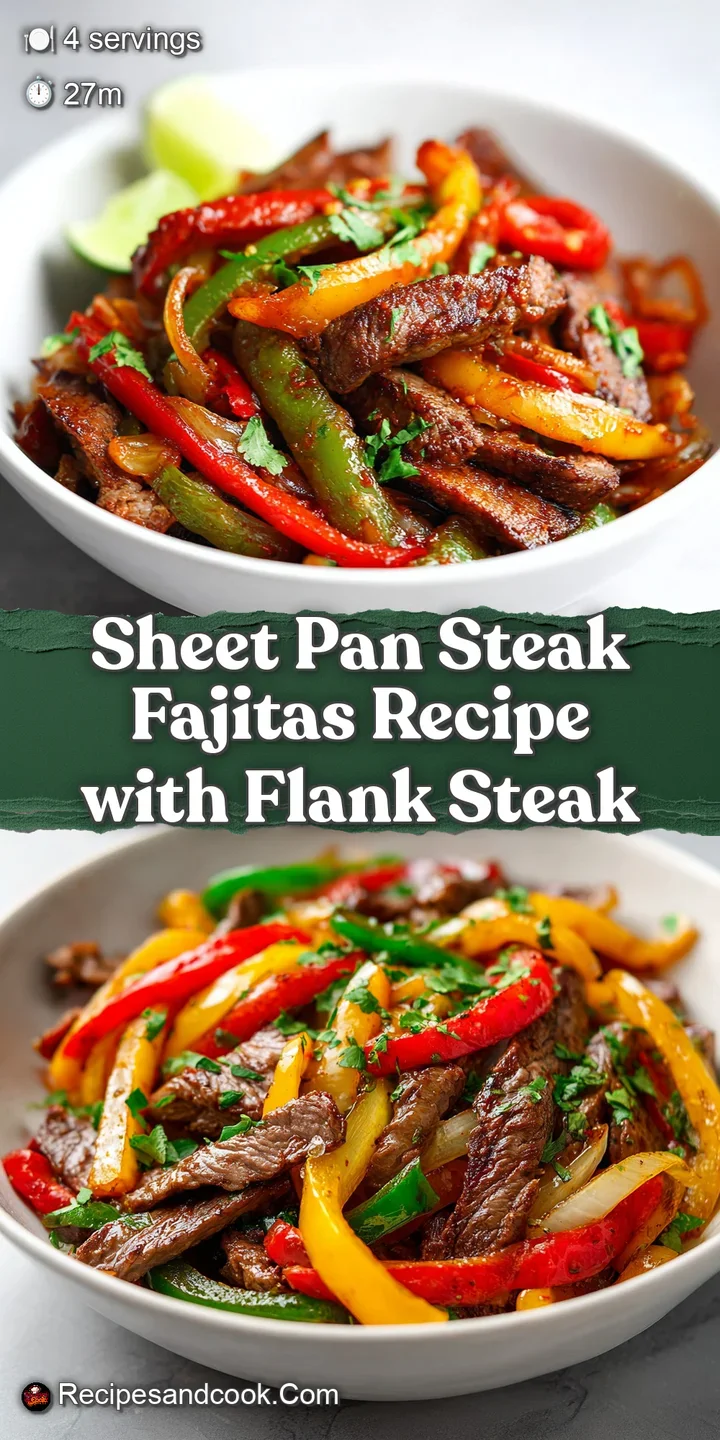
Recipe FAQs
What temperature do you cook fajitas on a sheet pan?
Use a high temperature, typically 230°C (450°F). This high heat mimics the searing action of a cast iron skillet, ensuring the vegetables char quickly and the steak develops a good crust before drying out.
What steak to use for sheet pan fajitas?
Flank steak or skirt steak are the best cuts for this method. These thin, flavorful cuts cook very fast on a sheet pan, and slicing them thinly against the grain ensures they remain tender after roasting.
Can I cook steak fajitas in the oven?
Yes, the oven is the primary cooking method for sheet pan fajitas. Spreading the ingredients onto a single layer on a rimmed baking sheet allows for maximum exposure to the oven's intense dry heat, achieving char without stirring.
How long to cook beef fajitas in the oven at 400 degrees?
Bake for approximately 10 to 12 minutes total at 200°C (400°F). Start with 10 minutes, then switch to the broiler for the final 1-2 minutes to achieve the characteristic char on the edges.
Why do my sheet pan fajitas taste steamed instead of seared?
You likely overcrowded the pan or your oven wasn't hot enough. The pan must be loaded in a single layer to allow moisture to evaporate quickly, similar to how high heat prevents weeping when making a [Pan Seared Ribeye recipe].
Should I slice the vegetables before or after marinating the steak?
Slice the vegetables and steak, then marinate everything together. Tossing them simultaneously ensures the spices evenly coat the meat and the peppers absorb some of the acid and oil from the marinade for even flavor distribution.
What is the secret to ensuring the flank steak is not tough?
The secret lies in slicing against the muscle grain after a brief rest. Slice the cooked steak thinly across the grain immediately after letting it rest for 5 minutes post oven to maximize tenderness.
Sheet Pan Steak Fajitas
Ingredients:
Instructions:
Nutrition Facts:
| Calories | 425 calories |
|---|---|
| Protein | 37.2 g |
| Fat | 24.1 g |
| Carbs | 12.4 g |
| Fiber | 3.2 g |
| Sugar | 5.1 g |
| Sodium | 610 mg |
