Sheet Pan Frittata: Velvety Custard
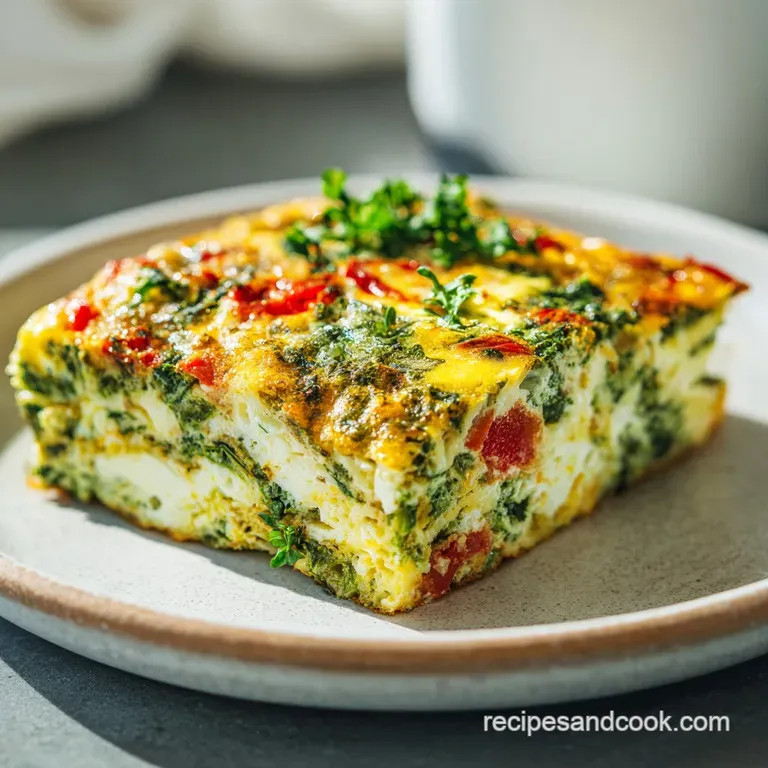
- Time: Active 15 minutes, Passive 25 minutes, Total 40 minutes
- Flavor/Texture Hook: Velvety custard interior with golden, roasted edges
- Perfect for: Weekend brunch, meal prep, or effortless family breakfasts
- The Secret to Stress Free Brunch with My Sheet Pan Frittata
- The Physics of the Perfect Custard Matrix
- Precision Benchmarks for Golden Results
- A Component Analysis of the Humble Sheet Pan Frittata
- Selecting Your Elements for the Ultimate Sheet Pan Frittata
- Essential Tools for a Golden and Fluffy Sheet Pan Bake
- The Reliable Steps to Achieve a Flawless Sheet Pan Frittata
- How to Fix Common Problems for a Velvety Finish
- Adjusting Your Recipe for Crowds or Quiet Mornings
- Debunking the Biggest Misconceptions About Baking Large Format Eggs
- Keeping Your Sheet Pan Frittata Fresh and Using Every Scrap
- Perfect Pairings to Round Out Your Traditional Breakfast Spread
- Recipe FAQs
- 📝 Recipe Card
The Secret to Stress Free Brunch with My Sheet Pan Frittata
I’ll never forget the Sunday morning I tried to play "short order cook" for eight hungry friends. I had four different pans going, sweat was dripping down my neck, and by the time I served the last omelet, the first person’s plate was stone cold. It was a disaster, honestly.
I felt like I had run a marathon before I even had my first cup of coffee. That was the day I swore off individual eggs for groups forever and started experimenting with the beauty of the sheet pan.
The first time the aroma of roasting Yukon Golds and smoked paprika filled my kitchen, I knew I was onto something. When I finally pulled that tray out, seeing the way the eggs had puffed up into a golden, shimmering cloud, I realized the "traditional" stovetop method was just making my life harder.
This recipe is my love letter to slow mornings where you actually get to sit down with your favorite people instead of hovering over a spatula.
We’re going for a texture that is impossibly velvety, not that rubbery, spongy mess you sometimes get at hotel buffets. The trick is all in the moisture balance and the way we layer the flavors.
You get the crunch of the roasted potatoes, the sweetness of the red onion, and those little pockets of salty feta that just melt into the egg. Trust me on this: once you see how easy it is to slice this into neat squares, you’ll never go back to the flipping struggle again.
The Physics of the Perfect Custard Matrix
Protein Cushioning: Cottage cheese acts as a buffer, preventing the egg proteins from bonding too tightly (denaturing), which keeps the texture silky instead of rubbery.
The Maillard Foundation: Roasting the potatoes and peppers at a high initial heat creates a caramelized exterior that provides structural integrity and a savory depth to the base.
Steam Injected Lift: The water content in the whole milk and cottage cheese creates tiny pockets of steam as it hits the hot oven, resulting in a lighter, more airy crumb.
Carryover Completion: The thin profile of the sheet pan allows for rapid heat transfer, but the eggs finish cooking through residual heat, ensuring the center stays moist.
| Cooking Style | Time Required | Effort Level | Texture Result |
|---|---|---|---|
| Classic Skillet | 15 minutes | High (flipping) | Dense and browned |
| Sheet Pan Frittata | 40 minutes | Low (hands off) | Fluffy and uniform |
| Individual Omelets | 5 mins per person | Exhausting | Variable quality |
Using a sheet pan isn't just about quantity; it’s about control. Because the surface area is so large, the heat distributes evenly, meaning you don't end up with a burnt bottom and a raw top. It’s a brilliant way to ensure every single bite is exactly as good as the last.
Precision Benchmarks for Golden Results
To get this right every single time, you need to keep a few specific numbers in mind. Cooking is an art, but baking eggs is definitely a bit of a science. If your potatoes are too big, they'll be crunchy (and not in a good way). If your oven is too cool, the eggs will weep moisture and turn out soggy.
We are aiming for a 375°F oven because it’s the "sweet spot" for both roasting the vegetables and setting the eggs without scorching the delicate proteins.
You want those 1/2 inch cubes of Yukon Gold potatoes to be tender enough to smash with a fork but firm enough to hold their shape when you pour the egg mixture over them.
Chef's Tip: Use a heavy duty, rimmed half sheet pan (usually 18x13 inches). If you use a thin, flimsy pan, it might warp in the high heat, causing your egg mixture to pool in one corner and cook unevenly.
A Component Analysis of the Humble Sheet Pan Frittata
| Component | Science Role | Pro Secret |
|---|---|---|
| Large Eggs (12) | Structural Binder | Use room temperature eggs for a faster, more even rise in the oven. |
| Cottage Cheese (1 cup) | Moisture Reservoir | Full fat is non negotiable for that creamy, melt in-the mouth "custard" feel. |
| Yukon Gold Potatoes | Starch Foundation | These hold their shape better than Russets and offer a naturally buttery flavor. |
| Smoked Paprika | Flavor Catalyst | Adds a "hidden" grilled depth that makes the vegetables taste like they came off a BBQ. |
The combination of the fat from the cottage cheese and the structure of the 12 eggs creates a matrix that is surprisingly sturdy. This makes it perfect for those who want to use leftovers for breakfast sandwiches later in the week.
Selecting Your Elements for the Ultimate Sheet Pan Frittata
To make this timeless comfort dish, you’ll need a handful of fresh ingredients that work together to create a balanced bite. I've listed the essential items below along with some swaps I've tried when my pantry was looking a bit bare.
- 2 cups Yukon Gold potatoes, diced: Why this? They have a creamy texture that stays soft even after the second bake. (Sub: Red bliss potatoes)
- 1 large red bell pepper, diced: Why this? Adds a pop of sweetness and vibrant color to the tray. (Sub: Yellow or orange bell pepper)
- 0.5 medium red onion, thinly sliced: Why this? Slicing them thin allows them to caramelize quickly during the roasting phase. (Sub: Shallots or yellow onion)
- 12 large eggs: Why this? The perfect volume to fill a standard half sheet pan without overflowing. (Sub: 3 cups liquid egg whites for a leaner version)
- 1 cup full fat cottage cheese: Why this? The secret to the texture; it melts into the eggs invisibly. (Sub: Ricotta cheese for a slightly grainier, richer finish)
- 0.25 cup whole milk: Why this? Provides just enough liquid to thin the eggs for even pouring. (Sub: Heavy cream for extra decadence)
- 2 cups baby spinach, chopped: Why this? Adds earthiness and essential greens without overpowering the dish. (Sub: Finely chopped kale or Swiss chard)
- 0.5 cup feta cheese, crumbled: Why this? Gives you those salty, tangy hits that cut through the richness. (Sub: Goat cheese or sharp white cheddar)
If you’re a fan of one pan wonders that make the most of your oven time, you should also try my Sheet Pan Potatoes recipe for a side dish that uses very similar roasting techniques.
Essential Tools for a Golden and Fluffy Sheet Pan Bake
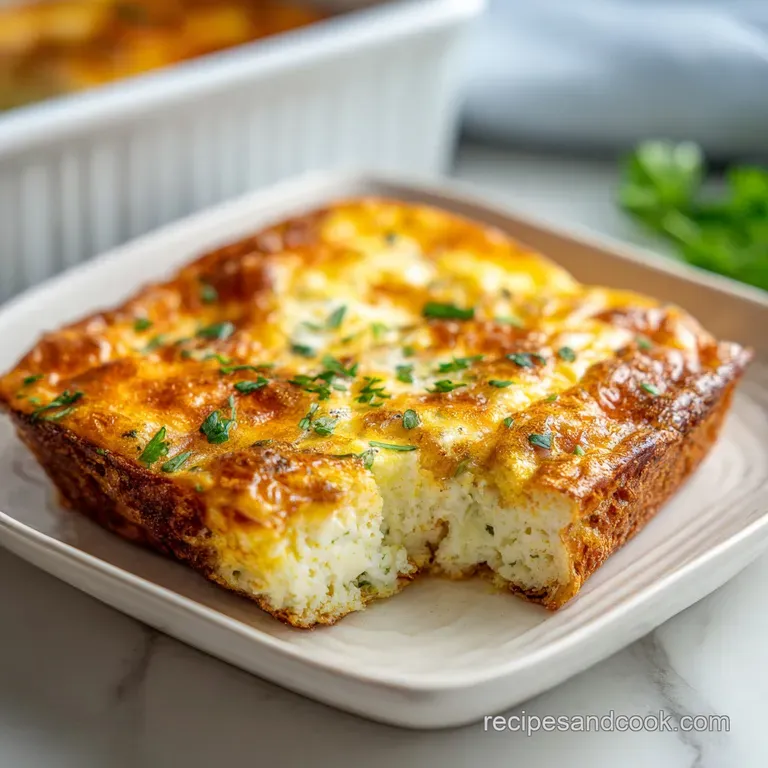
You don't need a kitchen full of gadgets for this, which is why I love it. We are sticking to the basics here. A good rimmed sheet pan is your primary tool. Make sure it has at least a 1 inch rim so you don't end up with egg all over the bottom of your oven.
You'll also need a large mixing bowl and a sturdy whisk. When you're whisking 12 eggs, you want something that can really incorporate air. I also recommend a piece of parchment paper.
While you can grease the pan with oil, parchment paper is a "cheat code" for ensuring you can lift the squares out perfectly without a single bit of that velvety egg sticking to the metal.
The Reliable Steps to Achieve a Flawless Sheet Pan Frittata
1. The Foundation Roast
Preheat your oven to 375°F. Toss the 2 cups of diced potatoes, 1 diced red bell pepper, and 0.5 sliced red onion directly on the sheet pan with 2 tbsp olive oil, 0.5 tsp salt, and 0.5 tsp black pepper.
Roast for 15 minutes until the potatoes are just starting to turn golden and the peppers have softened. Note: This initial roast ensures the vegetables are fully cooked before the eggs set.
2. The Master Whisk
While the veggies roast, crack 12 eggs into a large bowl. Add 1 cup cottage cheese, 0.25 cup whole milk, 1 tsp garlic powder, and 0.5 tsp smoked paprika. Whisk vigorously for 2 minutes until the mixture is uniform and slightly bubbly on top.
Note: The cottage cheese will look lumpy, but it will melt beautifully in the oven.
3. The Assembly
Remove the hot pan from the oven. Carefully scatter the 2 cups of chopped baby spinach over the roasted vegetables. The heat from the pan will start to wilt the spinach immediately. Pour the egg mixture over the top, using a spatula to ensure the eggs reach all four corners of the pan.
4. The Finishing Touches
Sprinkle 0.5 cup of crumbled feta cheese evenly over the liquid eggs. I like to be strategic here, making sure every future square gets a good amount of cheese. Don't stir the mixture; you want the layers to stay distinct for the best texture.
5. The Golden Bake
Slide the pan back into the oven. Bake for 15-20 minutes until the center is set and no longer jiggles when you gently shake the pan. The edges should be slightly puffed and a beautiful light gold.
Note: If the center still looks wet, give it another 2 minutes.
6. The Rest Period
Remove the pan from the oven and let it sit on the counter for 5 minutes. Letting it rest prevents the eggs from weeping and makes it much easier to cut into clean, sharp squares.
7. The Final Garnish
Sprinkle the 2 tbsp of finely chopped fresh chives over the top while the frittata is still warm. The residual heat will wake up the oils in the chives, giving you a fresh, oniony aroma just before serving.
8. Serving the Squares
Using a sharp knife or even a pizza cutter (my favorite shortcut!), slice the frittata into 8 large portions. For a heartier meal, I often serve this alongside a Pan Seared Ribeye recipe if I'm doing a "steak and eggs" style brunch.
How to Fix Common Problems for a Velvety Finish
One of the biggest heartbreaks is pulling a tray out and finding a puddle of water in the corner. This usually happens because of the spinach or the cottage cheese. If you notice your frittata looks a bit "weepy," it’s often because the vegetables weren't roasted enough to cook off their internal moisture.
Another issue is a rubbery texture. This is almost always caused by overcooking. Eggs are delicate! The second they stop jiggling in the center, they are done. They will continue to cook for a few minutes once they are out of the oven, so don't wait for them to look bone dry before you pull them.
To Fix a Watery Frittata
If you find excess liquid after baking, it's likely the spinach wasn't dried well after washing. You can carefully blot the surface with a paper towel. Next time, ensure your vegetables are roasted until the moisture has visibly evaporated on the pan.
To Prevent Rubbery Texture
If your egg feels like a bouncy ball, you've likely gone too long in the oven or used low-fat dairy. The fat in the cottage cheese and whole milk is what keeps those protein strands from tightening into a rubbery mess. Always stick to full fat for the best mouthfeel.
| Problem | Root Cause | Solution |
|---|---|---|
| Soggy bottom | Vegetables released water after eggs were added | Roast veggies until edges are browned before adding eggs |
| Flat and dense | Not enough air incorporated into the eggs | Whisk the egg mixture until frothy before pouring |
| Stuck to the pan | Not enough oil or no parchment paper used | Use a silicone mat or high-quality parchment paper for easy release |
Common Mistakes Checklist
- ✓ Ensure the potatoes are cut into uniform 1/2 inch cubes so they cook at the same rate.
- ✓ Never skip the 5 minute rest after baking; it allows the structure to firm up.
- ✓ Whisk the cottage cheese into the eggs thoroughly to avoid large white clumps.
- ✓ Use room temperature eggs to prevent the oven temperature from dropping too sharply.
- ✓ Don't overcrowd the pan with extra watery veggies like mushrooms without sautéing them first.
Adjusting Your Recipe for Crowds or Quiet Mornings
If you are cooking for a massive party, you can actually double this recipe and use two separate sheet pans. Just be sure to rotate them halfway through the baking time (move the top one to the bottom and vice versa) to ensure they both get that even, golden finish.
You might need to add about 5 minutes to the total bake time because the oven will be working harder to stay at temp.
Scaling down is just as easy. If it's just two of you, use a quarter sheet pan (9x13 inches). You'll want to cut all the ingredients exactly in half. Since the layer of egg will be roughly the same thickness, the cooking time doesn't actually change much maybe check it 3 minutes earlier than the full recipe.
| Servings | Egg Count | Pan Size | Cook Time (Eggs) |
|---|---|---|---|
| 4 People | 6 Eggs | 9x13 inch | 15-18 mins |
| 8 People | 12 Eggs | 18x13 inch | 18-22 mins |
| 16 People | 24 Eggs | Two 18x13 inch | 22-25 mins |
When you're scaling up, remember that the spices can get overwhelming if you just double them blindly. I usually do 1.5x the salt and paprika for a double batch and then taste the roasted veggies before adding the eggs. You can always add a pinch more at the end!
Debunking the Biggest Misconceptions About Baking Large Format Eggs
One myth I hear all the time is that you must sauté every vegetable on the stove first. Honestly, that's just extra dishes. The sheet pan is hot enough to roast the potatoes and peppers perfectly.
By roasting them on the same pan you'll use for the eggs, you're also trapping all those flavorful browned bits (the fond) right under your frittata.
Another big one is that cottage cheese will make the frittata taste like, well, cottage cheese. I promise you, once it's baked, the curds melt and incorporate into the egg. You won't see them, and you won't taste them as a separate entity.
What you will notice is a rich, creamy texture that feels much more expensive than it actually is.
Finally,, people think you can't freeze eggs. This sheet pan frittata is actually a meal prep hero. Because of the fat content we’ve added, it holds up beautifully to being frozen and reheated. It doesn't get that "weepy" texture that plain scrambled eggs get.
Keeping Your Sheet Pan Frittata Fresh and Using Every Scrap
Storage: This frittata stays fresh in an airtight container in the fridge for up to 4 days. It’s actually one of my favorite "desk lunches" because it tastes great even at room temperature. If you want it warm, just pop a square in the microwave for 45-60 seconds.
Freezing: Slice the cooled frittata into squares and wrap each one individually in plastic wrap, then place them in a freezer bag. They’ll last for up to 2 months.
To reheat, I recommend using a toaster oven at 350°F for about 10 minutes; it helps revive that roasted texture on the potatoes.
Zero Waste: If you have small scraps or broken pieces left over, don't throw them away! I love to chop them up and toss them into a warm tortilla with some salsa for a 2 minute breakfast taco. You can also dice the leftovers and stir them into a Cheesy Cheeseburger Casserole recipe if you want to add an extra boost of protein and veggies to your dinner.
Perfect Pairings to Round Out Your Traditional Breakfast Spread
To turn this into a full "bistro style" experience, I love serving a square of frittata alongside a simple arugula salad tossed with lemon juice and olive oil. The peppery bite of the greens cuts right through the richness of the eggs and feta. It makes the whole meal feel light and sophisticated.
If you’re hosting a big family brunch, this also pairs beautifully with some crispy bacon or breakfast sausage. Because the frittata has all the veggies and starch built in, you really only need a side of fruit or protein to call it a complete meal.
It’s a timeless comfort dish that brings people together without keeping the host trapped in the kitchen.
For those who love a bit of a crunch, try serving this with a side of toasted sourdough. You can even smash a square of the frittata onto the toast for a gourmet breakfast sandwich. If you’re looking for more inspiration for easy, crowd pleasing meals, my Chicken Vegetable Casserole recipe is another fantastic way to feed a group with minimal tools and maximum flavor.
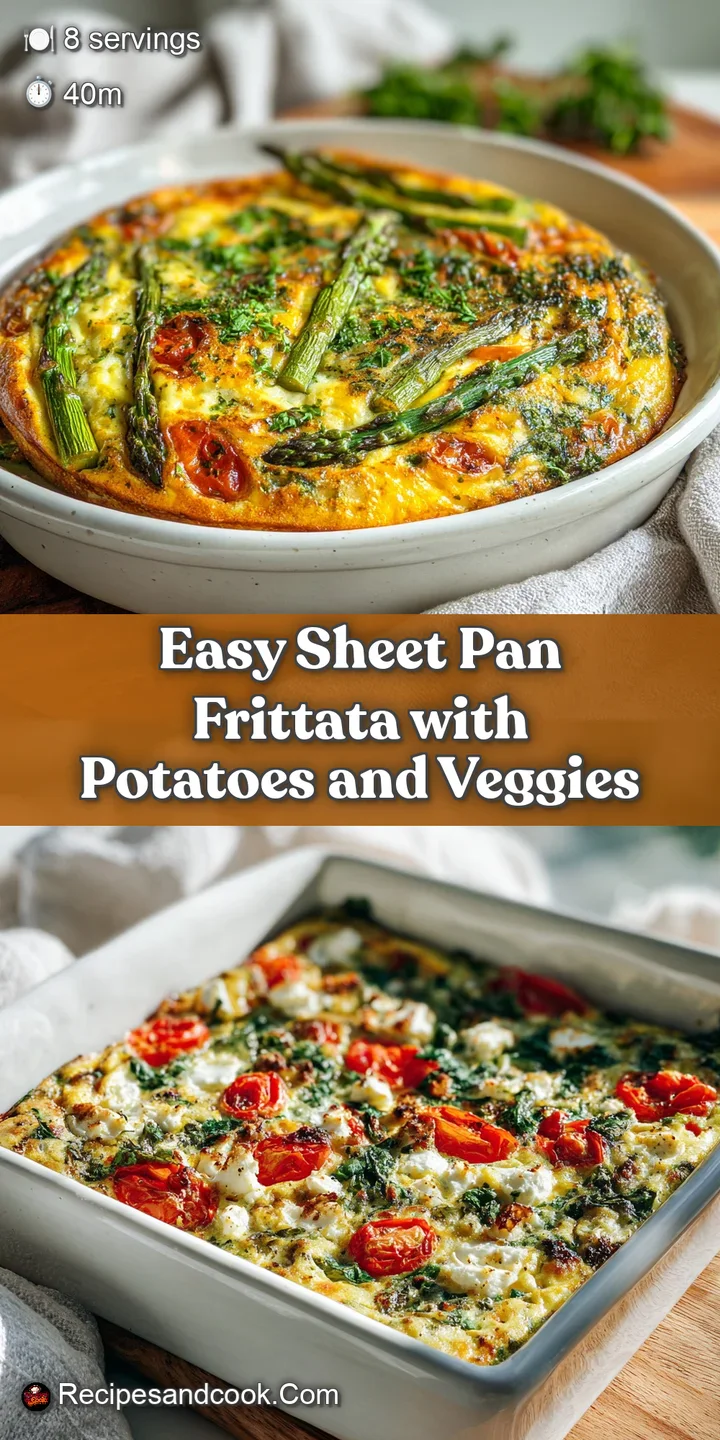
Recipe FAQs
What's the trick to a fluffy frittata?
Use full fat cottage cheese. The high moisture and fat content buffers the egg proteins, preventing them from seizing up tightly. This results in a velvety, light custard texture rather than a rubbery one.
What is the best pan to make a frittata in?
A heavy duty, rimmed half sheet pan is ideal. The large surface area promotes even cooking and browning on the edges while preventing the thin egg layer from spilling over. Line it with parchment paper for effortless cleanup.
What's the secret ingredient to a great frittata?
Full fat cottage cheese is the silent MVP. It melts invisibly into the egg mixture, delivering richness and ensuring a tender interior that doesn't dry out in the oven. If you enjoyed controlling the texture here, see how similar fat ratios influence our Orange Chicken recipe.
How do you make Meghan Markle's breakfast frittata?
Use a base of eggs enriched with cottage cheese and roasted vegetables. Her famous version involves layering pre-roasted vegetables on a sheet pan before pouring over the egg-cheese mixture. This hands off method is far superior to skillet flipping.
Why is my sheet pan frittata coming out watery?
No, this means the vegetables were not sufficiently roasted first. Vegetables like spinach or peppers release a lot of moisture when heated; you must roast them for the initial 15 minutes to drive off that water before pouring the raw eggs over them.
Should I use pre-cooked potatoes in my sheet pan frittata?
No, you should roast them raw on the pan first. Diced Yukon Gold potatoes need that initial high heat exposure to soften fully and develop caramelized flavor. If you skip this step, the potatoes will remain hard under the set eggs.
Can I make this ahead of time for quick weekday breakfasts?
Yes, it freezes and reheats exceptionally well. Slice the completely cooled frittata into squares, wrap individually, and freeze for up to two months. If you master the technique of even roasting here, you'll find it applicable to many other one-pan meals, like our Weeknight Puff Pastry recipe.
Sheet Pan Frittata Recipe
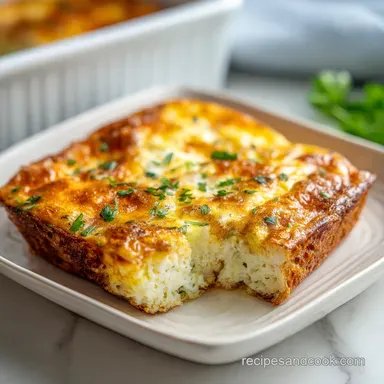
Ingredients:
Instructions:
Nutrition Facts:
| Calories | 229 calories |
|---|---|
| Protein | 14.7 g |
| Fat | 14.3 g |
| Carbs | 11.9 g |
| Fiber | 1.3 g |
| Sugar | 2.8 g |
| Sodium | 435 mg |
