Rosca De Reyes Con Sabor Y Tradición
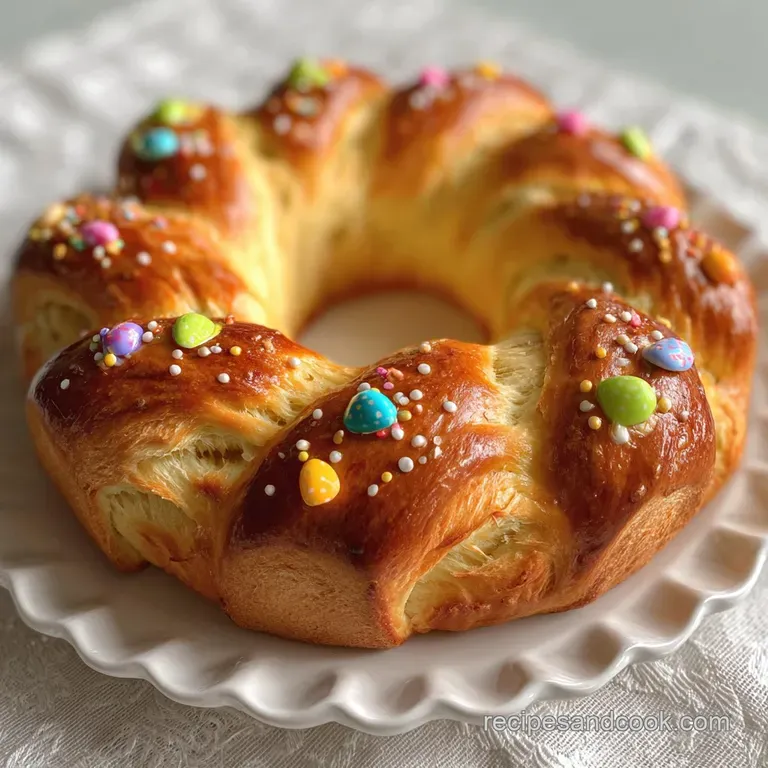
- Time: Active 1 hours 10 mins, Passive 3 hours 30 mins, Total 4 hours 40 mins
- Flavor/Texture Hook: Citrusy, floral aroma with a pillowy soft crumb and crunchy sugar crust
- Perfect for: Epiphany celebrations, Three Kings Day gatherings, and holiday brunch
- Rosca de Reyes con Sabor y Tradición para Toda la Familia
- Mastering the Science of Rich Brioche Dough
- Key Component Analysis and Pro Secrets
- Sourcing the Essentials for a Fragrant Mexican Bread
- The Essential Tools for a Successful Bake
- From Mixing to Baking the Perfect Golden Ring
- Solving Common Problems for a Softer Crumb
- Customizing Your Holiday Bread for Every Table
- Debunking Common Baking Misconceptions
- Keeping Your Rosca Soft and Fresh Longer
- Serving Traditions with Coffee and Hot Chocolate
- Rosca de Reyes FAQs
- 📝 Recipe Card
Rosca de Reyes con Sabor y Tradición para Toda la Familia
The first time I tried to bake this at home, the house smelled like a citrus grove, but my bread came out like a literal brick. I realized then that traditional Mexican baking isn't just about mixing ingredients; it's about the rhythm of the dough and the patience of the rise.
Bake a flavorful Rosca de Reyes that honors tradition and brings joy to your entire family. This isn't just a recipe, it's a way to bring everyone to the table for that exciting moment when someone finds the hidden figurine.
We've all seen those grocery store roscas that look pretty but taste like dry cardboard. That ends today. We're going for a texture that's closer to a French brioche but with that unmistakable "pan dulce" soul.
It's a bit of a project, but when you pull that golden ring out of the oven and the scent of orange blossom hits your face, you'll know exactly why we put in the work.
If you’ve ever mastered a Scones Recipe, you already know how important fat to flour ratios are, but here we’re working with yeast and time. We're going to lean into the science of hydration and temperature to make sure every slice is airy and light. Honestly, don't even bother with low-fat substitutes here; the fat is what carries the flavor and keeps the bread soft for days.
Mastering the Science of Rich Brioche Dough
Before we get our hands messy, we need to understand what's happening inside that bowl. Since this is an enriched dough (meaning it has eggs, butter, and milk), it behaves differently than a simple loaf of sourdough or white bread.
- Protein Denaturation
- The high protein in bread flour allows for a strong gluten network that supports the weight of the heavy fats and sugars without collapsing.
- Yeast Osmotic Stress
- High sugar concentrations can draw moisture out of yeast cells, so we use a pre ferment (starter) to give the yeast a "head start" before hitting the sugar.
- Lipid Interference
- Butter coats gluten strands, shortening them to create a tender, "shreddy" crumb rather than a chewy, crusty one.
- Maillard Reaction
- The combination of egg wash and sugar in the dough creates that deep mahogany exterior and toasted sugar aroma.
Right then, let's talk about the specific components that make this work. We're using a mix of all purpose and bread flour to find that sweet spot between structure and tenderness. If we used only all purpose, the ring might flatten out and lose its shape.
1. The Science of the "Windowpane" Test
You'll hear bakers talk about this a lot, and for good reason. Because this dough is so rich, you have to knead it until it's elastic enough to stretch into a thin, translucent membrane without tearing. This indicates the gluten is fully developed and ready to trap the gases produced by the yeast.
If you skip this, your Rosca will be dense and crumbly instead of light and airy.
2. Controlled Emulsification
When we add the butter, we do it slowly. If you dump it all in at once, it can "grease" the flour and prevent gluten from forming. By adding softened butter bit by bit, we create an emulsion that stays trapped within the dough structure, leading to a velvety finish.
Key Component Analysis and Pro Secrets
| Ingredient | Science Role | Pro Secret |
|---|---|---|
| Bread Flour (3.5 cups) | Provides high protein content for structure. | Sift it twice to incorporate air for a lighter crumb. |
| Orange Blossom Water (1 tbsp) | Adds volatile aromatic compounds. | Add it last to the liquids to preserve the floral scent. |
| Vegetable Shortening (1/2 cup) | Creates a short, crumbly texture in the topping. | Keep it cool so the sugar crust doesn't melt into the bread. |
The orange blossom water is the secret weapon here. It provides a "global" and vibrant scent that distinguishes a true Mexican sweet bread recipe from a standard sweet roll. It's subtle, but without it, the flavor profile feels incomplete.
Sourcing the Essentials for a Fragrant Mexican Bread
For a successful Rosca de Reyes baking session, you need fresh ingredients. Check the expiration on your yeast if it doesn't foam up in the first 10 minutes, stop right there and get a new jar. It's not worth the 4 hour wait for bread that won't rise.
- Milk (1/2 cup): Lukewarm is key (105°F). Too hot and you kill the yeast; too cold and it stays dormant.
- Granulated Sugar (1/2 cup + 1 tbsp): Feeds the yeast and sweetens the crumb.
- Active Dry Yeast (2 1/4 tsp): Our leavening agent.
- Bread Flour (3 1/2 cups): For that essential structure.
- All purpose Flour (1/2 cup for dough, 1/2 cup for topping): Softens the texture. Why this? Using a blend prevents the bread from becoming too "bready" or tough.
- Fine Sea Salt (1/2 tsp): Tightens gluten and balances the sugar.
- Eggs (3 large, plus 1 yolk): Use room temperature eggs so they emulsify into the butter easily.
- Orange Blossom Water (1 tbsp): Found in the international aisle or specialty bakeries.
- Orange Zest (2 tbsp): Freshly grated only bottled zest has no oils.
- Unsalted Butter (1/2 cup): Must be very soft, almost like pomade.
- Confectioners' Sugar (1/2 cup): For the iconic white sugar paste.
- Vegetable Shortening (1/2 cup): Essential for the "crackly" texture of the sugar crust.
- Candied Fruit (100g): Cactus (acitrón), figs, and cherries are traditional.
- Niño Dios Figurines (3-4): The heart of the Rosca de Reyes meaning.
If you find yourself missing the candied cactus, don't panic. Many people swap it for dried apricots or even strips of guava paste. It changes the profile slightly, but it keeps the spirit of the dish alive.
The Essential Tools for a Successful Bake
You don't need a high tech kitchen, but a stand mixer such as a KitchenAid makes the kneading process much more manageable. This dough is very sticky initially, and doing it by hand requires a lot of "slap and fold" technique that can be exhausting.
- Stand Mixer: With a dough hook attachment.
- Large Mixing Bowls: At least two, for proofing and mixing the topping.
- Large Baking Sheet: A standard half sheet pan (18x13 inches) works best.
- Parchment Paper: To prevent the sugar from sticking.
- Plastic Wrap or Damp Cloth: To keep the dough from forming a skin.
- Wire Cooling Rack: Essential so the bottom doesn't get soggy.
While you're waiting for your dough to rise, you might want to prep some snacks. This King's cake recipe takes time, so having something like a Crack dip recipe on hand for the family to graze on is a pro move.
From Mixing to Baking the Perfect Golden Ring
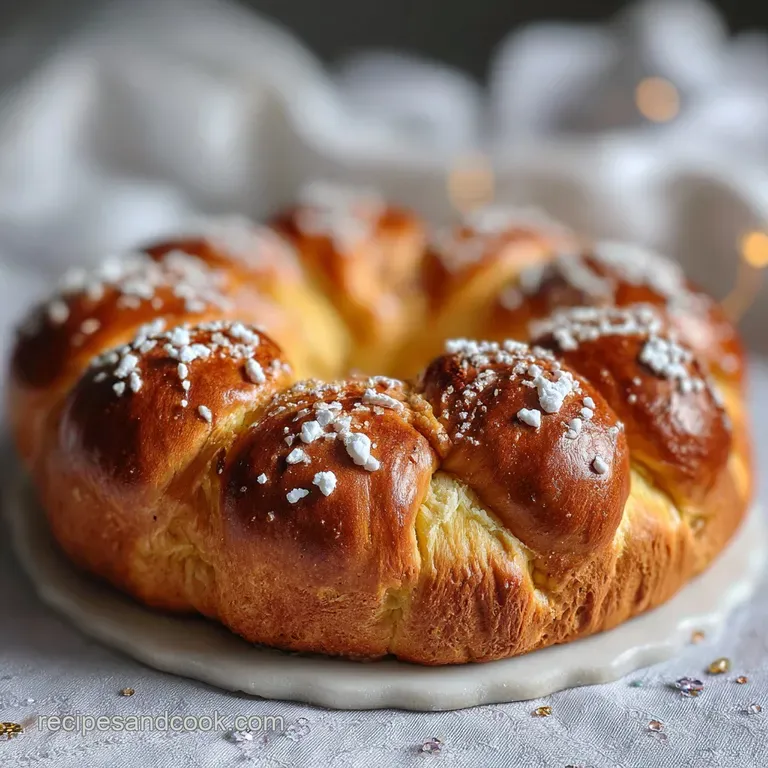
1. Phase 1: The Bloom and Pre ferment
Whisk the 1/2 cup lukewarm milk, 1 tbsp sugar, yeast, and 1/2 cup all purpose flour in a small bowl. Let it sit for about 15 minutes until it looks bubbly and smells like fresh beer. Note: This ensures your yeast is alive before you add the expensive butter and eggs.
2. Phase 2: Building the Foundation
In your stand mixer bowl, combine the bread flour, 1/2 cup sugar, and salt. Add the yeast mixture, the 3 room temperature eggs, orange blossom water, and orange zest. Mix on low speed for 5 minutes until a shaggy, sticky mass forms.
3. Phase 3: The Butter Emulsion
With the mixer running on medium, add the softened butter one tablespoon at a time. Wait for each piece to vanish before adding the next. Continue kneading for 10-12 minutes until the dough is silky, shiny, and pulls away from the sides.
Chef's Tip: If the dough feels too hot, pause the mixer for 2 minutes to let the friction heat dissipate; this prevents the butter from melting out.
4. Phase 4: The First Rise
Place the dough in a greased bowl and cover it. Let it rest in a warm, draft free spot for 1 hours 30 mins to 2 hours until it has doubled in size and looks puffy.
Aroma Checkpoint: At this stage, the dough should smell heavily of citrus and fermented yeast it’s a heady, sweet perfume.
5. Phase 5: Shaping and Hiding
Punch the dough down to release large air bubbles. Roll it into a long log (about 30 inches) and join the ends to form an oval on your parchment lined tray. Carefully lift the edge and slide the plastic figurines into the bottom of the dough at random intervals.
Make sure the seam is on the bottom so it doesn't burst.
6. Phase 6: Decorating and The Golden Bake
Mix the shortening, confectioners' sugar, egg yolk, and remaining flour to make a paste. Flatten strips of this paste and press them onto the ring. Add your candied fruits in between. Let it rise again for 45 minutes until it feels light and airy to the touch.
Brush the dough (not the sugar paste) with an extra egg wash. Aroma Checkpoint: As the Rosca bakes at 350°F for 30 minutes, the smell of toasted sugar and orange will fill the entire house.
Bake until the crust is deep golden and the sugar paste is firm.
Solving Common Problems for a Softer Crumb
Sometimes, despite our best efforts, the bread doesn't behave. Most issues with this Mexican sweet bread recipe come down to temperature or timing. If your kitchen is cold, that first rise could take three hours instead of two. Don't rush it.
Why Your Rosca is Dry and Crumbly
This usually happens if you overbake the bread or add too much flour during the shaping process. The dough should be slightly tacky. If you add too much flour to "fix" the stickiness, you're actually drying out the finished product.
| Problem | Root Cause | Solution |
|---|---|---|
| Dough won't rise | Yeast killed by hot milk or room is too cold. | Move to a warmer spot (like inside an off oven with the light on). |
| Sugar crust melts | Too much shortening or butter in the paste. | Add 1 tbsp of flour to the remaining paste to thicken it. |
| Bread is dense | Under kneaded; gluten didn't develop. | Perform the windowpane test next time; knead longer. |
Another common mistake I once made was not sealing the ends of the oval properly. Halfway through the bake, the ring snapped open, looking more like a giant "C" than an "O". It still tasted great, but it wasn't exactly the centerpiece I wanted for the family dinner.
Customizing Your Holiday Bread for Every Table
While the traditional Rosca de Reyes ingredients are classic for a reason, I love playing with the flavors once I've mastered the base. You can lean into different cultures by swapping the citrus for something else.
Ingredient Swaps for Different Results
| Original Ingredient | Substitute | Why It Works |
|---|---|---|
| Orange Blossom Water | Vanilla Bean Paste | Provides a warm, familiar sweetness. Note: Loses the traditional floral edge. |
| Candied Cactus | Dried Cranberries & Pecans | Adds a tart, crunchy modern twist. |
| Vegetable Shortening | high-quality Lard | Traditional in many older recipes; adds a savory depth. |
If you're looking for a savory balance to all this sugar, serving this alongside a hearty dish like The Creamy Southern recipe for a New Year's overlap brunch is actually a fantastic combination. The saltiness of the bacon in the peas cuts through the floral sweetness of the bread beautifully.
1. The "Gourmet Filling" Twist
Some modern Mexican bakeries slice the Rosca in half and fill it with whipped cream or pastry cream. If you do this, make sure the bread is completely cold first, or you'll end up with a melted, velvety mess.
2. Vegan Traditionalist Swap
You can replace the milk with oat milk and the butter with a high-quality vegan block butter. For the eggs, a commercial egg replacer works best to maintain the structure needed for the rise.
Debunking Common Baking Misconceptions
There are a few myths that tend to trip up home cooks when they tackle an Easy Rosca de Reyes for the first time. Let's clear those up so you can bake with confidence.
- Myth: You must use "Acitrón" (candied cactus) for it to be authentic.
- Truth: Acitrón comes from a protected species of cactus in Mexico. It's actually better (and more legal in many places) to use candied citrus peel, figs, or even strips of firm quince paste (ate).
- Myth: Putting the figurines in after baking is the same.
- Truth: Hiding them before the second rise allows the dough to bake around them, making them truly "hidden." Just warn your guests to eat carefully!
Keeping Your Rosca Soft and Fresh Longer
Enriched breads like this one tend to go stale faster than lean breads because of the sugar content. To keep it soft, wrap it tightly in plastic wrap as soon as it has cooled to room temperature.
Storage GuidelinesFridge: Don't do it! The refrigerator environment actually accelerates staling (starch retrogradation). Keep it on the counter for up to 3 days. Freezer: This bread freezes beautifully.
Slice it first, wrap each slice in plastic, and freeze for up to 2 months. Toast it directly from the freezer for a quick breakfast.
Zero Waste Tip: If you find yourself with leftover dry Rosca, don't toss it. It makes the most incredible French Toast or bread pudding you've ever had. The orange and yeast notes are even more pronounced when soaked in a custard and fried in butter.
You can also dry out small cubes to make "sweet croutons" for a fruit salad.
Serving Traditions with Coffee and Hot Chocolate
Presentation is everything with a dish this beautiful. The vibrant colors of the fruit and the snowy white sugar crust should be the star. I usually place it on a large wooden board in the center of the table with a sharp serrated knife nearby.
- The Golden Hour Glow: If you want that high gloss finish, brush the dough with a mixture of one egg yolk and a splash of heavy cream right before it goes into the oven. This creates a "shatter" thin crust that looks like it came from a professional patisserie.
- The "Chocolate Para Mesa" Pairing: In Mexico, this is almost always served with Mexican Hot Chocolate (whisked with a molinillo until frothy). The cinnamon in the chocolate is the perfect partner for the orange in the bread.
If you want a different experience: If you want a crispier exterior, bake it at 375°F for a shorter time. If you want a richer crumb, swap one whole egg for two additional yolks.
If you want a more floral scent, increase the orange blossom water to 1.5 tbsp, but no more, or it will taste like soap!
Trust me on this the first time you see your family gathered around, carefully cutting into their slice to see if they've found the Niño, all the kneading and waiting will be worth it. It’s one of those recipes that turns a simple meal into a memory. Happy baking!
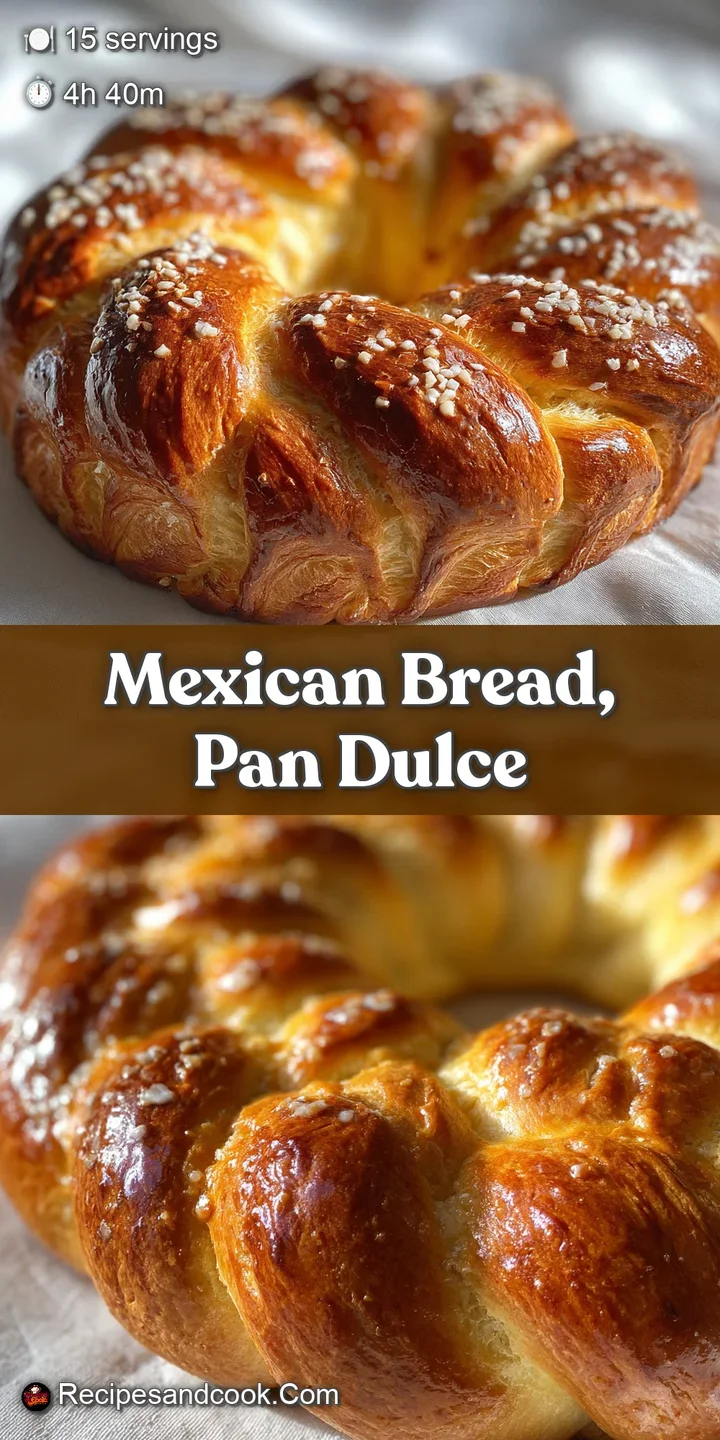
Rosca de Reyes FAQs
Can I substitute all-purpose flour for bread flour in the Rosca de Reyes dough?
No, it's best to use a blend. Bread flour provides essential protein for structure, preventing the rich dough from collapsing. Using only all-purpose flour might result in a flatter, denser bread.
How long should the first rise of the Rosca de Reyes dough take?
Allow 1.5 to 2 hours for the first rise. The exact time depends on your kitchen's temperature; look for the dough to double in size and appear puffy.
What happens if I add all the butter at once when making the Rosca de Reyes dough?
It can prevent gluten formation and lead to a greased dough. Add the softened butter gradually, one tablespoon at a time, while the mixer is running to create a smooth emulsion and a velvety crumb.
Is it true that storing Rosca de Reyes in the refrigerator will keep it fresh longer?
No, refrigeration actually accelerates staling. For best results, keep the cooled Rosca at room temperature, wrapped tightly, for up to 3 days.
How do I ensure the sugar crust on the Rosca de Reyes doesn't melt into the bread?
Keep the vegetable shortening for the topping cool. Mix the paste just before decorating, and ensure it's firm enough to hold its shape and not melt into the dough during the second rise or initial baking.
What's the best way to hide the Niño Dios figurine in the Rosca de Reyes?
Slide the figurine into the bottom of the dough before the second rise. Ensure the seam is on the bottom so it doesn't burst open during baking, and make sure to warn your guests!
Can I use dried cranberries and pecans instead of candied fruit on my Rosca de Reyes?
Yes, this is a great modern twist. Dried cranberries add a lovely tartness, and pecans provide a satisfying crunch that complements the sweet dough beautifully.
Rosca De Reyes Recipe
Ingredients:
Instructions:
Nutrition Facts:
| Calories | 358 kcal |
|---|---|
| Protein | 6.5 g |
| Fat | 15.8 g |
| Carbs | 47.2 g |
| Fiber | 1.4 g |
| Sugar | 16.8 g |
| Sodium | 92 mg |
