Quail Recipes: Roast Quails with Sticky Apple Cider Glaze
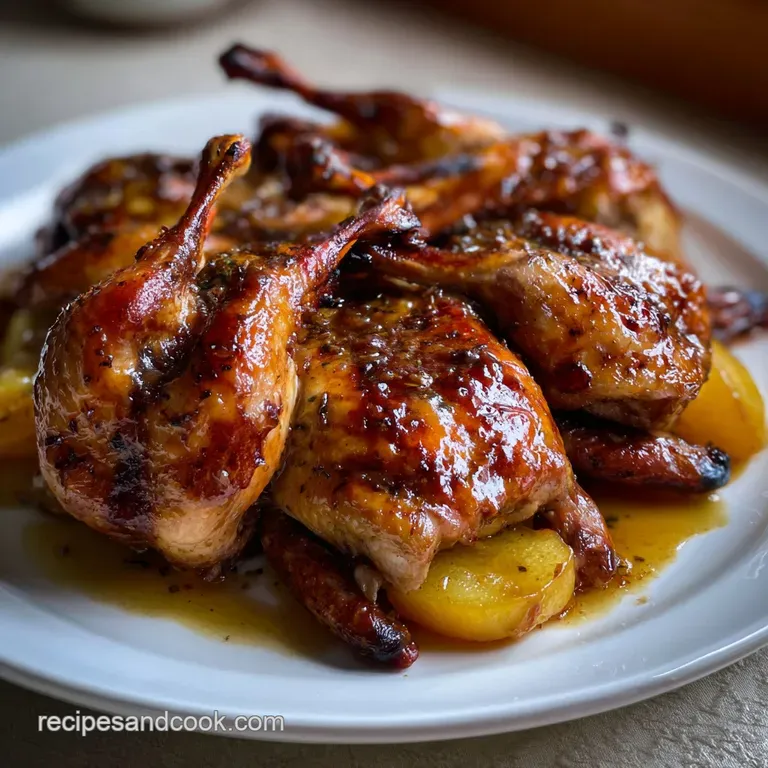
- A Taste of the Shires: Roast Quails with Sticky Apple & Cider Glaze
- Why This Quail Dish Is a Masterpiece of Autumn Flavors
- Gathering the Autumn Harvest: Essential Ingredients for Our Glazed Quail
- Tailoring Your Quail Recipe: Necessary Substitutions and Ingredient Notes
- The Method: Step-by-Step Guide to Flawlessly Roast Quail
- Troubleshooting Your Roast Quail: Chef's Tips and Common Mistakes
- Beyond the Plate: Pairing and Storing This Delightful Game Bird Dish
- Recipe FAQs
- 📝 Recipe Card
A Taste of the Shires: Roast Quails with Sticky Apple & Cider Glaze
When that first sharp autumn air hits, there is nothing better than the smell of rendered fat, caramelized fruit, and deep, smoky sage wafting from the oven. This specific aroma earthy and sweet signals that something truly spectacular is happening, and it’s always this incredible Roast Quail dish.
I promise you, once you try these Quail Recipes , you’ll wonder why you ever saved game birds only for fancy restaurant trips.
This particular method for Quail Recipes is a massive lifesaver because it’s so fast; quail cooks incredibly quickly, meaning you get that high end feeling without the high end fuss.
If you’re bored of the standard weeknight rotation, or if you need an impressive main course that comes together faster than most Weeknight Recipes: 35 Minute Harissa Chicken Traybake , this is your new best friend.
It feels celebratory, yet it’s surprisingly affordable, especially when sourced frozen in bulk.
We are diving straight into classic British flavors today, pairing the delicate game meat with sharp cooking apples and a sticky, tart cider glaze. Stop treating quail like a mystical creature and let’s master these delicious Quail Recipes together, right in your own kitchen.
Why This Quail Dish Is a Masterpiece of Autumn Flavors
If you are hunting for truly standout Quail Recipes , this pairing of sharp acid (from the cider), sweet warmth (from the honey and sage), and the lean richness of the bird is culinary perfection.
Quail is very low in fat compared to poultry, which means two things: it dries out incredibly fast, and it desperately needs a flavorful basting liquid and a cushioning moisture source beneath it. This recipe solves both problems beautifully.
Beyond the Roast Chicken: Why Quail Deserves a Spot on Your Table
Look, I love a good roast chicken, but sometimes you want sophistication without the full day commitment. Quail offers a deeper, more pronounced flavor than chicken (it’s proper game), yet because of its size, it feels less intimidating than, say, duck.
If you are experimenting with different Quail Recipes , beginning with a simple roast like this one is the perfect entry point. It's truly one of the easiest ways to cook a whole bird; the goal is simply to get the skin crisp while keeping the inside beautifully moist.
The English Game Bird Tradition: Pairing Quail with Sharp Fruit and Sage
In English country kitchens, rich meats and bright, tart fruits are traditional partners think beef with horseradish or venison with redcurrant jelly. The lean quail needs that lift, and the cooking apple (like a Bramley or Granny Smith) provides a sharp tang when roasted under the bird, capturing its delicious juices.
Fresh sage, on the other hand, is the quintessential herb for game birds; it’s pungent enough to hold its own against the meaty flavor profile. This combination sets these specific Quail Recipes apart.
The Science of Flavor: How Sharp Cider Complements Lean Game
The glaze is the secret sauce here. Quail skin needs sweetness to caramelize and acid to balance the inherent gaminess. We reduce dry apple cider, concentrating its sharp fermentation notes, and then sweeten it just enough with honey or maple syrup.
Crucially, the Dijon mustard provides a necessary emulsifier and tang, preventing the glaze from becoming oversweet. This balance is why this recipe works so well, ensuring the bird develops a beautiful, crisp coating without becoming cloyingly sticky.
Gathering the Autumn Harvest: Essential Ingredients for Our Glazed Quail
This is where planning makes perfect. These Quail Recipes require a few key players to execute the perfect flavor profile. Don't cheap out on the cider, please!
| Ingredient Group | Ingredient | Notes on Quality | Substitution Guidance |
|---|---|---|---|
| For the Quail | Whole Quail (4) | Oven ready is best; spatchcocked saves time. | No quail? Use Cornish game hens and adjust cooking time dramatically. |
| Softened Butter | Use high-quality unsalted butter. | Substitute with over high heat olive oil or ghee for a dairy-free option. | |
| Fresh Sage | Must be fresh for aromatic depth. | Use ½ tsp dried sage, but infuse it in the oil first. | |
| For Roasting Bed | Cooking Apple, diced | Must be tart (Granny Smith is ideal). | Pears (Bosc or Anjou) can substitute, but they will be sweeter. |
| Shallots, sliced | Sweeter and milder than onion. | Use finely diced red onion if necessary. | |
| For the Glaze | Dry Apple Cider | Hard cider is preferred for the depth of flavor. | Dry white wine (Pinot Grigio) or 50/50 apple juice and white wine vinegar. |
| Honey/Maple Syrup | Adds stickiness without burning easily. | Substitute with brown sugar or golden syrup. |
Tailoring Your Quail Recipe: Necessary Substitutions and Ingredient Notes
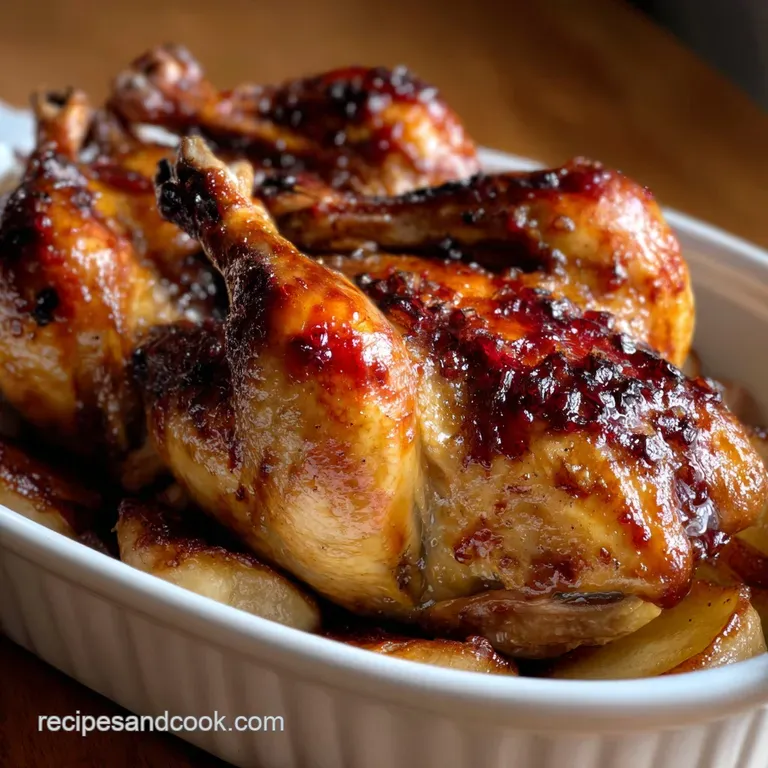
Sourcing the Star: Choosing the Best Whole Quail
Quail are often sold frozen, and that's perfectly fine just ensure proper defrosting in the fridge overnight. The term "oven ready" means they are cleaned and gutted. For better Quail Recipes that offer crispy skin, I highly recommend finding spatchcocked (flattened) quail, or doing it yourself with kitchen shears.
It means the bird cooks completely flat and evenly.
The Perfect Paring: Selecting Apples for Acidity and Structure
You need a high acid, dense apple here. If you use a thin skinned eating apple like Gala, it will disintegrate into mush during the 30 minutes of roasting. The tartness of a Granny Smith or Bramley is essential to cut through the richness of the game bird.
The apples create a beautiful roasting bed, infusing the moisture into the meat and ensuring the quails don't stick.
Sage Advice: Using Fresh vs. Dried Herbs in Game Cookery
For proper game Quail Recipes , always aim for fresh sage. Dried sage is potent and earthy, but it lacks the bright, clean flavor that fresh sage provides when mixed into the butter rub.
If you must use dried, cut the amount in half, but try to crumble a few pinches of dried rosemary in there as well for complexity.
Creating the Glaze Base: Choosing the Right Quality of Hard Cider
This isn't the time for super sweet novelty cider, okay? Look for a dry, preferably hard cider (if you're avoiding alcohol, a good quality unsweetened sparkling apple juice works, but add a splash of white wine vinegar for the necessary tang).
The sharp dryness prevents the glaze from becoming sickeningly sweet when it reduces with the added honey. This is the foundation of these incredible Quail Recipes .
The Method: step-by-step Guide to Flawlessly Roast Quail
This is the blueprint for mastering the flavor and texture of all fantastic Quail Recipes oven style.
Mastering the Glaze: Achieving the Perfect Sticky Cider Reduction
You want thickness, tang, and stickiness not soup.
- Reduce Cider: Combine the cider, honey/syrup, and Dijon in your small saucepan. Bring this mix to a boil, then keep it at a gentle simmer. You’ll need to watch this carefully as it needs to reduce by about half, becoming noticeably thicker, almost like a thin syrup (8- 10 minutes).
- Slurry Time: To ensure that gorgeous sticky texture, whisk the cornflour slurry (cornflour mixed with 1 tbsp cold water) into the simmering reduction. Cook it for just 60 seconds until a light sheen develops. Immediately remove from the heat so it doesn't get too thick before glazing that's the perfect texture for the best Quail Recipes .
Prepping the Quail: Cleaning, Trimming, and Trussing Techniques
- Preparation is Key: If your quail aren't spatchcocked, use sharp kitchen shears to cut down one side of the backbone, from neck to tail. Flip the bird and press down firmly on the breastbone to flat pack it. Pat them bone dry. This is critical for crispy skin!
- The Herb Rub: Mix your softened butter (it should be truly soft, not melted, so it sticks), chopped sage, minced garlic, salt, and pepper. Use your fingers to rub this mix meticulously all over the quails, gently working some under the skin over the breast meat.
- Rest: Now, let the seasoned quails rest at room temperature for 30 minutes. This ensures more even, tender cooking when they hit the oven.
The Aromatics: Stuffing the Cavity with Apple Wedges and Fresh Sage
- Preheat and Prepare: Get the oven cranking to 200°C / 400°F. In your roasting dish, toss the diced cooking apple and sliced shallots with olive oil, salt, and pepper. This bed stops the delicate quail from sitting directly on the hot metal and guarantees moist meat.
- Arrange: Place the buttered quails skin side up directly on the apple and shallot bed. Don't crowd the pan! Airflow is key for crispy skin.
The Roasting Process: Heat Management for Crispy Skin and Tender Meat
- Initial Blast: Place the roasting dish into your hot oven. Roast for exactly 15 minutes. This high heat sets the skin and begins the tenderization process for these wonderful Quail Recipes .
Basting Strategy: When and How to Apply the Sticky Cider Glaze
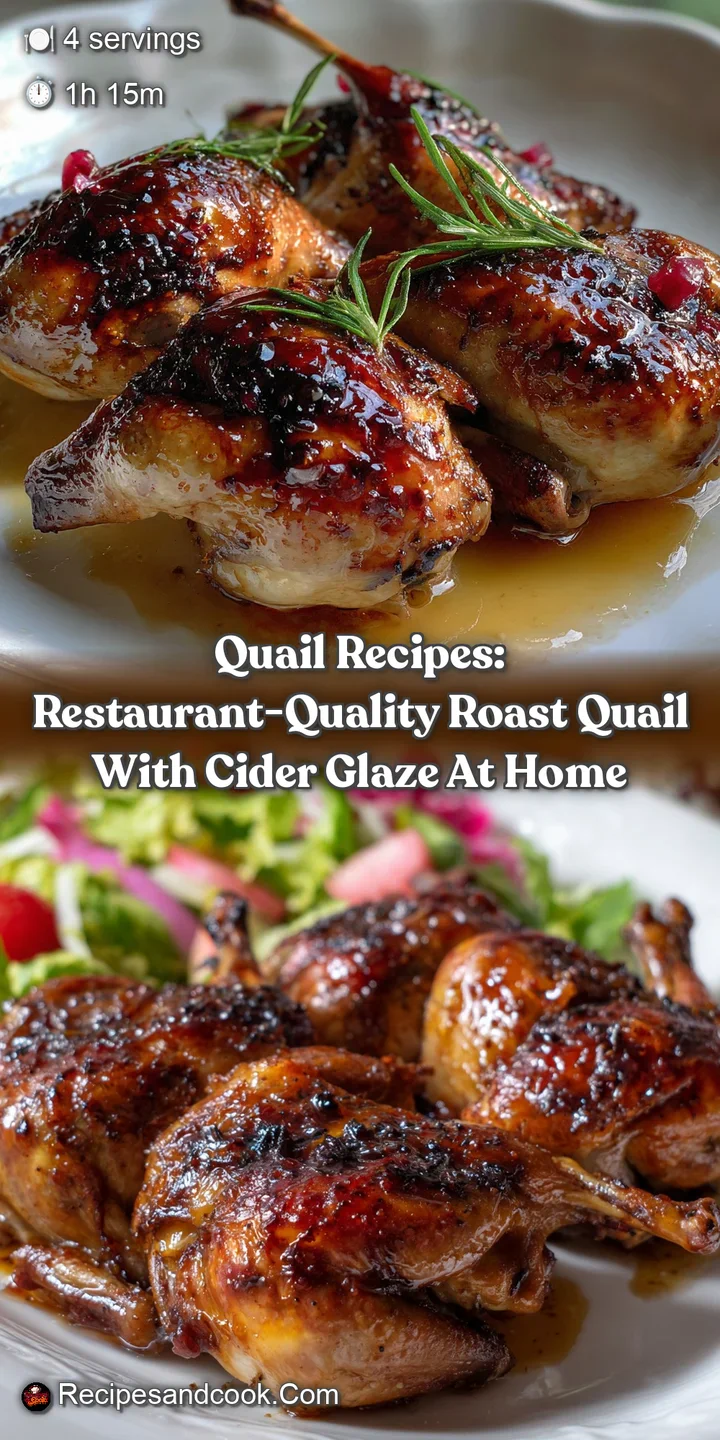
- The Reveal: Remove the quails after 15 minutes. Now, use a pastry brush to enthusiastically smother the cider glaze over the skin of each quail. Don't worry if some drips onto the apples that just makes the bed more delicious.
- Final Push: Return the quails to the oven for another 10– 15 minutes. The skin should deepen to a gorgeous mahogany colour and snap immediately when pressed.
- Resting: Once cooked (see temperature notes below), remove the birds and the apple bed onto a platter. Cover them loosely with foil and let them rest quietly for 5– 7 minutes. Don't skip this it redistributes the juices and is crucial for tender game meat.
Chef's Note: If you are nervous about your glaze burning during the final 15 minutes, you can reserve half the glaze and brush it on in the last five minutes of cooking.
Troubleshooting Your Roast Quail: Chef's Tips and Common Mistakes
If your Quail Recipes turn out dry or your skin is soggy, I have been there! Here are the common failures, and how we fix them instantly.
The Temperature Truth: When Quail is Perfectly Done (Avoiding Dry Meat)
Quail is lean, and overcooking is the number one tragedy. Game birds are often safe at slightly lower temperatures than chicken. We are aiming for an internal temperature of 71°C (160°F) in the thickest part of the thigh near the joint.
Because the bird will rest and gain a few degrees, this ensures juicy, tender meat. Do not let it go past 74°C (165° F) , or it will seize up and become tough.
Getting the temperature right is essential, whether you are trying Quail Recipes oven style or even quail recipes smoked .
Common Misstep: Preventing Quail Skin from Burning Before the Breast is Cooked
If your skin is browning too rapidly, it’s usually because your oven runs hot, or you glazed too early. The glaze contains highly concentrated sugars which burn easily. If your quails start to look too dark after the first 15 minutes, loosely tent the dish with aluminum foil for the final cook time.
This allows the heat to continue cooking the meat without scorching the glaze.
Beyond the Plate: Pairing and Storing This Delightful Game Bird Dish
These easy Quail Recipes feel like a weekend project, but the prep is so manageable!
Optimal Serving Ideas: Which Side Dishes Best Complement the Cider Glaze?
The sharp tang of the cider glaze needs grounding from rich, creamy sides. My top recommendations are creamy Garlic and Herb Mashed Potatoes or a rich polenta. You could also pair this with something bitter and earthy, like sautéed Brussels sprouts or kale tossed with bacon and balsamic.
For simpler sides, one of my favorite classic Canned Green Bean Recipes: Smoky Southern Style Side Dish would offer a fantastic textural contrast. These quail recipes easy style deserve sides that match the sophistication.
Meal Prep and Longevity: How to Store and Reheat Leftover Roast Quail
Quail is definitely best served immediately, but leftovers are fantastic. Simply strip the meat from the bones once cooled (it’s great on a salad with a sharp vinaigrette).
- Fridge: Store cooked quail meat and the roasted apple/shallot mix in an airtight container for up to 3 days.
- Reheating: To reheat the whole bird (if you have two left): Preheat the oven to 180°C (350°F). Brush the chilled quail with a touch more glaze or melted butter, wrap loosely in foil, and reheat for 10- 12 minutes until warmed through. Don’t blast it in the microwave; it will turn rubbery instantly.
If you’re wondering if you can adapt some of these principles for quail recipes grilled , absolutely just use a lower indirect heat! Experimenting with different Quail Recipes is what makes cooking game so much fun.
Recipe FAQs
Why did my roasted quail turn out dry, even though I followed the short cooking time?
Quail is supremely lean and small, making it very susceptible to drying out if overcooked by even a minute or two. To prevent this, ensure your oven temperature is accurate and use a meat thermometer inserted into the thickest part (aiming for 165°F or 74°C).
Basting the birds frequently with the cider glaze or melted butter also helps keep the skin crisp and the meat moist.
Can I prepare the quail ahead of time, and how long does the cooked dish last?
You can prepare the quail up to 24 hours in advance by seasoning, stuffing with the apple and sage mixture, and refrigerating uncovered (which helps the skin dry for a crispier roast). Once cooked, the quail should be consumed within 3 to 4 days, stored in an airtight container in the refrigerator.
Reheat gently to avoid drying out the delicate meat.
I can only find frozen quail; what is the best way to thaw it safely?
Thawing frozen quail should be done slowly in the refrigerator, allowing a full 12 to 24 hours per bird, depending on size. Never thaw poultry on the countertop, as this encourages bacterial growth. Once thawed, pat the birds very dry with paper towels before seasoning and roasting to ensure a delicious, crispy skin.
What is the best substitution for the cider glaze if I need a non-alcoholic option?
You can easily substitute the hard cider (or apple cider vinegar) with high-quality, unsweetened apple juice mixed with a teaspoon of lemon juice for necessary acidity. Reduce the glaze mixture as directed, thickening it naturally or with a small cornstarch slurry.
This ensures you maintain the essential sticky, fruity element without the alcohol.
What should I look for when buying fresh quail to ensure quality?
Look for quail that has plump breasts, intact skin, and a fresh, clean smell. The color should be rosy, not grayish or slimy. If possible, opt for farm raised quail, as they tend to be generally easier to cook than wild game and consistently sized for perfect roasting symmetry.
Can I use this recipe for large game birds like Cornish hens or squab?
Yes, the flavor profile of apple, sage, and cider translates beautifully to larger birds, but the cooking time must be significantly increased. A Cornish hen (typically 1.5 2 pounds) will require 40 60 minutes to roast, so you will need to adjust your temperature and glaze strategy accordingly.
Always confirm doneness with a thermometer.
Roast Quail With Cider Glaze
Ingredients:
Instructions:
Nutrition Facts:
| Calories | 261 kcal |
|---|---|
| Protein | 0.3 g |
| Fat | 13.8 g |
| Carbs | 21.5 g |
