Ranch Chicken Thighs: Crispy and Succulent
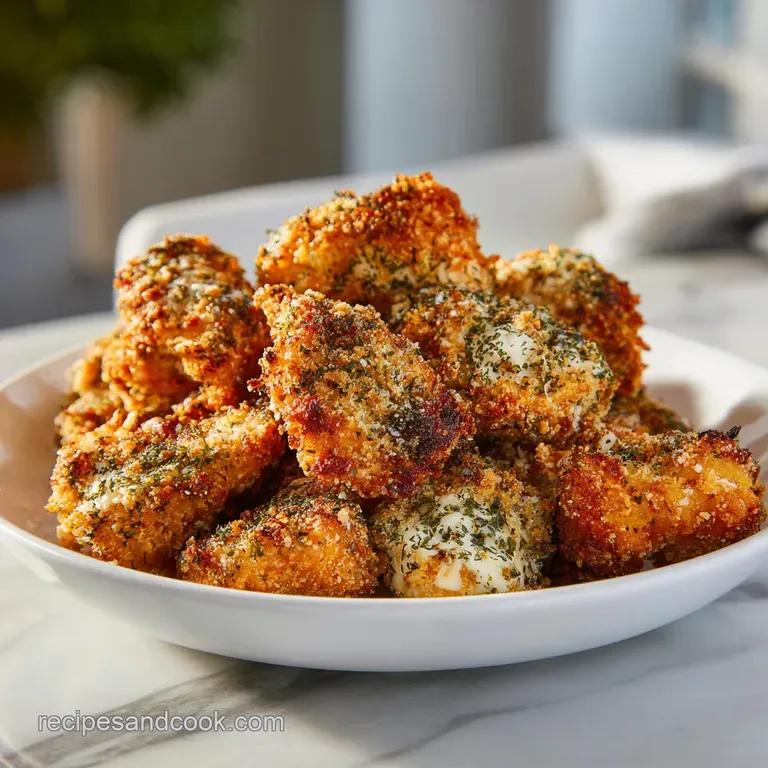
- Time: Active 10 minutes, Passive 35 minutes, Total 45 minutes
- Flavor/Texture Hook: Zesty, salty skin with a buttery, herb infused finish
- Perfect for: Busy Tuesday nights or a crowd-pleasing Sunday family dinner
- The Secret to Perfect Ranch Chicken Thighs
- Science Behind the Flavor Profile
- Component Analysis and Selection
- Selecting Your Flavor Components
- Tools for a Crispy Finish
- Mastering the Preparation Steps
- Fixing Common Cooking Issues
- Smart Swaps and Variations
- Timing and Serving Specifications
- Kitchen Myths Debunked
- Storage and Leftover Ideas
- Best Ways to Serve
- High in Sodium
- Recipe FAQs
- 📝 Recipe Card
The Secret to Perfect Ranch Chicken Thighs
I still remember the first time I smelled this dish wafting from my neighbor’s kitchen. It wasn't just the garlic or the dill; it was that specific, tangy aroma of ranch seasoning hitting hot fat.
I used to think the packet was "cheating," but after one bite of that salty, herb crusted skin, I realized it's actually a culinary shortcut that deserves a spot in every home cook's rotation.
The magic happens when you stop thinking of ranch as just a salad dressing. When used as a dry rub, it transforms. You get this incredible depth of flavor without chopping a single herb.
The last time I made these, I was running late from work, tossing things together with flour dusted hands, and the result was so good we ended up eating right off the sheet pan.
You really can't beat the contrast here. You have that initial shatter of the skin, followed by a velvety, juice filled center. It’s the kind of meal that makes everyone at the table go quiet for a second because they're too busy enjoying the crunch.
Science Behind the Flavor Profile
The Physics of the Crunch: Baking powder creates tiny carbon dioxide bubbles on the surface of the skin, which increases the total surface area and allows it to crisp up into a textured, light crust.
The salt in the ranch mix also draws out moisture through osmosis, ensuring the skin dehydrates enough to brown deeply rather than steaming.
| Thickness | Internal Temp | Rest Time | Visual Cue |
|---|---|---|---|
| 1.5 inches | 175°F (80°C) | 5 minutes | Juices run clear when poked |
| 2 inches | 175°F (80°C) | 7 minutes | Meat pulls away from bone |
| 1 inch | 170°F (77°C) | 3 minutes | Skin is deep mahogany brown |
Getting that internal temperature to 175°F (80°C) might seem high for poultry, but for bone in thighs, it is the sweet spot. This extra heat breaks down the tough connective tissue, turning it into a rich, silky gelatin that keeps the meat from ever feeling dry.
1. The Shattering Skin Secret
We often think high heat is the only way to get crispy skin, but it's actually about chemistry. By mixing a tiny bit of baking powder into the ranch seasoning, we’re altering the pH level.
This helps the proteins break down more effectively, leading to a more even, golden brown finish that stays crispy even as it cools.
2. Maximum Flavor Surface Area
Don't just sprinkle the seasoning on top. You have to get under the skin. Gently lift the skin without detaching it completely and rub a bit of that ranch and paprika mixture directly onto the meat. This ensures the flavor penetrates deep into the muscle, rather than just sitting on the surface where it might burn.
3. Moisture Lock Engineering
Resting your chicken is not optional. When the meat is in the oven, the muscle fibers contract and push all those juices toward the center. If you cut into it immediately, that liquid ends up on your plate instead of in your mouth. Giving it five minutes on the counter lets the fibers relax and reabsorb that moisture.
Component Analysis and Selection
| Ingredient | Science Role | Pro Secret |
|---|---|---|
| Bone in Thighs | Fat insulation | Leave the bone in; it acts as a heat conductor for even cooking |
| Baking Powder | pH Modification | Use aluminum free to avoid a bitter, metallic aftertaste |
| Smoked Paprika | Maillard Reaction | Adds a subtle wood fired depth that complements the creamy ranch |
| Olive Oil | Heat Transfer | Helps the dry spices adhere and prevents the skin from sticking |
Choosing the right poultry is half the battle. I always look for pieces that are roughly the same size so they finish at the same time. If you have one massive thigh and three small ones, the little guys will be dry before the big one is even safe to eat.
Selecting Your Flavor Components
- 3 lbs bone in, skin on chicken thighs (8 count): The skin is non negotiable for that texture. Why this? Bone in stays juicier and provides more flavor than boneless cuts.
- 2 tbsp extra virgin olive oil: Acts as our glue. Why this? It has a high enough smoke point for roasting while adding richness.
- 1 oz Hidden Valley Ranch dry mix packet: Our primary seasoning. Why this? A perfect balance of buttermilk, garlic, and dried herbs.
- 1 tsp smoked paprika: For color and depth. Why this? Provides an earthy warmth that balances the salty ranch.
- 0.5 tsp aluminum free baking powder: The texture hero. Why this? It's the only way to get that professional level crunch at home.
- 0.5 tsp cracked black pepper: For a bit of bite. Why this? Freshly cracked provides a much brighter heat than pre ground.
- 1 tbsp fresh chives, minced (optional): For a fresh pop.
- 4 lemon wedges: To cut through the fat.
If you don't have olive oil, avocado oil works beautifully here too. If you're out of smoked paprika, a little bit of chili powder can give you a similar color with a tiny bit more kick. Just stay away from "liquid" ranch dressing for this specific method it’s too wet and will result in soggy skin.
Tools for a Crispy Finish
You don't need a kitchen full of gadgets for this. A simple large rimmed sheet pan is my go to. However, if you want to really guarantee a 360 degree crunch, use a wire cooling rack set inside the sheet pan.
This allows the hot air to circulate underneath the chicken, preventing the bottom from getting "soggy bottom" syndrome from the rendered fat.
1. The Airflow Essentials
If you're using a standard pan, I highly recommend lining it with parchment paper for easy cleanup, but skip the foil if you're putting the meat directly on the pan. Foil can sometimes cause the bottom of the chicken to steam.
A heavy duty whisk is also handy for making sure that baking powder is perfectly distributed through the ranch mix.
2. Basic Prep Tools
Make sure you have a good pair of kitchen shears. I like to trim any excessive overhanging skin or large pockets of fat before seasoning. You also need a reliable meat thermometer. Guessing the doneness of chicken is a recipe for either a stomach ache or dry meat neither of which we want for dinner!
Mastering the Preparation Steps
- Dry the protein. Use paper towels to pat the 3 lbs of chicken thighs until they are bone dry. Note: Any surface moisture will create steam and prevent the skin from crisping.
- Preheat the oven. Set your oven to 400°F (200°C). Note: A hot oven is essential for immediate fat rendering.
- Mix the rub. In a small bowl, whisk together the 1 oz ranch packet, 1 tsp smoked paprika, 0.5 tsp baking powder, and 0.5 tsp pepper.
- Oil the skin. Rub the 2 tbsp olive oil over every inch of the chicken, including under the skin.
- Apply the seasoning. Sprinkle the ranch mixture generously over the chicken. Ensure even coverage for the best crust.
- Arrange the pan. Place the thighs on a wire rack over a sheet pan, skin side up. Note: Leave space between pieces so the air can flow freely.
- Roast the chicken. Place in the oven and bake for 35 minutes.
- Check for doneness. Ensure the internal temperature has reached 175°F (80°C) and the skin is golden and crackling.
- Rest the meat. Remove from the oven and let the chicken sit for 5 minutes. Note: This keeps the juices inside the meat.
- Garnish and serve. Sprinkle with fresh chives and serve with lemon wedges for squeezing.
If you want a different flavor profile for your next meal, this preparation method is very similar to what I use in my Thyme Chicken Thighs recipe, where fresh herbs take center stage. Both recipes rely on that dry skin technique to get the best possible texture.
Fixing Common Cooking Issues
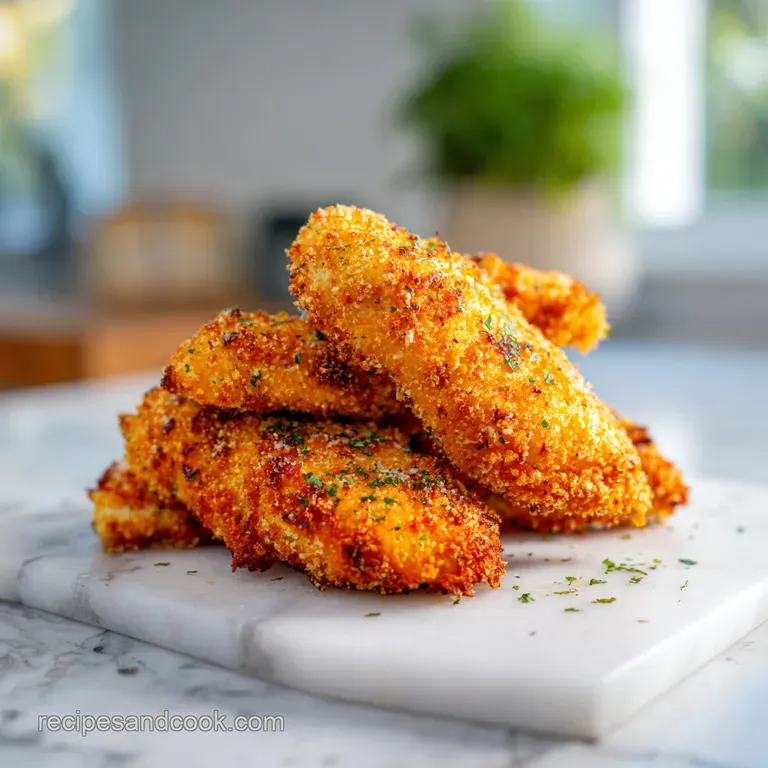
The most common frustration people have is skin that looks brown but feels rubbery. This usually happens because the oven wasn't hot enough or the chicken was crowded together. If you find your seasoning is clumping into little balls, it means there was too much moisture on the surface of the meat when you applied the dry rub.
1. Skin is Pale and Flabby
If the timer goes off and the skin isn't "shattering," don't panic. Switch your oven to the broiler setting for 2-3 minutes. Keep a very close eye on it, though ranch seasoning has dried milk solids that can go from golden to burnt in a heartbeat.
2. The Seasoning is Clumping
This is usually a sign that the oil wasn't spread evenly or the chicken wasn't dried enough. Next time, try mixing the spices with the oil first to create a paste, though I find the dry rub method yields a superior crunch when done correctly.
| Problem | Root Cause | Solution |
|---|---|---|
| Rubbery Skin | Oven temp too low | Ensure preheat is complete; use 400°F (200°C) |
| Dry Meat | Overcooked | Use a thermometer; pull at 170°F as it carries over |
| Burnt Spices | Rack too high | Move the pan to the middle rack of the oven |
Common Mistakes Checklist
- ✓ Skipping the pat dry step (steam is the enemy of crunch)
- ✓ Using "clumpy" old baking powder (it won't react properly)
- ✓ Forgetting to season under the skin (flavor needs to reach the meat)
- ✓ Crowding the pan (this causes the chicken to "stew" in its own juices)
- ✓ Cutting into the chicken the second it leaves the oven
Smart Swaps and Variations
| Original Ingredient | Substitute | Why It Works |
|---|---|---|
| Ranch Dry Mix | Homemade herb mix | Mix dried dill, parsley, garlic powder, and onion powder. Note: Lacks the tangy buttermilk hit. |
| Smoked Paprika | Chipotle Powder | Adds a smoky heat. Note: Significantly spicier than paprika. |
| Bone in Thighs | Boneless Thighs | Faster cooking. Note: Harder to get crispy skin; reduce cook time by 10 minutes. |
If you’re looking for a slightly more sophisticated version of this flavor profile, you might enjoy my Garlic Parmesan Chicken Thighs recipe, which swaps the ranch for a sharp cheese crust. It’s a great way to use the same crispy skin technique with a different pantry staple.
1. The Creamy Ranch Chicken Thighs Twist
If you prefer a saucy dish over a crispy one, you can sear the chicken first, then finish it in a skillet with a cup of heavy cream mixed with half a ranch packet. It won't have the crunch, but it's incredibly luxurious over mashed potatoes.
2. The Full Sheet Pan Meal
To make this a complete dinner, toss some halved baby potatoes and broccoli florets in olive oil and a little extra ranch seasoning. Spread them around the chicken on the sheet pan. They will roast in the chicken fat, which makes them taste absolutely "chef's kiss" good.
3. The Boneless Swap
If you use boneless, skinless thighs, you’ll lose the crunch, but you can still get great flavor. I recommend dredging them in a little flour mixed with the ranch seasoning before pan frying. It creates a "fake" skin that still satisfies that craving for texture.
Timing and Serving Specifications
When scaling this recipe for a big family gathering, remember the "pan rule." If you double the recipe to 16 thighs, use two separate sheet pans. If you try to cram them all onto one, they will steam and you'll end up with sad, soggy chicken.
For spices, I usually only increase them by 1.5x when doubling a recipe to avoid it becoming overly salty.
If you are cooking for just two people, you can easily halve the recipe. Use a smaller baking dish, but keep the temperature and time roughly the same. Since the thighs are the same thickness, they still need that 35 minute window to break down the collagen.
| Feature | Fresh Herbs | Ranch Shortcut |
|---|---|---|
| Prep Time | 20 minutes | 10 minutes |
| Flavor Profile | Bright, grassy | Tangy, savory, umami |
| Consistency | Variable | Reliable every time |
Kitchen Myths Debunked
Many people believe you need to sear chicken in a pan before putting it in the oven to "lock in juices." That’s a total myth. Searing is about flavor (the Maillard reaction), not moisture retention.
With this ranch chicken thighs recipe, the over high heat roasting and the baking powder do all the work for you, saving you the mess of oil splatters on your stovetop.
Another common misconception is that chicken skin is "unhealthy" and should be removed before cooking. While the skin does contain fat, most of that fat renders out during the roasting process. Plus, leaving it on acts as a natural basting lid, keeping the meat underneath succulent and tender.
You can always pull it off after cooking if you really want to, but you'll be missing out on the best part!
Storage and Leftover Ideas
Storage: Keep your leftovers in an airtight container in the fridge for up to 4 days. To keep the skin as crispy as possible, avoid stacking the pieces on top of each other while they are still warm, as the trapped steam will soften the crust.
In the freezer, these will stay good for up to 3 months, though the texture of the skin will never be quite as "shattering" after thawing.
Zero Waste: Don't you dare throw away those bones! After we finish dinner, I toss the leftover bones into a pot with some celery scraps, carrot peels, and an onion. Simmer it for a few hours to make a ranch infused chicken stock.
It makes for the most interesting base for a white chicken chili or a creamy potato soup the next day.
Best Ways to Serve
This chicken is a total chameleon when it comes to sides. Because it’s so savory and zesty, it pairs beautifully with something slightly sweet or acidic. A simple slaw with a vinegar dressing is my favorite way to cut through the richness of the skin.
If you want the ultimate comfort meal, serve these thighs over a bed of buttery rice or alongside some garlic roasted green beans. I also love shredding any leftover cold chicken the next day and tossing it into a big green salad.
The ranch seasoning on the chicken acts like a built in dressing, so you only need a little olive oil and lemon juice to finish it off. Just make sure you have those lemon wedges ready at the table that hit of fresh citrus right at the end really makes the herbs in the ranch seasoning sing.

High in Sodium
890 mg mg of sodium per serving (39% % of daily value)
The American Heart Association recommends limiting sodium intake to about 2,300mg per day for optimal health.
Easy Tips to Reduce Sodium in Your Ranch Chicken
-
Ranch Mix Alternative-30%
The Hidden Valley Ranch dry mix packet is a major source of sodium. Try making your own ranch seasoning using dried herbs and spices like dill, parsley, garlic powder, onion powder, and pepper. Reduce sodium up to 30%.
-
Boost Flavor with Herbs-20%
Enhance the flavor of your chicken with a blend of dried herbs like oregano, thyme, and rosemary. These add depth without any sodium. Reduce sodium up to 20%.
-
Spice It Up!-15%
Use a variety of sodium free spices to build flavor! Increase the amount of smoked paprika, cracked pepper, or add garlic powder and onion powder. Reduce sodium up to 15%.
-
Lemon Zest & Juice-10%
Lemon wedges add brightness. Amp up the lemon flavor with lemon zest! It will enhance the dish and distract from the lack of sodium. Reduce sodium up to 10%.
-
Fresh Herbs
Experiment with a variety of fresh herbs like parsley, dill, or basil in addition to the suggested chives. Fresh herbs enhance flavor naturally.
Recipe FAQs
Is ranch seasoning good on chicken thighs?
Yes, absolutely. The combination of the ranch's dried buttermilk, herbs, and salt creates an incredible crust when baked at high heat.
Are chicken thighs good for diabetics?
Yes, they can be a good choice in moderation. Chicken thighs are a high protein, low-carb meat which helps manage blood sugar spikes, provided you skip sugary glazes.
What is the tastiest way to cook chicken thighs?
Roasting at 400°F (200°C) with a dry rub. High heat renders the fat and crisps the skin while the bone-in cut ensures the meat stays moist.
Can I use ranch to marinate chicken?
No, avoid using the dry mix as a wet marinade. The liquid from the marinade will compromise the dry skin needed for crisping; use it as a dry rub instead.
Is it true that I must use an oven rack for crispy ranch chicken thighs?
No, this is a common misconception. While a rack greatly improves airflow for a 360 degree crunch, you can achieve good results on a parchment lined sheet pan by simply ensuring pieces aren't touching.
How to ensure the ranch seasoning sticks evenly to the thighs?
Rub the chicken thighs thoroughly with olive oil first. The oil acts as the necessary adhesive for the dry rub to adhere, which is a key step similar to prepping surfaces in other baking techniques.
What is the secret ingredient that makes the ranch skin super crunchy?
Adding a small amount of aluminum free baking powder to the dry rub. This slightly raises the pH of the skin, helping it dehydrate faster and brown more evenly than just using salt and spices.
Ranch Chicken Thighs Mastered

Ingredients:
Instructions:
Nutrition Facts:
| Calories | 568 kcal |
|---|---|
| Protein | 41 g |
| Fat | 42g |
| Carbs | 3.5 g |
| Fiber | 0.2 g |
| Sugar | 0.8 g |
| Sodium | 890 mg |
