High Protein Egg Salad with Cottage Cheese and Chives
- Time: Active 10 minutes, Passive 10 minutes, Total 20 minutes
- Flavor/Texture Hook: Velvety cottage cheese base with a sharp chive bite
- Perfect for: Busy weekday meal prep or a light Sunday brunch
- High Protein Egg Salad with Cottage Cheese and Fresh Chives
- Why This Creamy Texture Works
- The Protein Base Component Analysis
- Simple Ingredients and Smart Swaps
- Kitchen Tools for Easy Prep
- Assembly for a Silky Finish
- Solving Common Texture Problems
- Scaling for a Crowd
- Egg Salad Myths Debunked
- Storing for Maximum Freshness
- The Best Side Dish Pairings
- Recipe FAQs
- 📝 Recipe Card
High Protein Egg Salad with Cottage Cheese and Fresh Chives
There is a specific, nostalgic sound that takes me back to my grandmother's kitchen every single time: the rhythmic clack clack clack of a silver spoon tapping against a hard boiled eggshell.
I remember sitting at her worn wooden table, watching her peel eggs with such practiced ease that the shells seemed to slide off in one single, spiraling piece. That aroma of fresh, peppery chives being snipped from the windowsill garden always meant lunch was coming, and it usually involved a big bowl of egg salad.
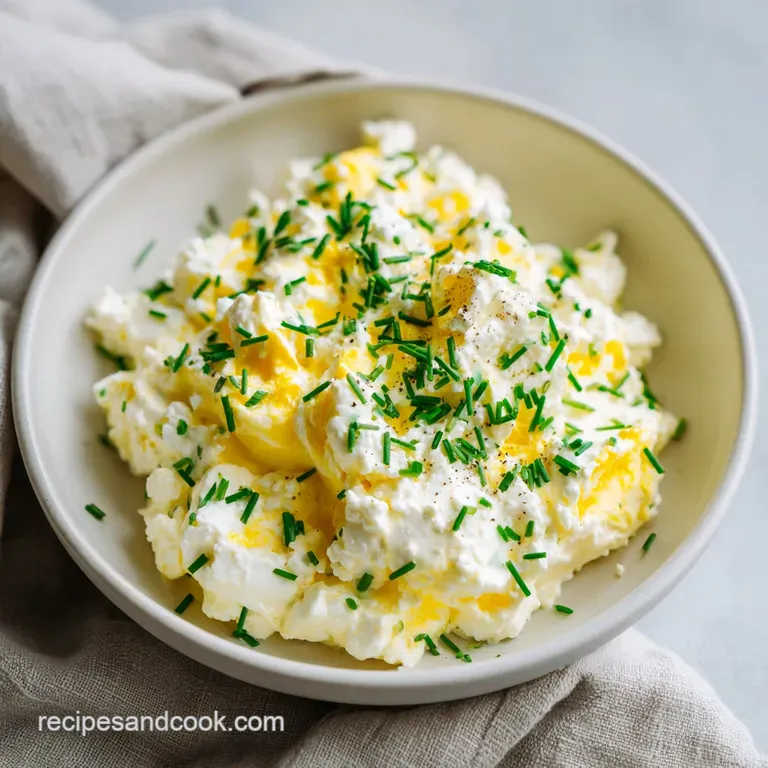
This recipe showcases a delicious High Protein Egg Salad with Cottage Cheese and Fresh Chives. While Grandma used plenty of heavy mayo, I have spent years tweaking this to fit my modern routine without losing that timeless soul.
By using cottage cheese as the binder, you get a beautiful, chunky texture and a massive protein boost that keeps you satisfied way longer than the old school version ever did. Trust me on this, once you try the creamy combination of small curd cheese and Greek yogurt, you will never look back at the jar of mayo again.
It is honestly the ultimate shortcut to a high energy day. We are looking for that perfect balance where the yolks are just set and the celery provides a satisfying "snap" in every mouthful.
Whether you are tucking this into a whole grain wrap or eating it straight out of the bowl with a few crackers, it feels like a treat rather than a chore. Right then, let's get into the details so you can whip this up for your next meal.
Why This Creamy Texture Works
- Lactic Emulsification: The lactic acid in the plain non fat Greek yogurt acts as a natural emulsifier, binding the fats from the egg yolks into a smooth, cohesive dressing.
- Protein Structural Integrity: Using 1/2 cup (115g) small curd cottage cheese (2% fat) provides a physical matrix that holds the diced eggs in place, preventing the "sliding" effect often found in oily dressings.
- Aromatic Volatility: Snipping the 3 tbsp fresh chives just before folding releases essential oils that permeate the fat rich yolks, ensuring every bite carries a bright, oniony lift.
| Method | Texture Result | Prep Time | Flavor Impact |
|---|---|---|---|
| Fresh Boiled Eggs | Silky, buttery yolks | 12 minutes | Rich and traditional |
| store-bought Eggs | Firmer, bouncy whites | 2 minutes | Slightly more muted |
| Grated Eggs | Airy, mousse like | 15 minutes | Maximum dressing coverage |
Selecting the right method depends on your schedule, but if you have the time, boiling them fresh always wins for that velvety mouthfeel. If you are looking for more light lunch inspiration, this pairs beautifully with the flavor profile of my Mediterranean White Bean recipe.
The Protein Base Component Analysis
| Ingredient | Science Role | Pro Secret |
|---|---|---|
| Cottage Cheese | Structural Binder | Use small curd for a more uniform, "mayo like" appearance. |
| Greek Yogurt | Acidic Brightener | Whisk it with the mustard first to ensure zero lumps in the salad. |
| Hard Boiled Eggs | Texture Anchor | Shock in an ice bath immediately to stop the sulfur "green ring" from forming. |
Simple Ingredients and Smart Swaps
For this recipe, we are keeping things focused on high-quality basics that won't break the bank.
- 4 large eggs: The star of the show. Why this? They provide the essential fats and base protein for the entire dish.
- Substitute: 1 cup firm tofu (crumbled) for a plant based alternative, though the texture will be denser.
- 1/2 cup (115g) small curd cottage cheese (2% fat): Our high protein binder. Why this? It mimics the creaminess of mayo with double the protein.
- Substitute: Ricotta cheese for a smoother, milder, and more luxurious finish.
- 2 tbsp (30g) plain non fat Greek yogurt: Adds necessary tang.
- Substitute: Sour cream, though it adds more fat and less protein.
- 3 tbsp fresh chives: For that signature herbal kick.
- Substitute: Green onion tops, finely sliced, for a sharper bite.
- 1/4 cup (30g) celery: For the essential crunch.
- Substitute: Finely diced cucumber (seeds removed) to keep it refreshing.
- 1 tsp (5g) Dijon mustard: Provides depth and a bit of heat.
- 1/2 tsp (2.5ml) fresh lemon juice: Cuts through the richness.
- Spices: 1/4 tsp garlic powder, 1/8 tsp sea salt, 1/8 tsp cracked black pepper, 1/4 tsp smoked paprika.
Kitchen Tools for Easy Prep
You don't need a professional kitchen to make this work, but a few specific tools make the process much smoother. A small saucepan for boiling the eggs is essential, along with a timer to ensure you hit that 10 minute sweet spot.
I always suggest using a sharp chef's knife for the celery and chives to prevent bruising the herbs, which can make them taste bitter.
A medium glass mixing bowl is my go to for the dressing because it doesn't retain odors like plastic can. You'll also want a sturdy silicone spatula to fold everything together. If you are feeling fancy, an egg slicer can help you get perfectly even cubes, but honestly, a knife and a little patience work just as well.
Assembly for a Silky Finish
1. The Perfect Hard Boil
Place 4 large eggs in a saucepan and cover with cold water. Bring to a rolling boil, then immediately turn off the heat and cover. Let them sit for exactly 10 minutes until the yolks are fully set but still bright yellow.
Note: This carryover cooking method prevents rubbery whites.
2. The Thermal Shock
Transfer the eggs to a bowl of ice water for 5 minutes. Peel them underwater to let the liquid seep between the membrane and the white, making the shell shatter and slide off effortlessly.
3. Creating the Dressing Base
In your mixing bowl, whisk together 1/2 cup (115g) cottage cheese, 2 tbsp Greek yogurt, 1 tsp Dijon mustard, 1/2 tsp lemon juice, and the garlic powder. Stir until the yogurt is fully integrated into the cottage cheese curds.
4. Prepping the Aromatics
Finely dice 1/4 cup celery and snip 3 tbsp fresh chives. Add these to the dressing base along with 1/8 tsp sea salt and 1/8 tsp black pepper.
5. Dicing the Protein
Cut your cooled eggs into 1/2 inch pieces. I like to keep them slightly larger so the salad has a chunky, rustic feel rather than becoming a paste.
6. The Gentle Fold
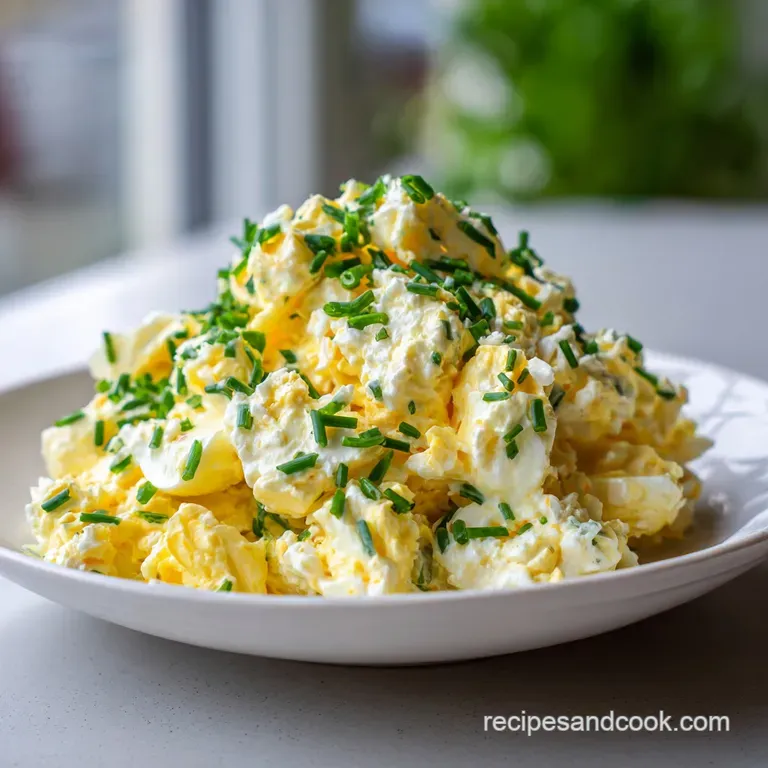
Add the eggs to the bowl. Use a spatula to gently fold the eggs into the dressing until every piece is glistening and coated. Don't overmix, or the yolks will disintegrate and turn the salad muddy.
7. The Final Flourish
Sprinkle 1/4 tsp smoked paprika over the top. This adds a tiny hint of wood smoke flavor that elevates the whole dish.
8. The Resting Period
Let the salad sit in the fridge for 10 minutes before serving. This allows the celery to release a tiny bit of moisture, thinning the dressing just enough to make it perfectly spreadable.
Chef's Tip: If you want an even creamier result, take one of the cooked yolks and mash it directly into the cottage cheese and yogurt mixture before adding the rest of the eggs. It creates a "gold leaf" sauce that is incredibly rich.
Solving Common Texture Problems
We have all had egg salad that turned into a watery mess or felt like eating pencil erasers. Usually, the culprit is either excess moisture or overcooking. If your salad looks a bit thin, it is likely the celery was a bit too juicy or the cottage cheese was very wet.
Why Your Egg Salad Separates
When you mix salt with fresh vegetables like celery, it draws out water through osmosis. If you aren't eating the salad immediately, this can lead to a pool of liquid at the bottom of the bowl.
| Problem | Root Cause | Solution |
|---|---|---|
| Watery Dressing | Salt drawing moisture from celery | Add celery just before serving or drain cottage cheese. |
| Rubbery Whites | Boiling the eggs too long | Use the "off heat" soaking method (10 minutes). |
| Bland Flavor | Lack of acidity | Add an extra squeeze of lemon or a splash of pickle juice. |
Common Mistakes Checklist
- ✓ Never skip the ice bath; it is the only way to stop the cooking process and ensure a tender white.
- ✓ Don't use "large curd" cottage cheese as it creates a lumpy, uneven texture that doesn't hold the eggs well.
- ✓ Avoid over chopping the chives; use sharp scissors to snip them to keep the edges clean and green.
- ✓ Pat your celery dry with a paper towel after dicing to remove surface moisture.
- ✓ Taste for salt after the salad has chilled for 10 minutes, as flavors develop as they cool.
Scaling for a Crowd
If you need to feed a group, this recipe is very forgiving. To double it (4 servings), simply use 8 eggs and double the cottage cheese and yogurt. However, I suggest only increasing the Dijon mustard and lemon juice by 1.5x at first, then tasting. Sometimes the acidity can become overwhelming when scaled linearly.
For a smaller portion (1 serving), use 2 eggs and half of all other ingredients. Since 1/2 an egg is hard to measure, just use the whole 4 egg batch and save the rest it actually tastes better the next day once the chive flavor has fully matured. If you are serving this alongside a spread, it goes perfectly with a Broccoli Cauliflower Salad recipe for a complete, crunch heavy lunch.
Egg Salad Myths Debunked
Many people believe that you must use mayonnaise for a "real" egg salad flavor. The truth is that the "creamy" sensation comes from fat and emulsification, which the egg yolks and cottage cheese provide beautifully. You won't miss the oil based mayo at all once the Dijon and lemon juice hit your palate.
Another common myth is that older eggs are better for boiling. While they are slightly easier to peel because the pH level rises as they age (shrinking the membrane), fresh eggs can be peeled just as easily if you use the "boil then ice" method described above.
Don't feel like you have to wait for your eggs to get old to enjoy this.
Storing for Maximum Freshness
Storage: Keep your High Protein Egg Salad with Cottage Cheese and Fresh Chives in an airtight glass container in the fridge. It will stay fresh and safe for up to 3 days.
I don't recommend freezing this dish, as the cottage cheese and yogurt will break down and become grainy upon thawing, and the egg whites will turn unpleasantly rubbery.
Zero Waste: If you have leftover chives, don't let them wilt! Finely snip them and freeze them in an ice cube tray with a little bit of olive oil. You can pop a cube into a hot pan next time you're making an omelet or sauteing veggies.
For leftover celery tops (the leaves), chop them up and toss them into a green salad they have an intense celery flavor that is too good to toss out.
The Best Side Dish Pairings
If you want to keep the "high protein" theme going, serve this on top of a bed of baby spinach with a side of sliced avocado. The healthy fats in the avocado complement the lean protein in the egg salad perfectly.
- For a Crunch Factor: Serve with thick cut cucumber rounds instead of crackers.
- For a Hearty Meal: Scoop it into a toasted sourdough bread bowl.
- For a Picnic Vibe: Pair it with a side of pickled red onions and some salt and vinegar kettle chips.
It also works surprisingly well as a topping for a warm baked potato if you want something comforting for dinner. The heat from the potato slightly softens the cottage cheese, creating a decadent, melt in-your mouth experience that feels much fancier than it actually is.
Whatever you choose, it's about bringing those simple, traditional flavors into your modern kitchen. Enjoy!
Recipe FAQs
Can I substitute Greek yogurt with mayonnaise to make this taste more traditional?
No, substitution alters the high protein goal significantly. Mayonnaise will decrease the protein content substantially and increase the fat, changing the intended velvety texture the yogurt provides.
How to ensure the cottage cheese dressing stays chunky and doesn't turn watery?
Use small curd cottage cheese and shock the eggs immediately in ice water. The thermal shock keeps the egg whites firm, and patting the diced celery dry removes excess moisture before mixing.
How to maximize the fresh chive flavor without making them bitter?
Snip the chives immediately before gently folding them into the finished salad. Cutting them too early releases volatile oils that can oxidize and develop a slightly bitter or oniony edge if they sit too long.
Is it true that egg salad made with cottage cheese will taste distinctly "cheesy"?
No, this is a common misconception. When whisked with Dijon mustard and lemon juice, the tanginess of the cottage cheese integrates, mimicking the slight acidity found in aged mayonnaise, rather than tasting like cheese.
How long can this high protein egg salad be stored safely in the refrigerator?
Up to 3 days in an airtight container. Because this recipe uses fresh dairy (cottage cheese/yogurt), it does not freeze well; the texture will break down and become unpleasantly grainy upon thawing.
How do I adjust the recipe if I prefer a slightly richer, smoother mouthfeel?
Swap the yogurt with an equal volume of whole milk ricotta cheese. Ricotta provides a higher fat content and a smoother mouthfeel than the tangier Greek yogurt, which is similar to the balancing act used in our Marry Me Chicken recipe to achieve creaminess without heavy cream.
What is the best way to ensure the egg yolks are creamy and not powdery?
Boil eggs for exactly 10 minutes off heat, then immediately transfer to ice water. This stops residual heat from overcooking the yolks, which prevents that dry, chalky texture often associated with hard boiled eggs.
Protein Egg Salad With Cottage Cheese
Ingredients:
Instructions:
Nutrition Facts:
| Calories | 204 kcal |
|---|---|
| Protein | 20.5 g |
| Fat | 10.8 g |
| Carbs | 3.8 g |
| Fiber | 0.4 g |
| Sugar | 2.1 g |
| Sodium | 485 mg |
