Guacamole: the Proper, Ultra-Creamy, and Zesty Recipe
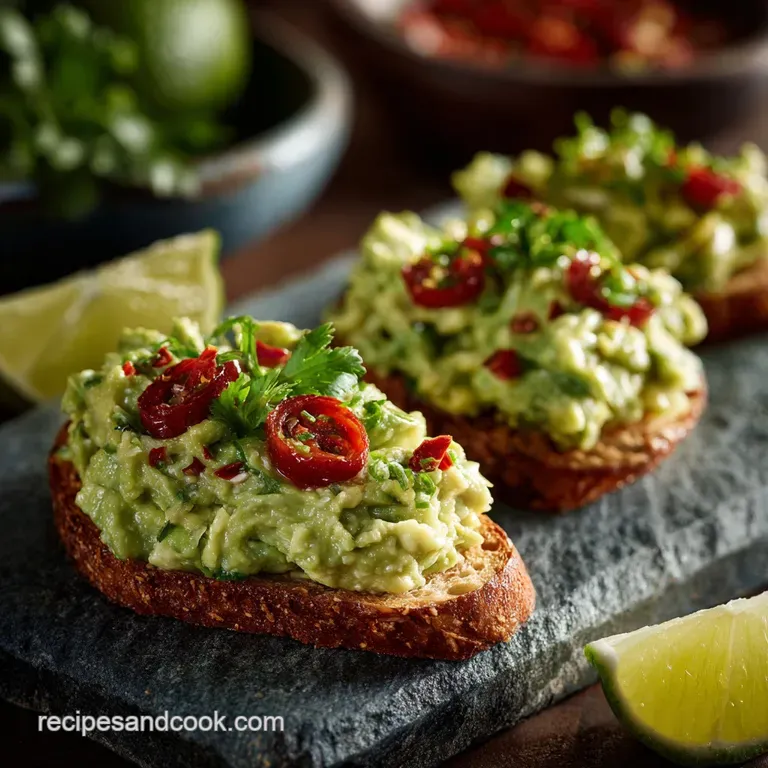
- Mastering the Authentic Guacamole Spread: An Overview
- The Science of Perfect Guacamole Texture and Flavour
- Essential Components for The Chef's Proper Guacamole
- Step-by-Step Method: Crafting Your Zesty Guacamole
- Professional Guacamole Tips and Troubleshooting
- Maximizing Freshness: How to Store Guacamole Leftovers
- The Ultimate Companions for Homemade Guacamole
- Recipe FAQs
- 📝 Recipe Card
Mastering the Authentic Guacamole Spread: An Overview
That smell. Oh my gosh, it’s the sharp, bright lime hitting that impossibly creamy avocado flesh it’s pure magic. The texture should be chunky but smooth, coating the back of your tongue with that healthy fat and a little sting of chilli.
Forget everything you thought you knew about supermarket tubs; this homemade guacamole dip is the real deal.
Honestly, this guacamole recipe easy enough for anyone is a lifesaver because it’s so fast and ridiculously cheap if you snag avocados on sale. I mean, we're talking about 15 minutes max, and you instantly have the best party dip ever created.
It makes even the lamest Tuesday feel like a proper fiesta.
But making truly proper guacamole requires a few tiny tweaks that separate the pros from the casual dippers. I’m going to walk you through the essential texture secrets, the salt activation trick, and exactly how to keep it vibrant green until the very last scoop.
Let's crack on with the perfect guacamole.
The Science of Perfect Guacamole Texture and Flavour
This isn’t just about tossing ingredients together; it's about sequence and chemistry. We are controlling oxidation by using lime juice as an immediate acid barrier. We are also building flavor depth by ensuring the salt activates the aromatics before they hit the avocado.
It's the order of operations that matters here.
Most people fail because they treat it like a generic salad, but proper guacamole is a delicate salsa that requires gentle handling. We are aiming for robust flavour, not soup, which means careful mashing and minimal mixing time. You need to respect the avocado.
Why Freshness Dictates Flavour
Avocado’s natural flavor is mild, so it completely relies on fresh, acidic companions. If your lime juice came from a plastic bottle, stop immediately; that introduces bitterness and a strange metallic flavor. The punchy sharpness of fresh citrus and cilantro is truly what makes a guacamole dip sing.
The Essential Tools for Proper Mashing
Ditch the food processor unless you genuinely want green baby food trust me, I made that mistake once in a rush. A simple fork or a sturdy potato masher gives you superior control over the final texture, allowing you to leave those beautiful, desirable chunks. We want chunky bits, not paste.
Nutrition Highlights
I absolutely love that guacamole is basically a health food disguised as a delicious chip vessel. It is packed with monounsaturated fats, which keep you feeling full and incredibly satisfied. Plus, all that fibre and potassium from the fresh produce is brilliant for you.
Balancing Acidity: The Crucial Role of Lime Juice
Lime juice does double duty: flavour and preservation. It cuts through the richness of the avocado beautifully and immediately prevents the dreaded brown colour that signals oxidation. Always err on the side of slightly too much lime; you can fix blandness with salt, but you can’t fix brownness.
Fat vs. Fibre: Achieving a Creamy vs. Chunky Consistency
The secret to creaminess is choosing the high fat Hass variety of avocado. If you mash vigorously, you release more oil for creaminess, but you destroy the fibre structure and turn it into paste. I prefer the 75% creamy background, 25% chunky ratio; it offers the best mouthfeel.
Salt Activation: Bringing Out the Avocado's Natural Sweetness
Avocado tastes completely flat without salt, almost buttery but totally boring. Salt acts like an amplifier, drawing out the moisture from the onion and chili and making the avocado taste sweeter and richer. Never be afraid to season boldly; you should taste the salt, but not overwhelmingly so.
Essential Components for The Chef's Proper Guacamole
Selecting the Perfect Ripe Hass Avocado
They should yield only slightly to gentle pressure, like squeezing the palm of your hand, without feeling mushy or soft. If they are hard, wait a day or two. If they have black spots or feel too soft, they’ll taste bitter and ruin your guacamole seasoning.
Red Onion vs. White Onion: Making the Right Choice
Red onion offers a wonderful color contrast and a necessary sharp bite that stands up to the creamy fat of the avocado. White onion is milder and sweeter, but sometimes its flavor gets completely lost. If you use white, rinse the dice quickly in cold water to remove its harsh edge.
The Best Chillies for Subtle Heat and Flavour
I almost always reach for a small jalapeño or, if I'm feeling brave, a Serrano, making sure to remove most of the seeds and membranes. They provide clean, green flavor without overpowering the other delicate ingredients. Remember to wear gloves when handling chillies; nobody wants chili eye.
Substitutions and Adjustments for Dietary Needs
Making the perfect guacamole dip is easier when you know your options for those sensitive ingredients. Here are my favorite swaps:
| Ingredient | Substitute Suggestion | Why it Works |
|---|---|---|
| Lime Juice | Lemon Juice | Use 25% less lemon, as it is generally sharper and stronger than lime. |
| Red Onion | Finely chopped Chives or Shallots | Gives a milder, more delicate savory element without the lingering heat of raw onion. |
| Cilantro/Coriander | Flat leaf Parsley | If you think cilantro tastes like soap (it’s genetic!), parsley offers a necessary fresh, green lift. |
| Jalapeño | Pinch of Cayenne or Hot Sauce | Provides the required heat kick if you can’t find fresh chilies, though it lacks the fresh green flavor. |
step-by-step Method: Crafting Your Zesty Guacamole
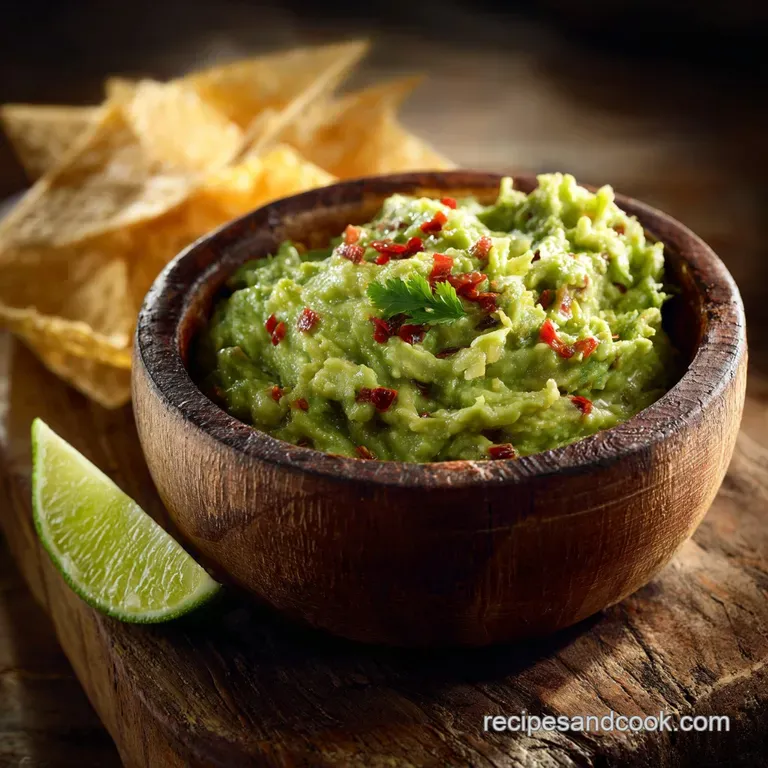
Preparing and Gently Mashing the Avocados
Get the flesh into a bowl right away, and immediately drown it in the lime juice. Mash with a fork, focusing on breaking down the large pieces while leaving plenty of small chunks intact for textural contrast. This ensures that every bite has character, making it the perfect guacamole recipe.
Integrating the Aromatics (Onion, Chili, and Cilantro Mix)
Now fold in the finely diced aromatics the onion, the chili, the cilantro and the required fine sea salt. Folding is absolutely key here; it ensures even distribution without overmixing and turning everything that dull, oxidized grey color. This method respects the delicate fats in the avocado.
Chef's Note: If you want truly next level flavor, sprinkle the diced onion, chili, and salt into a bowl and let them sit together for five minutes before adding the avocado. This process 'marinates' them, softening the onion’s raw bite and releasing maximum flavor oils.
The Final Seasoning and Resting Adjustment
Taste the mixture using a neutral, unsalted chip. Does it need more zing? Add more lime. Does the guacamole taste flat? Add more salt gradually until the flavour truly pops. Cover it tightly (I mean, really tightly) and let it rest in the fridge for 20– 30 minutes for the ultimate flavour marriage before serving.
Professional Guacamole Tips and Troubleshooting
Preventing Over Mashing: When to Stop Mixing
Stop when you have achieved the perfect ratio of creamy background to chunky bits it should look pleasantly heterogeneous. Over mashing releases too much oxidative enzyme, making it brown faster and robbing it of its lovely mouthfeel.
If it looks exactly like a thick paste, you went too far; try folding in half an unmashed avocado to save it.
Fixing Guacamole That Tastes Too Flat or Too Sour
If it’s flat, 99% of the time, it needs more salt, not more lime. Add salt gradually until the flavor completely pops and the natural sweetness of the avocado comes through. If it's too sour (you added too much lime), add a tiny pinch of sugar or, better yet, a tablespoon of extra, unseasoned mashed avocado to mute the overwhelming acid.
Maximizing Freshness: How to Store Guacamole Leftovers
Optimizing Serving Temperature for Maximum Flavor Release
Guacamole should be served slightly chilled, but never ice cold. If you chill it for the recommended 30 minutes, pull it out 10 minutes before serving.
Extreme cold mutes those delicate volatile flavors, so letting it warm up slightly helps the essential oils truly release.
The Water Bath Method for Short Term Preservation
This is my favorite secret weapon for overnight storage. Put the leftover guacamole into a rigid, airtight container and pour a 1/4 inch layer of cool tap water directly over the top. The water acts as a perfect airtight seal against oxygen. Just pour the water off carefully before serving and give it a gentle stir.
Oxidation Control: Using Barriers to Keep it Green
The key is simply eliminating all air contact, which is where the water bath or the plastic wrap technique comes in. Always press plastic wrap (cling film) directly onto the surface of the guacamole , leaving absolutely no air bubbles trapped between the food and the plastic.
I also always leave one of the avocado pits in the center of the bowl I swear by this trick, even if the science is debated.
Can You Freeze Guacamole? A Practical Answer
You can freeze it, technically, but I must warn you: the texture suffers dramatically upon thawing. It tends to become watery and grainy, and the onion flavor can intensify. If you must freeze it, leave out the chunky aromatics (onion, chili, tomato) and add them fresh after thawing.
Thaw slowly in the fridge, then stir vigorously. I only recommend freezing for use in cooked applications, like spreading on a grilled wrap or sandwich.
The Ultimate Companions for Homemade Guacamole
This is the fun part, right? While warm, salted tortilla chips are absolutely essential for a proper spread, don't forget how versatile this dip is. Try it dolloped onto sweet potato fries instead of plain sour cream, or use it as a vibrant spread inside a breakfast burrito.
It’s versatile, easy, and undeniably the best dip in existence.
Recipe FAQs
Why does my guacamole turn brown so quickly, and how can I prevent it?
The browning is caused by oxidation when the avocado flesh is exposed to air, which is a natural chemical process. To significantly slow this down, press plastic wrap directly onto the surface of the guacamole, ensuring no air bubbles remain, and refrigerate immediately.
You can also drizzle a small amount of extra lime juice over the top before covering, as the acid helps preserve the colour.
My guacamole ended up too watery or mushy. What went wrong?
Wateriness usually occurs when the avocados are overly ripe and soft, or when too much liquid is introduced, especially from ingredients like large, wet diced tomatoes. To remedy this, try gently stirring in another half of a firm (but ripe) mashed avocado for texture, or drain your diced additions thoroughly before folding them in.
Can I use pre-bottled lime juice instead of fresh lime juice?
While you can substitute bottled juice in a pinch, fresh lime juice is absolutely critical for achieving the proper bright, zesty flavour that elevates this classic dish. Bottled juice often lacks the essential oils and powerful acidity required and is not recommended for a "Proper" Guacamole.
The fresh acid is also essential for preserving the vibrant green colour.
How do I select the perfect ripe avocado for the best texture?
A perfectly ripe Hass avocado should yield slightly to gentle pressure when squeezed in the palm of your hand, but it should not feel overly mushy or bruised. If the small stem cap at the top is still attached, you can check beneath it; a green colour indicates freshness, while brown indicates over ripeness.
How can I control the heat level of the chili pepper in the recipe?
The majority of the heat in a chili pepper resides in the seeds and the white pith (ribs) of the pepper. For a milder guacamole, ensure you meticulously remove all the seeds and white membrane before chopping the pepper finely.
For a spicier version, you can include a small portion of the seeds, but add them gradually and taste as you go.
Is it safe to freeze leftover guacamole?
Freezing guacamole is not generally recommended because the thawing process fundamentally changes the texture, often resulting in a spongy, watery consistency upon defrosting. If you must store it long term, ensure you omit any fresh tomatoes or onions before freezing, as these ingredients hold significant water and thaw poorly.
Can I add sour cream or mayonnaise to make the guacamole creamier?
The traditional "Proper Guacamole" achieves its creamy texture solely through the rich fats of the avocado itself. Adding dairy like sour cream or mayo is acceptable for a variation, but it dilutes the authentic avocado flavour and significantly shortens the shelf life.
For peak creaminess, use very ripe avocados and mash them until just slightly chunky.
Proper Guacamole Recipe Easy
Ingredients:
Instructions:
Nutrition Facts:
| Calories | 280 kcal |
|---|---|
| Fat | 25 g |
| Fiber | 10 g |
