Portuguese Chicken Thighs with Charred Honey Glaze
- Time: Active 20 mins, Passive 4 hours 40 mins, Total 5 hours
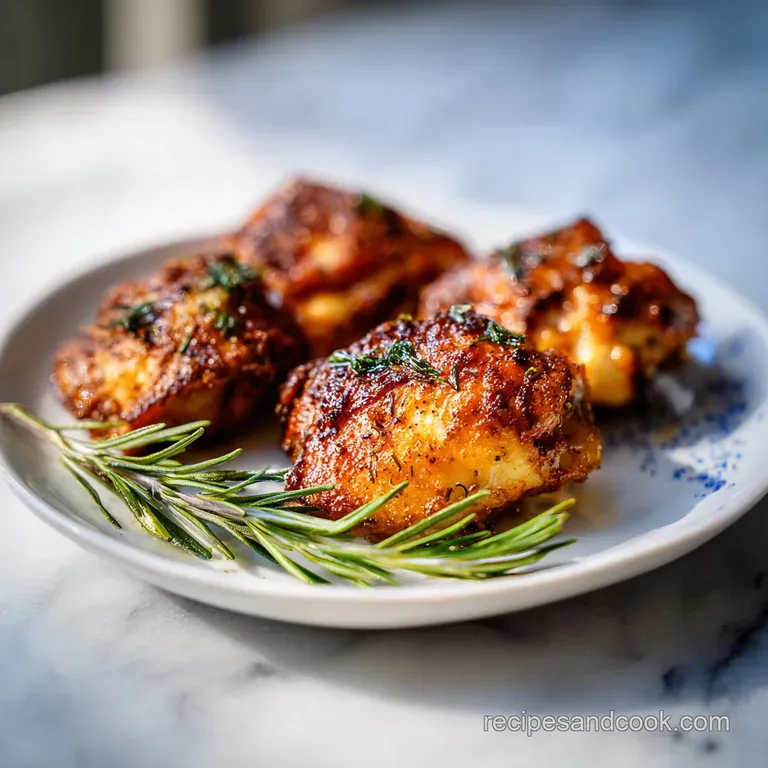
- Flavor/Texture Hook: Smoky, citrus forward skin that yields a satisfying shatter
- Perfect for: Weekend dinner, hosting friends, or bold meal prep
- Mastering Flavorful Portuguese Chicken Thighs
- The Secret to Success
- Visual Cues for Roasted Poultry
- Analyzing the Component Roles
- Core Components and Substitutes
- Essential Tools for Even Roasting
- Cooking Steps for Crispy Results
- Troubleshooting Your Sheet Pan Bake
- Creative Flavor Twists to Try
- Culinary Myths Debunked
- Storage and Reducing Food Waste
- Vibrant Sides for This Dish
- Portuguese Chicken Thighs Recipe FAQs
- 📝 Recipe Card
Mastering Flavorful Portuguese Chicken Thighs
The first time I tried making this, my kitchen smelled like a smoky dream for three days. I remember pulling the tray out of the oven, and that signature orange red oil from the paprika was bubbling around the potatoes, creating these little crispy, salty edges that are honestly the best part.
The aroma is a specific mix of sharp vinegar and earthy piri piri that hits you the second you open the oven door.
I’ve made the mistake of rushing the marinade before, and trust me, don’t do that. You want that acid to really get in there and do its job. We are aiming for skin that has a distinct shatter when you bite into it, protecting meat that stays silky and tender.
It’s a messy, hands on process that results in a tray of food so vibrant it looks like a painting.
The Secret to Success
Acidic Osmosis: The lemon juice and red wine vinegar work together to denature the surface proteins, allowing the smoked paprika and garlic to penetrate deeper than a standard oil based rub. This ensures every bite carries the heat of the piri piri rather than just the skin.
Chef Tip: Freeze your lemon for 10 minutes before zesting and juicing; it breaks the internal membranes, yielding significantly more juice with half the effort.
Another trick I swear by is bashing the garlic cloves with the flat side of a knife until they're a paste rather than just mincing them. It releases the oils more effectively, creating a velvety base for your simple portuguese chicken marinade recipe.
Visual Cues for Roasted Poultry
| Thickness | Internal Temp | Rest Time | Visual Cue |
|---|---|---|---|
| 1 inch | 175°F | 5 mins | Juices run clear when pierced |
| 1.5 inches | 175°F | 8 mins | Skin appears taut and blistered |
| 2 inches | 175°F | 10 mins | Meat pulls away from the bone |
Wait for that internal temperature to hit 175°F for thighs; unlike breasts, the dark meat needs that extra heat to break down the collagen properly.
Analyzing the Component Roles
| Ingredient | Science Role | Pro Secret |
|---|---|---|
| Smoked Paprika | Color and Flavor | Toast it in a dry pan for 30 seconds to wake up the oils |
| Honey | Maillard Reaction | Acts as the "glue" that helps the spices stick to the skin |
| Piri Piri Powder | Heat Catalyst | Start small; the heat intensifies as the moisture evaporates |
Choosing a high-quality extra virgin olive oil makes a difference here because it carries the fat soluble vitamins and flavors from the spices directly into the meat.
Core Components and Substitutes
- 0.25 cup extra virgin olive oil: Use avocado oil for a higher smoke point, though you'll lose the fruity notes.
- 3 tbsp fresh lemon juice: Lime works, but it adds a tropical vibe that shifts the profile. Why this? Breaks down proteins for tenderness.
- 2 tbsp red wine vinegar: Apple cider vinegar is a fine swap, though less punchy.
- 4 cloves garlic, minced: Use 2 tsp garlic powder if you're in a pinch.
- 2 tsp smoked paprika: Regular paprika works but lacks the essential wood fired depth.
- 1 tsp dried oregano: Dried thyme offers a similar earthy backbone.
- 0.5 tsp piri piri powder: Cayenne pepper mixed with a pinch of citrus zest.
- 1 tsp sea salt: Kosher salt is fine; just avoid fine table salt which can be too sharp.
- 0.5 tsp coarse black pepper: Freshly cracked provides a better bite.
- 1 tsp honey: Maple syrup or brown sugar for that essential caramelization. Why this? Promotes browning and balances acidity.
- 3 lbs bone in, skin on chicken thighs: Drumsticks work well too.
- 1 lb Yukon Gold potatoes, halved: Red potatoes stay firm if Yukons aren't available.
- 1 large red onion, cut into wedges: Yellow onions work but lack the sweetness.
- 1 red bell pepper, sliced into thick strips: Orange or yellow peppers for variety.
- Fresh parsley for garnish: Fresh cilantro if you prefer a brighter finish.
Essential Tools for Even Roasting
You’ll want a heavy duty sheet pan something like a Nordic Ware half sheet to prevent warping under high heat. A sturdy whisk is necessary to emulsify the marinade so the oil and vinegar don't separate.
I also highly recommend using a digital meat thermometer; it's the only way to be certain you aren't serving dry poultry or, worse, undercooked meat.
If you don't have a large enough bowl for the 3 lbs of Portuguese Chicken Thighs, a gallon sized heavy duty freezer bag works perfectly for the marinating stage. It allows you to massage the spices into every nook and cranny without getting your hands stained red from the paprika.
Cooking Steps for Crispy Results
- Whisk the olive oil, lemon juice, vinegar, garlic, paprika, oregano, piri piri, salt, pepper, and honey in a large bowl. Note: This emulsification ensures every inch gets seasoned.
- Add the chicken thighs to the marinade, ensuring they are fully submerged.
- Chill the mixture in the fridge for at least 4 hours. Note: This is where the flavor infusion happens; don't skip it.
- Preheat your oven to 400°F (200°C) and grease a large sheet pan.
- Toss the halved potatoes, onion wedges, and pepper strips in the leftover marinade.
- Arrange the vegetables in a single layer on the sheet pan, leaving spaces for the meat.
- Place the thighs skin side up on the pan, ensuring they aren't touching the vegetables too closely.
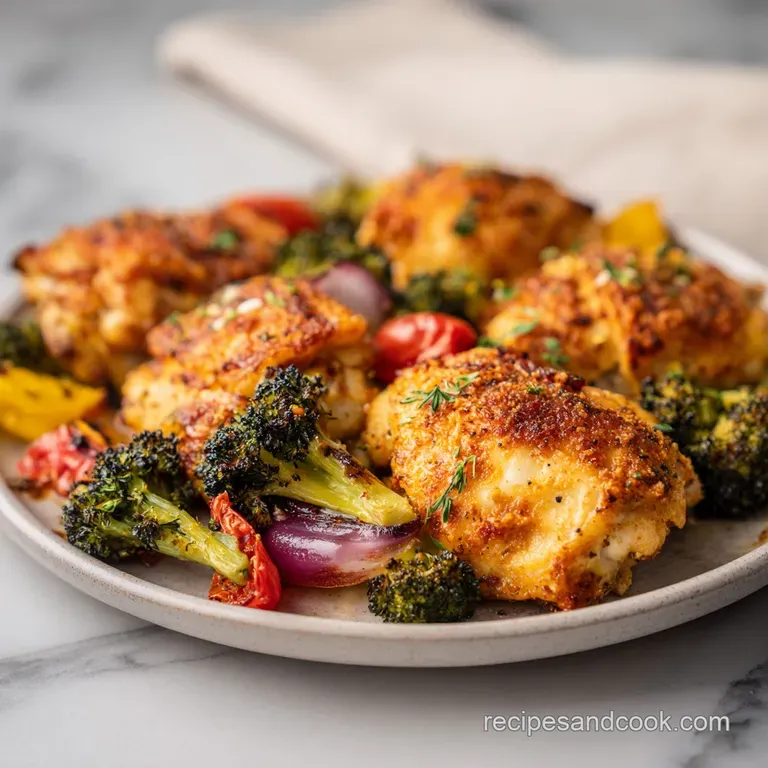
- Roast for 40 minutes until the skin is dark orange and crackling.
- Check the internal temperature to ensure it has reached 175°F.
- Rest the tray for 5 minutes before garnishing with fresh parsley and serving.
Troubleshooting Your Sheet Pan Bake
Why Your Skin Is Sogginess
If the skin isn't crisping, it’s usually due to overcrowding. When the thighs are too close together, they release steam rather than roasting in dry heat. This creates a "boiled" texture instead of that sought after shatter.
Why Your Spices Tastes Bitter
Smoked paprika can burn if it's exposed to direct, intense heat for too long without enough fat. If your oven has a "hot spot," the honey and spices might char into a bitter crust rather than a sweet, smoky glaze.
| Problem | Root Cause | Solution |
|---|---|---|
| Soggy potatoes | Too much liquid on the tray | Drain excess marinade before roasting |
| Burnt garlic | Minced too fine | Leave garlic in larger chunks or bash into a paste |
| Dry meat | Overcooked | Use a thermometer and pull at 175°F exactly |
Common Mistakes Checklist
- ✓ Pat the chicken skin dry with a paper towel before adding the marinade.
- ✓ Ensure the oven is fully preheated to 400°F before the tray goes in.
- ✓ Don't use a deep roasting pan; a flat sheet pan allows better air circulation.
- ✓ Let the marinade sit at room temperature for 15 minutes before roasting to take the chill off.
- ✓ Reserve a tablespoon of fresh marinade (before adding raw meat) to brush on at the end for a flavor boost.
Creative Flavor Twists to Try
If you want to scale this down for a smaller crowd, you can easily halve the recipe. Just use a smaller baking dish and reduce the roasting time by about 5 to 8 minutes. For scaling up, work in two separate sheet pans. Don't try to cram 6 lbs of meat onto one tray, or you'll end up with a soggy mess.
| Element | Fresh Method | Shortcut Hack | Impact |
|---|---|---|---|
| Garlic | 4 fresh cloves | 2 tsp jarred minced | Less pungent, slightly sweeter |
| Lemon | 3 tbsp fresh squeezed | Bottled lemon juice | Missing the essential oils from the zest |
If you enjoy bold aromatics, you'll love my Garlic Parmesan Chicken Thighs recipe. For those who prefer a more heat stable spice profile, adding a teaspoon of Dijon mustard to the marinade can help keep the emulsion together.
Culinary Myths Debunked
Many people believe that marinating for more than 24 hours makes the meat "better." In reality, the high acid content in this traditional portuguese chicken thighs recipe will start to "cook" the meat, turning the texture mushy rather than tender. Stick to the 4 to 6 hour window for the best results.
Another myth is that you must wash the chicken before marinating. Please don't do this! It spreads bacteria around your sink and actually makes it harder for the skin to get crispy because you're adding unnecessary moisture to the surface of the bird.
Storage and Reducing Food Waste
Storage: Keep leftovers in an airtight container in the fridge for up to 3 days. To reheat, use an air fryer or oven at 350°F to bring back the crunch; the microwave will make the skin rubbery.
Freezing: You can freeze the raw chicken in the marinade for up to 2 months. Thaw it in the fridge overnight before roasting.
Zero Waste: Don't throw away those onion peels or parsley stems. Throw them into a freezer bag and use them to make a smoky chicken stock later. Any leftover roasted potatoes can be smashed and fried in a pan the next morning for the best breakfast hash of your life. Pairing this with a lighter bird is great for meal prep variety, like my Creole Chicken with recipe.
Vibrant Sides for This Dish
While this is a complete sheet pan meal, I love serving it with a side of extra long grain rice to soak up all that piri piri infused oil. A simple green salad with a heavy vinegar dressing also helps cut through the richness of the chicken fat.
If you’re feeling adventurous, a side of charred corn with a sprinkle of feta and more smoked paprika ties the whole theme together. The goal is to keep the sides simple so the complex, smoky heat of this easy portuguese chicken thighs recipe remains the star of the show.
Enjoy that sizzle when it comes out of the oven it’s the sound of a job well done.

Portuguese Chicken Thighs Recipe FAQs
What spices are used in Portuguese chicken?
Smoked paprika, piri piri powder, dried oregano, and garlic are central to the flavor profile. The smoked paprika provides the signature color and deep, woody note that defines the dish, balancing the heat from the piri piri.
What makes Portuguese chicken different from other roasted chicken recipes?
The high acid marinade of lemon juice and red wine vinegar is the key differentiator. This acidic blend tenderizes the meat significantly more than a typical herb rub, allowing the smoky paprika flavors to penetrate deeply before roasting.
What is the famous chicken dish in Portugal?
Frango no Churrasco, or grilled piri piri chicken, is the most famous version. This recipe adapts that smoky rotisserie flavor for home ovens using smoked paprika to mimic the charcoal essence.
How to make Portuguese marinade?
Whisk together olive oil, fresh lemon juice, red wine vinegar, crushed garlic, smoked paprika, oregano, piri piri powder, salt, pepper, and honey. Ensure you mix vigorously until the oil and vinegar slightly emulsify for better coating.
Can I use chicken breasts instead of thighs for this recipe?
No, dark meat thighs are strongly recommended. Chicken thighs have higher fat content which keeps them juicy during the necessary long roast time required for crispy skin, unlike breasts which dry out quickly.
Is it true that marinating for over 12 hours makes the meat tougher?
Yes, this is absolutely true for this recipe. The high concentration of acid from the vinegar and lemon juice begins to chemically "cook" and degrade the muscle fibers past the 8-hour mark, leading to a mushy texture.
What internal temperature should Portuguese chicken thighs reach?
Pull the thighs from the oven when they register 175°F (80°C). While poultry is safe at 165°F, dark meat benefits from resting at this slightly higher temperature to fully break down the connective tissues for maximum tenderness.
Portuguese Chicken Thighs Recipe
Ingredients:
Instructions:
Nutrition Facts:
| Calories | 742 kcal |
|---|---|
| Protein | 40 g |
| Fat | 38 g |
| Carbs | 25 g |
| Fiber | 3.5 g |
| Sugar | 4.8 g |
| Sodium | 710 mg |
