Pioneer Woman Spaghetti Sauce: Hearty and Classic
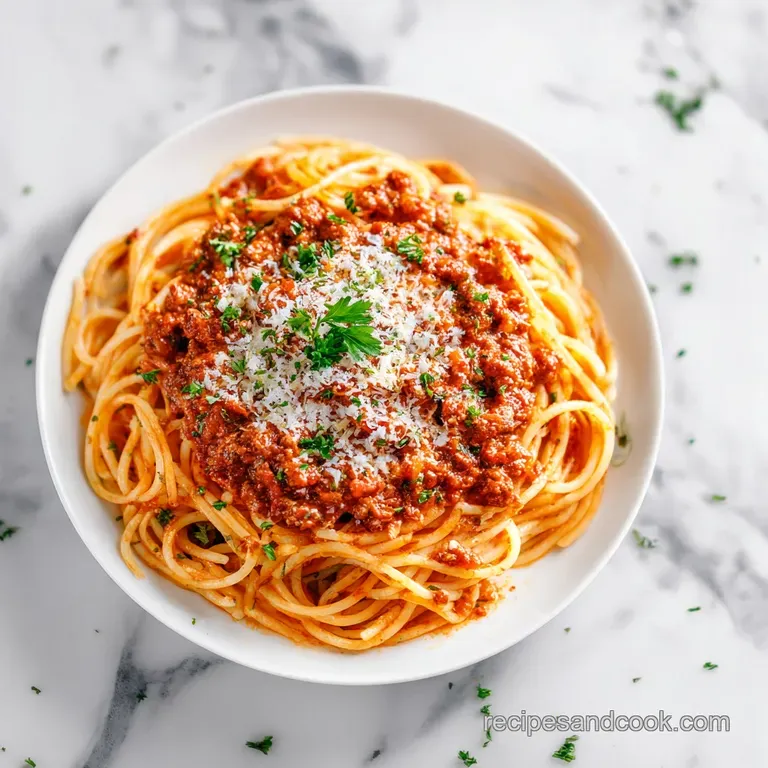
- Time: Active 15 minutes, Passive 45 minutes, Total 60 minutes
- Flavor/Texture Hook: Velvety tomato base with a deeply browned, savory beef crumble
- Perfect for: Big family gatherings, Sunday meal prep, or cozy winter nights
- The Hidden Secrets Behind This Comforting Red Sauce
- Essential Benchmarks for Your Hearty Beef Spaghetti Sauce
- Achieving Deep Flavor Through Simple Culinary Physics
- Deep Dive Into Your Component Selection
- The Right Tools for a Better Simmer
- From Prep to Plate: Executing the Method
- Precision Checkpoints for Perfection
- Common Mistakes & Troubleshooting
- Adjusting the Recipe for Large or Small Batches
- Popular Variations for Every Palate
- Debunking Common Sauce Myths
- Best Practices for Storage and Zero Waste
- Perfect Pairings for Your Sunday Feast
- Recipe FAQs
- 📝 Recipe Card
The Hidden Secrets Behind This Comforting Red Sauce
The second the ground beef hits that hot Dutch oven, you hear it that rhythmic, aggressive sizzle that promises a world of flavor. It’s a sound that takes me straight back to my grandmother's kitchen on a rainy Sunday afternoon.
There’s something timeless about the way the aroma of onions and garlic begins to dance through the house, pulling everyone toward the kitchen like a magnet. This version of the pioneer womans spaghetti sauce recipe isn't just about throwing things in a pot; it’s about the patience of the simmer and the magic of that first browned crust on the meat.
We’ve all had those thin, watery sauces that just slide off the pasta, leaving a sad puddle at the bottom of the bowl. Trust me, I’ve made that mistake more times than I’d like to admit. But this recipe is different. It’s thick, it’s rich, and it actually clings to the noodles.
The beauty lies in its simplicity and the budget friendly ingredients that somehow transform into something that tastes like it’s been bubbling on a stove in Tuscany for eight hours, even though we’re doing it in sixty minutes.
There’s a specific comfort in knowing you can feed a whole crowd with just a couple of pounds of beef and some pantry staples. Whether you’re hosting a rowdy group of teenagers after a football game or just want to fill your freezer with "emergency" meals, this is the sauce that delivers every single time.
It’s the kind of recipe that brings people together, making the house feel like a home before you even take the first bite.
Essential Benchmarks for Your Hearty Beef Spaghetti Sauce
When you're aiming for that classic comfort result, knowing your numbers matters just as much as your intuition. I used to eyeball everything, but I learned the hard way that a little precision goes a long way in making sure the sauce isn't too greasy or too thick.
Below are the hard facts you need to keep in mind while you’re prepping your station.
| Servings | Beef Amount | Liquid Ratio | Ideal Pan | Cook Time |
|---|---|---|---|---|
| 4 People | 1 lb | 1.5 cups total | 5 quart pot | 40 minutes |
| 8 People | 2 lbs | 3 cups total | 7 quart Dutch oven | 45 minutes |
| 12 People | 3 lbs | 4.5 cups total | 10 quart stockpot | 55 minutes |
Every kitchen is different, but the goal is always a velvety consistency. If you're cooking for a smaller crowd, don't be tempted to just cut everything in half and call it a day without checking your pan size.
A pan that's too big for a small amount of sauce will cause the liquids to evaporate too quickly, leaving you with a dry mess.
Achieving Deep Flavor Through Simple Culinary Physics
Understanding why we do what we do in the kitchen makes us better cooks. It’s not just about following a list; it’s about the "why" behind the sizzle. Here is what is actually happening inside your pot when you make the pioneer womans spaghetti sauce recipe.
- The Maillard Reaction: By letting the beef sit undisturbed in the hot oil for 3-4 minutes, you create a complex brown crust. This isn't just "cooking" the meat; it’s a chemical transformation that creates hundreds of different flavor compounds you simply won't get if you stir it immediately.
- Aromatic Softening: We cook the onions until they are translucent because this breaks down their sulfur compounds, turning them from sharp and biting to sweet and mellow. This provides the foundational sweetness that balances the tomatoes.
- Paste Caramelization: That two minute window where we stir the tomato paste until it turns brick red is vital. It removes the "raw" metallic taste of the canned paste and intensifies the natural sugars.
- Acid Neutralization: Tomatoes are naturally high in citric acid. Adding a touch of sugar doesn't make the sauce "sweet" it chemically balances the pH, making the sauce taste rounder and less harsh on the palate.
Comparing Two Popular Cooking Methods
While the stovetop is our primary method for this recipe, many people wonder if the oven offers a better result. Let’s look at the trade offs so you can decide which fits your Sunday schedule best.
| Method | Total Time | Texture Result | Best For |
|---|---|---|---|
| Stovetop Simmer | 60 minutes | Velvety and bright | Quick weeknight or busy Sunday |
| Oven Braise (300°F) | 1 hour 30 mins | Deeply concentrated and jammy | Slow weekends and richer flavor |
The stovetop method is brilliant because you can keep an eye on the moisture levels, but if you have the time, the oven provides a more even heat that surrounds the pot, leading to incredible depth.
Deep Dive Into Your Component Selection
Choosing the right ingredients is the difference between a "good" sauce and the "best" spaghetti sauce with ground beef. We’re looking for budget friendly items that punch above their weight class in terms of quality.
| Ingredient | Science Role | Pro Secret |
|---|---|---|
| 80/20 Ground Beef | Fat provides flavor and a silky mouthfeel | Don't drain all the fat; keep 2 tbsp for the onions |
| Tomato Paste | Acts as a natural thickener and flavor bomb | Cook until it darkens to remove the tinny aftertaste |
| Beef Broth | Provides savory depth and prevents drying | Use low sodium to control the final salt levels |
| Granulated Sugar | Balances the acidity of the canned tomatoes | Add it at the start of the simmer for better integration |
The Essential Pantry List
To make this pioneer womans spaghetti sauce recipe, you’ll need these specific quantities. Each one plays a part in the final harmony of the dish.
- 2 lbs Ground Beef: Stick with the 80/20 ratio. Leaner beef like 90/10 can end up feeling dry and pebbly in a long simmered sauce. Why this? The fat emulsifies into the tomato base for a richer texture.
- 1 large Yellow Onion: Finely diced. You want it to almost melt into the sauce.
- 4 cloves Garlic: Minced fresh. Please, avoid the pre jarred stuff; it lacks the aromatic punch we need.
- 1 can (28 oz) Crushed Tomatoes: This provides the "body" of your sauce.
- 1 can (15 oz) Tomato Sauce: For a smooth, consistent base.
- 1 can (6 oz) Tomato Paste: This is your secret weapon for thickness.
- 0.5 cup Beef Broth: Adds a layer of "meatiness" that water just can't match.
- 2 tbsp Granulated Sugar: Essential for cutting through the tomato's zing.
- Dried Herbs: 1 tsp each of Oregano and Basil. Dried herbs actually thrive in long simmers.
- 0.5 tsp Red Pepper Flakes: Just enough for a "back of-the throat" warmth, not a spicy kick.
- Fresh Parsley: Added at the very end to wake up all the heavy flavors.
Smart Swaps for Budget and Diet
Sometimes the grocery store is out of stock, or you're trying to save a few dollars. Here’s how to pivot without losing that classic meat sauce recipe vibe.
| Original Ingredient | Substitute | Why It Works |
|---|---|---|
| Beef Broth | Chicken Broth or Water | Similar liquid volume. Note: Water will need an extra pinch of salt |
| Fresh Garlic | 1 tsp Garlic Powder | Concentrated flavor. Note: Add it with the dried herbs, not the onions |
| Crushed Tomatoes | Whole Peeled Tomatoes | Same flavor profile. Note: You must crush them by hand or with a fork |
If you happen to have leftovers of other dishes, like my Pioneer Woman Tomato Soup, you can even stir a splash of that in to add creaminess, though it’s certainly not traditional!
The Right Tools for a Better Simmer
You don't need a professional kitchen, but a few specific pieces of equipment make this easy homemade pasta sauce much more enjoyable to prepare.
A heavy bottomed pot, ideally a cast iron Dutch oven (like a Lodge), is my absolute favorite. The thick walls hold heat steadily, which prevents the bottom of your sauce from scorching during that 45 minute simmer. If you use a thin stainless steel pot, you'll need to stir much more frequently to avoid "hot spots."
You’ll also want a sturdy wooden spoon or a flat edged meat masher. These are essential for breaking up the beef into those tiny, uniform crumbles that give the sauce its classic "meat sauce" texture.
Finally, a sharp chef's knife makes quick work of the onion and garlic, ensuring the aromatics are small enough to soften quickly.
From Prep to Plate: Executing the Method
Follow these steps exactly to ensure your hearty beef spaghetti sauce turns out perfectly every time. Don't rush the browning; it's the most important part of the whole process.
- Brown the beef. Place your Dutch oven over medium high heat. Add the 2 lbs of ground beef and let it sit without stirring for 3-4 minutes. You are looking for a dark, caramelized crust on the bottom.
- Crumble and drain. Once that crust has formed, use your spoon to break the meat into small crumbles. Cook until no pink remains. Drain the grease, but leave about 2 tablespoons in the pot for flavor.
- Sauté the aromatics. Lower the heat to medium. Add the diced onion and 1 tbsp olive oil. Cook for about 5 minutes until the onions are soft and see through.
- Toast the paste. Add the minced garlic and the 6 oz of tomato paste. Stir constantly for 2 minutes until the paste smells sweet and turns a dark brick red.
- Build the base. Pour in the crushed tomatoes, tomato sauce, and beef broth. Use your spoon to scrape any brown bits (the fond) off the bottom of the pot.
- Season the pot. Add the 2 tbsp sugar, oregano, basil, red pepper flakes, salt, and black pepper. Stir well to combine all the spices.
- The long simmer. Bring the sauce to a gentle boil, then immediately turn the heat to low. Simmer uncovered for 30-45 minutes. You’ll know it’s ready when the sauce is thick enough to coat the back of a spoon.
- The finishing touch. Taste the sauce. If it's too acidic, add a tiny pinch more sugar. Just before serving, stir in the 1/4 cup of fresh parsley for a pop of color and freshness.
Precision Checkpoints for Perfection
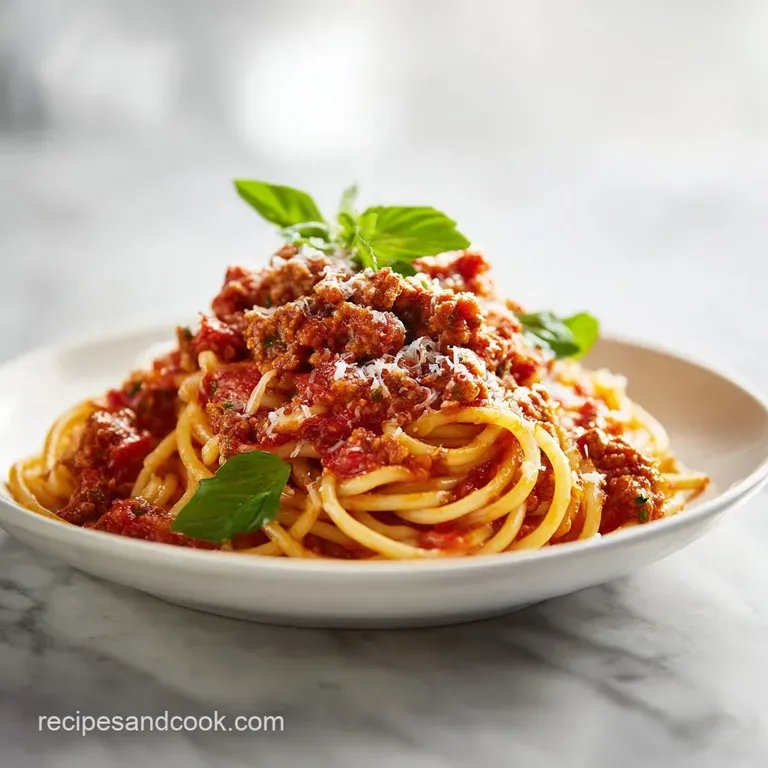
- Browning: The meat should take at least 4 minutes to get that first "crust."
- Simmer Temperature: You should see only a few small bubbles breaking the surface every few seconds (a "lazy" bubble).
- Consistency: After 45 minutes, the volume should have reduced by about 10-15%, concentrating the flavors.
Common Mistakes & Troubleshooting
Even the best of us hit a snag sometimes. If your pioneer womans spaghetti sauce recipe isn't looking quite right, don't panic. Most things are easily fixed with a little kitchen chemistry.
Why Your Sauce Is Too Acidic
If the sauce tastes sharp or "tinny," it’s usually because the tomatoes were particularly acidic or the tomato paste didn't cook long enough. Tomatoes vary by brand and season, so the acidity level is never the same twice.
| Problem | Root Cause | Solution |
|---|---|---|
| Too Acidic | High citric acid in tomatoes | Add 1 tsp of sugar or a pinch of baking soda |
| Too Thin | Not enough evaporation | Simmer uncovered for another 15 minutes |
| Too Salty | Broth or canned goods were high sodium | Add a peeled potato to the pot for 10 mins to absorb salt |
Why Your Sauce Feels Greasy
If you see a thick layer of yellow oil floating on top, you likely didn't drain enough fat after browning the beef. While fat is flavor, too much of it prevents the sauce from emulsifying, making it feel heavy and slick on the tongue.
Common Mistakes Checklist
- ✓ Pat the meat dry: If the beef is wet from the package, it will steam instead of sear.
- ✓ Don't skip the paste: Tomato paste is what provides the "thickness" without needing hours of reduction.
- ✓ Avoid high heat simmers: Boiling the sauce too hard will break down the beef into a mushy texture.
- ✓ Use fresh garlic: Jarred garlic often has an acidic preservative that clashes with the tomatoes.
Adjusting the Recipe for Large or Small Batches
Scaling this pioneer womans spaghetti sauce recipe is quite simple, but you have to be careful with the spices. Spices don't always scale linearly; if you double the recipe, doubling the red pepper flakes might make it twice as hot as you intended!
Scaling Down (For 2-4 People)
If you only need a small batch, use a smaller 3 quart pot. Reduce the cook time by about 10 minutes since the smaller volume will reach the desired thickness faster.
You can use half a pound of beef and half cans of the tomato products, though it's often easier to make the full batch and freeze the rest.
Scaling Up (For a Crowd)
When doubling the recipe for a party, use a large stockpot. Be careful with the salt and red pepper flakes start with 1.5 times the amount and taste before adding the rest.
You will likely need to simmer for an extra 10-15 minutes because the larger volume of liquid takes longer to heat through and evaporate.
Popular Variations for Every Palate
Sometimes you want to deviate from the classic pioneer womans spaghetti sauce recipe to suit your mood or dietary needs. Here are a few ways I’ve tweaked this over the years.
- The Spicy "Cowboy" Version: Double the red pepper flakes and add a finely diced jalapeño (seeds removed) along with the onions. It adds a wonderful heat that pairs perfectly with a cold beer.
- The Veggie Loaded Twist: Grate a zucchini and a carrot and sauté them with the onions. They practically disappear into the sauce but add a subtle sweetness and a boost of nutrition.
- Low Carb Options: If you're skipping the pasta, this sauce is incredible served over roasted spaghetti squash or even just a bowl of steamed broccoli. If you want a different creamy experience, you might also enjoy my Pioneer Woman Alfredo Sauce for a "pink sauce" mashup.
- The Meatless Alternative: You can swap the ground beef for plant based crumbles or even finely chopped mushrooms. If using mushrooms, sauté them until all their moisture has evaporated to get that "meaty" bite.
Debunking Common Sauce Myths
There are a lot of "rules" out there about Italian American sauces, but not all of them hold water. Let's set the record straight on a few things.
Myth: You must simmer sauce all day for it to be good. Truth: While a long simmer develops deep flavors, 45 minutes to an hour is the "sweet spot" for a meat sauce. Any longer and the beef can lose its texture, becoming overly soft and losing its distinct bite.
Myth: Searing meat "seals in" the juices. Truth: Searing is purely for flavor. It creates the Maillard reaction, which adds those savory, roasted notes to the sauce. The meat actually loses moisture when it's seared, but the trade off in flavor is 100% worth it.
Myth: Adding a carrot is the only way to sweeten sauce. Truth: A carrot works by releasing its natural sugars, but it also changes the texture. Plain granulated sugar is a faster, more precise way to balance acidity without adding bulk to the sauce.
Best Practices for Storage and Zero Waste
This sauce is arguably better the next day after the flavors have had a chance to mingle in the fridge. It’s the ultimate make-ahead meal.
- Fridge
- Store in an airtight container for up to 4 days.
- Freezer
- This sauce freezes beautifully. Let it cool completely, then pour into gallon sized freezer bags. Lay them flat to freeze so they take up less space. It will stay fresh for up to 3 months.
- Reheating
- Thaw overnight in the fridge. Heat in a saucepan over medium low heat, adding a splash of water or beef broth if it has thickened too much in the cold.
Zero Waste Tips Don't throw away those herb stems! The stems of the parsley have just as much flavor as the leaves. Finely mince them and sauté them with the onions at the beginning. If you have a rind of Parmesan cheese sitting in your fridge, toss it into the sauce while it simmers.
It adds a salty, umami depth that is absolutely "shatter"-ingly good. Just remember to fish out the rind before serving!
Perfect Pairings for Your Sunday Feast
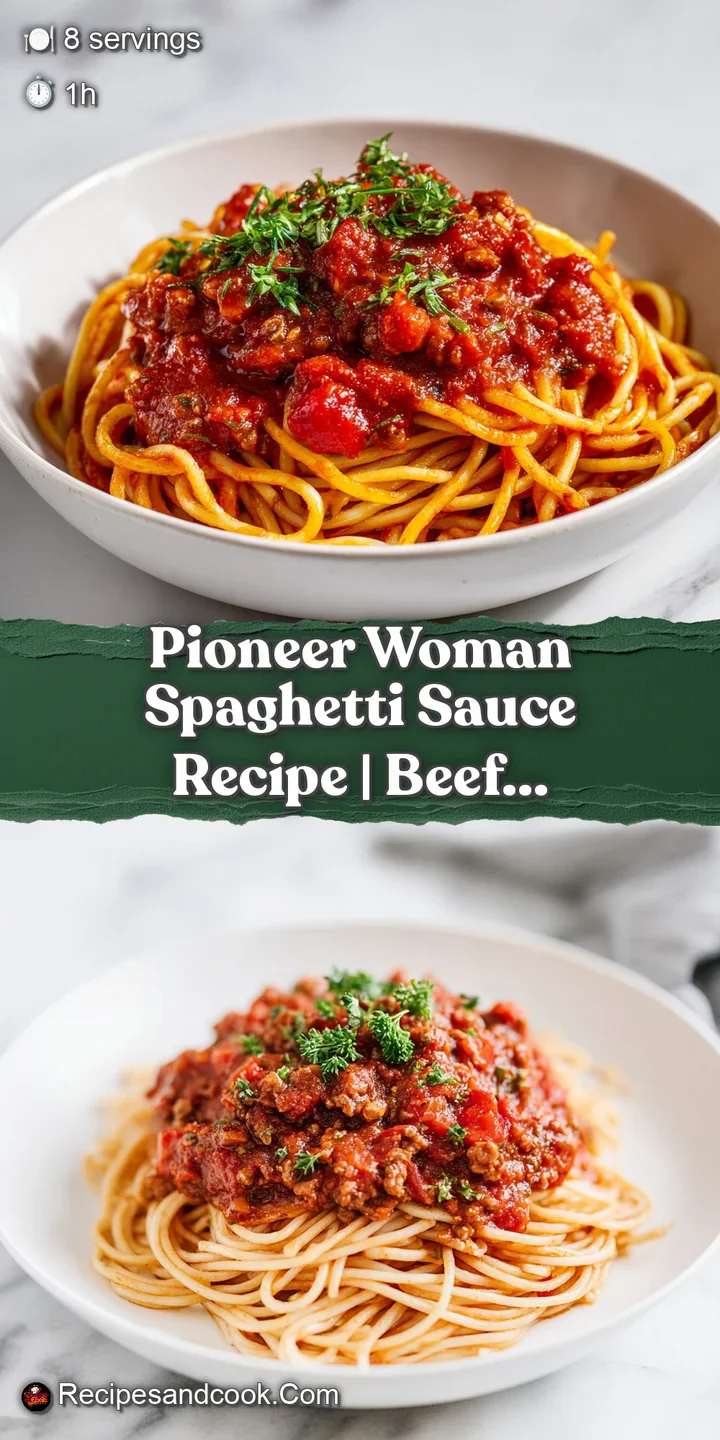
While a big pile of spaghetti is the obvious choice, this sauce is versatile enough for many different sides. A crusty loaf of garlic bread is non negotiable for "mopping" up the extra sauce. I also love serving this alongside a crisp green salad with a sharp vinaigrette to cut through the richness of the beef.
If you’re looking for a complete menu, this sauce also works as the perfect base for a Pioneer Woman Chicken Spaghetti if you decide to swap the chicken for beef, or as a layer in a classic lasagna. Whatever you choose, this recipe is a reliable friend in the kitchen simple, honest, and always there to provide a warm, velvety hug in a bowl. Enjoy the process, smell the garlic, and most importantly, make sure you have someone there to share it with!
Recipe FAQs
What is the secret to really good spaghetti sauce?
Developing a deep brown crust on the beef is essential. By cooking the meat undisturbed for 3-4 minutes initially, you build a foundation of flavor that carries through the entire sauce.
What marinara sauce does Ree Drummond use?
She prepares this scratch made version using crushed tomatoes, tomato sauce, and tomato paste simmered with herbs and beef broth. If you enjoyed learning how to layer these flavors, you can apply similar logic to creating the base for our velvety sauce in other dishes.
What is a common mistake when making spaghetti sauce?
Failing to properly toast the tomato paste. You must stir the paste constantly for 2 minutes until it shifts from bright red to a deep brick red color; this step removes the raw, metallic tinny flavor.
What does Gordon Ramsay put in his spaghetti sauce?
While individual methods vary, professional chefs often emphasize building flavor through stages. This recipe uses granulated sugar and dried herbs like oregano and basil to balance the acidity of the tomatoes.
How to fix thin or watery sauce?
Simmer the sauce uncovered for longer than 45 minutes. Maintaining a low heat allows excess liquid to evaporate, resulting in a thick, velvety texture without needing thickeners.
Is it true that I should add fresh herbs at the very beginning of the cook?
No, this is a common misconception. Fresh herbs like parsley lose their flavor and brightness when boiled for long periods, which is why we stir them in just before serving.
How to handle leftover ground beef after draining?
Drain all but 2 tablespoons of the rendered fat before adding your onions to ensure the sauce has richness without becoming overly greasy. Properly managing these fat ratios is a fundamental skill for many stovetop preparations.
Pioneer Woman Spaghetti Sauce
Ingredients:
Instructions:
Nutrition Facts:
| Calories | 328 kcal |
|---|---|
| Protein | 23.6 g |
| Fat | 19.2 g |
| Carbs | 14.8 g |
| Fiber | 2.9 g |
| Sugar | 8.4 g |
| Sodium | 685 mg |
