Pioneer Woman Cinnamon Rolls: Fluffy and Golden
- Time: Active 150 minutes, Passive 20 minutes, Total 170 minutes
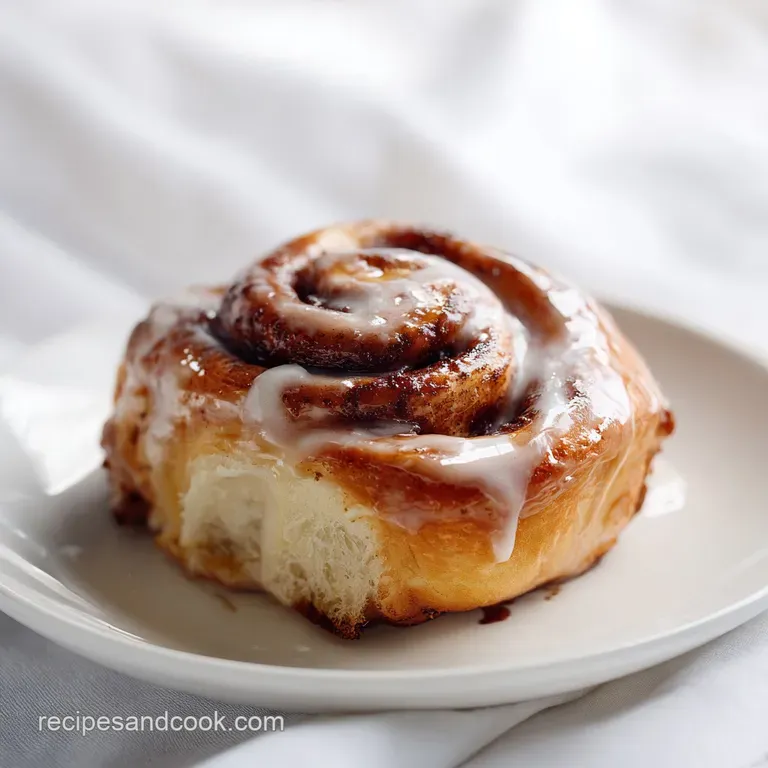
- Flavor/Texture Hook: Pillowy, yeast risen dough with a mahogany gold crust and silky coffee infused icing.
- Perfect for: Holiday breakfast traditions, large family brunches, or impressive edible gifting.
- Master the Authentic Pioneer Woman Cinnamon Roll Recipe
- Why the Scalded Milk Works
- Analyzing the Role of Each Ingredient
- Gear Needed for Bakery Level Results
- Essential Ingredients and Smart Substitutes
- Transforming Dough into Mahogany Masterpieces
- Pro Fixes for Common Baking Hurdles
- Flavor Twists and Dietary Substitutions
- Maximize Freshness and Reduce Waste
- Mastering the Presentation Levels
- Debunking Cinnamon Roll Misconceptions
- Completing the Morning Spread
- Recipe FAQs
- 📝 Recipe Card
Master the Authentic Pioneer Woman Cinnamon Roll Recipe
Long before this specific method hit the internet and changed how we think about breakfast, these rolls were the backbone of ranch style hospitality. In the American Midwest, a cinnamon roll isn't just a pastry; it's a cultural symbol of "stopping by for coffee." Traditionally, these were made in massive batches because you never knew if a neighbor or a work crew would be coming through the door.
This recipe represents that spirit of abundance, producing 24 generous rolls that fill the entire house with the scent of warm yeast and toasted spice.
The magic of the Pioneer Woman approach lies in the "scalded milk" technique, a vintage baker’s secret that fell out of fashion until it was brought back to the mainstream. By heating the milk and oil together before adding the flour, you're not just mixing ingredients; you're changing the molecular structure of the proteins in the milk.
This results in a dough that is incredibly supple and easy to work with, even for someone who feels intimidated by yeast. It’s the kind of recipe that makes you feel like a professional baker the moment you see that mahogany gold crust emerging from the oven.
We aren't aiming for those pale, doughy rolls you find in a pressurized can. We want something substantial yet airy, with a deep caramelization on the bottom where the butter and coconut sugar have fused together.
Whether you're making these for a quiet Sunday or a frantic Christmas morning, the process is rhythmic and satisfying. It’s about the sizzle of the butter as it hits the warm dough and the way the coffee spiked icing melts into the spirals.
Why the Scalded Milk Works
Understanding the "why" behind the steps makes the "how" much easier to manage. This recipe uses a few specific techniques that separate it from your standard bread dough, ensuring that even after 150 minutes of prep, the results are exactly what you expect.
- Protein Denaturation: Scalding the milk breaks down whey proteins that can otherwise weaken gluten structure, leading to a much higher rise and a softer interior.
- Fat Suspension: Incorporating the vegetable oil into the warm milk ensures the fat is evenly distributed, creating a "short" crumb that stays tender for days.
- The Double Lift: Using active dry yeast for the primary rise and then adding baking powder and soda later provides a "safety net" of leavening that guarantees fluffiness.
- Delayed Salting: Adding the sea salt and chemical leaveners after the initial hour long rest prevents the salt from slowing down the yeast activity during the critical first bloom.
| Method | Time | Texture | Best For |
|---|---|---|---|
| Fresh Baked | 170 minutes | Ultra fluffy, meltingly soft icing | When you want the full sensory experience |
| Overnight Rise | 12 hours | More complex, fermented flavor | Low stress holiday mornings |
| Frozen (Unbaked) | 30 mins (prep) | Slightly denser but still fresh | Long term meal prep for individuals |
The beauty of this dough is its resilience. While many yeast recipes are finicky about temperature and humidity, the high liquid content here makes it very forgiving. Even if your kitchen is a bit chilly, that hour long rest in the pot creates its own microclimate to help the yeast thrive.
Analyzing the Role of Each Ingredient
Every component in this recipe has a job to do. We aren't just adding things for flavor; we are building a structural masterpiece that needs to hold up to 1.5 cups of melted butter. When you use coconut sugar instead of refined white sugar, you're adding a hint of caramel like depth that pairs perfectly with the cinnamon. For more insights into how different sugars affect moisture in baking, you might find my Pioneer Woman Banana Bread recipe helpful, as it explores similar moisture locking techniques.
| Ingredient | Science Role | Pro Secret |
|---|---|---|
| Whole Milk | Provides the liquid base and fat for a tender, velvety crumb. | Use 1 quart and don't skip the scalding; it's the key to the softness. |
| Vegetable Oil | Interferes with gluten strands to keep the bread "short" and soft. | Oil stays liquid at room temp, keeping rolls softer longer than butter alone. |
| Active Dry Yeast | The primary engine for fermentation and air pocket creation. | Ensure the milk has cooled to 100°F–110°F or you will kill the yeast. |
| Brewed Coffee | Adds acidity to the icing to balance the intense sweetness. | Use a dark roast to bring out the earthy notes of the cinnamon. |
Using the right flour is equally important. All purpose flour provides just enough protein to give the rolls structure without making them "bready" or tough. We use 8.5 cups total, but the way we split it (8 cups first, then 0.5 cups later) allows the dough to hydrate properly during the first rest.
Gear Needed for Bakery Level Results
You don't need a professional kitchen, but a few specific tools make this process much smoother. First and foremost, you need a large, heavy bottomed pot (like a Dutch oven). Since we start by heating the milk and oil, using the same pot for the rise saves dishes and keeps the dough warm.
For the rolling phase, a large, clean counter space is a must. You'll be rolling this out to a 30x10 inch rectangle, so clear off the clutter. A good rolling pin preferably a heavy marble or wooden one will help you get that dough thin enough to create those beautiful, tight spirals.
When it comes to cutting, forget the knife. A sharp knife often squashes the delicate air pockets we just spent two hours building. Instead, use a long piece of unflavored dental floss or heavy sewing thread. You slide it under the log, cross it over the top, and pull.
It "shatters" through the dough fibers cleanly, leaving the swirl perfectly intact.
Essential Ingredients and Smart Substitutes
The list below follows the exact quantities needed for a successful batch of 24 rolls. I've included substitutions that work without ruining the chemistry of the dough.
- 1 quart whole milk: Why this? The fat content is crucial for the tender crumb. (Sub: 2% milk; the rolls will be slightly less rich.)
- 0.75 cup vegetable oil: Why this? Provides moisture that doesn't "set" firm like butter. (Sub: Melted coconut oil for a subtle tropical scent.)
- 1.75 cups coconut sugar (divided): Why this? Lower glycemic index and deeper flavor than white sugar. (Sub: Light brown sugar; it has a similar moisture profile.)
- 0.5 oz active dry yeast: Why this? Provides a reliable, steady rise. (Sub: 0.4 oz instant yeast; skip the 5 minute bloom.)
- 8.5 cups all purpose flour: Why this? The perfect middle ground for structure and softness. (Sub: Bread flour; results in a chewier, more "artisan" texture.)
- 1.5 cups melted salted butter: Why this? Creates the gooey, rich filling and crispy bottom. (Sub: Unsalted butter + 1/2 tsp extra salt.)
- 8 oz low-fat cream cheese: Why this? Tanginess balances the sugar in the icing. (Sub: Full fat cream cheese for a thicker, richer frosting.)
- 2 tbsp brewed coffee: Why this? Cuts through the sugar and enhances the cinnamon. (Sub: Milk or heavy cream if you want a neutral flavor.)
Transforming Dough into Mahogany Masterpieces
- Scald the base: Combine 1 quart whole milk, 3/4 cup vegetable oil, and 3/4 cup coconut sugar in a large pot. Heat over medium heat until small bubbles form around the edges—until it is just about to boil.
- Cool it down: Remove the pot from the heat. Let it sit until it reaches lukewarm (100°F–110°F). Note: If it's too hot, the yeast dies; too cold, it won't wake up.
- Bloom the yeast: Sprinkle 0.5 oz active dry yeast over the surface. Let it sit for 5 minutes until a thick, foamy head forms.
- Initial mix: Stir in 8 cups of all purpose flour using a sturdy wooden spoon. The dough will be very sticky and shaggy.
- The first rise: Cover the pot with a clean towel. Place in a warm spot for 1 hour until the dough has doubled in size.
- Secondary seasoning: Stir in 1 tsp baking powder, 1 tsp baking soda, 1 tbsp sea salt, and the final 1/2 cup of flour. The dough will become smoother and more elastic.
- Roll it out: On a floured surface, roll the dough into a 30x10 inch rectangle. Aim for a consistent thickness of about 1/4 inch.
- The filling: Pour 1.5 cups of melted salted butter over the dough. Sprinkle 3 tbsp cinnamon and 1 cup coconut sugar evenly until every inch is covered in dark, sandy goodness.
- The roll and cut: Roll the dough tightly toward you. Slice into 24 even rounds using dental floss.
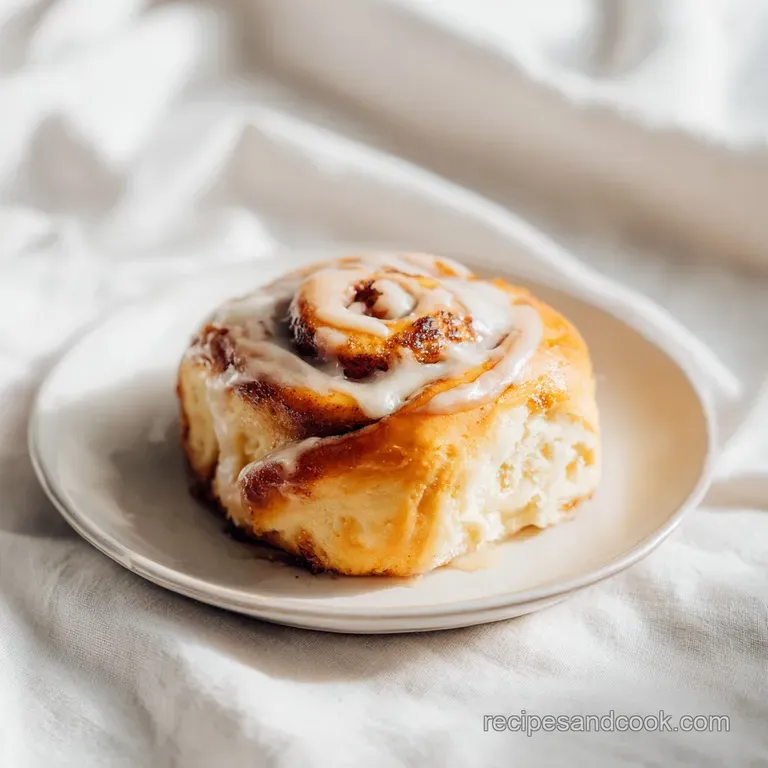
- The final bake: Place in buttered pans and rise for 45 minutes. Bake at 375°F (190°C) for 15 to 20 minutes until the tops are a deep mahogany gold and the centers are set. Whisk the icing ingredients and drizzle while the rolls are still radiating heat.
Pro Fixes for Common Baking Hurdles
Even with a foolproof recipe, yeast can sometimes be a bit temperamental. If things don't look right, don't panic. Most dough issues are easily fixed if you catch them early.
Why Your Dough Won't Rise
If an hour has passed and your dough looks the same as when you mixed it, your yeast likely didn't activate. This usually happens because the milk was too hot (killing the yeast) or too cold (leaving it dormant). Another culprit could be expired yeast; always check the date on the packet.
Why Your Rolls Are Dry
Dry rolls often come from adding too much flour during the rolling process. It's tempting to keep dusting the counter so the dough doesn't stick, but that extra flour gets worked into the spirals and absorbs the butter. Use just enough to move the dough, and no more.
| Problem | Root Cause | Solution |
|---|---|---|
| Sticky Dough | High hydration or humid kitchen | Chill the dough for 30 mins before rolling; cold dough is easier to handle. |
| Gooey Centers | Oven too hot or pulled too early | Tent with foil and bake 5 mins longer. Internal temp should be 190°F. |
| Leaking Butter | Roll was too loose | Pinch the seam tightly and ensure the second rise happens in a warm (not hot) spot. |
Common Mistakes Checklist
- ✓ Check your yeast freshness by blooming it in the milk before adding flour.
- ✓ Ensure the milk is between 100°F and 110°F using a digital thermometer.
- ✓ Don't skip the second rise; this is what creates the airy, fluffy texture.
- ✓ Use unflavored dental floss for cutting to avoid squishing the dough layers.
- ✓ Frost the rolls while they are warm so the icing seeps into the cracks.
Flavor Twists and Dietary Substitutions
If you're cooking for a smaller crowd, the Pioneer Woman Cinnamon Roll Recipe Small Batch approach is your friend. Simply halve all the ingredients. When halving the 0.5 oz of yeast, use about 2.25 teaspoons. You can use two 8 inch round cake pans instead of a large rectangular baking sheet.
If you are looking for a savory companion for these sweet treats, the Pioneer Woman Sausage Rolls are an excellent choice to serve alongside them. The contrast between the salty sausage and the sweet cinnamon is a classic brunch winning move.
| Original Ingredient | Substitute | Why It Works |
|---|---|---|
| Coconut Sugar | Dark Brown Sugar | Similar molasses content. Note: Slightly sweeter than coconut sugar. |
| Salted Butter | Vegan Butter Sticks | Same fat to water ratio. Note: Check for a high-quality brand that browns well. |
| Brewed Coffee | Spiced Rum | Adds a boozy, warm depth. Note: Evaporates during the "warm drizzle" phase, leaving just flavor. |
Maximize Freshness and Reduce Waste
These rolls are at their absolute peak about 20 minutes after they come out of the oven, but we all know that 24 rolls is a lot for one sitting. To store them, wait until they are completely cool, then wrap them tightly in plastic wrap. They will stay soft at room temperature for up to 3 days.
Freezing Instructions: You can freeze these rolls at two different stages. First, you can freeze the cut, unbaked rolls. Place them on a tray to freeze solid, then move to a bag.
When you're ready to bake, let them thaw and rise in a buttered pan for about 4-5 hours before hitting the oven. Alternatively, freeze the fully baked and iced rolls. Reheat them in a 300°F oven for 10 minutes to bring back that "just baked" feel.
Zero Waste Tip: If you happen to have leftover rolls that have gone a bit stale, don't toss them! Cut them into cubes and use them as the base for a decadent bread pudding. The cinnamon and cream cheese icing already provide most of the flavor you need; just add an egg custard and bake.
You can also dry out the scraps to make "Cinnamon Toast" croutons for topping yogurt or oatmeal.
Mastering the Presentation Levels
How you serve these depends entirely on the vibe of your morning. You can go from casual kitchen counter vibes to a full on restaurant style plated dessert with just a few tweaks.
- Level 1: Simple (Family Style): Serve the rolls right in the baking pan. Drizzle the icing haphazardly and let everyone pull their own roll out. This keeps the heat in and the butter pooled at the bottom.
- Level 2: Polished (The Brunch Platter): Remove the rolls from the pan once they are slightly cooled. Arrange them in a concentric circle on a large wooden board or white platter. Top with extra orange zest or a sprinkle of toasted pecans for crunch.
- Level 3: Restaurant (Individual Plating): Place a single warm roll in the center of a shallow bowl. Add a small dollop of extra whipped cream cheese on top and a sprig of mint. Dust the rim of the bowl with a tiny bit of extra cinnamon for a professional touch.
| Feature | Simple | Polished | Restaurant |
|---|---|---|---|
| Icing | Poured over all | Piped in spirals | Warm glaze + whipped dollop |
| Toppings | None | Toasted nuts | Fresh berries/Zest |
| Serving | Direct from pan | Large platter | Individual bowl |
Debunking Cinnamon Roll Misconceptions
One of the biggest myths in baking is that "more yeast equals a better rise." In reality, too much yeast can make your rolls taste like beer and cause the dough to collapse after it hits the oven.
This recipe uses exactly 0.5 oz for 8.5 cups of flour, which is a balanced ratio that allows for a slow, flavorful fermentation.
Another common belief is that you must use bread flour for yeast rolls. While bread flour has more protein and creates more chew, all purpose flour is actually superior for this specific style of roll.
We want a "shatter crisp" exterior and a cloud like interior, which is exactly what all purpose flour provides when combined with the tenderizing power of the milk and oil.
Completing the Morning Spread
While these rolls are the undisputed star of the show, they benefit from having some savory friends on the table. To balance out the 27g of sugar per serving, I usually serve these with high protein sides. A simple plate of thick cut bacon or a spicy breakfast hash works wonders.
If you're hosting a larger crowd and want to stick with the "Pioneer" theme, consider adding a Corn Casserole recipe to your mid day spread. It provides a creamy, savory counterpoint to the sweet cinnamon. The coffee in the icing also makes these rolls the perfect companion for a standard pot of black coffee or a vanilla latte. No matter how you serve them, the goal is the same: a warm, sticky, homemade treat that makes everyone forget about their to do lists for a few minutes. That's the real power of a good cinnamon roll.

Recipe FAQs
What are the ingredients in Pioneer Woman's cinnamon rolls?
This recipe requires 1 quart whole milk, 0.75 cup vegetable oil, 0.75 cup coconut sugar, 0.5 oz active dry yeast, and 8.5 cups all-purpose flour. For the leavening and seasoning, you need 1 tsp baking powder, 1 tsp baking soda, 1 tbsp sea salt, 1.5 cups melted salted butter, 3 tbsp ground cinnamon, and 1 cup additional coconut sugar.
The icing is made from 8 oz low-fat cream cheese, 3 tbsp maple syrup, 1.5 cups organic powdered sugar, and 2 tbsp brewed coffee.
What is the secret ingredient in Cinnabon?
While Cinnabon guards their specific formulation, many home bakers find that the secret to that signature depth in homemade rolls is using high-quality ground cinnamon and a reliable yeast bloom. If you enjoyed mastering spice blending here, you can apply similar flavor balancing techniques to other recipes in your kitchen.
Who makes the world's best cinnamon rolls?
The best rolls are homemade. By following the steps to proof your dough properly and using fresh ingredients, you can achieve a superior texture and flavor profile that mass produced versions simply cannot match.
What are common mistakes when making homemade cinnamon rolls?
Skipping the second rise is the most frequent error. Allowing the dough to rest for 45 minutes after slicing is essential to achieve the signature airy, fluffy texture. Additionally, always use a digital thermometer to ensure your milk is between 100°F and 110°F to avoid killing the yeast.
How to cut cinnamon rolls without squishing them?
Use a length of unflavored dental floss or thin thread. Slide the string underneath the log, cross it over the top at your desired mark, and pull quickly to slice through the layers without compressing the dough.
How to ensure the icing soaks into the rolls?
Apply the icing while the rolls are still warm. Spreading the cream cheese and coffee mixture immediately after removing the pan from the oven allows the warmth to melt the glaze slightly so it seeps into the interior layers.
Is it true that I should use a high heat oven to get a golden crust?
No, this is a common misconception. You must stick to the recommended 375°F oven temperature for the full 15 to 20 minutes; this allows the rolls to bake through to a deep mahogany gold without burning the exterior.
Pioneer Woman Cinnamon Rolls
Ingredients:
Instructions:
Nutrition Facts:
| Calories | 458 calories |
|---|---|
| Protein | 7g |
| Fat | 22g |
| Carbs | 60g |
| Fiber | 2g |
| Sugar | 27g |
| Sodium | 388mg |
