Cinnamon Rolls: Ultimate Fluffy Recipe with Cream Cheese Glaze
- Mastering the Ultimate Pillowy Roll: What Makes This Recipe Different?
- Essential Components: Ingredients for Dough, Filling, and Glaze
- Phase One: Preparing the Ultra-Tender Dough
- Phase Two: Layering the Signature Cinnamon Swirl
- Phase Three: Baking and Glazing for Golden Perfection
- Troubleshooting Your Bake: Expert Tips and Avoiding Common Mistakes
- Practical Guide: Storing, Freezing, and Reheating Rolls
- Recipe FAQs
- 📝 Recipe Card
The Morning Glory: Ultimate Fluffy Cinnamon Rolls with Decadent Vanilla Cream Cheese Glaze
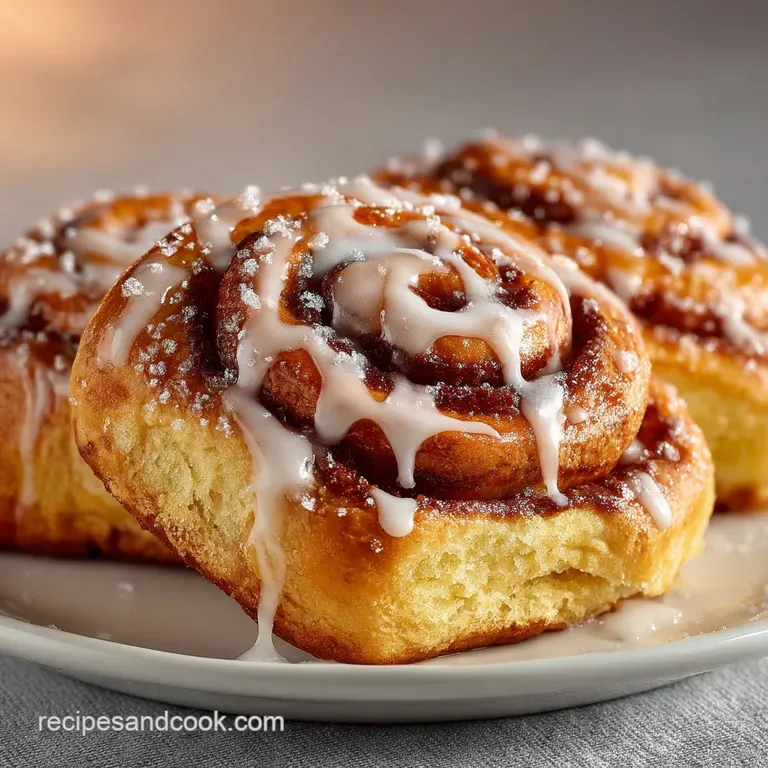
That scent. It hits you when you open the oven door, a cloud of warm yeast, brown sugar, and sharp cinnamon that instantly transports you back to childhood Saturdays. It’s the smell of pure comfort, one of the greatest kitchen achievements, and it’s why I bake Cinnamon Rolls .
There is truly nothing better in the world than biting into one of these homemade delights.
I know what you’re thinking: "Making yeast dough is too much effort, and mine always turn out dry." Stop right there. This recipe, featuring a decadent brioche dough, is actually a weekend lifesaver because the active time is surprisingly short, relying mostly on passive rising time.
The ingredients are simple pantry staples, making these an incredibly affordable luxury.
Forget the dense, sad supermarket versions or the dry disasters you’ve made before. We are chasing the pillowy, pull apart texture here, guaranteed to be swimming in the perfect Vanilla Cream Cheese Glaze.
Let's crack on and make the absolute best Ultimate Fluffy Cinnamon Rolls you will ever bake.
Mastering the Ultimate Pillowy Roll: What Makes This Recipe Different?
So, what makes these Cinnamon Rolls superior? It all comes down to the dough composition and temperature control. I spent years messing up yeast dough either the milk was too hot and killed the yeast, or the dough was too stiff and dense.
We aren't making a classic lean bread here; we are building tenderness through richness.
The Secret to Softness: Understanding Brioche Dough
Traditional brioche is luxurious, and that’s the base we use for the best Cinnamon Rolls . By incorporating two eggs and a generous amount of melted butter after the initial yeast activation, we achieve a dough structure that is fundamentally soft and rich.
This high fat dough won't dry out during the long bake time, ensuring that every bite remains incredibly moist. This is how you get those truly Pillowy Soft Cinnamon Rolls .
Tangy vs. Sweet: Decoding the Vanilla Cream Cheese Glaze
Listen, the glaze is non-negotiable. You need that contrast. A simple powdered sugar glaze is fine, but incorporating cream cheese and butter gives you something thick, tangy, and deeply decadent that holds up against the rich dough.
I use plenty of vanilla extract here it’s the backbone of this perfect topping for your finished Cinnamon Rolls .
Prep Time vs. Payoff: Is the Effort Worth the Flavor?
Yes, the total time commitment looks long, around 3. 5 hours, but most of that time is spent binge watching TV while the dough does its thing. The active work mixing, kneading, rolling takes maybe 50 minutes total.
For the smell and the flavor of fresh Easy Homemade Cinnamon Rolls , this investment is 100% worth the payoff.
Activating the Yeast: Temperature Control for Optimal Rise
This is where people fail. Yeast is alive, and like any living thing, it has preferences. If the milk is too cold (below 105°F), the yeast sleeps forever. If it’s too hot (above 120°F), you kill it instantly. Use a thermometer!
Aim for a bathwater warmth 108°F is my sweet spot. This guarantees a bubbly, foamy starter, essential for producing Ultimate Fluffy Cinnamon Rolls .
The Magic Ratio: Butter and Eggs for Tenderness
The richness comes from fat and protein. The butter, incorporated melted but cooled, distributes perfectly throughout the dough, preventing gluten strands from tightening too much. Eggs provide lecithin, which acts as a fantastic natural emulsifier, binding everything together into a supremely tender final product.
When you nail this ratio, your Cinnamon Rolls will be unbelievably soft.
Perfect Swirls: Achieving an Even Cinnamon Sugar Layer
A classic mistake is mixing the filling with cold, firm butter. When you try to spread it, the cold filling drags and tears the dough, leading to messy, uneven swirls. We use butter softened to almost the point of liquid spreadable like frosting to ensure every millimeter of the dough is coated evenly before rolling.
Edge-to-edge coverage is key for fantastic Cinnamon Rolls .
Essential Components: Ingredients for Dough, Filling, and Glaze
You might think ingredients are just ingredients, but selecting the right fat and dairy makes a huge difference in the final texture of your homemade sweet rolls. Quality matters here.
Dairy Deep Dive: Choosing the Right Milk and Butterfat Content
Always use whole milk for this recipe. The higher fat content contributes significantly to the tenderness of the finished Cinnamon Rolls Recipe . For the butter, unsalted is mandatory so you can control the salt level.
Using high fat European butter, if you can find it, gives an extra boost of richness to the dough and the glaze.
Spices and Sweeteners: Crafting the Intense Cinnamon Filling
Two tablespoons of ground cinnamon sounds like a lot, but trust me, we need that intensity to cut through the richness of the dough and the glaze. Brown sugar, packed firmly, is essential because the molasses content melts into a beautiful, sticky goo during baking, holding the swirl together beautifully.
This sticky layer is what elevates these Easy Homemade Cinnamon Rolls .
Substitutions Shelf: dairy-free or Egg-Free Adaptations
Baking is flexible, even when dealing with yeast. Don't let dietary restrictions stop you from enjoying these incredible treats.
| Ingredient | Substitution/Adaptation | Notes |
|---|---|---|
| Whole Milk | Oat Milk (Full Fat) or Soy Milk | Ensure it is warmed properly for the yeast. |
| Butter | high-quality Vegan Butter Sticks | Use the same measurements for dough, filling, and glaze. |
| Eggs | Flax Eggs (2 Tbsp ground flaxseed + 6 Tbsp water) | This works surprisingly well in brioche dough for soft results. |
| Cream Cheese | Vegan Cream Cheese Alternative | Often requires slightly less milk/cream in the glaze to achieve thickness. |
Phase One: Preparing the Ultra Tender Dough
We start with the yeast, ensuring our foundations are strong. This dough is meant to be slightly sticky don't be tempted to add too much flour initially!
Phase Two: Layering the Signature Cinnamon Swirl

This is the fun part, the architecture of the Cinnamon Rolls . Getting a tight, uniform roll is essential for presentation and structural integrity.
Phase Three: Baking and Glazing for Golden Perfection
The final stretch, where patience truly pays off. Remember, the glaze needs to go on while the Cinnamon Rolls are still warm but not piping hot.
The Stand Mixer Method: Kneading to the Windowpane Stage
If you have a stand mixer, use the dough hook. Knead on medium low speed for 8- 10 minutes. The dough should eventually pass the "windowpane test": pull a small piece of dough; if you can stretch it until it's almost transparent without tearing, the gluten is perfectly developed.
This ensures your Cinnamon Rolls are perfectly chewy yet soft.
First Proofing: Creating Volume and Developing Flavor
After kneading, the dough needs time to relax and build complex flavor. Place it in a warm spot, covered tightly. If it’s not doubling within 90 minutes, your kitchen might be too cold.
Pro-tip: Put the dough near the stove while you boil water for tea; the steam and residual heat help immensely. The success of the Ultimate Fluffy Cinnamon Rolls relies heavily on this first rise.
Mixing the Spreadable Filling: Ensuring Edge-to-Edge Coverage
As I said before, the butter for the filling must be very soft. Whisk the brown sugar and cinnamon vigorously into the butter until it’s a uniform, creamy brown paste.
Spread this mixture evenly over the rolled dough rectangle, using an offset spatula to reach the edges, stopping just short of that final long seam.
Rolling and Cutting Techniques for Uniform Cinnamon Rolls
Roll slowly and tightly, pressing out air as you go. A tight roll prevents those messy gaps from appearing in your finished Cinnamon Rolls . For cutting, ditch the knife entirely. Seriously. Use unflavored dental floss. Slide the floss under the log, cross the ends, and pull.
It's the only way to get perfectly uncrushed, beautiful rounds every single time.
Second Rise and Baking: The Critical Temperature Check
The second rise is short (30- 45 minutes), just long enough for the rolls to puff up and fill the pan. They should look snug but not cramped. Bake at 375°F (190°C) until golden brown. Don't overbake! Over baking is the number one cause of dry Cinnamon Rolls .
If the tops look done but the center feels soft, tent them with foil immediately.
Whipping Up the Decadent Cream Cheese Glaze
Make sure both the cream cheese and butter are truly room temperature before starting. Beat them together until light and fluffy first this takes 2 full minutes. Then, slowly incorporate the sifted powdered sugar. Add your milk or cream one tablespoon at a time.
I like my Vanilla Cream Cheese Glaze thick, almost frosting like, so I usually stop around 3 tablespoons of liquid.
Troubleshooting Your Bake: Expert Tips and Avoiding Common Mistakes
We all have baking fails. I once forgot to add salt to the dough, and the resulting Cinnamon Rolls were flat and strangely sweet, lacking dimension. Learning from mistakes is key!
Why Did My Rolls Unravel? Fixing Loose Seams
If your rolls unravel in the oven, you didn't pinch the seam tightly enough or the roll wasn't tight enough to begin with. Fix: When rolling, brush the final 1/2 inch strip of dough (the one without filling) with a tiny bit of water or egg wash before rolling it up completely.
This acts like glue and seals the seam permanently.
The Secret to Gooey Centers: Adding Heavy Cream Before Baking
Want that famously gooey bottom layer? This is my absolute favorite trick for these Ultimate Fluffy Cinnamon Rolls . Five minutes before they go into the oven, gently pour 1/2 cup of heavy cream around the rolls, letting it soak into the pan.
As the rolls bake, the cream caramelizes the sugar in the filling, creating an impossibly moist, sticky, and gooey center.
Adjusting Bake Time for Different Pan Sizes
If you use a square 8x8 pan, you’ll fit 9 rolls, and they’ll be taller and tighter. They will need 5- 10 minutes longer in the oven. If you use a sheet pan for 15 20 smaller rolls, they will need 5 minutes less .
Always rely on visual cues (golden brown tops, slightly firm centers) rather than just the clock.
Practical Guide: Storing, Freezing, and Reheating Rolls
You’ve mastered the Best Cinnamon Roll Recipe . Now, how do you make them last (or ensure you always have some ready)?
Freezing Unbaked Rolls (The make-ahead Strategy)
This is genius for stress free holiday mornings. Complete the recipe up through the second proofing (Step 11). Once the rolls are arranged in the pan and have puffed up slightly, wrap the entire pan tightly in two layers of plastic wrap, then a layer of foil. Freeze for up to 6 weeks.
To bake: transfer the frozen pan to the fridge overnight to thaw, then let it sit at room temperature for 1 hour before baking as directed. They come out tasting fresh!
Reviving Day-Old Rolls (The Moisture Trick)
Leftover glazed Cinnamon Rolls can dry out quickly, even stored airtight. To bring back that pillowy softness, place the rolls (uncovered) in a microwave alongside a small cup of water. Microwave on medium power for 30 60 seconds. The steam from the water will re-moisten the dough perfectly.
Beverage Companions: Coffee, Tea, and Hot Chocolate
This is a sweet treat, so you need a beverage that can hold its own. A sharp black coffee (like a bold Americano) is the perfect counterpoint to the sweetness of the glaze and brown sugar filling.
For a cosy vibe, hot chocolate with a pinch of sea salt on top provides ultimate winter comfort alongside these beautiful Cinnamon Rolls . You truly deserve this perfect breakfast bake.

Recipe FAQs
Why are my cinnamon rolls tough, dry, or dense?
This is usually due to incorporating too much flour or over baking the dough. Ensure you use the spoon and-level method when measuring flour, and avoid kneading for too long after the gluten structure is developed.
Bake only until the edges are lightly golden, ideally removing the rolls when the internal temperature reaches 195 200°F (90 93°C), which guarantees a tender, moist crumb.
Can I prepare the cinnamon rolls the night before and bake them in the morning?
Yes, the overnight rise method is highly recommended for convenience. After placing the rolls in the baking pan, cover them tightly with plastic wrap and refrigerate for 8 to 16 hours during their second proof.
About 90 minutes before you plan to bake, remove the pan from the refrigerator to allow the rolls to finish their proof at room temperature before they go into the preheated oven.
What should I do if my dough is not rising during the proofing stages?
Check the temperature of your milk mixture used to activate the yeast; if it was too hot (above 130°F), the yeast was killed. The ideal activation temperature is between 105°F and 115°F.
Also, ensure your proofing location is warm and draft free; cold temperatures will significantly slow down or halt yeast activity, requiring a much longer rise time.
Why are the centers of my rolls still doughy, even after the edges look baked?
A doughy center usually results from cutting the rolls too large or overcrowding the pan, which prevents even heat circulation. Ensure the rolls are cut uniformly (about 1.5 inches thick) and leave a little space between them when arranging the pan.
If the tops are browning too quickly, loosely tent the pan with aluminum foil for the last 10 minutes of baking time, allowing the center to cook through without burning the glaze topping.
Can I make this recipe dairy-free or suitable for vegans?
You can adapt this recipe by substituting regular milk with a full fat non-dairy alternative like oat or soy milk, and using high-quality vegan stick butter in place of dairy butter.
However, since this recipe relies on eggs for its brioche style richness, a vegan version requires using a commercial egg replacer or flax eggs, noting that the final dough texture may be slightly less pillowy.
How should I store leftover cinnamon rolls, and can I freeze them?
Store leftover rolls, covered and sealed, at room temperature for up to two days, or refrigerate for up to four days. Reheat briefly in the microwave or a low oven for optimal softness.
For freezing, it is best to freeze baked, unglazed rolls. Wrap them individually in plastic wrap, then foil, and store in the freezer for up to one month. Thaw overnight and apply fresh glaze before serving.
My cream cheese glaze is too thick/thin. How do I fix the consistency?
If the glaze is too thick, incorporate very small amounts (half a teaspoon at a time) of milk or heavy cream until you reach the desired drizzle consistency. If it's too thin, whisk in additional sifted powdered sugar until the glaze holds its shape slightly.
Ensure your cream cheese and butter are fully softened before mixing to prevent lumps, which can affect the smooth texture of the final glaze.
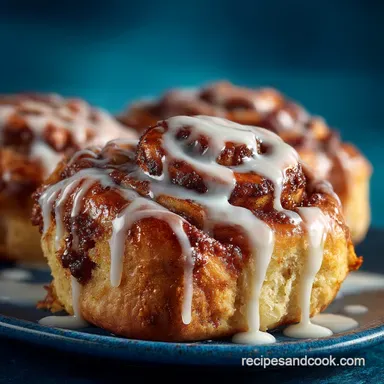
Pillowy Soft Cinnamon Rolls Recipe
Ingredients:
Instructions:
Nutrition Facts:
| Calories | 444 kcal |
|---|---|
| Protein | 3.0 g |
| Fat | 21.7 g |
| Carbs | 59.6 g |
