Paula Deen Potato Soup: Creamy and Comforting
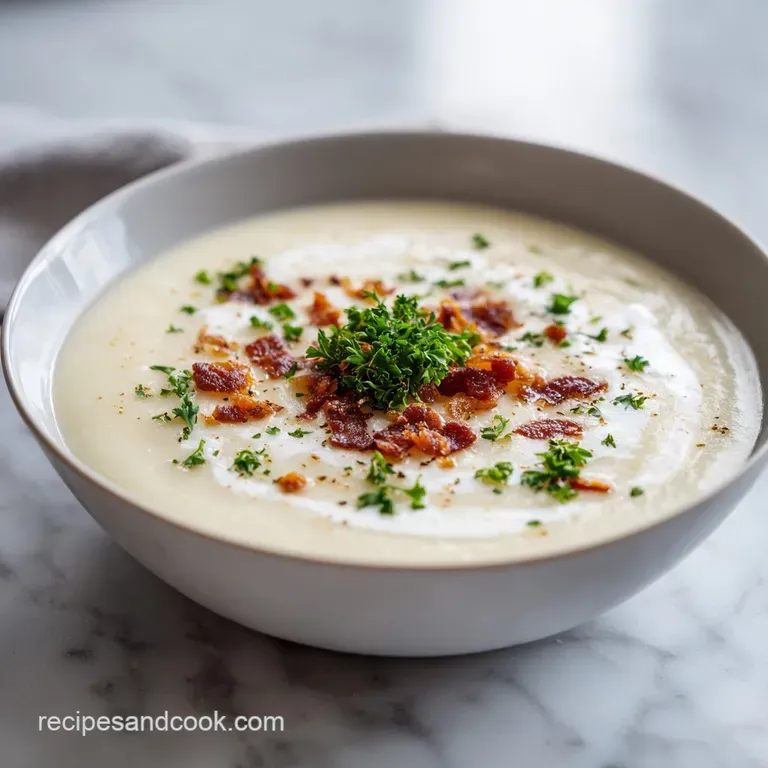
- Time: Active 15 minutes, Passive 6 hours, Total 6 hours 15 minutes
- Flavor/Texture Hook: Silky, creamy base with hearty potato chunks and savory bacon crumbles
- Perfect for: Stress free Sunday dinners or cozy rainy day meal prep
- The One Thing That Changes Everything
- Why This Works And What To Expect
- Ingredient Deep Dive Analysis
- Essential Tools For Success
- Step By Step Instructions
- Troubleshooting And Common Mistakes
- Customizing The Flavor Profile
- Handling The Math For Different Groups
- Storage Guidelines And Reducing Waste
- Myths Regarding Potato Soup
- Perfect Pairings For A Southern Feast
- Recipe FAQs
- 📝 Recipe Card
The One Thing That Changes Everything
Imagine coming home after a long, chilly afternoon to the scent of savory onions and slow simmered broth wafting through your front door. It is that specific aroma of home, the kind that promises a warm hug in a bowl.
When I first tried making a paula deen potato soup recipe, I was skeptical about the frozen hash browns. I grew up in a "peel and chop" household where shortcuts were often looked down upon. But then I tasted the results.
The frozen cubes are the secret hero here because they are processed in a way that helps them hold their shape during a long simmer while releasing just enough starch to thicken the liquid into something truly luxurious.
This dish is all about the balance between the rustic and the refined. You get the heartiness of a traditional stew but with the velvety finish of a high end bisque. By using Neufchâtel cheese instead of heavy cream, we get a tangy, rich depth that makes the flavor feel layered rather than just heavy.
It's a trick I learned when I wanted that signature southern richness without feeling weighed down afterward. Trust me, once you see how those frozen potatoes transform, you'll never go back to the peeler.
We are looking for that specific moment when the cheese melts into the broth, creating a pale, golden hue that practically glows. It's not just a meal, it's a project that mostly does itself.
You spend fifteen minutes in the morning setting the stage, and the slow cooker handles the hard work of building flavor over six hours. It’s practical, it’s timeless, and it’s the exact kind of recipe that brings people together around the table for seconds and thirds.
Why This Works And What To Expect
Before we jump into the skillet and slow cooker, let's talk about why this specific method produces such a superior result compared to stovetop versions. The magic lies in the low and slow heat, which allows the aromatics to fully penetrate the potatoes without boiling them into a mushy oblivion.
- Starch Stabilization: Frozen hash browns are often blanched before freezing, which "sets" the exterior starch and prevents the potatoes from disintegrating during a 6 hours cook time.
- The Tempering Technique: Whisking hot broth into the cold Neufchâtel cheese before adding it to the pot prevents the dairy from "shocking" and curdling, ensuring a silky finish.
- Aromatic Foundation: Sautéing the onions before they enter the slow cooker develops sweetness through caramelization that raw onions simply cannot provide in a closed environment.
- Moisture Control: The closed environment of the slow cooker prevents evaporation, keeping the 32 oz of bone broth concentrated and flavorful rather than drying out.
| Feature | Classic Peeling Method | This Fast Shortcut |
|---|---|---|
| Prep Effort | High (30+ mins peeling/chopping) | Low (15 minutes total) |
| Potato Texture | Can be inconsistent or grainy | Consistently tender and uniform |
| Clean Up | Multiple bowls, peelings everywhere | One skillet and one slow cooker |
Choosing the right potatoes for soup is usually a battle between starchy Russets and waxy Yukons. By using the frozen hash browns, we bypass that decision. The processing of the frozen cubes gives us the best of both worlds: the starchiness of a Russet for thickening and the structural integrity of a waxier potato.
This is the ultimate "smart cook" move that saves your forearms from the peeler while delivering a texture that feels like you spent hours at the counter.
Ingredient Deep Dive Analysis
Every component in this paula deen potato soup recipe serves a specific purpose, from the structural support of the potatoes to the flavor boosting celery seed. Understanding these roles helps you become a more intuitive cook.
| Component | Science Role | Pro Secret |
|---|---|---|
| Low Sodium Bone Broth | Provides the liquid base and savory protein depth | Use bone broth over standard stock for a richer mouthfeel and more collagen. |
| Neufchâtel Cheese | Acts as the primary emulsifier and fat source | Let it soften completely at room temperature so it incorporates without lumps. |
| Celery Seed | Adds an earthy, "prepared all-day" aromatic note | Don't skip this; it provides the background "backbone" flavor typical of classic southern soups. |
| Frozen Hash Browns | Supplies the bulk and the thickening starch | Keep them frozen until the moment they go into the pot to preserve their shape. |
The choice of 2% milk and light sour cream isn't just about cutting calories. It’s about viscosity. If we used heavy cream, the soup would become so thick it would feel like mashed potatoes.
The milk allows the soup to remain pourable while the sour cream adds a necessary acidic brightness that cuts through the richness of the bacon and cheddar.
If you're looking for another comfort classic to round out your weekly menu, I often find this soup pairs beautifully as a starter for a Crockpot Meatloaf dinner. Both rely on slow cooking magic to make your life easier while the family thinks you've been slaving away.
Essential Tools For Success
You don't need a professional kitchen to pull this off, but a few specific tools make the process much smoother.
- Slow Cooker (6 quart): This is the standard size that allows the 30 oz of potatoes and broth to have enough room to circulate heat evenly.
- Cast Iron or Heavy Skillet: Necessary for that initial onion sauté. A heavy pan ensures the onions brown evenly without burning the edges.
- Immersion Blender: This is optional but highly recommended. It allows you to thicken the soup by blending just a portion of the potatoes directly in the pot.
- Whisk: Essential for the tempering step. You want a sturdy whisk to get that Neufchâtel cheese completely smooth before it hits the main batch.
- Chef's Knife: Even with the shortcut potatoes, you still need a sharp blade for finely dicing that 150g white onion and slicing the fresh chives.
Using the right equipment is about more than convenience; it's about control. For example, using a skillet for the onions instead of just tossing them in raw is the difference between a "good" soup and a "best potato soup recipe" contender.
That five minute sauté is the only over high heat interaction in the whole recipe, and it sets the stage for everything that follows.
step-by-step Instructions
Follow this flow to ensure your soup turns out perfectly every single time. The timing is crucial, so keep an eye on your 6 hours window.
1. Building the Flavor Foundation
Start by finely dicing your medium white onion (about 150g). Heat a skillet over medium heat and add a tiny splash of oil or a pat of butter. Sauté the onions for 5-7 minutes. You are looking for them to become translucent and aromatic, not necessarily brown.
Once they are soft, transfer them directly into the basin of your slow cooker.
2. Initiating the Slow Simmer
Into the slow cooker, add the 30 oz of frozen cubed hash browns. Pour in the 32 oz of low sodium chicken bone broth. Sprinkle in the 1 tsp garlic powder, 1/2 tsp celery seed, and 1/2 tsp freshly cracked black pepper. Stir gently with a wooden spoon to distribute the spices.
3. The Long Wait
Cover the pot with the lid. Set your slow cooker to low for 6 hours. If you are in a rush, you can do high for 3-4 hours, but the low setting allows the potatoes to absorb the broth more deeply.
Resist the urge to peek; every time you lift the lid, you lose about 20 minutes of heat.
4. Creating the Velvety Emulsion
Once the timer is up and the potatoes are tender, it’s time for the dairy. Take your 8 oz of softened Neufchâtel cheese and put it in a medium bowl. Ladle about one cup of the hot broth from the slow cooker into the bowl.
Whisk vigorously until the cheese and broth are one smooth, creamy liquid.
5. Incorporating the Creamy Elements
Pour the tempered cheese mixture back into the slow cooker. Add the 1.5 cups of 2% milk and the 1/2 cup of light sour cream. Stir everything together. You will see the soup transform from a clear broth into a rich, opaque ivory color.
6. Finishing and Texturizing
This is where you decide your "soup personality." If you like a chunky soup, leave it as is. If you want it smoother, use an immersion blender for about 30 seconds. I like to blend about half the pot, which creates a velvety base while leaving hearty potato chunks for contrast.
7. The Final Garnish
While the soup finishes its final few minutes of warming, cook your 4 slices of center cut bacon until crispy. Crumble them up. Shred the 1 cup of sharp cheddar cheese.
8. Serving the Masterpiece
Ladle the hot soup into deep bowls. Top each serving with a generous sprinkle of the bacon, a handful of cheddar, and a pinch of the 1/4 cup of sliced fresh chives. The heat from the soup will slowly melt the cheese into gooey, savory ribbons.
Troubleshooting And Common Mistakes
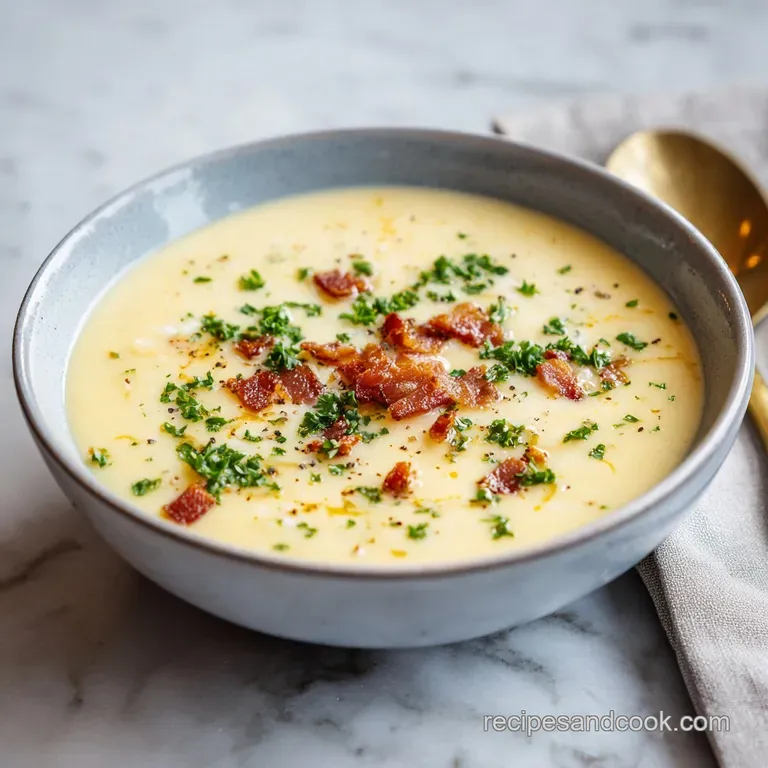
Even the most straightforward homemade loaded potato soup can run into hiccups. Usually, it comes down to temperature or timing.
Why Your Soup Looks Curdled
If you see little white flecks instead of a smooth liquid, the dairy likely separated. This happens if the cheese is too cold when it hits the hot broth or if the soup is boiling too hard when you add it.
| Problem | Root Cause | Solution |
|---|---|---|
| Grainy Texture | Cheese added while cold | Temper the cheese with hot broth in a separate bowl first. |
| Soup is too thin | Excess liquid or low starch | Mash some potatoes against the side of the pot or use a blender. |
| Potatoes are crunchy | Cooked on high for too short | Ensure at least 3 hours on high or 6 hours on low. |
Chef's Tip: If your soup is still too thin after blending, whisk 1 tablespoon of cornstarch into 2 tablespoons of cold milk and stir it into the pot for the last 15 minutes of cooking.
Common Mistakes Checklist
- ✓ Don't skip the sauté: Raw onions in a slow cooker often stay crunchy and pungent.
- ✓ Check your broth: Always use low sodium. As the soup simmers, the salt concentrates, and regular broth can make the final dish too salty.
- ✓ Soften the cheese: Take the Neufchâtel out of the fridge at least an hour before you need it.
- ✓ Keep it covered: Only remove the lid at the very end to add the dairy.
- ✓ Fresh is best: Use freshly shredded cheddar; pre shredded cheese is coated in potato starch which can make the soup feel "gritty."
For those looking to expand their slow cooker repertoire beyond potatoes, you might find that the techniques used here like layering aromatics apply perfectly to a hearty Caribbean Chicken Stew. The principle of building flavor through time is universal.
Customizing The Flavor Profile
This paula deen style potato soup is a canvas. While the classic version is hard to beat, you can easily adapt it to fit your dietary needs or pantry staples.
Creating a Vegetarian Version
To make this meat free, swap the chicken bone broth for a rich vegetable stock. Instead of bacon, try topping the soup with smoked paprika dusted roasted chickpeas or sautéed mushrooms. The mushrooms provide that same "umami" hit that the bacon usually offers.
Making it gluten-free
Good news! This easy creamy potato soup is naturally gluten-free as long as your chicken broth and frozen hash browns don't have added wheat fillers. Always double check the label on the frozen potatoes, as some brands use a light flour coating to keep the cubes from sticking together in the bag.
If You Want X, Do Y
- If you want it spicier: Add 1/2 tsp of cayenne pepper or a small can of diced green chiles during step 2.
- If you want it thicker: Replace the 2% milk with whole milk or even a splash of heavy cream.
- If you want it "loaded": Stir in extra bacon and a handful of steamed broccoli florets at the very end.
Handling The Math For Different Groups
Scaling this soup is relatively simple because the slow cooker is forgiving. However, there are a few rules to follow to ensure the texture stays consistent when you change the volume.
Making a Half Batch
If you are cooking for two, you can easily halve everything. Use a smaller 3 quart slow cooker if you have one. The cook time will remain roughly the same because the density of the potatoes takes the same amount of time to soften, but check them at the 5 hours mark just in case.
Use half an egg's worth of liquid if a recipe ever calls for it, but here, just halve the milk and broth precisely.
Doubling for a Crowd
- Spices
- Only increase the garlic powder and celery seed by 1.5x, not 2x. Spices can become overwhelming in large batches.
- Liquids
- Reduce the total broth by about 10% (use 60 oz instead of 64 oz) because less moisture will evaporate in a fuller pot.
- Cook Time
- Expect it to take an extra hour on low to reach the initial simmer point.
Storage Guidelines And Reducing Waste
Potato soup actually tastes better the next day as the flavors have more time to meld. However, dairy based soups require a bit of care when reheating.
- Fridge: Store in an airtight container for up to 4 days. The soup will thicken significantly in the fridge. When reheating, add a splash of milk or broth to loosen it back up.
- Freezer: I don't generally recommend freezing this soup. The Neufchâtel and sour cream can "break" or become grainy when thawed and reheated. If you must freeze it, do so before adding the dairy, then add the milk and cheese fresh when you reheat the base.
- Zero Waste Tip: Don't throw away those chive stems! If you have extra, chop them and freeze them in an ice cube tray with a little bit of water or olive oil to use in future omelets or sautéed veggies. If you have leftover bacon grease from frying your garnish, save it in a jar in the fridge to use for sautéing the onions in your next batch of soup.
Myths Regarding Potato Soup
There are a few "rules" floating around the internet that I’ve found just aren't true after years of making this easy potato soup with cream cheese.
- Myth 1: You must use fresh potatoes for the best flavor. In a slow cooker, frozen hash browns often perform better because their surface area is uniform, leading to an even cook. The freezing process actually breaks down some of the cell walls, allowing the broth to penetrate the potato more effectively than a raw, hand chopped cube.
- Myth 2: low-fat dairy makes the soup watery. It’s all about the starch! Because we have 30 oz of potatoes releasing starch into the broth, using 2% milk and Neufchâtel (which has less fat than standard cream cheese) still results in a thick, rich soup. You don't need the extra heavy cream to get a "loaded" feel.
- Myth 3: You have to peel potatoes for a smooth soup. Since we are using pre cut frozen hash browns, the "peeling" is already done for us. But even if you were using fresh, many people enjoy the rustic texture and added nutrients of the skins. In this specific Paula Deen style, though, the clean, white look of the peeled potato is the traditional aesthetic.
Perfect Pairings For A Southern Feast
While this soup is a meal in itself, it loves company. To lean into that southern comfort vibe, I always serve this with a side of warm, honey slathered cornbread. The sweetness of the corn balances the saltiness of the bacon perfectly.
If you want something lighter, a crisp green salad with a sharp vinaigrette helps cut through the creaminess of the soup. Think arugula with lemon and shaved parmesan. Another fantastic option is a simple crusty sourdough baguette.
You want something with "structure" that can stand up to being dunked into the thick broth without falling apart.
Finally, for a full on comfort meal, consider serving small bowls of this soup alongside a main dish like Carrot Souffle. The sweetness of the carrots and the savory nature of the potatoes create a beautiful holiday style spread that feels much more expensive than it actually is. It is the kind of cooking that makes people feel looked after, which is exactly what a good recipe should do.
Recipe FAQs
What are some common mistakes in potato soup?
Overheating the dairy is the most frequent error. If you boil the soup after adding the Neufchâtel cheese, milk, or light sour cream, the mixture can curdle and ruin the texture.
Is it true Paula Deen's most famous recipe is this potato soup?
No, this is a common misconception. While she is famous for many comfort food staples, her legacy spans a wide range of Southern classics beyond this specific soup.
What makes potato soup more flavorful?
Using high-quality chicken bone broth provides the best foundation. Additionally, the slow cooking process allows the celery seed and freshly cracked black pepper to fully infuse the potatoes.
What is the best thickener for potato soup?
The potatoes themselves serve as the primary thickener. If you enjoy mastering vegetable texture control, use an immersion blender to pulse a portion of the soup while leaving some chunks intact for the perfect consistency.
How to ensure the soup does not break when adding dairy?
Temper the Neufchâtel cheese before fully incorporating it. Whisk a ladle of the hot broth into the softened cheese in a separate bowl until smooth, then stir that mixture back into the slow cooker.
How to fix soup that has become too thick after refrigeration?
Stir in a splash of milk or chicken bone broth during the reheating process. Dairy based soups naturally thicken when chilled, so adding a small amount of liquid will return it to your preferred consistency.
How to avoid grainy texture when reheating leftovers?
Reheat the soup slowly over low heat on the stovetop. Avoid using high power in the microwave, as uneven heating can cause the Neufchâtel and light sour cream to separate.
Paula Deen Potato Soup

Ingredients:
Instructions:
Nutrition Facts:
| Calories | 393 kcal |
|---|---|
| Protein | 20.3 g |
| Fat | 19.9 g |
| Carbs | 32.8 g |
| Fiber | 2.1 g |
| Sugar | 6.4 g |
| Sodium | 583 mg |
