How to Cook Chicken Legs in Oven with Garlic and Herbs
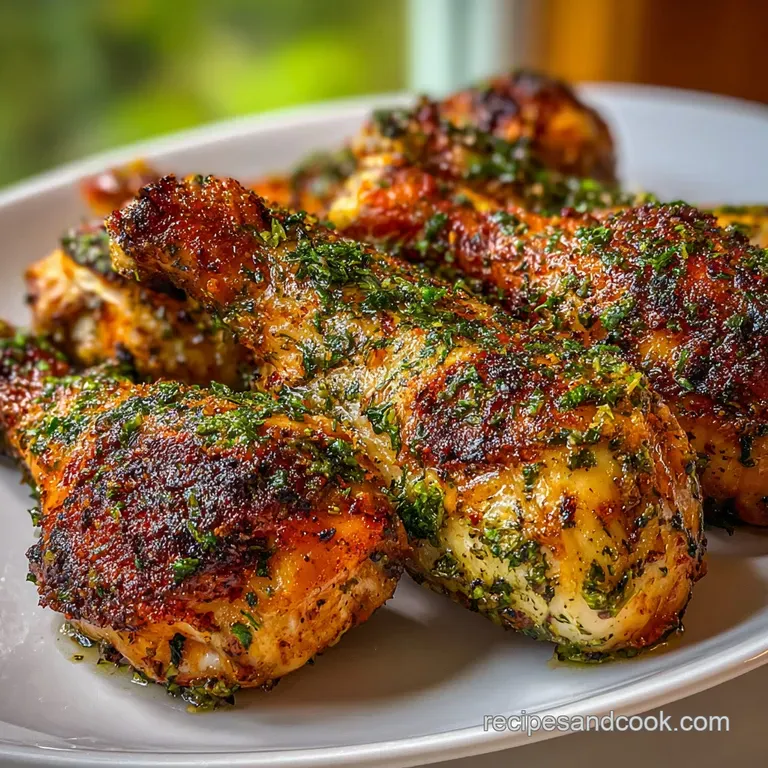
- Time: Active 15 minutes, Passive 45 minutes, Total 1 hour
- Flavor/Texture Hook: Shatter crisp skin with velvety garlic herb butter
- Perfect for: Sunday family dinner or stress free meal prep
- Physics of Perfectly Roasted Chicken
- Analyzing Our Flavor Components
- Essential Shopping List Breakdown
- Tools Needed for Success
- Step-by-Step Roasting Guide
- Fix Common Roasting Mistakes
- Creative Flavor Variations
- Adjusting for Large Crowds
- Debunking Roast Poultry Myths
- Storing and Reusing Leftovers
- Best Sides for Garlic Chicken
- High in Sodium
- Recipe FAQs
- 📝 Recipe Card
Physics of Perfectly Roasted Chicken
Understanding the "how" helps us avoid those common kitchen heartbreaks. When we blast the chicken at a high temperature, we are triggering the Maillard reaction, which is that beautiful browning that happens when amino acids and sugars meet heat.
- Fat Conductivity: Using both butter and olive oil creates a medium that transfers heat more efficiently to the skin than air alone.
- Moisture Evaporation: High heat quickly evaporates surface moisture, allowing the skin to fry in the rendered fat rather than steam.
- Protein Denaturation: Cooking bone in legs slowly enough allows collagen to break down into gelatin, creating a silky mouthfeel.
| Thickness | Internal Temp | Rest Time | Visual Cue |
|---|---|---|---|
| Standard Drumstick | 165°F (74°C) | 10 minutes | Juices run clear, not pink |
| Large Leg Quarter | 170°F (77°C) | 12 minutes | Skin is deep mahogany brown |
| Small Drumette | 165°F (74°C) | 5 minutes | Bone pulls away easily from meat |
High heat is your best friend here, but the resting period is just as vital. If you cut into that bird the second it leaves the oven, all that hard earned juice will end up on the cutting board instead of in your mouth. Giving it ten minutes allows the fibers to relax and reabsorb the moisture.
Analyzing Our Flavor Components
Choosing the right ingredients makes a massive difference, especially when we are sticking to a budget. You don't need the most expensive organic heritage bird to get a great result, but how you treat the ingredients matters.
| Ingredient | Science Role | Pro Secret |
|---|---|---|
| Kosher Salt | Protein Denaturant | Salt the skin 30 minutes early to draw out moisture for extra crunch. |
| Garlic Paste | Aromatic Base | Mincing into a paste ensures the flavor melds with the fat without burning. |
| Unsalted Butter | Fat & Flavor | The milk solids brown in the oven, adding a nutty, toasted note to the skin. |
| Smoked Paprika | Color & Depth | Provides a deep red hue and a hint of woodsmoke without a grill. |
Essential Shopping List Breakdown
For this recipe, we are using 4 lbs (1.8kg) of bone in, skin on chicken legs. The bone is non negotiable here; it acts as a thermal conductor, cooking the meat from the inside out and adding way more flavor than a boneless cut ever could.
- 4 lbs (1.8kg) Chicken Legs: Look for skin that is intact and not torn.
- 2 tsp Kosher salt: Why this? Coarse grains distribute more evenly and draw out surface moisture better than table salt.
- 1 tsp Cracked black pepper: Provides a sharp bite against the rich fat.
- 4 tbsp Unsalted butter: Make sure it’s softened so it mixes into a paste.
- 2 tbsp Extra virgin olive oil: Raises the smoke point of the butter slightly.
- 6 cloves Garlic: Mince these into a fine paste.
- 1 tbsp Fresh rosemary: Why this? The needle like leaves hold up to high heat without losing their piney essence.
- 1 tbsp Fresh thyme: Adds a subtle earthy note.
- 1 tsp Smoked paprika: For that beautiful sunset color.
- 1 Lemon: For bright acidity at the very end.
- 2 tbsp Fresh Italian parsley: A fresh green finish to cut through the richness.
| Original Ingredient | Substitute | Why It Works |
|---|---|---|
| Fresh Rosemary | Dried Rosemary (1 tsp) | Concentrated flavor. Note: Crush it in your palm first to release oils. |
| Unsalted Butter | Ghee or Clarified Butter | Higher smoke point. Note: Result will be even crispier but less nutty. |
| Smoked Paprika | Liquid Smoke (2 drops) | Provides the aroma. Note: Mix into the oil; will not provide the same red color. |
The choice between fresh and pantry staples often comes down to what's in the fridge. While I love the brightness of fresh herbs, don't feel like you have to run to the store if you have dried versions on hand.
| Feature | Fresh Herbs & Garlic | Shortcut (Dried/Jarred) |
|---|---|---|
| Flavor Profile | Bright, floral, and pungent | Mellow, earthy, and concentrated |
| Texture | Adds a slight crunch/herb crust | Smooth finish |
| Cost | $4-5 per bunch | Pennies per serving |
Tools Needed for Success
You don't need a professional kitchen, but a heavy bottomed pan is a game changer. I usually reach for my 12 inch cast iron skillet because it holds heat like a champion and creates a beautiful sear on the bottom of the legs while they roast.
If you don't have one, a standard rimmed baking sheet works perfectly fine just don't use a deep glass casserole dish, or the chicken will steam in its own juices instead of roasting.
Chef's Tip: Place a wire rack inside your baking sheet. This allows hot air to circulate under the chicken, giving you "360 degree crunch" without needing to flip the legs halfway through.
step-by-step Roasting Guide
- Dry the meat. Use paper towels to pat the 4 lbs of chicken legs completely dry. Note: Surface moisture is the enemy of crispy skin.
- Preheat the oven. Set your oven to 400°F (200°C). Wait until it's fully heated before the chicken goes in.
- Season early. Rub the 2 tsp salt and 1 tsp pepper all over the chicken. Let it sit for 10 minutes while you prep the rub.
- Make the compound fat. In a small bowl, mix the 4 tbsp softened butter, 2 tbsp olive oil, 6 minced garlic cloves, 1 tbsp rosemary, 1 tbsp thyme, and 1 tsp smoked paprika.
- Apply the rub. Smear the garlic herb mixture under the skin where possible, then rub the rest over the top.
- Arrange the legs. Place the chicken on your baking sheet or skillet. Ensure they are not touching to allow air flow.
- Roast. Slide the pan into the oven. Bake for 45 minutes until the skin is dark golden and bubbles intensely.
- Check temp. Use a meat thermometer to ensure the thickest part reaches 165°F.
- Rest the bird. Remove from the oven and transfer to a warm plate. Leave it alone for 10 minutes.
- Finish and serve. Squeeze fresh lemon juice over the top and sprinkle with the 2 tbsp chopped parsley.
The sound of the chicken as it comes out that aggressive sizzle is your signal that you've done it right. This method is great for a Meal Prep Recipe because the flavor actually deepens overnight.
Fix Common Roasting Mistakes
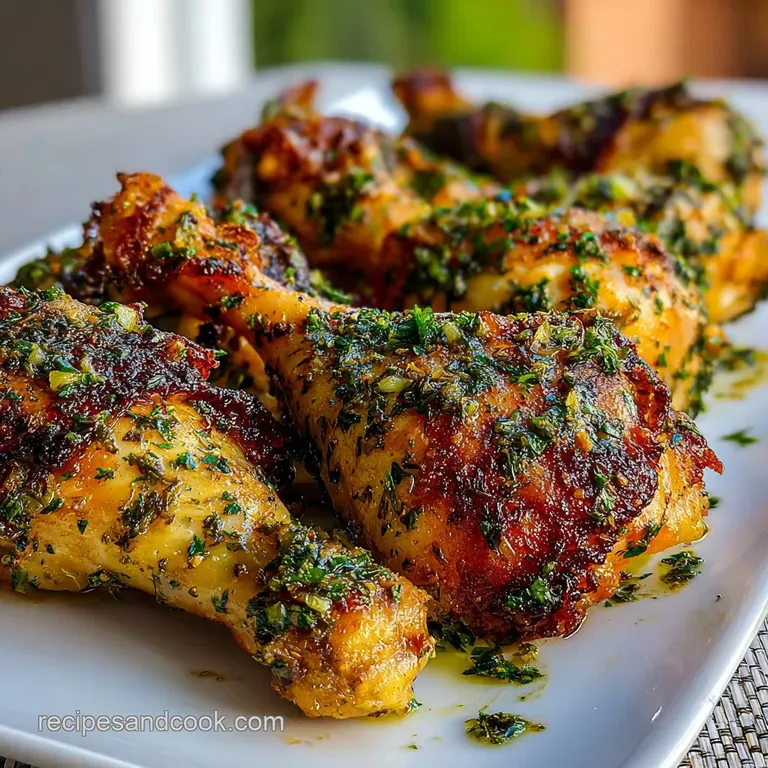
Even the best of us hit a snag sometimes. The most common issue people have with "How to Cook Chicken Legs in Oven with Garlic and Herbs" is either burnt garlic or flabby skin.
Why the skin is soggy
If your chicken looks pale and feels soft, it’s usually due to overcrowding or a low oven temperature. If you cram ten legs into a small pan, they release moisture that turns into steam. Give them space! Also, ensure you aren't using a deep walled pan which traps that steam around the meat.
Why the garlic tastes bitter
Garlic burns at a much lower temperature than chicken cooks. If you have big chunks of garlic sitting right on top, they will turn black and acrid. This is why we mince it into a paste and mix it with the fats; the butter and oil act as a thermal buffer, gently poaching the garlic while the chicken roasts.
| Problem | Root Cause | Solution |
|---|---|---|
| Skin is rubbery | Too much surface moisture | Pat dry with paper towels and salt 30 mins before. |
| Meat is dry | Overcooking | Pull chicken at 160°F; carryover heat will hit 165°F. |
| Garlic is burnt | Exposed large pieces | Mix garlic into butter/oil paste to protect it. |
Common Mistakes Checklist
- ✓ Never wash your chicken; it spreads bacteria and makes the skin impossible to crisp.
- ✓ Don't skip the drying step use at least three paper towels.
- ✓ Avoid using "cold" butter; it won't mix with the herbs and will clump.
- ✓ Check the oven temperature with a standalone thermometer if your browning is uneven.
- ✓ Always rest the meat; cutting too early is the #1 cause of "dry" chicken.
Creative Flavor Variations
Once you have the base method down, you can play with the aromatics. This recipe is a fantastic foundation for a Chicken vegetable casserole recipe if you decide to de bone the leftovers later.
- The Mediterranean: Swap the rosemary for dried oregano and add 1 tsp of dried lemon peel to the butter rub.
- The Spicy Garlic Kick: Add 1 tsp of red chili flakes or a dash of cayenne pepper to the compound butter.
- The Honey Glaze: In the last 5 minutes of cooking, brush a mixture of 1 tbsp honey and 1 tbsp soy sauce over the skin for a sticky sweet finish.
If you want a deeper flavor, try "cold infusing" your oil with the garlic for an hour before mixing it with the butter. If you want a faster prep, you can use jarred minced garlic, though the flavor won't be as sharp as fresh.
Adjusting for Large Crowds
Scaling this recipe is fairly straightforward since chicken legs are usually sold in consistent weights. If you are doubling the recipe to 8 lbs, you will definitely need two separate rimmed baking sheets.
When doubling up, don't just double the salt and spices blindly. I usually find that 1.5x the amount of salt is plenty for a 2x batch of meat, as the surface area doesn't increase as fast as the weight.
Make sure your oven racks are positioned in the top and bottom thirds, and rotate the pans halfway through the 45 minutes to ensure even browning.
| Servings | Chicken Amount | Pan Requirement | Total Cook Time |
|---|---|---|---|
| 2-3 People | 2 lbs | 10 inch Skillet | 40 minutes |
| 5 People | 4 lbs | 12x18 Baking Sheet | 45 minutes |
| 10 People | 8 lbs | Two Baking Sheets | 55 minutes |
Debunking Roast Poultry Myths
One of the biggest myths is that you need to baste the chicken while it cooks. Please, don't do this! Every time you open that oven door, the temperature drops significantly. On top of that,, pouring liquid over the skin while it's trying to crisp up just makes it soggy again.
The fat in our compound butter will do all the "basting" you need from the inside out.
Another misconception is that the chicken is "done" as soon as it hits 165°F. While that is the safety threshold, dark meat like legs and thighs actually tastes better and has a more pleasant texture when cooked to 175°F.
The extra heat helps break down the connective tissue without drying out the meat, unlike a chicken breast which would turn into cardboard at that temp.
Storing and Reusing Leftovers
Leftover garlic and herb chicken is a gift to your future self. It keeps beautifully in the fridge for up to 4 days. To maintain that "shatter crisp" skin, avoid the microwave when reheating.
Instead, pop the legs back into a 350°F (175°C) oven or an air fryer for 5-8 minutes.
For zero waste cooking, don't toss those bones! Once you’ve eaten the meat, throw the bones into a pot with an onion, a carrot, and some water. Simmer for a few hours, and you’ll have a velvety, garlic infused chicken stock that beats anything in a carton.
You can also freeze the cooked meat (off the bone) for up to 3 months it’s perfect for tossing into a quick soup or a pot pie.
Best Sides for Garlic Chicken
This dish is a team player. Because the garlic and herbs are so prominent, you want sides that can soak up those juices. A pile of mashed potatoes is traditional, but I also love serving this with roasted root vegetables.
You can actually toss some chopped potatoes and carrots right onto the same pan as the chicken; they will roast in the rendered chicken fat and become incredibly savory.
If you are looking for something lighter, a crisp green salad with a sharp vinaigrette provides a nice contrast to the buttery skin. Honestly, sometimes a simple piece of crusty sourdough bread is all you need to swipe through the pan drippings.
Whatever you choose, make sure it’s something that lets the chicken be the star of the show.
Right then, I think you're ready to get roasting. Just remember: dry the skin, don't crowd the pan, and let it rest. You've got this! Let me know how that first bite of crispy skin turns out it's the best part, isn't it?
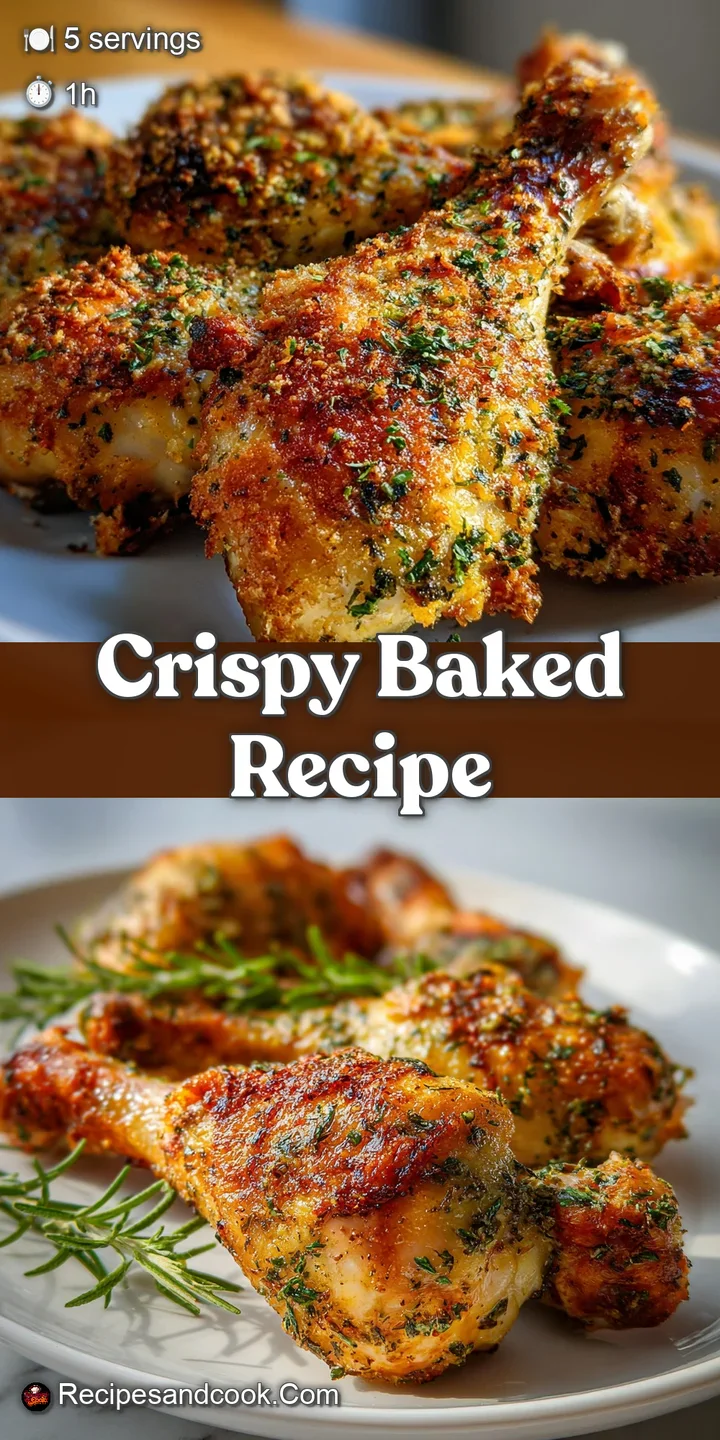
High in Sodium
920 mg mg of sodium per serving (40% of daily value)
The American Heart Association recommends limiting sodium intake to no more than 2,300mg per day for most adults. Reducing sodium can improve heart health and lower blood pressure.
Simple Swaps to Reduce Sodium
-
Reduce Added Salt-25%
Cut the kosher salt in half, reducing it from 2 tsp (10g) to 1 tsp (5g). You can always add more at the end if needed, but it's easier to control the sodium levels this way. This will reduce the sodium significantly and allow other flavors to shine.
-
Unsalted is Best-10%
Make sure you are truly using unsalted butter. Regular butter can contain a significant amount of sodium. Verify the nutrition label to confirm.
-
Lemon Power!-5%
Use the lemon wedges generously! A squeeze of fresh lemon juice brightens the dish and adds flavor, reducing the need for salt. Experiment with zesting the lemon peel for an even more intense citrus flavor without added sodium.
-
Herb Power
Continue to use plenty of fresh herbs like rosemary, thyme, and parsley! These add great flavor complexity without adding sodium. Experiment with other herbs like oregano, sage, or marjoram to create unique flavor profiles.
Recipe FAQs
Is it better to bake drumsticks at 350 or 400?
400°F (200°C) is superior for crisp skin. The higher temperature rapidly evaporates surface moisture, triggering the Maillard reaction for a deep brown, shatteringly crisp exterior.
How long should you cook chicken legs in the oven?
Roast for 40 to 45 minutes at 400°F. The critical factor is internal temperature, which must reach 165°F (74°C); use a thermometer in the thickest part, avoiding the bone.
Is it better to bake chicken at 350 or 400 in the oven?
400°F provides the best result for bone-in, skin-on chicken. While 350°F will cook the meat through, the higher heat ensures the fat renders properly, delivering crispy skin instead of rubbery results.
What is the best cooking method for chicken legs?
High heat roasting at 400°F with a compound herb butter. This method achieves both internal tenderness via fat conduction and external crispness. For a quicker, almost identical result, see how the same heat principle applies in our Air Fryer Chicken Wings: Ultimate Crispy 25-Minute Recipe.
Do I need to baste the chicken while it bakes?
No, avoid basting entirely. Opening the oven door drastically lowers the temperature, which steams the skin rather than crisping it; the butter/oil rub already provides sufficient self basting.
Why is my garlic turning black and bitter on the chicken?
The garlic chunks are burning because they are exposed directly to the high heat. Mince the garlic into a fine paste and thoroughly mix it into the butter and oil; this fat acts as a thermal buffer, gently cooking the aromatics.
Can I use dried herbs instead of fresh rosemary and thyme?
Yes, but use a 1:3 ratio of dried to fresh. If substituting dried herbs, crush them between your palms first to release their essential oils, which is the same technique you use to awaken dried spices for rubs like those in our Brown Sugar Chicken: Baked in 30 Minutes.
Oven Garlic Herb Chicken Legs
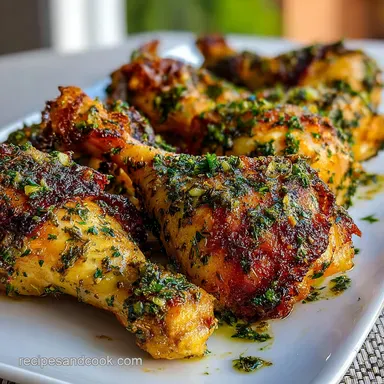
Ingredients:
Instructions:
Nutrition Facts:
| Calories | 671 kcal |
|---|---|
| Protein | 60.8 g |
| Fat | 40.4 g |
| Carbs | 1.2 g |
| Fiber | 0.3 g |
| Sugar | 0.1 g |
| Sodium | 920 mg |
