Muffin Tin Meatloaves: Tender, Glazed Portions
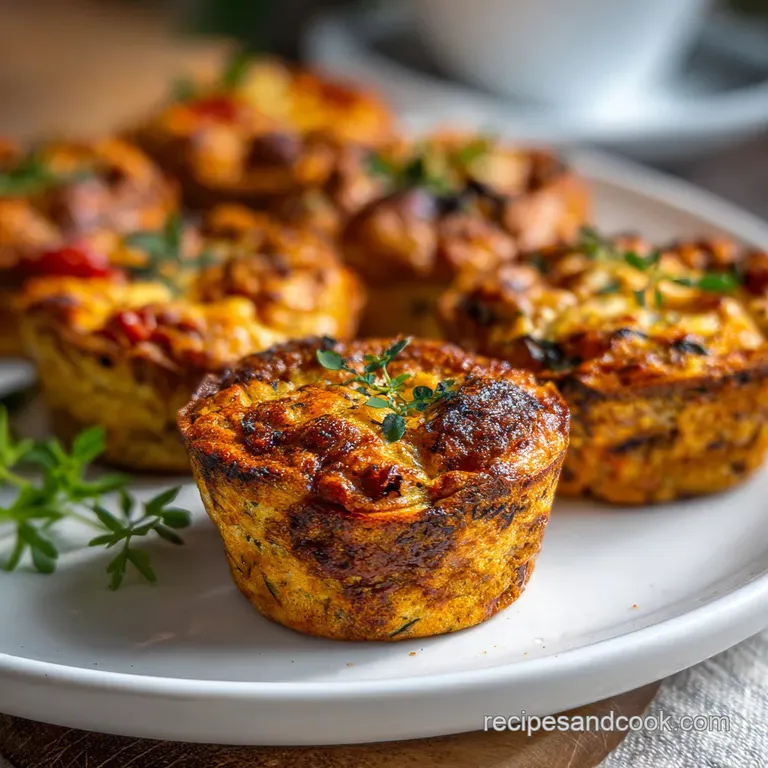
- Time: Active 15 minutes, Passive 20 minutes, Total 35 minutes
- Flavor/Texture Hook: Savory sweet balsamic glaze over tender, herb flecked beef
- Perfect for: Busy weeknight dinners, high protein meal prep, or picky eaters who love "individual" portions
- Mastering My Favorite Muffin Tin Meatloaves
- Why This Recipe Always Wins
- Essential Meatloaf Component Analysis
- Ingredients and Smart Substitutions
- Gather Your Simple Kitchen Tools
- The Step-by-Step Cooking Process
- Fixing Common Meatloaf Texture Issues
- Smart Swaps and Flavor Variations
- Preserving and Reheating Your Leftovers
- Perfect Side Dishes for Meatloaf
- The Truth About Meatloaf Myths
- Recipe FAQs
- 📝 Recipe Card
Mastering My Favorite Muffin Tin Meatloaves
The aroma hitting the hallway is always the first sign. It's that specific, heady scent of balsamic vinegar reducing alongside garlic and thyme - a smell that used to mean waiting over an hour for my grandma's heavy loaf pan to finally finish.
I remember the "thud" of that giant ceramic dish hitting the table, but honestly, the center was always a bit soft while the edges were dry.
We’ve all been there, right? Staring at a meatloaf that looks more like a brick than a meal. I spent years trying to fix the "soggy middle" syndrome until I realized the answer was sitting in my baking cupboard all along.
By ditching the loaf pan for a muffin tin, we’re essentially giving every single serving its own crispy, caramelized edge.
This isn't just a shortcut; it's a total texture upgrade. The beef stays incredibly juicy because the cooking time is so short, while the balsamic honey glaze sets into a sticky, mahogany lacquer that covers more surface area than a traditional loaf could ever dream of.
It’s the comfort food you remember, just updated for how we actually cook today.
Why This Recipe Always Wins
- Surface Area Optimization: Small portions increase the Maillard reaction area, ensuring more browned, savory edges in every single serving.
- Moisture Retention: Grating the onion and carrot creates a "humectant" effect, trapping water molecules within the protein structure so the meat stays tender.
- Thermal Efficiency: Heat penetrates the center of a muffin sized portion much faster than a large loaf, preventing the exterior from overcooking before the middle is safe.
- Glaze Caramelization: The balsamic vinegar and honey undergo pyrolysis at 180°C, creating a complex, sweet and tangy crust that bonds to the meat.
| Thickness | Internal Temp | Rest Time | Visual Cue |
|---|---|---|---|
| Standard Muffin Cup | 71°C (160°F) | 5 mins | Glaze is bubbling and edges pull away |
| Mini Muffin Cup | 71°C (160°F) | 3 mins | Surface is firm to a light touch |
| Jumbo Muffin Cup | 71°C (160°F) | 8 mins | Juices run clear when pierced |
Essential Meatloaf Component Analysis
Understanding the role of each element helps you avoid the common pitfalls of dry or crumbly meat. We aren't just tossing things in a bowl; we are building a structural emulsion that holds its shape while remaining soft to the bite.
| Ingredient | Science Role | Pro Secret |
|---|---|---|
| 90/10 Lean Beef | Protein Structure | Keep it cold until mixing to prevent fat from melting too early |
| Panko Breadcrumbs | Panade Base | These airy flakes create "pockets" that trap flavorful juices |
| Large Egg | Protein Binder | Whisk it before adding to ensure it coats the meat evenly |
| Balsamic Vinegar | Acid Balance | The acidity breaks down tough proteins for a more velvety texture |
Ingredients and Smart Substitutions
This list focuses on high impact aromatics that provide depth without requiring hours of simmering. Each component serves a purpose in the final flavor profile.
- 1.5 lbs 90/10 lean ground beef: The primary protein. Why this? Leaner beef prevents the muffin cups from swimming in excess grease.
- Substitute: Ground turkey (93% lean) works well but may require 1 tsp extra oil.
- 1 medium yellow onion, grated: Provides moisture and base flavor.
- Substitute: 1 tbsp onion powder (note: you will lose significant moisture).
- 2 cloves garlic, minced: Essential for that classic savory punch.
- Substitute: 1/2 tsp garlic powder.
- 1 small carrot, finely grated: Adds subtle sweetness and keeps the meat tender.
- Substitute: Finely minced celery or bell pepper.
- 1 large egg, beaten: Acts as the glue for the entire structure.
- Substitute: 1/4 cup unsweetened applesauce or a flax egg.
- 1/2 cup panko breadcrumbs: Creates a lighter texture than traditional crumbs.
- Substitute: Crushed saltine crackers or almond flour for a denser crumb.
- 1 tbsp Worcestershire sauce: The "umami" bomb.
- Substitute: Soy sauce or coconut aminos.
- 1 tsp dried thyme & 1 tsp smoked paprika: For earthiness and a hint of fire.
- 1 tsp sea salt & 1/2 tsp cracked black pepper: The fundamental seasoners.
- The Glaze: 3 tbsp tomato paste, 2 tbsp balsamic vinegar, 1 tbsp honey, 1 tsp Dijon mustard.
Gather Your Simple Kitchen Tools
You don't need a heavy duty mixer for this; in fact, using your hands is often better to avoid overworking the meat. I use a standard 12 cup muffin tin, but the beauty of this recipe is that it fits into the same workflow as making a batch of Oat Banana Muffins recipe.
If you're using a dark colored metal pan, just keep an eye on the edges, as they tend to brown faster than light colored aluminum. I also highly recommend a small cookie scoop (about 3 tablespoons in size) to portion the meat.
It keeps the Muffin Tin Meatloaves uniform, which means they all finish cooking at exactly the same time. No one wants one burnt mini loaf and one raw one!
Chef's Tip: Freeze your butter for 10 minutes before grating the carrot and onion if you want them to stay distinct, though for this recipe, a standard box grater works wonders to melt them right into the meat.
The step-by-step Cooking Process
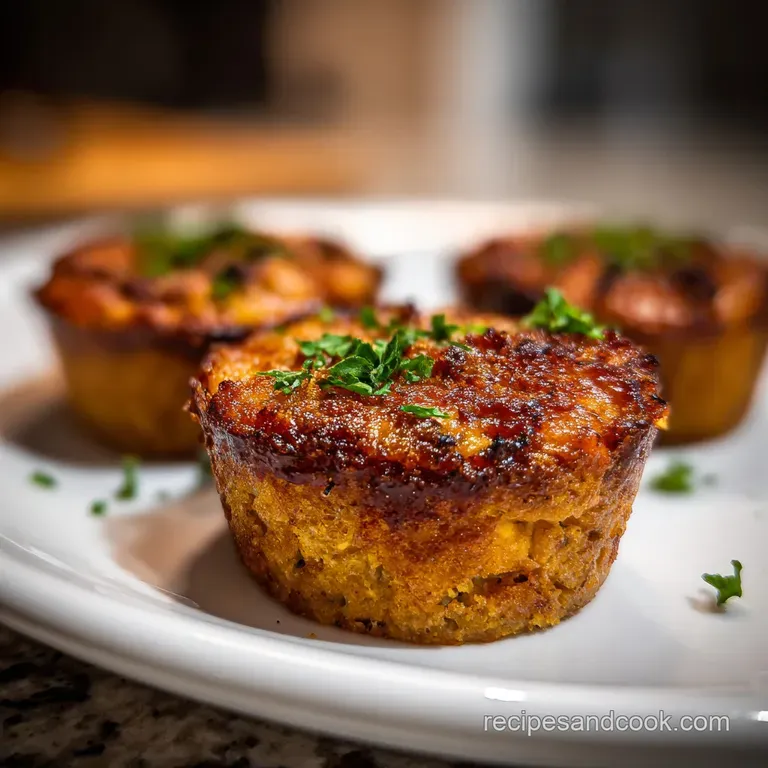
- Preheat your oven to 180°C (350°F) and lightly grease a 12 cup muffin tin. Note: This prevents the protein from sticking to the sides as it shrinks.
- Grate the onion and carrot directly into a large mixing bowl. Note: Retain all the juices from the vegetables for extra moisture.
- Add the minced garlic, beaten egg, panko, Worcestershire sauce, thyme, paprika, salt, and pepper to the vegetables.
- Gently fold in the 1.5 lbs of lean ground beef using a fork or clean hands. Mix until just combined to keep the texture light.
- Whisk together the tomato paste, balsamic vinegar, honey, and Dijon mustard in a small bowl until silky.
- Portion the meat mixture into the 12 muffin cups, pressing down lightly to level the tops. until all cups are evenly filled.
- Spoon a generous teaspoon of the balsamic glaze over each meatloaf. until the tops are fully coated.
- Bake for 20 minutes at 180°C. until the edges are sizzling and a thermometer hits 71°C.
- Remove from the oven and let them rest in the pan for 5 minutes. Note: This allows the juices to redistribute so they don't run out when removed.
- Use a thin knife or offset spatula to gently lift each meatloaf out of the tin.
Fixing Common Meatloaf Texture Issues
Why Your Meatloaf Feels Rubbery
If the texture is tough rather than tender, you likely overworked the beef. When you stir meat too aggressively, the proteins develop a tight, elastic bond (similar to kneading bread dough).
| Problem | Root Cause | Solution |
|---|---|---|
| Dry Texture | Beef was too lean or overcooked | Add 1 tbsp of beef broth or water to the raw mix next time |
| Falling Apart | Not enough binder (egg/panko) | Ensure the egg is well beaten and coats all ingredients |
| Burnt Glaze | High sugar content in honey | Move the oven rack to the middle position, not the top |
Common Mistakes Checklist
- ✓ Don't skip the resting period; the structure needs those 5 minutes to firm up.
- ✓ Pat the grated vegetables slightly if they are dripping wet, but keep most of the moisture.
- ✓ Avoid "packing" the meat into the muffin cups too tightly; keep it airy.
- ✓ Use a meat thermometer to pull them out exactly at 71°C (160°F).
- ✓ Brush a second layer of glaze on halfway through if you want a thicker crust.
Smart Swaps and Flavor Variations
If you are looking for a shortcut that still tastes like home, you can swap the fresh onion and carrot for 1/2 cup of store-bought "mirepoix" mix (finely chopped onion, celery, and carrot). It saves about 5 minutes of prep time.
| Fresh Ingredients | Shortcut Version | Flavor Impact |
|---|---|---|
| Grated onion/carrot | Pre chopped mirepoix | Slightly chunkier texture; same savory depth |
| Fresh garlic cloves | Jarred minced garlic | Slightly more acidic; less pungent aroma |
| Homemade glaze | BBQ sauce + Balsamic | Sweeter profile; less complex tang |
- The Zesty Turkey Twist
- Use ground turkey and swap the thyme for dried oregano and a pinch of cumin.
- The Grain Free Alternative
- Replace panko with 1/2 cup almond flour. Note: This creates a much denser, moisture rich crumb than AP flour or panko.
- The Cheese Core
- Press a small cube of sharp cheddar into the center of each meatloaf before baking for a molten surprise.
Preserving and Reheating Your Leftovers
These Muffin Tin Meatloaves are a meal prepper's dream because they are already portioned. You can store them in an airtight container in the fridge for up to 4 days. They actually taste even better the next day once the spices have had time to settle.
For long term storage, flash freeze them on a baking sheet for an hour before transferring them to a freezer bag. They'll stay fresh for up to 3 months. When you're ready to eat, don't just microwave them on high power that's the fastest way to turn them into rubber.
Instead, reheat in a 150°C oven for 10 minutes or use the microwave at 50% power to keep them tender.
Zero Waste Tip: If you have leftover glaze, whisk it with a little olive oil and use it as a dressing for roasted Brussels sprouts. Any leftover meatloaf can be crumbled into a quick pasta sauce the next night!
Perfect Side Dishes for Meatloaf
Meatloaf is the ultimate partner for something creamy or starchy. While mashed potatoes are the classic choice, I love serving these alongside my Cheesy Rice recipe. The richness of the baked rice cuts through the acidity of the balsamic glaze perfectly.
If you’re keeping things lighter, a simple steamed broccoli or a crisp green salad works wonders. Because these cook so quickly, I often toss a tray of asparagus into the oven on the rack below the meatloaves during the last 10 minutes of baking.
It's a full meal with minimal cleanup, which is exactly the kind of "practical magic" we need on a Tuesday night. Trust me, once you try the muffin tin method, you might never go back to the big loaf again.
The Truth About Meatloaf Myths
One common misconception is that you need high fat beef (like 80/20) for a juicy meatloaf. In a muffin tin, the smaller size means the meat cooks so fast that 90/10 lean beef stays perfectly moist without the excess grease pooling in the bottom of the cups.
Another myth is that you must sauté the onions and carrots before adding them to the meat. Because we grate the vegetables finely, they soften and release their flavor perfectly during the 20 minute bake. Sautéing them beforehand is an unnecessary step that just adds extra dishes to your sink.
Finally, don't believe that "more is better" with binders; too many breadcrumbs will result in a bready, bland muffin rather than a meaty, savory treat. Keeping the ratios precise is the secret to that classic comfort food texture.

Recipe FAQs
Is it better to bake meatloaf in a muffin tin?
Yes, for speed and texture. Muffin tins increase the surface area to volume ratio, resulting in more caramelized edges and a significantly reduced cooking time compared to a traditional loaf.
What is the best binder for meatloaf muffins?
Panko breadcrumbs mixed with a well beaten egg. Panko creates light pockets that absorb moisture, preventing a dense texture, while the egg provides the necessary structural protein to hold the mini loaves together.
What are the benefits of muffin tin meatloaf?
Faster cooking time and superior crust-to-interior ratio. Every portion gets crispy, caramelized edges, and the cooking time is roughly halved, making them excellent for quick weeknight meals.
How long to cook two 1 lb meatloaves at 350 degrees?
Cook for 45 to 55 minutes. A standard 1 lb meatloaf takes around an hour, but baking them in individual muffin cups at the same temperature will drastically reduce the time needed for them to reach 160°F.
Is it true that overmixing meatloaf ruins the texture?
Yes, overmixing develops tight protein bonds. When you combine ingredients too vigorously, the meat becomes tough and rubbery, similar to over kneaded bread dough. Mix only until the ingredients are just incorporated.
How to ensure the glaze caramelizes without burning?
Apply the glaze halfway through baking, not at the start. Sugar burns quickly; applying a thin layer initially and a thicker one for the last 10 minutes ensures deep color without scorching. If you enjoyed mastering this controlled caramelization, see how the same principle of controlled heat application improves texture in our Vanilla Pound Cake Recipe.
What can I substitute for the breadcrumbs to make them gluten-free?
Use almond flour or gluten-free rolled oats. Almond flour works well but creates a denser final texture; GF oats will yield a softer result. This principle of using alternative dry components applies well to many baking projects, like binding in the Breakfast On The Go recipe for structure.
Muffin Tin Meatloaves
Ingredients:
Instructions:
Nutrition Facts:
| Calories | 283 calories |
|---|---|
| Protein | 25.2 grams |
| Fat | 9.4 grams |
| Carbs | 14.5 grams |
| Fiber | 1.2 grams |
| Sugar | 7.1 grams |
| Sodium | 482 milligrams |
