Cream Recipe with Milk and Vanilla: Silken Pastry Cream
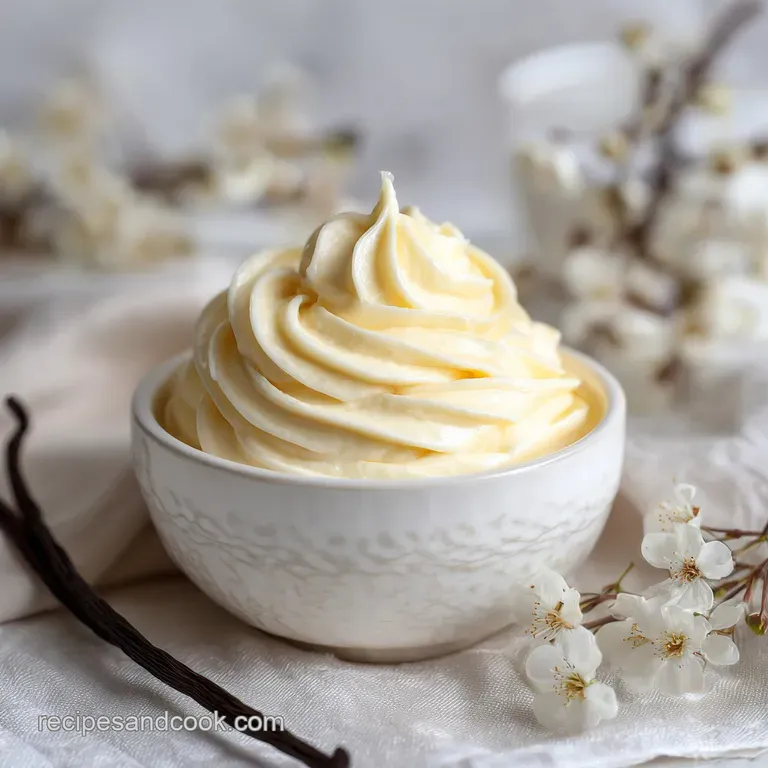
- Time: Active 15 minutes, Passive 1 hours 10 mins, Total 1 hours 25 mins
- Flavor/Texture Hook: Velvety, custard like, and rich with real vanilla
- Perfect for: Filling pastries, topping fruit, or eating as a decadent pudding
- Cream Recipe with Milk and Vanilla Success
- Silken Texture Through Heat Management
- Component Analysis for Professional Results
- Essential Tools for Smooth Creams
- Step-by-Step Guidance for Silky Results
- Fixing Texture and Consistency Issues
- Creative Flavor and Diet Swaps
- Freshness Tips and Waste Reduction
- Presentation and Color Garnish Strategy
- Cream Recipe FAQs
- 📝 Recipe Card
Cream Recipe with Milk and Vanilla Success
Picture this: a rainy Tuesday afternoon, a failed batch of éclairs, and a kitchen smelling faintly of scorched milk. I used to think "pastry cream" was something only French bakers with decades of experience could pull off.
Every time I tried, it ended up either like runny soup or a lumpy, bouncy mess that tasted more like flour than dessert.
But then I realized the magic isn't in fancy equipment; it's in the rhythm of the whisk and the patience of the flame. Once you see the liquid transform from a thin puddle into a glossy, thick ribbon, you'll never go back to the boxed stuff. It's a fundamental skill that opens the door to dozens of other desserts.
We're going to use simple staples from your pantry - milk, sugar, and eggs - to create a result that feels incredibly high end. This specific ratio ensures the cream is sturdy enough to hold its shape inside a puff pastry without losing that melting, velvety mouthfeel we all crave.
Trust me, once you master this, you're the hero of every brunch and birthday party.
Silken Texture Through Heat Management
- Starch Gelatinization: Cornstarch granules swell and burst at 190°F, creating a stable network that thickens the milk into a velvety texture.
- Lecithin Emulsification: Egg yolks act as a natural glue, binding fat and water together so the cream stays smooth instead of separating.
- Fat Enrichment: Stirring in cold butter at the end creates a glossy finish and a luxurious mouthfeel that coats the palate.
- Protein Protection: The sugar and starch act as a thermal buffer, preventing the egg proteins from curdling too quickly during the cooking process.
| Method | Time | Texture | Best For |
|---|---|---|---|
| Stovetop | 15 minutes | Ultra smooth and glossy | Traditional pastry fillings |
| Oven (Bain Marie) | 45 minutes | Dense and set | Crème caramel or flan bases |
| Microwave | 8 minutes | Slightly less stable | Quick home snacks or puddings |
Choosing the stovetop method is almost always the right call for this recipe. It gives you total control over the heat, allowing you to feel the resistance of the cream against your whisk as it thickens.
The oven method is great for custards that need to be baked into a specific shape, but for a pipeable filling, the direct heat of the stove is superior.
Component Analysis for Professional Results
The success of your cream depends on the quality and temperature of your starting components. While these are basic items, they behave in very specific ways when hit with heat.
| Ingredient | Science Role | Pro Secret |
|---|---|---|
| Egg Yolks (4 large) | Primary Emulsifier | Use room temp yolks to prevent "shocking" the mixture during tempering. |
| Cornstarch (0.25 cup) | Structure Builder | Sift it with the sugar to ensure no tiny white clumps survive the whisking. |
| Whole Milk (2 cups) | Liquid Base | Use full fat milk for a higher "fat to water" ratio, which prevents weeping. |
I always recommend using the best vanilla you can find. Since this is a "Vanilla and Milk" focused dish, the aromatic profile is the star of the show. If you find yourself short on dairy, you can always whip up a Homemade Heavy Cream recipe to add even more richness to your desserts, though the whole milk in this recipe provides a classic balance.
Essential Tools for Smooth Creams
You don't need a professional kitchen, but a few specific tools make the process foolproof. A heavy bottomed saucepan is non negotiable because thin pans create "hot spots" that will scorch your milk before the starch has a chance to cook.
You'll also want a balloon whisk with plenty of wires to break up any potential lumps the second they form.
For the cooling phase, have a fine mesh sieve and a shallow glass dish ready. Straining the hot cream through a sieve might seem like an extra step, but it's the secret to that restaurant quality finish. It catches any tiny bits of egg that might have cooked too quickly, ensuring every bite is perfectly uniform.
- Heavy bottomed saucepan: Prevents scorching and provides even heat distribution.
- Balloon whisk: Essential for aerating the yolks and preventing lumps.
- Fine mesh sieve: The ultimate insurance policy for a smooth texture.
- Plastic wrap: Prevents a "skin" from forming on the surface as it cools.
step-by-step Guidance for Silky Results
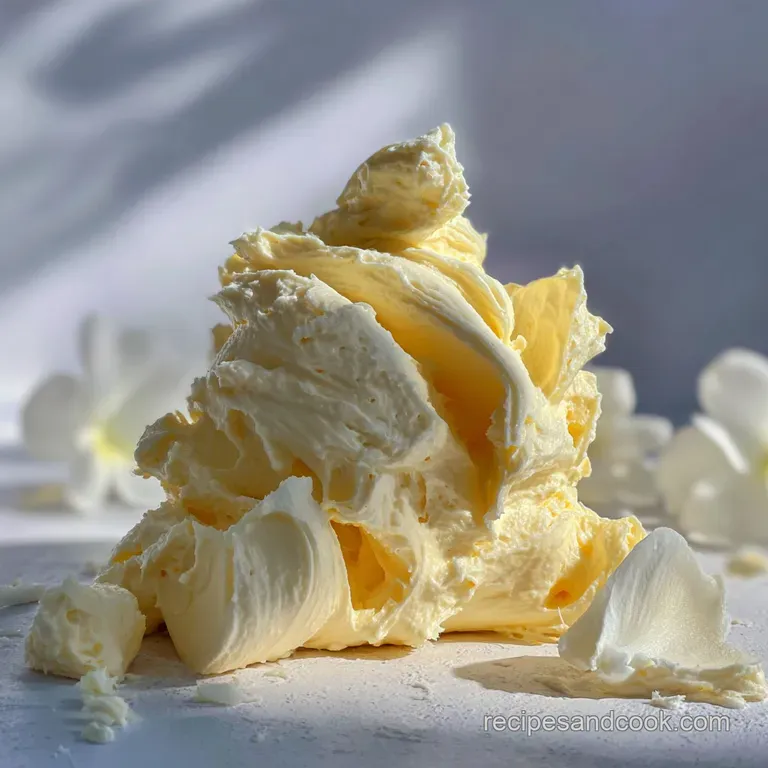
- Infuse the milk. Pour 2 cups whole milk into your saucepan over medium heat. Note: Watch for small bubbles around the edges; don't let it reach a rolling boil.
- Whisk the base. In a separate heat proof bowl, whisk 4 large egg yolks and 0.5 cup granulated sugar until the mixture turns pale and thick.
- Add the starch. Sift 0.25 cup cornstarch into the egg mixture and whisk vigorously. Note: This prevents the starch from clumping when the hot milk hits it.
- Temper the eggs. Slowly drizzle half of the hot milk into the egg bowl while whisking constantly. This warms the eggs gently without scrambling them.
- Combine and cook. Pour the egg milk mixture back into the saucepan with the remaining milk.
- Thicken the cream. Cook over medium low heat, whisking constantly, until the mixture thickens like bubbling lava.
- Final boil. Let the cream "blip" (bubble) for exactly 1 minute to fully cook the starch. You will smell the raw flour scent disappear.
- Enrich the flavor. Remove from heat and stir in 2 tbsp unsalted butter and 1 tbsp pure vanilla extract.
- Strain and cool. Press the cream through a fine mesh sieve into a clean bowl until it looks like liquid silk.
- Seal the surface. Press plastic wrap directly onto the surface of the cream and chill for at least 1 hour.
Fixing Texture and Consistency Issues
Why Your Cream Is Lumpy
Lumps usually happen when the egg and starch mixture isn't whisked enough before adding the milk, or if the heat is too high. If the bottom of the pan cooks faster than you can whisk, you get "scrambled" bits.
To fix this, immediately remove the pan from the heat and whisk like your life depends on it. If that doesn't work, the fine mesh sieve is your best friend. Force the cream through the mesh while it's still hot, and it will smooth out significantly.
Why Your Cream Is Runny
A runny cream is almost always caused by undercooking. Cornstarch needs to reach a specific temperature (about 190°F) to activate its thickening power. If you stop whisking the moment it looks thick, it might lose its structure as it cools.
| Problem | Root Cause | Solution |
|---|---|---|
| Gritty Texture | Undissolved sugar or starch | Whisk sugar and yolks longer before adding milk. |
| Thin/Soupy | Didn't reach a boil | Return to heat and wait for the "blip" bubbles. |
| Burned Bottom | Heat too high/No whisking | Don't scrape the bottom; pour the good cream into a new pan. |
Adding too much liquid or using low-fat milk can also weaken the structure. Stick to whole milk for the best results. This base is very similar to a Bavarian Cream Recipe, though that version usually incorporates gelatin and whipped cream for an even lighter finish.
Common Mistakes Checklist
- ✓ Never walk away from the stove while the milk is heating.
- ✓ Whisk the yolks and sugar until they are "ribbon" stage (pale and thick).
- ✓ Drizzle the hot milk in a very thin stream to avoid curdling the yolks.
- ✓ Ensure the mixture actually bubbles for 60 seconds to neutralize the starch enzymes.
- ✓ Always press the plastic wrap directly onto the cream to avoid a rubbery skin.
Creative Flavor and Diet Swaps
| Original Ingredient | Substitute | Why It Works |
|---|---|---|
| Whole Milk (2 cups) | Full fat Coconut Milk | Provides similar fat content. Note: Adds a distinct tropical flavor. |
| Granulated Sugar | Maple Syrup (0.3 cup) | Adds earthy sweetness. Note: Reduce milk by 2 tbsp to compensate for liquid. |
| Cornstarch | Arrowroot Powder | Great for a shinier finish. Note: Becomes slimy if reheated too much. |
If you want a deeper flavor, you can scrap the vanilla extract and use a real vanilla bean. Split the bean, scrape the seeds into the milk, and simmer the pod with the milk. The visual of those tiny black flecks makes the cream look incredibly professional and expensive.
Freshness Tips and Waste Reduction
Storage Guidelines This cream belongs in the fridge. Because of the egg and milk content, it shouldn't sit at room temperature for more than 2 hours. Fridge: Store in an airtight container with plastic wrap on the surface for up to 3 days.
Freezer: Not recommended. The starch structure breaks down when frozen and thawed, leaving you with a watery, grainy mess.
Zero Waste Tips You'll have 4 leftover egg whites from this recipe. Don't toss them! You can store them in a jar in the fridge for 2 days or freeze them for up to 3 months. They are perfect for making a light meringue, a healthy egg white omelet, or even a batch of macarons.
If you have leftover vanilla pods, stick them in a jar of sugar to create homemade vanilla sugar for your morning coffee.
Presentation and Color Garnish Strategy
When serving this cream, think about the visual contrast. The cream itself is a soft, pale ivory, which acts as a blank canvas for vibrant toppings. I like to use a "Rule of Three" for garnishing to ensure the dish looks balanced and intentional.
- Emerald Green: A single, small sprig of fresh mint placed off center adds height and a refreshing pop of color that makes the vanilla notes sing.
- Ruby Red: A cluster of fresh raspberries or a sliced strawberry provides a sharp acidity that cuts through the richness of the egg yolks. Add these right before serving to prevent the juice from bleeding into the cream.
- Amber Gold: A light dusting of toasted almond slivers or a drizzle of warm honey adds texture and a warm hue that complements the butter in the recipe.
Chef's Note: If you're using this as a filling for tarts, brush a thin layer of melted white chocolate onto the tart shell first. This creates a moisture barrier so the cream doesn't make the crust soggy, keeping the base "shatter crisp" for hours.
For another decadent treat that uses similar dairy based techniques, try my Fudge Recipe which also focuses on achieving that perfect, smooth crystalline structure through temperature control. Success with this cream recipe comes down to that final 60 second boil don't fear the bubbles, they are your signal that the cream is set and ready to shine!
Cream Recipe FAQs
Can you make heavy cream from just milk?
No, not directly. Heavy cream has a significantly higher fat content (at least 36%) than whole milk (around 3.5%). You can increase the fat content of milk by adding butter, but it's not the same as true heavy cream.
Can I mix vanilla with milk?
Yes, absolutely! Vanilla is a classic flavor enhancer for milk and is a staple in many milk based desserts and drinks. It adds a warm, aromatic sweetness that complements the milk's natural flavor.
Can you put vanilla in cream?
Yes, and it's highly recommended! Vanilla is one of the most common and beloved flavorings for cream, whether it's whipped cream, pastry cream, or ice cream. It adds depth and a wonderful aroma to the richness of the cream.
How to make creme diplomat?
Combine pastry cream with whipped cream. Start by making a basic pastry cream recipe. Once it's chilled and thickened, gently fold in whipped heavy cream until just combined to create a lighter, airier texture.
What is the difference between pastry cream and creme diplomat?
Creme diplomat is lighter and airier. Pastry cream is a cooked custard, while creme diplomat is pastry cream lightened by folding in whipped cream, making it fluffier and often used as a filling.
Can I use vanilla extract in my milk based recipes?
Yes, vanilla extract is a fantastic all-around flavor booster. It works wonderfully in recipes like Hot Fudge Sauce: The Ultimate Black Forest Recipe or simple milk drinks to add that comforting, familiar vanilla aroma and taste.
How do I ensure my milk based creams don't curdle?
Temper your eggs and avoid high heat. Slowly whisk hot liquid into egg yolks to gradually raise their temperature before combining everything. Cook the mixture gently over medium low heat, stirring constantly, and never let it boil rapidly.
Milk Vanilla Cream
Ingredients:
Instructions:
Nutrition Facts:
| Calories | 159 kcal |
|---|---|
| Protein | 3.5 g |
| Fat | 7.3 g |
| Carbs | 19.3 g |
| Fiber | 0 g |
| Sugar | 15.4 g |
| Sodium | 32 mg |
