How to Make Heavy Whipping Cream from Scratch
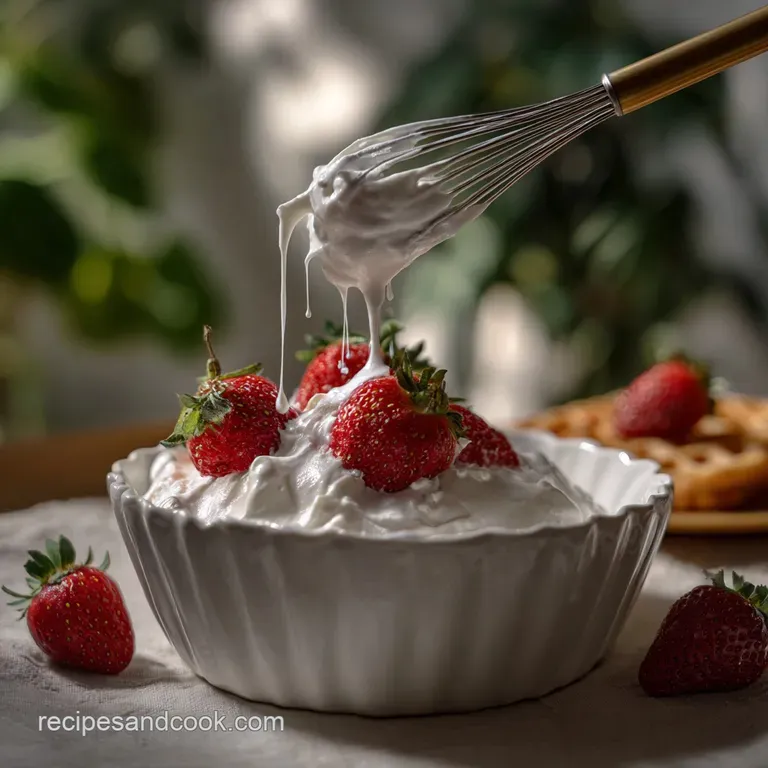
- Effort/Time: 7 minutes total
- Flavor Hook: Rich, buttery, and velvety mouthfeel
- Perfect for: Creamy pastas, rich ganaches, and morning coffee
- How to Make Heavy Whipping Cream: The Ultimate Masterclass Kitchen Hack
- The Science of Why it Works
- Ingredients & Substitutions for Heavy Cream
- How to Make Heavy Whipping Cream Step-by-Step
- Troubleshooting Common Issues
- Common Myths About DIY Heavy Cream
- How to Make Heavy Whipping Cream into Whipped Cream?
- Storage and Reheating
- Final Thoughts on Making Your Own Heavy Cream
- Recipe FAQs
- 📝 Recipe Card
How to Make Heavy Whipping Cream: The Ultimate Masterclass Kitchen Hack
The Midnight Cream Crisis: Why We’re Here
You’re halfway through a vodka sauce or a decadent chocolate ganache when you realize the carton in the fridge is empty. It’s a classic kitchen heartbreak. We’ve all been there staring at a bottle of milk, knowing it’s too thin to carry the weight of the dish.
I once tried to just "use more milk" in a cream based soup, and the result was a watery, broken mess that lacked any soul. That failure taught me that fat isn't just a flavor carrier; it’s a structural necessity.
Learning how to make heavy whipping cream isn't just about saving a recipe; it’s about understanding the architecture of dairy. By the time we’re done, you’ll never panic over an empty carton again.
We’re going to use basic pantry staples to create a high fat liquid that behaves exactly like the store-bought stuff in your favorite cooked dishes. It’s quick, it’s scientific, and frankly, it feels a bit like magic.
Trust me, once you see how the fat molecules bind with the milk proteins, you’ll feel like a total pro. Let’s crack on with the science and the steps to ensure your next meal has that signature velvety finish.
Why This Recipe Works
- Lipid Reconstitution: Adding high-quality butter fat back into whole milk mimics the 36 40% fat content found in commercial heavy cream.
- Protein Bridging: The casein and whey proteins in the Organic Valley Whole Milk act as natural emulsifiers, holding the melted butter in suspension.
- Thermal Stability: Slow melting the Kerrygold Unsalted Butter prevents the milk solids from browning, keeping the flavor neutral and the texture smooth.
The Science of Why it Works
This process relies on emulsification, where the fats from the butter are dispersed into the water based milk. Since fat and water don't naturally mix, the proteins in the milk wrap around the butter droplets to prevent them from recoalescing.
The Science Behind Kerrygold Unsalted Butter
- What It Does
- Provides the essential lipid (fat) structure required for a rich mouthfeel.
- The Chemistry
- Through the process of melting, we initiate a solid-to-liquid phase transition, releasing triglycerides from their crystalline structure.
- Why This Matters
- This high fat concentration (approx. 82%) is what transforms thin milk into a viscous, heavy duty liquid capable of thickening sauces.
The Science Behind Organic Valley Whole Milk
- What It Does
- Acts as the aqueous base and provides the necessary emulsifying agents.
- The Chemistry
- Milk contains phospholipids and proteins (casein) that have both hydrophobic and hydrophilic ends.
- Why This Matters
- These molecules align at the interface of the butter and milk, creating a stable emulsion that prevents the fat from instantly floating to the top.
Ingredients & Substitutions for Heavy Cream
To successfully make heavy whipping cream, quality is paramount. If you start with cheap, high water-content butter, your cream will feel thin and lackluster.
| Original Ingredient | Substitute | Why It Works |
|---|---|---|
| 1/4 cup Unsalted Butter | Salted Butter | Same fat content. Note: Reduce added salt in your final recipe to compensate. |
| 3/4 cup Whole Milk | Half and Half | Higher starting fat. Note: Use slightly less butter (approx. 3 tbsp) for a similar result. |
| 3/4 cup Whole Milk | Full fat Coconut Milk | High fat vegetable lipids. Note: Adds a distinct tropical flavor and may separate if boiled. |
Pro Tool Note: For the best results, use a Lodge Enameled Cast Iron Saucepan for even heat distribution and a KitchenAid Hand Mixer or a high speed whisk to ensure the emulsion is tight.
How to Make Heavy Whipping Cream step-by-step
Knowing how to make heavy whipping cream at home is a three stage process: melting, combining, and stabilizing.
- Melt 1/4 cup Kerrygold Unsalted Butter.Note: Use low heat to avoid the Maillard reaction, which would give the butter a toasted, nutty flavor inappropriate for cream.
- Remove from heat immediately.Note: Excessive heat can cause the milk proteins to denature too quickly when combined, leading to a grainy texture.
- Pour 3/4 cup Organic Valley Whole Milk into a Pyrex Measuring Cup.Note: Room temperature milk is preferred to prevent the butter from instantly seizing into small clumps.
- Whisk the melted butter into the milk slowly.Note: This creates a mechanical emulsion by breaking the fat into smaller globules that the milk proteins can surround.
- Agitate for 2 minutes using a whisk or hand mixer. Note: Vigorous whisking is required to ensure the lipids are fully suspended throughout the liquid.
Chef's Tip: If you need the cream for a cold application, let it sit at room temperature for 10 minutes before refrigerating. A sudden temperature drop can break the emulsion you just worked so hard to create.
Troubleshooting Common Issues
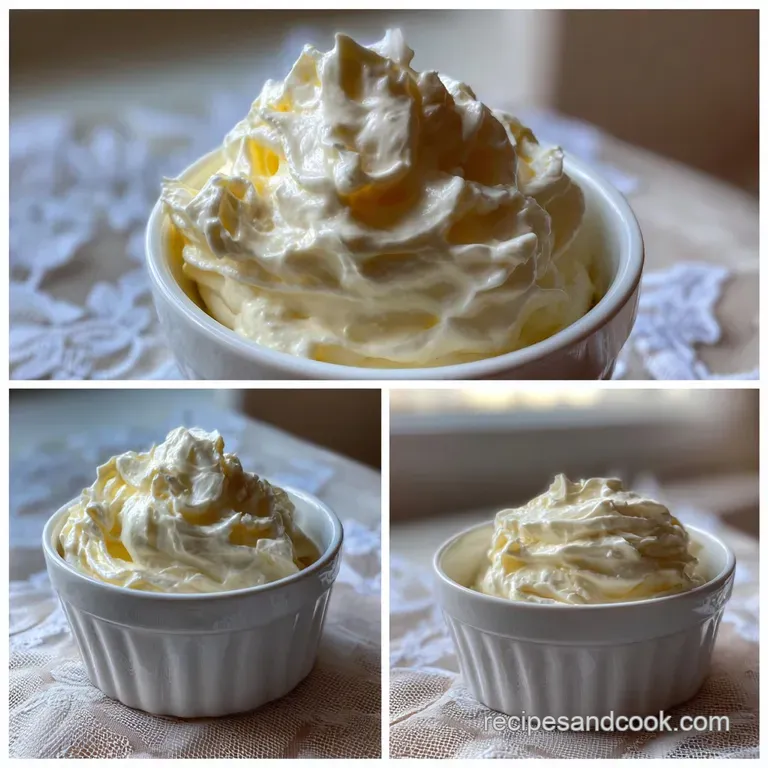
Even when you know how to make heavy whipping cream, dairy can be temperamental. Here is how to fix it when things go sideways.
| Problem | Why It Happens | The Fix | Pro Protocol |
|---|---|---|---|
| Separation | Butter was too hot or whisking was too slow. | Re-whisk vigorously or use a blender for 30 seconds. | Use a Taylor Digital Thermometer to ensure butter is under 110°F before mixing. |
| Clumping | Cold milk caused the butter to solidify. | Gently warm the entire mixture over a double boiler while whisking. | Tempered ingredients are non-negotiable for smooth emulsions. |
| Too Thin | Ratio of butter to milk is off. | Add 1 more tablespoon of melted butter. | Measure by weight if possible for 100% precision. |
Common Myths About DIY Heavy Cream
Myth: This homemade version will whip into stiff peaks like store-bought cream. Truth: Because this is a manual emulsion without commercial stabilizers (like carrageenan), it generally will not hold enough air to form stiff whipped cream. It is best used for liquid applications. However, if you are looking for a firm treat, check out this Jello Jigglers Recipe: How to Make Extra Firm Shapes.
Myth: You can use margarine instead of butter. Truth: Margarine has a higher water content and different melting points, which often leads to a broken, oily mess that lacks the necessary protein fat bond.
Myth: Skim milk works just as well. Truth: Skim milk lacks the foundational fat globules and protein density needed to support the added butter, often resulting in a watery consistency.
How to Make Heavy Whipping Cream into Whipped Cream?
While the basic milk and butter hack is perfect for cooking, it often lacks the structural integrity for piping onto a cake. If you want to make heavy whipping cream that actually whips, you need a stabilizer.
Adding a tablespoon of unflavored gelatin (bloomed in water) or a teaspoon of cornstarch to the mixture while it's warm can help. Once chilled for at least 6 hours, the mixture may hold a soft peak. But honestly? If you need whipped cream for a topping, this hack is a "Plan B." It shines brightest in a Breakfast Casserole: make-ahead Sausage Sourdough Strata where the cream is baked into the custard.
Storage and Reheating
Storage: Store your homemade heavy cream in an airtight Mason Jar in the refrigerator for up to 2 days. Because it lacks preservatives, the fat will naturally rise to the top over time.
Freezing: You can freeze this mixture in silicone ice cube trays for up to 2 months. It’s perfect for dropping into a hot soup later. Just know that freezing will almost certainly break the emulsion, so you’ll need to whisk it again once thawed.
Reheating: Never boil this cream directly on high heat. The protein denaturation will cause the milk to curdle and the butter to separate. Heat it gently as part of a larger sauce or stew.
Final Thoughts on Making Your Own Heavy Cream
Knowing how to make heavy whipping cream is a fundamental skill that elevates you from a recipe follower to a true cook. It’s about more than just butter and milk; it’s about the chemistry of your kitchen. Whether you’re making a creamy pasta or adding a splash to your Instant Pot Yogurt: Make Ultra Creamy, Tangy Homemade Yogurt, this hack is a life saver.
Next time you're about to run to the store for one single ingredient, remember that you probably already have everything you need. This Heavy Cream: Make Homemade Whipping Cream Fast guide is your insurance policy against incomplete recipes. Happy cooking!
Recipe FAQs
What is the minimum fat content required for successful whipping?
30% fat content minimum. Commercial heavy cream must exceed this threshold to trap air effectively during agitation. Below 30%, the liquid will not form stable peaks.
Can I use this homemade cream for making ice cream?
Yes, if chilled thoroughly first. The emulsion must be completely cold to allow the destabilized fat globules to re-emulsify correctly during churning. This method yields excellent results, much like the base used in Bavarian Cream Recipe: A Silken, Restaurant Quality Dessert.
My resulting cream is grainy, what caused this?
Over mixing or inconsistent temperatures caused separation. Excessive agitation causes the fat molecules to aggregate too rapidly, breaking the water-in-fat emulsion. Over mixing leads to butter separation.
- Ensure butter is fully melted
- Chill milk before incorporation
- Use a high speed blender initially
Is this mixture safe to use for making ganache?
Yes, it functions identically to store-bought heavy cream. The replicated 36% fat ratio ensures proper chocolate melting and suspension, similar to how fats stabilize sauces like those in our Surf and Turf: Showstopper Fillet and Lobster with Compound Butter.
Can I substitute whole milk with lower fat milk options?
No, low-fat milk will fail the technique. Insufficient initial fat density prevents the necessary stabilization needed for proper whipping structure. You must use whole milk.
How long will this homemade version last in the refrigerator?
Myth: It lasts as long as commercial cream. Reality: Without commercial stabilizers, consume within four days for peak quality. Refrigeration slows, but does not stop, microbial growth.
Is using clarified butter better than whole melted butter?
Clarified butter offers superior stability. Removing water content from the lipid phase reduces the chance of emulsion breakdown due to excess liquid. Whole butter includes trace milk solids that can interfere with the smooth texture.
Make Heavy Whipping Cream
Ingredients:
Instructions:
Nutrition Facts:
| Calories | 65 kcal |
|---|---|
| Protein | 0.8 g |
| Fat | 6.5 g |
| Carbs | 1.1 g |
| Fiber | 0 g |
| Sugar | 1.2 g |
| Sodium | 11 mg |
