Chicken Bog: the Essential Lowcountry Classic

- The Heart of the Lowcountry: Introducing Chicken Bog
- The Science of Comfort: Achieving the Perfect 'Bog' Texture
- Essential Components for Authentic Lowcountry Flavour
- Mastering the Technique: Step-by-Step Guide to the Best Bog
- Expert Insights and Troubleshooting Your Chicken Bog
- Preparation, Storage, and Reheating Guide
- What to Serve Alongside This Comfort Classic
- Recipe FAQs
- 📝 Recipe Card
The Heart of the Lowcountry: Introducing Chicken Bog
The minute the steam hits your face, you know you’re in for a treat; the aroma of deeply smoked sausage swirling with rich, slow simmered broth is absolutely intoxicating. This isn't your average weeknight casserole, but a textural masterpiece where every grain of rice is coated in savoury flavour, creating that signature, comforting "boggy" texture.
If you’re looking for a proper easy Chicken Bog recipe that works every single time, you’ve hit the jackpot. This dish is the definitive, economical supper for feeding a hungry crowd, proving that the simplest ingredients often yield the most profound comfort.
Seriously, it stretches a small amount of meat brilliantly.
We’re cutting through the noise and focusing on the three non-negotiables: bone-in flavour, intense smoky depth, and the perfect rice ratio. Forget those weird, dry versions you’ve tried before; this is the true Lowcountry Chicken Bog , perfected over years of kitchen experiments.
Let’s crack on.
The Science of Comfort: Achieving the Perfect 'Bog' Texture
The History and Community Spirit of the Dish
Chicken Bog South Carolina is more than just a recipe; it’s a cultural touchstone often served at huge community gatherings like church suppers or oyster roasts.
It's a peasant dish, born from necessity, where humble ingredients (like rice and small amounts of smoked meat) were stretched to feed everyone at the table. I adore these historical recipes because they teach us how to make something spectacular out of almost nothing.
Why 'Bog'? Defining the Essential Creamy Consistency
The name "bog" is the biggest clue to its required texture. It needs to be sticky, saturated, and supremely creamy, but crucially, it shouldn't be watery soup or stiff, separated pilaf.
The ideal consistency is somewhere between risotto and thick jambalaya a savoury, cohesive mass that holds its shape slightly on the plate.
What Makes This Specific Recipe Essential
My secret? We start by making our own stock using bone-in cuts, which instantly gives us a profound depth that canned broth can never achieve. Then we layer the smoke by rendering the sausage first, using that fat to sauté the aromatics. This isn't just an assembly job; it’s flavour engineering.
The Magic of Starch Release
The texture is entirely controlled by the starch in the rice. Too much starch makes it gluey and pasty, but too little makes it dry. We must rinse the rice thoroughly before cooking, washing off all that excess surface starch, ensuring the final dish is creamy yet still defines individual grains.
Trust me, rinsing is non-negotiable.
Balancing Broth and Absorption for Flavour
We’re using a very large volume of stock here, which sounds counterintuitive, but much of that liquid evaporates while we simmer the bone-in chicken. The resulting concentrated broth is gold, packed with collagen and savoury notes, and that powerful liquid is what the rice absorbs in the final, critical cooking stage.
Why Slow Simmering Matters for Tenderness
The initial 45 minute gentle simmer serves two purposes: it creates our spectacular broth, and it ensures the chicken literally falls apart. If the meat isn't incredibly tender before you shred it, the final Chicken Bog will feel dry and chewy, ruining the whole experience.
Essential Components for Authentic Lowcountry Flavour
This dish relies on good quality ingredients; since there are so few, every component must pull its weight.
Selecting the Right Smoky Sausage
You absolutely must use a fully smoked pork sausage, like Andouille or a high-quality Kielbasa. The rendering of the sausage fat is the very foundation of the flavour profile, so don't be tempted to use pre-cooked, bland links.
| Ingredient | The Best Choice | Viable Substitute |
|---|---|---|
| Smoked Sausage | Andouille or Kielbasa | Smoked turkey sausage or diced, rendered bacon/pancetta. |
| Chicken Cuts | Bone-in thighs/legs | Skinless, boneless thighs (Add more chicken fat/butter). |
| Liquid | Homemade Chicken Broth | high-quality, low-sodium boxed stock (Add 1 tsp bouillon powder). |
The Importance of Long Grain Rice
You need a rice that holds its shape but also absorbs liquid perfectly. Carolina Gold rice is traditional if you can find it, but any good quality, long grain white rice is ideal.
Avoid short grain rices like Arborio or sticky rice, as they will turn your bog into a thick, sweet pudding definitely not what we are aiming for.
Broth Breakdown: Building Rich Depth
If you skip the step of simmering the bone-in chicken, you are missing 80% of the flavour. That long, gentle cook time extracts all the savoury goodness and collagen from the bones. This is why Paula Deen Chicken Bog and other classic recipes insist on using bone-in cuts.
Notes on Required Aromatic Vegetables
We keep the aromatics simple: onion and green bell pepper. I know many recipes skip the pepper, but I find that subtle grassy note cuts through the richness of the sausage perfectly. Don't sauté them for less than 8 minutes; they need to be fully soft and translucent before moving on.
Mastering the Technique: step-by-step Guide to the Best Bog
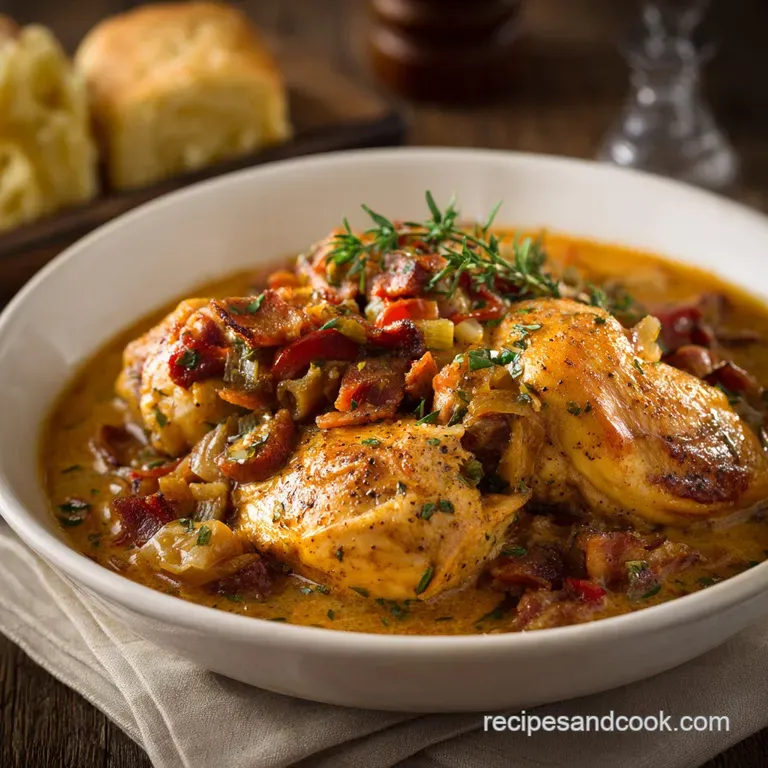
Chef’s Note: Use a heavy bottomed Dutch oven. It distributes heat evenly, which is essential for cooking the rice without burning the bottom layer.
Step 1: Developing the Smoky Base
First, bring your chicken, stock, salt, peppercorns, and bay leaves to a boil, then simmer it gently for 45 minutes until the meat is falling apart. Remove the chicken and strain the broth, setting both aside.
Next, return the pot to the heat and brown your sliced sausage until it’s crispy and its beautiful, smoky fat has rendered out. Remove the sausage, leaving that glorious fat behind.
Add the butter and oil, then sauté the diced onion and bell pepper until beautifully soft (about 8 minutes), finishing with the garlic for just one minute until fragrant.
Step 2: Incorporating the Broth and Simmering
Stir in your thyme, cayenne (if you like a little heat), and black pepper. Now, add the thoroughly rinsed long grain rice to the pot, stirring it gently for about 60 seconds to coat every grain in the smoky fat. Pour in all your reserved, strained broth. Bring the mixture up to a rapid, rolling boil.
Step 3: Adding the Rice and Controlling the Cook
Immediately reduce the heat to the absolute lowest setting the moment it boils. Cover the pot tightly with a well fitting lid this is the moment of truth. Let it cook, undisturbed, for exactly 18 minutes. Do not lift the lid; the steam is doing the work.
Step 4: Finishing Touches and Resting the Dish
After 18 minutes, lift the lid. Most of the liquid should be absorbed, and you will see small pockets (craters) forming in the rice. Gently fold in your shredded chicken and the browned sausage.
If the mixture seems overly stiff or dry, add a small splash (about ¼ cup) of extra warmed stock until it reaches a moist, cohesive consistency. Cover it again, turn off the heat, and let the Chicken Bog rest for 10 minutes; this allows the flavours to completely marry and the rice to finish steaming.
Taste for salt, add more pepper if needed, and serve immediately garnished with fresh parsley. Jobs a good'un.
Expert Insights and Troubleshooting Your Chicken Bog
Preventing Mushy or Undercooked Rice
The liquid-to-rice ratio is everything here. People mess this up consistently, which is a tragedy because the fix is simple: Always rinse the rice , and never stir the rice once the lid goes on. Stirring releases starch and makes it gummy.
If your rice is still crunchy after the rest period, add another splash of hot broth, recover, and let it steam for 5 more minutes off the heat.
Maximizing the Smoky Depth
If you're using a milder sausage, add a tiny dash of liquid smoke to the broth during the final simmer, or use smoked paprika when sautéing the aromatics. This dish must taste deeply smoked, reflecting its origins as a way to use cured, smoked pork parts.
Adjusting Seasoning After the Simmer
I always wait until the end to adjust the final salt content. Since we are reducing a massive amount of stock and using highly salty smoked sausage, the salt concentrates dramatically. You don't want to over salt early, so trust the process and only add more salt right before the resting period.
Preparation, Storage, and Reheating Guide
Common Mistakes to Avoid
- Using Boneless, Skinless Breasts: This yields dry, flavourless meat and a weak broth. Always use bone-in, skin-on cuts.
- Lifting the Lid: Steam escapes, and the rice won't cook properly or evenly. Resist the urge to peek during the 18 minute cook time.
- Over Stirring: This releases starch, turning your beautiful, slightly separate rice grains into a gluey mess. Only fold gently when adding the meat and sausage back in.
Ideal make-ahead Strategies
You can absolutely prep major parts ahead of time. Cook the bone-in chicken and shred the meat up to two days in advance. You can also brown the sausage and sauté the aromatics ahead of time, storing them together in the fridge.
When you are ready to serve, bring the strained broth to a boil, then proceed immediately from Step 7 (adding the rice).
Best Practices for Freezing the Dish
But does it freeze well? You bet. Chicken Bog recipes are excellent for batch cooking. Once completely cooled, store the bog in airtight containers for up to three months. To reheat, thaw overnight in the fridge.
Transfer it to a saucepan with a splash (about ¼ cup) of water or stock per serving, cover tightly, and warm on low heat until steaming, stirring as little as possible. It lasts perfectly in the fridge for 3 4 days.
What to Serve Alongside This Comfort Classic
This is a rich, satisfying, single pot meal, meaning you need bright, acidic, and crunchy components to balance the creamy texture. I prefer something fresh and simple.
- A sharp, vinegar based coleslaw is the perfect counterpoint to the smoky richness.
- Tangy, slow simmered collard greens seasoned with pepper vinegar.
- Crisp, warm cornbread (Southern style, please no sugar!) is essential for scraping up every last bit from the bowl.

Recipe FAQs
Why is my Chicken Bog too stiff or dry?
This usually happens if the heat was too high, causing the liquid to evaporate too quickly, or if the rice was simmered for too long. To fix it, gently stir in 1/2 cup increments of hot chicken broth until the desired creamy, loose consistency is achieved, making sure to scrape the bottom of the pot to prevent scorching.
Can I use a different type of rice than long grain?
Yes, but be mindful of the cooking time and starch content. While long grain is traditional, you can use medium grain rice like Carolina Gold or Arborio for an even creamier result, though it may take less time to fully cook.
Avoid instant or parboiled rice, as they do not release enough starch to create the rich, binding texture required for a true "bog."
What is the best sausage to use if I can't find Andouille or Kielbasa?
The smoky flavor is absolutely crucial, as it defines the dish’s Lowcountry identity. If you cannot source specific types, use any high-quality, pre-cooked smoked pork sausage, ensuring it is dense and firm enough to hold its shape during the long simmer.
Avoid fresh, unsmoked sausages, as they will not impart the necessary depth of flavor.
My bog tastes a little bland; how can I deepen the flavor?
Flavor is built in layers, starting with properly browning the sausage and using a deeply flavored broth, not just water. Try adding a bay leaf and a pinch of smoked paprika early in the cooking process, and don't be afraid to adjust the salt and pepper levels at the very end often it just needs a final seasoning lift.
Can I substitute chicken thighs for the whole chicken?
Absolutely, boneless, skinless chicken thighs are an excellent choice as they retain moisture better than breasts during the long simmer and offer richer flavor. If you use thighs, reduce the initial simmering time to about 35-40 minutes, or until the chicken is easily shredded, to prevent it from becoming tough.
How should I store and reheat leftover Chicken Bog?
Store leftovers in an airtight container in the refrigerator for up to 3 days. When reheating, do so gently on the stovetop or in the microwave, but note that the rice will have absorbed much of the liquid. You will need to stir in a splash of water or extra chicken broth to restore the desired creamy consistency.
Does Chicken Bog freeze well for later use?
While safe to freeze, rice based dishes often suffer a slight texture change, becoming a bit grainy or mushy upon thawing. For the best result, freeze portions flat in heavy duty freezer bags for up to three months, then reheat very slowly in a pot, stirring in additional broth until the texture loosens up again.
Lowcountry Chicken Bog Recipe
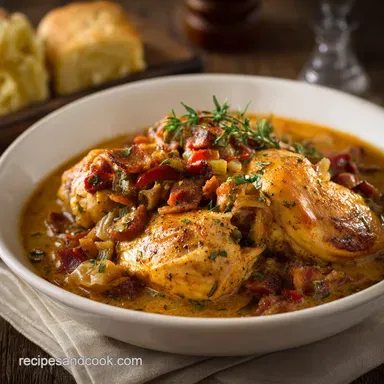
Ingredients:
Instructions:
Nutrition Facts:
| Calories | 600 calories |
|---|---|
| Fat | 31.5 g |
| Fiber | 2.5 g |
