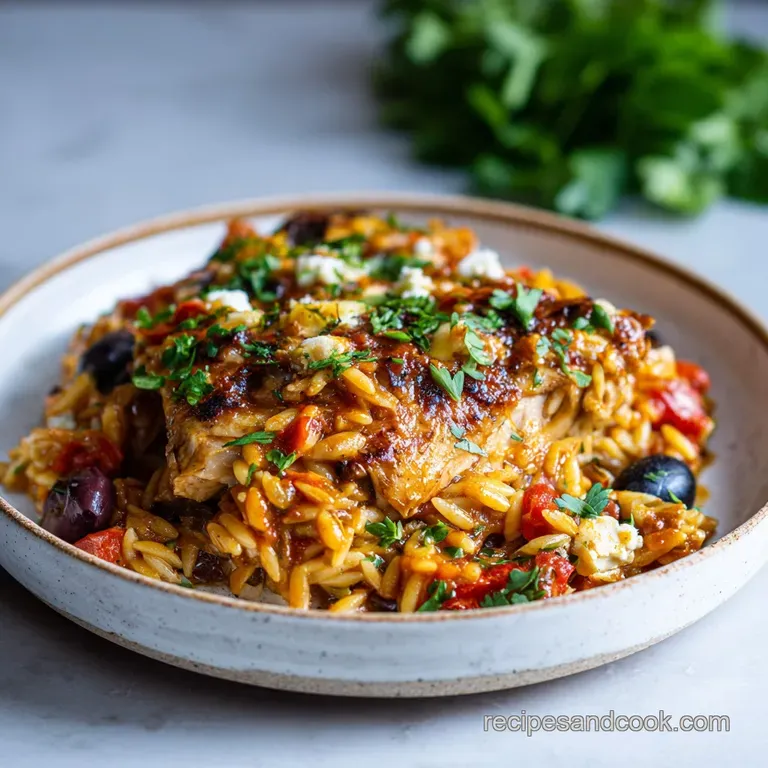
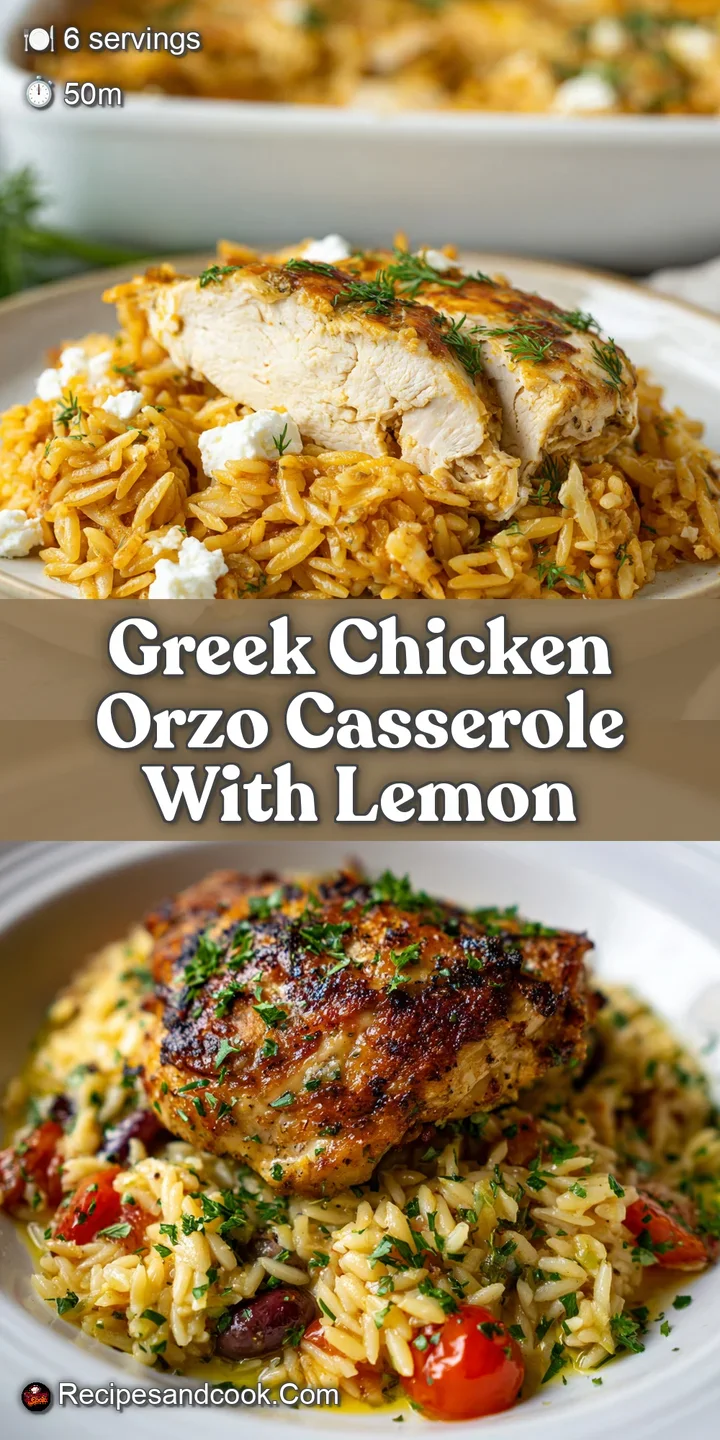
Lemon Greek Chicken Orzo Casserole Bake
- Time: Active 15 minutes, Passive 35 minutes, Total 50 minutes
- Flavor/Texture Hook: Zesty, velvet smooth orzo with shatter crisp chicken skin
- Perfect for: Stress free hosting or an adventurous midweek dinner
- Greek Chicken Orzo Casserole made with simple pantry staples and Lemon
- Core Recipe Specifications
- Essential Components and Substitutes
- Necessary Tools and Equipment
- Step-by-Step Cooking Technique
- Troubleshooting Common Cooking Issues
- Creative Global Flavor Variations
- Storage and Zero Waste Tips
- Perfect Mediterranean Side Pairings
- Recipe FAQs
- 📝 Recipe Card
Greek Chicken Orzo Casserole made with simple pantry staples and Lemon
The kitchen was nearly empty on a Tuesday night when I first threw this together. I had a pack of thighs, half a bag of orzo, and a lemon that had seen better days. As the chicken hit the hot oil, that initial sizzle transformed the air into something vibrant and global.
By the time I deglazed the pan with lemon juice, the aroma was so intense it felt like a tiny escape to a seaside taverna.
This Greek Chicken Orzo Casserole, bursting with lemon flavor and pantry friendly ingredients, will be your new go to comfort meal. It is a masterclass in layering simple elements to create deep, complex results.
We are not just boiling pasta here; we are toasting it in chicken fat and aromatics until every grain of orzo acts like a sponge for that golden broth.
The beauty of this dish lies in the contrast between the tender, falling off-the bone meat and the bright, zingy finish of the citrus. You do not need a massive grocery list to pull this off. Most of these items are likely sitting in your cupboard right now, waiting to be turned into something spectacular.
Core Recipe Specifications
Before we get the stove going, let's look at the logistics of this bake. We are aiming for a high impact meal that serves six hungry people without leaving you with a mountain of dishes.
The Physics of Orzo Absorption
Starch Suspension: Toasting the orzo before adding liquid coats each grain in fat, preventing them from becoming a gummy mass. This ensures the pasta stays distinct and velvety rather than mushy during the 35 minutes of oven time.
| Finish Choice | Total Time | Texture | Best For |
|---|---|---|---|
| Stovetop Only | 30 minutes | More liquid/saucy | Quick efficiency |
| Oven Finish | 50 minutes | Crispy skin/concentrated | Deep flavor layers |
| Slow Cooker | 4 hours | Shredded/very soft | Hands off prep |
Getting the liquid ratio right is the most important part of this process. If you use too much broth, you end up with soup; too little, and you are left with crunchy, undercooked pasta. Trust the 750 ml measurement. It looks like a lot at first, but that orzo is incredibly thirsty.
Essential Components and Substitutes
Building an authentic flavor profile starts with the right foundation. We are using bone in, skin on thighs because they provide the fat necessary to toast our orzo to perfection. If you are looking for a lighter touch, you could adapt this similarly to how I handle my Summer Potluck Recipes by leaning heavier on the fresh herbs.
Component Deep Dive
| Ingredient | Science Role | Pro Secret |
|---|---|---|
| Chicken Thighs | Fat source & Umami | Pat the skin bone dry for maximum shatter |
| Dried Orzo | Texture foundation | Toast until it smells like roasted nuts |
| Lemon Juice | Protein denaturant | Juice it fresh; bottled loses the floral oils |
- 1.5 kg bone in skin on chicken thighs: Why this? The bone adds depth to the broth while cooking. (Substitute: Chicken drumsticks)
- 500 g dried orzo pasta: Why this? Its small shape absorbs liquid rapidly like risotto. (Substitute: Pearl couscous)
- 750 ml low sodium chicken broth: Why this? Controls salt levels while providing the cooking medium. (Substitute: Vegetable stock)
- 1 large lemon, zested and juiced: Why this? The acid cuts through the heavy chicken fat. (Substitute: 2 limes)
- 1 large yellow onion, finely diced: Why this? Provides the aromatic base and sweetness. (Substitute: 2 large shallots)
- 100 g jarred Kalamata olives: Why this? Adds a fermented, briny pop of salt. (Substitute: Green olives or capers)
- 1 tbsp dried oregano: Why this? Classic Mediterranean earthiness that withstands heat. (Substitute: Dried thyme)
Necessary Tools and Equipment
You really only need one main piece of kit for this: a large, oven safe skillet or a shallow Dutch oven. I prefer cast iron because it holds heat like a champion, ensuring that the chicken skin gets that coveted golden brown crust.
If your pan doesn't have a lid, a tight layer of foil works just as well to trap the steam for the orzo.
Chef's Tip: Use a wide pan rather than a deep one. A wider surface area allows the orzo to cook evenly and gives the chicken plenty of room to sear without steaming.
| Fresh vs. Shortcut | Ingredient | Impact on Result |
|---|---|---|
| Freshly Zested | Lemon | Vibrant, floral, highly aromatic |
| Bottled Juice | Lemon | Flat, purely acidic, missing top notes |
| Jarred Minced | Garlic | Milder, slightly metallic aftertaste |
A microplane is your best friend here. When you zest the lemon, you want only the yellow part. The white pith underneath is bitter and can ruin the delicate balance of the pasta. Also, keep a pair of sturdy tongs nearby to flip those thighs without tearing the skin.
step-by-step Cooking Technique
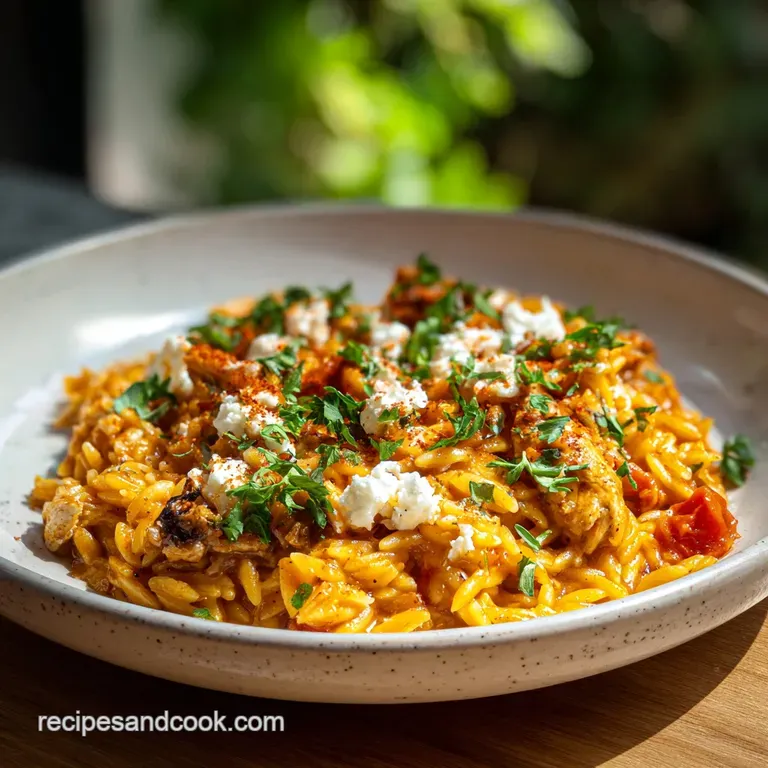
1. The over High heat Sear
Season your 1.5 kg of chicken thighs with 1 tsp salt and 0.5 tsp pepper. Heat 1 tbsp olive oil in your pan over medium high heat. Place chicken skin side down and sizzle for 5-7 minutes. Do not move them until they release easily from the pan with a golden, crispy crust.
Flip and cook for 2 more minutes, then remove to a plate.
2. Building the Pantry Base
In the same pan (keep that liquid gold chicken fat!), toss in your diced yellow onion. Sauté for 3-4 minutes until translucent. Add the 3 cloves of minced garlic, 1 tbsp dried oregano, and 0.5 tsp red pepper flakes. Stir for 60 seconds until the room smells like a Mediterranean dream.
3. Toasting the Orzo
Pour the 500 g of dried orzo directly into the aromatics. Stir constantly for 2 minutes. You want the pasta to turn a light tan color. This "toasting" phase is what separates a good casserole from a great one.
4. The Deglaze and Assembly
Pour in the lemon juice and use a wooden spoon to scrape up all those flavorful brown bits from the bottom of the pan. Add the 750 ml chicken broth, lemon zest, and 100 g of halved Kalamata olives. Stir well to ensure no orzo is sticking to the corners.
5. The Oven Finish
Nestle the chicken thighs back into the orzo, keeping the crispy skin above the liquid line. Cover and bake at 375°F for 20 minutes.
6. The Final Reveal
Remove the lid and bake for another 10-15 minutes until the liquid is absorbed and the chicken reaches 165°F.
7. Resting the Dish
Let the pan sit for 5 minutes before serving. This allows the starches to settle, ensuring a velvety texture.
8. The Garnish
Finish with a sprinkle of fresh herbs if you have them, or an extra squeeze of lemon to wake up the flavors.
Troubleshooting Common Cooking Issues
The most common heartbreak with this dish is "The Gummy Orzo." If you find your pasta is sticking together in a clump, it usually means the heat was too low during the toasting phase or you skipped the deglazing step.
Why Your Chicken Skin Is Soggy
If you submerge the chicken completely in the broth, that skin you worked so hard to crisp up will turn flabby. The trick is to "nestle" it so the meat is in the liquid but the skin stays high and dry.
| Problem | Root Cause | Solution |
|---|---|---|
| Crunchy Orzo | Not enough liquid | Add 1/2 cup hot broth and bake 5 mins more |
| Lack of Flavor | Under seasoned chicken | Season the meat aggressively before searing |
| Greasy Sauce | Too much rendered fat | Spoon out excess fat after searing chicken |
Common Mistakes Checklist
- ✓ Ensure the chicken is patted dry with paper towels (moisture is the enemy of a good sear).
- ✓ Don't skip the orzo toasting; it’s vital for the individual grain texture.
- ✓ Keep the skin above the broth line during the bake to maintain the crunch.
- ✓ Let the dish rest! Five minutes makes the difference between a puddle and a sauce.
- ✓ Use a meat thermometer to hit exactly 165°F for juicy results.
Creative Global Flavor Variations
While this version is a classic, you can easily pivot based on what is in your pantry. If you want to lean into a different profile, consider how a Meal Prep Recipe uses different spices to change the mood of the chicken entirely.
- For a Creamy Feta Finish: Crumble 100g of feta cheese over the top during the last 5 minutes of baking. It melts into the orzo, creating a tangy, creamy sauce.
- To Add Vibrant Greens: Stir in two handfuls of baby spinach right after you take the pan out of the oven. The residual heat will wilt it perfectly without overcooking it.
- To Balance the Richness: Add a tablespoon of drained capers along with the olives for an extra briny punch that cuts through the chicken fat.
If you find yourself cooking for a crowd, this recipe scales beautifully. For a double batch, use a large roasting tin. Just remember that spices shouldn't always be doubled exactly; start with 1.5x the oregano and pepper flakes and adjust to your taste.
Storage and Zero Waste Tips
This casserole is a gift that keeps on giving. The orzo actually stays quite firm, making it better for leftovers than traditional pasta.
Storage: Keep leftovers in an airtight container in the fridge for up to 4 days. When reheating, add a splash of water or broth to loosen the orzo, as it will continue to absorb moisture while sitting.
Freezing: You can freeze this for up to 3 months. I recommend freezing in individual portions. Defrost overnight in the fridge before reheating in the oven at 350°F to keep the chicken from getting rubbery.
Zero Waste: Don't throw away those lemon halves! After juicing, toss the spent husks into the pan while the orzo bakes (just remove them before serving). They infuse the steam with even more citrus oil.
If you have leftover chicken bones from serving, save them in a bag in the freezer to make your next batch of broth.
Perfect Mediterranean Side Pairings
Since this is a heavy, starch based meal, I always look for something crisp and fresh to serve alongside. A simple cucumber and tomato salad with a sharp red wine vinegar dressing provides the perfect contrast to the warm, savory orzo.
If you are looking for something more substantial, a side of roasted pointed peppers or even a charred zucchini dish works wonders. The goal is to keep the sides light and acidic to balance the richness of the chicken thighs.
You could even serve it with a dollop of cold tzatziki on the side the temperature contrast between the hot chicken and cold yogurt is incredible.
Whatever you choose, make sure it has a bit of crunch. The "shatter" of the chicken skin is the star of the show, and a crisp side dish only highlights that texture further. This is a meal meant for big spoons and even bigger appetites.
Enjoy the process, and don't be afraid to let that orzo get a little toasted at the bottom of the pan those "socarrat" bits are the best part!
Recipe FAQs
Can I substitute chicken breasts for the thighs in this recipe?
No, chicken thighs are strongly recommended. Breasts lack the necessary fat content and will dry out during the 35-minute oven time, impacting the flavor carried into the orzo.
How to prevent the orzo from becoming gummy or sticky?
Toast the orzo in the rendered chicken fat for two minutes before adding liquid. This coats the starches, which helps them stay distinct and absorb liquid evenly, much like the technique used to perfect the texture in our Healthy Chicken Marinade recipe if you were using it for grilling.
Is it true I must use bone-in chicken for this casserole to taste authentic?
False. While bone-in thighs provide the best flavor depth for the broth, boneless thighs will work if you brown them well; just note the cooking time might be slightly reduced in the oven.
How to ensure the chicken skin remains crispy after baking in the casserole?
Nestle the chicken pieces so the skin is well above the liquid level. The initial sear creates the crispness, and keeping the skin exposed to dry heat during the covered bake prevents it from steaming and softening.
What is the proper resting time after the casserole comes out of the oven?
Rest for exactly five minutes. This short rest allows the starches to settle and finish absorbing any residual liquid, preventing a watery base when you serve.
How to use up leftover lemon zest after juicing?
Toss the spent lemon husks into the baking dish during the final 15 minutes. They will infuse the steam with extra floral oil, adding a subtle, bright layer of flavor complexity.
Can I adapt this recipe for a faster weeknight meal than the 50-minute total time?
Yes, skip the oven finish entirely. If you skip the oven step and maintain a low simmer on the stovetop, you can reduce the passive time down to about 30 minutes total, similar to the efficiency of a traybake like our Weeknight Recipes.
Lemon Greek Chicken Orzo
Ingredients:
Instructions:
Nutrition Facts:
| Calories | 741 kcal |
|---|---|
| Protein | 42.1 g |
| Fat | 32.7 g |
| Carbs | 65.8 g |
| Fiber | 2.8 g |
| Sugar | 3.2 g |
| Sodium | 765 mg |
