Lemon Garlic Chicken Wings
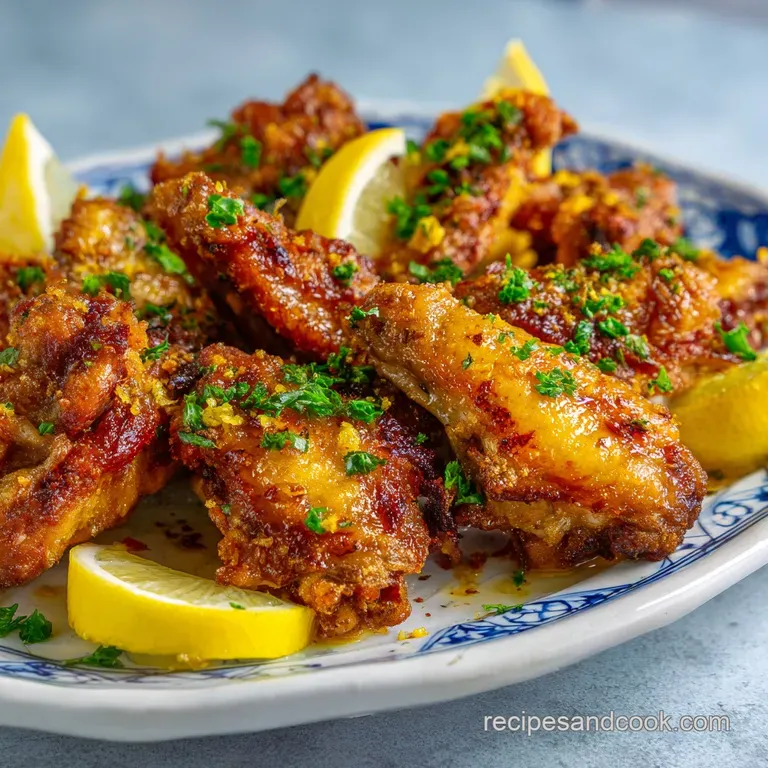
- Time: Active 15 minutes, Passive 45 minutes, Total 1 hour
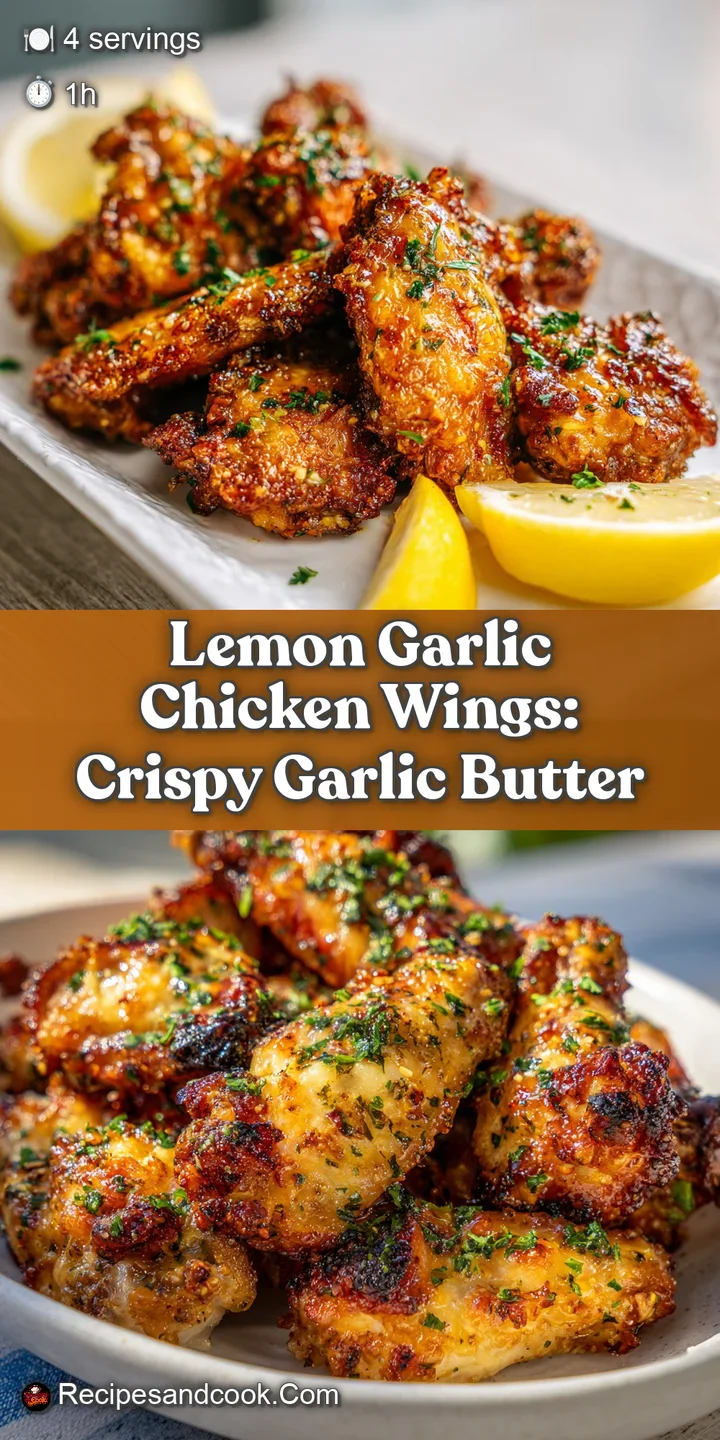
- Flavor/Texture Hook: Shatteringly crispy skin with a zesty, garlic butter finish
- Perfect for: Game day gatherings or a cozy Friday night comfort meal
- The Secret to Shatteringly Crisp Lemon Garlic Chicken Wings
- The Physics of the Crunch
- Component Analysis for Flavor
- Essential Building Blocks and Substitutes
- Necessary Kitchen Equipment
- Technique: From Prep to Plate
- Solving Common Poultry Problems
- Scaling the Recipe Up or Down
- Debunking Wing Prep Myths
- Storage and Waste Prevention
- Classic Pairings for Wing Night
- High in Sodium
- Recipe FAQs
- 📝 Recipe Card
The Secret to Shatteringly Crisp Lemon Garlic Chicken Wings
I still remember the first time I tried making wings at home. It was a disaster, they came out rubbery, grey, and honestly quite sad. I was trying to replicate that timeless pub style crunch without a deep fryer, but I just couldn't get the skin to cooperate.
My kitchen smelled like a lemon grove, but the texture was all wrong.
Everything changed when I learned about the baking powder trick. By tossing the wings in a specific dry mix and letting the oven do the heavy lifting, I finally achieved that legendary shatter.
It’s the kind of traditional comfort food that brings everyone to the table, and now I’m sharing the shortcuts that actually work.
This isn't just about heat, it's about the chemistry of the skin. When you bite into these, you'll hear that distinct crackle before the zing of the lemon hits your tongue. We’re aiming for a velvety sauce that doesn't soak into the meat but sits right on top, keeping that crunch alive until the very last bite.
The Physics of the Crunch
Alkaline Surface: Baking powder raises the pH of the chicken skin, breaking down peptide bonds so it browns faster and more thoroughly.
Evaporative Cooling: The dry rub draws moisture out of the skin, allowing the fat to render and fry the skin from the inside out.
Fat Emulsification: Whisking cold butter into warm lemon juice creates a stable, velvety coating that grips the crispy surface without making it soggy.
| Thickness | Internal Temp | Rest Time | Visual Cue |
|---|---|---|---|
| Small Flats | 74°C (165°F) | 3 mins | Skin looks blistered |
| Large Drums | 74°C (165°F) | 5 mins | Juices run clear |
| Extra Large | 77°C (170°F) | 5 mins | Meat pulls from bone |
We use these benchmarks because wings are forgiving. Unlike a chicken breast, taking wings slightly past the standard 74°C actually helps break down the connective tissue, making them even more tender.
Component Analysis for Flavor
| Ingredient | Science Role | Pro Secret |
|---|---|---|
| Baking Powder | pH Modifier | Use aluminum free to avoid a metallic aftertaste. |
| Grass fed Butter | Fat Emulsion | Cold cubes emulsify better than melted fat for a thicker sauce. |
| Fresh Lemon | Acid Brightener | Zest contains the oils that provide the deep "lemon" aroma. |
Essential Building Blocks and Substitutes
To get the best results for your Lemon Garlic Chicken Wings, stick to these specific quantities. I’ve included some budget friendly shortcuts that won’t sacrifice that timeless comfort we’re after.
- 900g (2 lbs) Chicken Wings: Flats and drumettes separated. Why this? Smaller pieces ensure even cooking and maximum surface area for the sauce.
- Substitute: Chicken drumsticks (increase cook time by 10 minutes).
- 15g (1 tbsp) Baking Powder: Aluminum free is best. Why this? This is the secret to the skin's "shatter" texture.
- Substitute: 1 tsp baking soda (note: skin will brown much faster).
- 6g (1 tsp) Kosher Salt: For seasoning.
- Substitute: Sea salt (use slightly less as it's saltier by volume).
- 1/2 tsp Cracked Black Pepper: Freshly ground if possible.
- 1 tsp Garlic Powder: For the base layer of flavor.
- 60g (4 tbsp) Unsalted Butter: Cold and cubed. Why this? Emulsifies the sauce for a velvety finish.
- Substitute: Ghee (adds a nuttier, more traditional toasted flavor).
- 4 Cloves Fresh Garlic: Finely minced.
- 30ml (2 tbsp) Fresh Lemon Juice: Zest the lemon first!
- 1 tsp Fresh Lemon Zest: For that punchy aroma.
- 1/2 tsp Red Pepper Flakes: For a gentle heat.
- 1 tbsp Fresh Parsley: Chopped for a pop of color.
Necessary Kitchen Equipment
You don't need a high tech lab to make great wings. A standard sheet pan and a wire rack are your best friends here. The rack allows hot air to circulate under the wings, preventing the dreaded "soggy bottom" that happens when they sit in their own rendered fat.
If you don't have a wire rack, you can crumple up some aluminum foil into "snakes" and rest the wings on top. It’s a bit of a rustic shortcut, but it works in a pinch to get that air moving. You'll also need a large stainless steel bowl for tossing, as it retains heat well when you're mixing the sauce.
Technique: From Prep to Plate
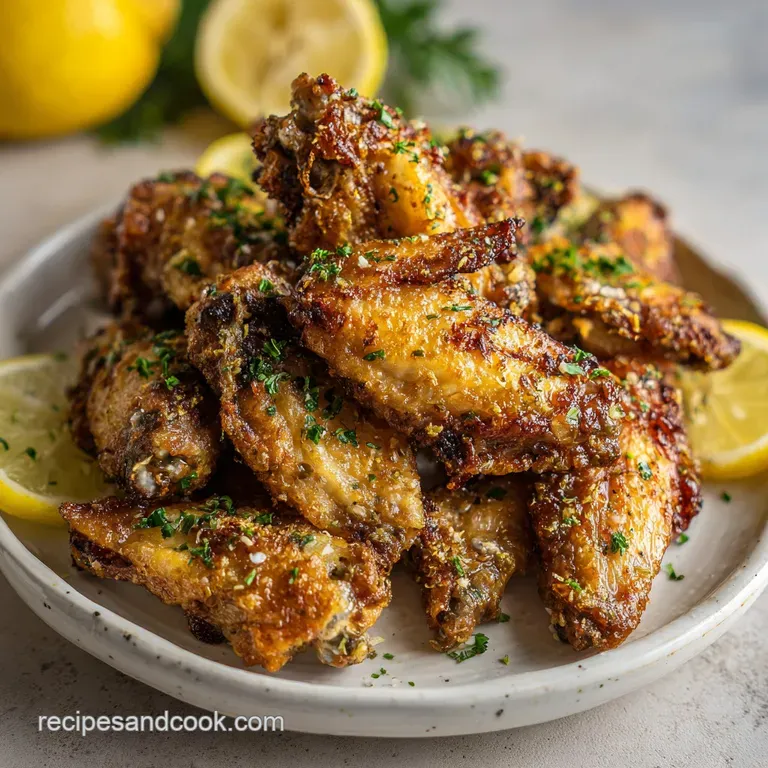
- Dry the wings. Pat every single wing with paper towels until they feel tacky. Note: Moisture is the enemy of the crunch.
- Mix the rub. Combine the baking powder, salt, pepper, and garlic powder in a small bowl.
- Coat the poultry. Toss the wings in the dry mix until every crevice is lightly dusted.
- Arrange the tray. Place wings on a wire rack over a baking sheet, leaving space between each piece.
- Roast the wings. Bake at 200°C (400°F) for 45 minutes until golden and sizzling.
- Sauté the garlic. While wings bake, melt 1 tbsp of butter and sizzle the minced garlic for 1 minute.
- Build the sauce. Remove from heat and whisk in the remaining cold butter, lemon juice, zest, and pepper flakes.
- Toss and coat. Throw the hot wings into a bowl, pour the sauce over, and shake until the sauce looks velvety.
- Garnish and serve. Sprinkle with parsley and serve immediately while they still crackle.
Similar to the technique used in my Air Fryer Chicken Wings recipe, the key is avoiding overcrowding the pan to ensure the skin dehydrates properly.
Solving Common Poultry Problems
Why Your Wings Stay Soft
If your skin isn't crisping up, it usually comes down to moisture. If you didn't pat the chicken dry or if you crowded the pan, the wings end up steaming rather than roasting. The baking powder needs a dry environment to work its magic on the skin's proteins.
Why Your Garlic Tastes Burnt
Garlic is delicate. If you throw it into a ripping hot pan and walk away, it turns bitter in seconds. Always sauté on medium low heat and remove it from the burner the moment you smell that nutty aroma.
| Problem | Root Cause | Solution |
|---|---|---|
| Rubbery Skin | Oven temp too low | Ensure oven is preheated to a true 200°C. |
| Greasy Sauce | Butter melted too fast | Whisk cold butter into the sauce off the heat. |
| Excessive Salt | Using table salt | Reduce salt by half if using fine table salt. |
Common Mistakes Checklist
- ✓ Pat chicken completely dry before tossing in the rub.
- ✓ Use aluminum free baking powder to avoid bitter metallic notes.
- ✓ Don't skip the wire rack; air circulation is mandatory for crispness.
- ✓ Ensure the butter is cold when building the sauce for a thicker coating.
- ✓ Let the wings sit for 2 minutes after tossing to let the sauce "set."
Scaling the Recipe Up or Down
To double this recipe for a crowd, work in batches. If you try to cram 4 lbs of wings onto one tray, they will steam. You can bake two trays at once, but swap their positions halfway through the 45 minutes to ensure even browning.
When scaling down for two people, you can simply halve all ingredients. Use a smaller baking dish or a toaster oven set to the same temperature. For the sauce, keep the ratios identical to maintain that emulsified, velvety texture.
| Component | Fresh Lemon | Bottled Juice | Flavor Impact |
|---|---|---|---|
| Aroma | High citrus oils | Low/Muted | Fresh zest provides the "wow" factor. |
| Acidity | Bright and sharp | Consistent but flat | Bottled can taste slightly metallic. |
| Convenience | Requires zesting | Pour and go | Use fresh for special occasions. |
If you want a different flavor profile entirely, you might enjoy the spice blend in my Garlic Parmesan Wings recipe, which uses a similar over high heat roasting method.
Debunking Wing Prep Myths
Myth: You must marinate wings for flavor. Actually, wet marinades often prevent the skin from getting truly crispy. For these wings, the dry rub does the seasoning while the sauce provides the flavor punch at the end. The flavor is on the surface where your taste buds hit first.
Myth: High heat dries out the meat. Wings are naturally high in fat and collagen. Cooking them at 200°C (400°F) renders the fat quickly, which actually bastes the meat from the inside, keeping it juicy while the skin turns into a crisp shell.
Storage and Waste Prevention
Storage: Keep leftovers in an airtight container in the fridge for up to 3 days. They will lose their crunch, but the flavor remains. To reheat, avoid the microwave! Put them back in a 190°C oven or an air fryer for 5-8 minutes until the skin re crisps.
Zero Waste: Never throw away the wing tips if you buy whole wings and break them down yourself. Toss them into a freezer bag. Once you have a dozen, boil them with some veggie scraps to make a traditional, collagen rich chicken stock that's far better than anything in a carton.
Classic Pairings for Wing Night
These wings have a bright, acidic profile, so they pair beautifully with creamy elements. A cold dip made from Greek yogurt or sour cream with a bit of dill balances the zingy lemon.
If you’re looking for a fuller meal, serve these alongside a crisp garden salad or some roasted potato wedges. The potatoes can actually go on the bottom rack of the oven while the wings cook, soaking up some of that nostalgic kitchen aroma as they roast.
- If you want more heat, add an extra teaspoon of red pepper flakes to the butter sauce.
- If you want a stickier wing, add a teaspoon of honey to the sauce while whisking.
- If you want a Mediterranean vibe, swap the parsley for fresh oregano or thyme.
High in Sodium
1085 mg mg of sodium per serving (47% of daily value)
The American Heart Association recommends limiting sodium intake to about 2,300mg per day for most adults.
Tips to Reduce Sodium in Your Chicken Wings:
-
Reduce Added Salt-25%
The recipe includes 1 tsp of kosher salt, which is a major contributor to the sodium content. Try reducing the salt by half (1/2 tsp) or even eliminating it entirely, relying on the other seasonings for flavor. Taste as you go and adjust accordingly. This could reduce sodium significantly.
-
Spice It Up!-10%
Instead of relying solely on salt, enhance the flavor with more garlic powder, cracked black pepper, red pepper flakes, and fresh parsley. These additions will help make up for the reduced salt.
-
Lemon Power-5%
Lemon juice and zest are great for adding brightness and flavor. Consider increasing the amount of lemon juice and zest slightly to compensate for less salt. Citrus can help balance the flavor profile.
-
Explore Herbs & Spices
Experiment with other herbs and spices like smoked paprika, onion powder (ensure it's salt free), oregano, or thyme to add depth of flavor without adding sodium.
Recipe FAQs
Do I need to deep fry these wings to get them crispy?
No, baking with a dry rub is superior here. The combination of baking powder and high oven heat dries the skin and promotes a shatteringly crisp texture without the mess of deep frying.
How do I ensure the final sauce sticks to the wings without making them soggy?
Whisk cold, cubed butter into the warm lemon base off the heat. This technique creates an emulsion that clings better than fully melted butter, ensuring the sauce coats without soaking the skin.
What is the absolute minimum internal temperature the wings must reach?
You must reach 74°C (165°F) for safety and texture. Since wings have more connective tissue than breast meat, letting them rest for 3-5 minutes after hitting this temperature will yield the most tender results.
Is it true that using baking soda instead of baking powder is a viable substitution?
False. While both raise pH, use baking powder if possible. Baking soda is far more alkaline and can leave a noticeable metallic or soapy aftertaste if not perfectly balanced in the recipe.
How should I reheat leftovers to restore the crispness?
Reheat in an oven or air fryer, not the microwave. Place wings on a baking sheet in a 190°C oven or air fryer for 5 to 8 minutes to re-crisp the skin, avoiding the soggy texture that microwaving causes.
What can I serve with these wings to complete the meal?
Creamy side dishes balance the lemon's acidity perfectly. Consider a side of sour cream dip, or for a heartier option, try our Garlic Potatoes and recipe to complement the savory notes.
Why do my wings taste dry even though the sauce is rich?
This usually indicates overcrowding the baking sheet. When wings are too close, they steam instead of roast, preventing proper fat rendering and drying out the surface protein before the sauce is applied.
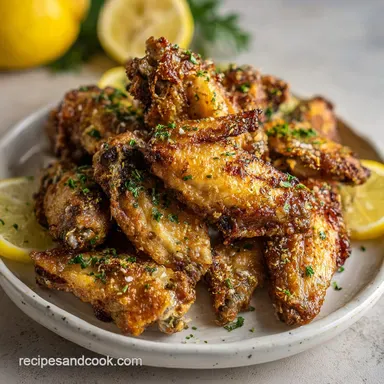
Lemon Garlic Chicken Wings
Ingredients:
Instructions:
Nutrition Facts:
| Calories | 538 kcal |
|---|---|
| Protein | 41.4 g |
| Fat | 36.2 g |
| Carbs | 2.8 g |
| Fiber | 0.4 g |
| Sugar | 0.6 g |
| Sodium | 1085 mg |
