Honey Mustard Chicken with Tangy Glaze
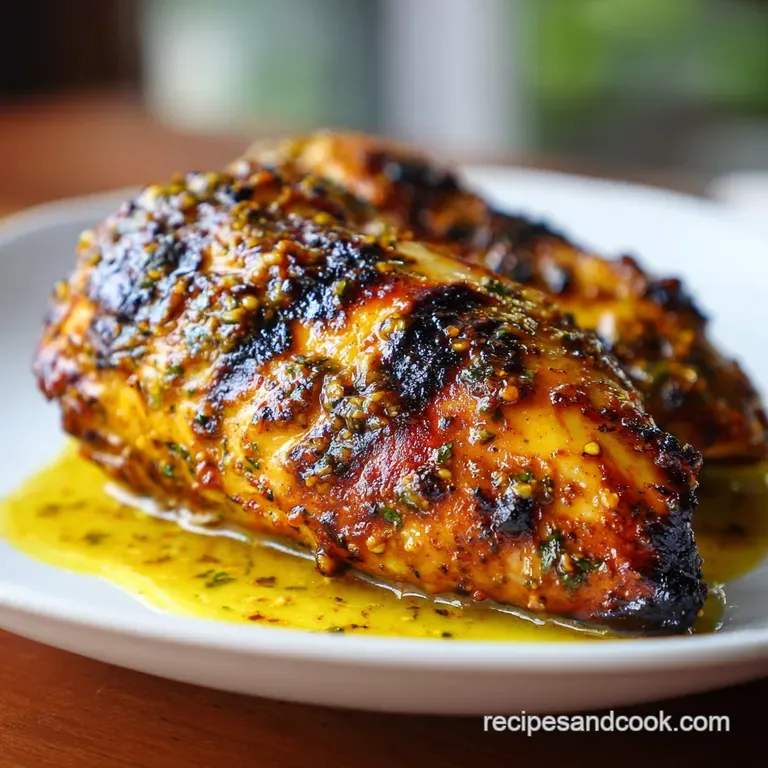
- Time: Active 10 minutes, Passive 15 minutes, Total 25 minutes
- Flavor/Texture Hook: Tangy, glossy, and velvety glaze
- Perfect for: Stress free weeknight dinners or meal prep
- Making the Best Honey Mustard Chicken for Busy Nights
- Mastering the Heat for Golden Glazed Results
- Component Analysis of the Marinade Elements
- Understanding the Essential Dish Timing and Yield
- The Elements Needed for This Comfort Dish
- Simple Tools for a Professional Kitchen Finish
- Step by Step Guide to Perfect Poultry
- Fixing Common Texture and Flavor Issues
- Adjusting Portions for Larger Crowds
- Debunking Popular Methods and Ideas
- Easy Adaptations for Different Dietary Needs
- Storage Guidelines and Creative Leftover Ideas
- Pairing Ideas for a Complete Family Meal
- Recipe FAQs
- 📝 Recipe Card
Making the Best Honey Mustard Chicken for Busy Nights
When we talk about traditional comfort food, we often think of hours spent over a stove, but this Honey Mustard Chicken proves that quality does not always require a massive time investment. The beauty of this dish lies in its simplicity.
We are using minimal tools just a bowl and a skillet to achieve a result that tastes like it came from a high end bistro. It is the kind of recipe you keep in your back pocket for those nights when the world feels a bit too loud and you just need something reliable and warm.
The secret to why this works so well is the marriage of fat and acid. By using a Honey Mustard Sauce recipe as our base, we are essentially pre treating the meat. The mustard acts as a bridge, helping the oil and honey stay together rather than separating into a greasy mess. This creates a protective coating that keeps the steam inside the chicken, ensuring every bite is moist. It is a practical shortcut that preserves the integrity of the poultry while delivering a punch of flavor.
Mastering the Heat for Golden Glazed Results
- Sugar Caramelization: Honey breaks down under heat, creating complex nutty notes and a "shatter" effect on the edges of the meat.
- Acid Tenderization: The vinegar in the Dijon and the fresh lemon juice break down tough protein fibers for a velvety bite.
- Emulsification: Mustard contains mucilage, a natural stabilizer that prevents the sauce from breaking in the pan.
- Maillard Reaction: The honey accelerates the browning process, creating a deep crust far faster than salt alone.
| Thickness | Internal Temp | Rest Time | Visual Cue |
|---|---|---|---|
| 1/2 inch | 165°F (74°C) | 3 mins | Opaque and firm to touch |
| 3/4 inch | 165°F (74°C) | 5 mins | Juices run clear when poked |
| 1 inch | 165°F (74°C) | 5 mins | No pink remains in center |
Component Analysis of the Marinade Elements
| Ingredient | Science Role | Pro Secret |
|---|---|---|
| Dijon Mustard | Emulsifier | Use a smooth variety for a thicker, more even sauce cling. |
| Honey | Hygroscopic Agent | Darker honey adds more mineral depth and faster browning. |
| Lemon Juice | pH Balancer | Fresh citrus brightens the fat and cuts through heavy sugar. |
The chemical interaction between the mustard and honey is fascinating. If you have ever tried to just pour honey on chicken, you know it usually just runs off and burns on the pan floor. By whisking it into the mustard, you create a stable "blanket" that stays put. This is similar to the technique we use in a Lemon Garlic Chicken recipe, where the acid helps the seasonings penetrate deep into the muscle fibers.
Understanding the Essential Dish Timing and Yield
This recipe is designed to serve 4 people comfortably, making it ideal for a standard family dinner. Because the cook time is so short, it is important to have everything ready before the chicken hits the heat.
You are looking at a 10 minutes prep phase followed by a 15 minutes cook time. This rapid transition from raw to ready is why we focus on thin cut breasts or pounded pieces; they ensure the inside is cooked before the honey heavy exterior turns too dark.
If you are cooking for a larger group, do not just crowd the pan. Overcrowding leads to steaming rather than searing, and you will lose that beautiful golden color. I always suggest using a large cast iron skillet if you have one, as it holds heat better than stainless steel, giving you that consistent sizzle from the moment the meat touches the surface.
The Elements Needed for This Comfort Dish
- 1.5 lbs boneless skinless chicken breasts (Sub: Chicken thighs for more fat/flavor) Why this? Lean protein that absorbs the marinade quickly.
- 1/4 cup honey (Sub: Maple syrup for a woodsy profile) Why this? Provides the sticky base and sweetness.
- 1/4 cup Dijon mustard (Sub: Spicy brown mustard) Why this? Adds tang and acts as an emulsifier.
- 2 tbsp extra virgin olive oil (Sub: Avocado oil) Why this? Carries fat soluble flavors from the garlic.
- 1 tbsp fresh lemon juice (Sub: Apple cider vinegar) Why this? Cuts the sweetness and tenderizes meat.
- 2 cloves garlic, minced (Sub: 1/2 tsp garlic powder)
- 1 tsp smoked paprika (Sub: Sweet paprika)
- 1/2 tsp sea salt
- 1/4 tsp cracked black pepper
Chef's Tip: Freeze your honey coated spoon for 30 seconds before measuring to make the honey slide right off without sticking.
Simple Tools for a Professional Kitchen Finish
You really do not need much to make this work, which is the beauty of a minimal tools approach. A heavy bottomed skillet is your best friend here. If you use a thin pan, the honey will hot spot and burn before the chicken is even halfway done.
A whisk is helpful for getting that Mustard Chicken Marinade perfectly smooth, but a fork works in a pinch if you are feeling lazy (we have all been there).
A meat thermometer is the one "fancy" tool I insist on. It takes the guesswork out of the equation. Since we are working with a glaze that browns quickly, you cannot always trust your eyes to tell you if the chicken is done.
Pulling the meat at exactly 160°F (71°C) and letting it rest up to 165°F (74°C) is the difference between a silky dinner and a dry one.
step-by-step Guide to Perfect Poultry
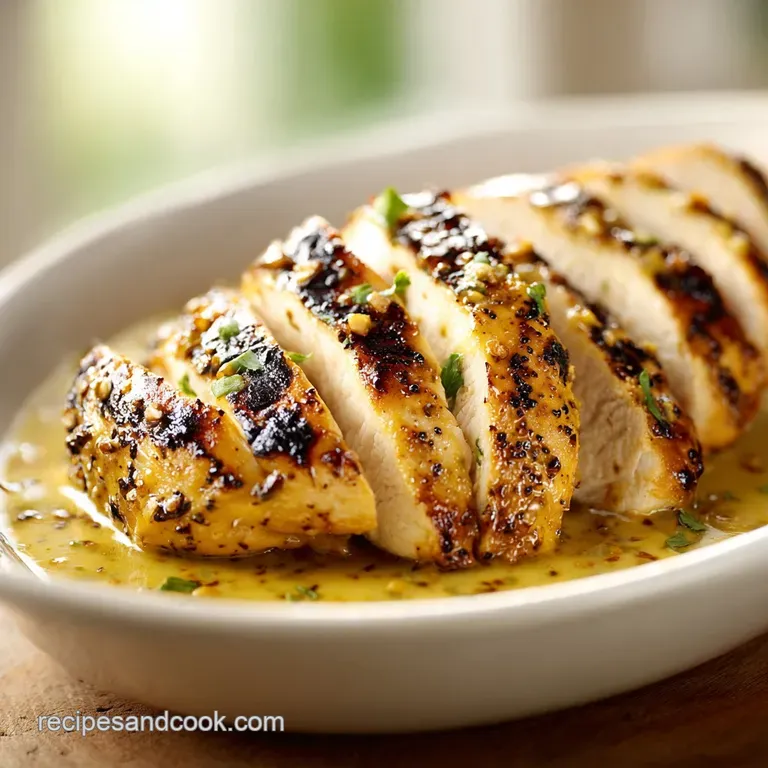
- Pat the chicken dry using paper towels. Note: Moisture on the surface prevents a good sear.
- Whisk honey, Dijon, oil, lemon juice, garlic, and spices in a medium bowl.
- Coat the poultry thoroughly in the Honey Mustard Chicken Marinade.
- Heat a large skillet over medium heat with a tiny splash of oil.
- Place the meat in the pan, ensuring there is space between each piece.
- Cook for 6 minutes until a golden crust forms and edges look dark.
- Flip the pieces carefully to keep the glaze intact on the meat.
- Cook for another 6-8 minutes until the center is no longer pink.
- Drizzle any remaining pan sauce over the meat in the final minute.
- Rest for 5 minutes until the juices settle back in.
Fixing Common Texture and Flavor Issues
Preventing a Burnt Glaze
If you notice the sauce turning black quickly, your heat is likely too high for the sugar content. Honey is delicate. You can save a pan by adding a tablespoon of water or chicken broth to lower the temperature and create a bit of steam, which will help cook the inside while slowing down the exterior browning.
Avoiding a Rubbery Texture
Rubbery chicken is usually a result of "woody breast" or overcooking. To avoid this, try pounding your chicken to an even thickness before you start. This ensures that the thin tail of the breast does not turn into a pencil eraser while you are waiting for the thick part to finish.
| Problem | Root Cause | Solution |
|---|---|---|
| Bitter taste | Burnt garlic or honey | Lower heat and add a splash of water to deglaze. |
| Dry chicken | Overcooking | Use a meat thermometer to pull at 160°F. |
| Thin sauce | Not enough mustard | Whisk in a teaspoon more Dijon at the very end. |
Common Mistakes Checklist
- ✓ Always pat the meat completely dry before applying the Mustard Chicken Marinade.
- ✓ Don't move the chicken too early; let the glaze set and caramelize.
- ✓ Use room temperature poultry to ensure even cooking through the center.
- ✓ Slice against the grain for the most tender mouthfeel.
- ✓ Let the pan preheat for 3 minutes before adding the oil.
Adjusting Portions for Larger Crowds
Scaling this dish is quite simple because the ratios are easy to remember. When cutting the recipe in half, keep your pan size small to prevent the sauce from evaporating too quickly. If you are doubling the batch, work in two separate pans or cook in batches to avoid overcrowding. For those who enjoy a bit of variety, this pairs well with a Pineapple Teriyaki Chicken recipe if you are doing a big buffet style meal.
When doubling, do not just double the salt immediately; start with 1.5x and taste. It is much easier to add more salt later than to try and fix a salt bomb. If you decide to bake a double batch instead of pan frying, lower the oven to 375°F (190°C) and extend the time to about 25 minutes to account for the extra mass in the oven.
Debunking Popular Methods and Ideas
There is a common belief that marinating chicken for 24 hours makes it more tender. In reality, the high acid content in the Dijon and lemon juice will eventually start to "cook" the meat, turning the texture mushy and mealy.
Aim for 30 minutes to 2 hours for the best balance of flavor and structure.
Another myth is that searing "seals in the juices." Science shows that moisture loss occurs regardless of searing. However, the sear is vital for the Maillard reaction, which creates the hundreds of flavor compounds that make the Honey Mustard Chicken taste so savory. It is about flavor, not moisture retention.
Easy Adaptations for Different Dietary Needs
- Spicy Kick: Add a half teaspoon of red pepper flakes or a dash of cayenne to the marinade.
- Whole30 Option: Swap the honey for date paste and ensure your mustard has no added sugars.
- Creamy Variation: Stir in 2 tablespoons of heavy cream or coconut milk at the very end of cooking.
- Herb Infusion: Add fresh rosemary or thyme to the skillet while searing for an earthy aroma.
Storage Guidelines and Creative Leftover Ideas
Store your leftovers in an airtight container in the fridge for up to 4 days. When reheating, I highly recommend using the stovetop with a tiny splash of water to loosen the glaze. Microwaving often makes the honey become oddly chewy and can dry out the chicken.
You can also freeze the cooked chicken for up to 3 months; just make sure it is completely cooled before sealing it to avoid ice crystals.
For a zero waste approach, do not throw away the pan drippings. Toss some leftover roasted vegetables in the skillet while it is still warm to soak up all that golden honey mustard goodness. You can also chop up cold leftovers and mix them with a bit of mayo for the best chicken salad sandwich you have ever had.
Pairing Ideas for a Complete Family Meal
This chicken is incredibly versatile. It screams for something that can soak up the extra sauce, like a pile of fluffy mashed potatoes or a simple rice pilaf. If you want to keep things lighter, a crisp green salad with a lemon vinaigrette mirrors the acid in the marinade perfectly.
For a more substantial side, this dish is a dream next to a Brown Sugar Chicken recipe if you are doing a "chicken two ways" night for guests. The sweetness of the brown sugar complements the tang of the mustard without overlapping too much. Whatever you choose, make sure you have plenty of that glossy sauce to drizzle over everything on the plate.
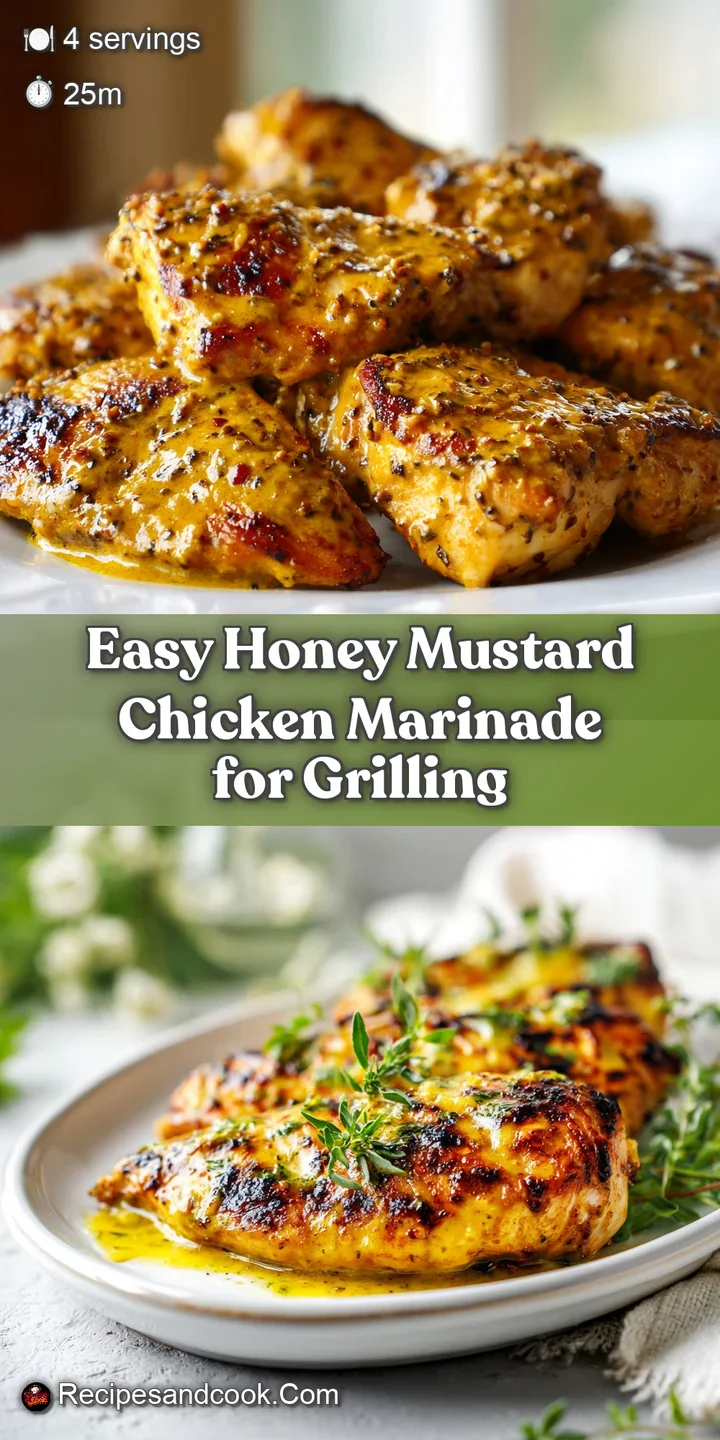
Recipe FAQs
Can I marinate chicken in honey mustard?
Yes, but limit the time to a maximum of 2 hours. The acid from the mustard and lemon juice will start to break down the protein fibers if left longer, resulting in a mushy texture later.
How to make honey mustard marinade?
Whisk honey, Dijon mustard, oil, lemon juice, and spices together thoroughly. Ensure the honey is fully incorporated into the mustard to create a stable emulsion that clings to the chicken surface.
What is 4 ingredient honey mustard dressing for chicken?
Typically, it combines Dijon mustard, honey, a fat like olive oil, and an acid such as vinegar or lemon juice. This simple blend acts as both a marinade and a quick pan sauce base.
How long should I marinate meat in honey mustard?
Marinate for 30 minutes up to 2 hours for optimal flavor absorption. If you enjoy mastering flavor penetration, see how we use acid balancing in our Kung Pao Chicken recipe to achieve deep flavor penetration quickly.
Is it true that chilling the marinated chicken overnight makes it more tender?
No, this is a common misconception for high acid marinades. Leaving it overnight will cause the chicken's texture to degrade due to over tenderization from the vinegar and mustard, leading to a soft, mushy feel.
Can I use this glaze recipe on boneless wings?
Yes, but you should bake or air fry the wings first before glazing. If you plan on coating smaller pieces like wings, try our method for Air Fryer Chicken Wings Crispy in 30 Minutes to achieve crispiness first, then toss them in the sauce.
What is the best way to cook honey mustard chicken quickly on a weeknight?
Pan-searing thin cutlets over medium high heat is the fastest method. This allows the exterior glaze to caramelize rapidly without drying out the interior, achieving a perfect result in under 20 minutes total cook time.
Honey Mustard Chicken
Ingredients:
Instructions:
Nutrition Facts:
| Calories | 417 kcal |
|---|---|
| Protein | 53 g |
| Fat | 13.4 g |
| Carbs | 18.5 g |
| Fiber | 0.4 g |
| Sugar | 17.4 g |
| Sodium | 488 mg |
