Homemade Orange Chicken with Citrus Glaze
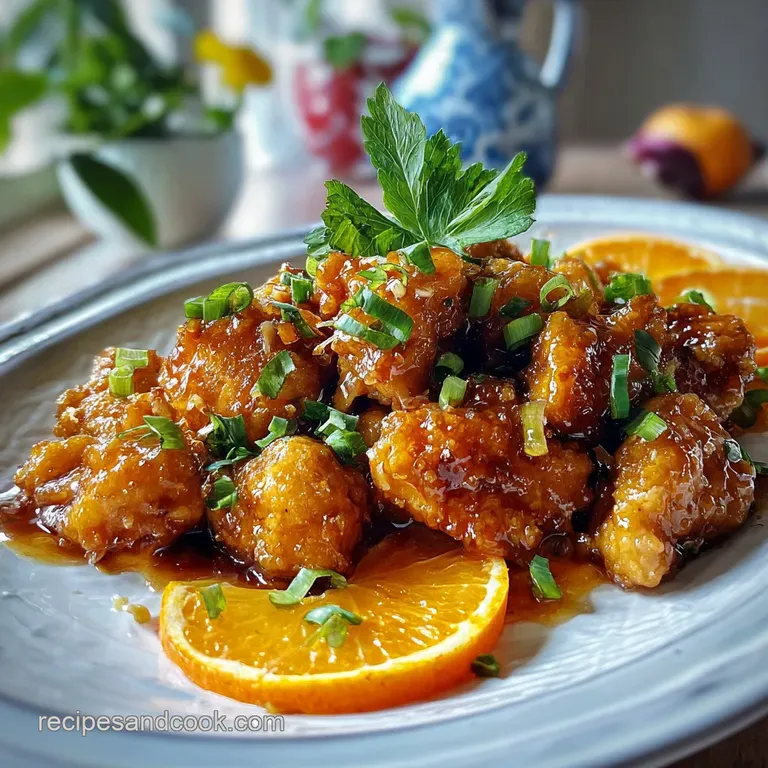
- Time: Active 20 minutes, Passive 15 minutes, Total 35 minutes
- Flavor/Texture Hook: Shatter crisp chicken with a velvety, citrusy glaze
- Perfect for: High energy weekend dinners or showing off global flavors
- Cracking the Code for Authentic Vibrant Orange Chicken
- Quick Stats and Timing Guide
- Essential Ingredients and Substitutions
- Tools for the Perfect Fry
- Step-by-Step Cooking Walkthrough
- Fixing Common Texture Issues
- Global Variations and Swaps
- Scaling the Recipe Safely
- Myths About Frying Chicken
- Storage & Zero Waste
- Vibrant Sides for Pairing
- High in Sodium
- Recipe FAQs
- 📝 Recipe Card
Cracking the Code for Authentic Vibrant Orange Chicken
The first time I tried making this at home, it was a disaster. I followed a random recipe that promised "better than takeout," but the result was a soggy, overly sweet mess that tasted more like candy than a dinner dish.
I realized then that the secret isn't just in the sugar; it's the sizzle of the oil and the sharp bite of fresh ginger. When that cold, starch coated chicken hits the 350°F oil, the aroma that fills the kitchen is intoxicating a mix of toasted grain and savory poultry that lets you know you're onto something special.
You want that specific contrast where the sauce is tacky enough to cling to every crevice, yet the crust is strong enough to shatter when you bite into it. Most people rely on heavy batter, but we are going for a lighter, more vibrant approach.
We want the brightness of the orange zest to pop against the white pepper's subtle heat. It's about creating a global flavor profile that feels fresh, not bogged down by heavy syrups.
Honestly, don't even bother with bottled orange juice if you can help it. The difference between the shelf stable stuff and a freshly squeezed orange is like comparing a postcard to the actual beach. We are building layers of flavor here, from the aromatic garlic base to the final, glossy reduction.
If you've struggled with gummy sauces or limp chicken in the past, trust me on this we are going to fix all of that right now.
Quick Stats and Timing Guide
Before we get our hands messy, let's look at how this dish stacks up. This isn't just a quick stir fry; it's a calculated dance of temperature and timing. If you are looking for other fast options, my Pineapple Teriyaki Chicken recipe follows a similar logic of fruit meets protein, but today, we are focusing on the citrus punch.
The Physics of the Crunch: The cornstarch creates a rigid, moisture resistant matrix around the chicken that prevents the sauce from immediately softening the crust. This allows the exterior to remain brittle while the interior stays velvety.
| Method | Total Time | Texture | Best For |
|---|---|---|---|
| Traditional Fry | 35 minutes | Shatter crisp | Maximum flavor impact |
| Air Fryer | 40 minutes | Firm/Crunchy | Less oil cleanup |
| Double Fry | 50 minutes | Extra brittle | Dinner parties |
We need to be precise with our measurements to ensure the sauce thickens correctly without becoming a gel. Using low sodium soy sauce is non negotiable here; otherwise, the reduction process will concentrate the salt until it's nearly inedible.
We want the sugar and the rice vinegar to play tug of-war on your tongue, with neither one winning completely.
| Component Analysis | Science Role | Pro Secret |
|---|---|---|
| Cornstarch | Moisture Barrier | Mix with flour to prevent a "chalky" mouthfeel. |
| Orange Zest | Essential Oils | Zest directly into the pan to wake up the aromatics. |
| Rice Vinegar | Acid Profile | Provides the "tang" that balances the heavy brown sugar. |
| White Pepper | Heat Source | Adds a floral, earthy heat without the flecks of black pepper. |
Essential Ingredients and Substitutions
To get that authentic, vibrant finish, we are using 1.5 lbs Boneless Skinless Chicken Thighs. Thighs are superior to breasts here because they handle the high heat of frying without drying out, maintaining a velvety texture inside the crust.
- 1.5 lbs Boneless Skinless Chicken Thighs (cut into 1 inch pieces)
- 1 large Egg (beaten) Why this? Acts as the "glue" for the starch coating.
- 1/2 cup Cornstarch
- 1/4 cup All purpose flour
- 1 tsp Salt
- 1/2 tsp White pepper
- 2 cups Neutral oil (for frying)
- 1/2 cup Freshly squeezed orange juiceWhy this? Adds natural acidity and bright citrus notes.
- 1 tbsp Orange zest
- 1/3 cup Rice vinegar
- 1/4 cup Low sodium soy sauce
- 1/3 cup Brown sugar (packed)
- 2 cloves Garlic (minced)
- 1 tsp Fresh ginger (grated)
- 1/2 tsp Red chili flakes
- 1 tbsp Cornstarch slurry (mixed with 1 tbsp water)
| Original Ingredient | Substitute | Why It Works |
|---|---|---|
| Chicken Thighs | Extra Firm Tofu | Absorbs the sauce well. Note: Press tofu for 30 mins first. |
| Rice Vinegar | Apple Cider Vinegar | Similar acidity. Note: Adds a slight fruity undertone. |
| Brown Sugar | Honey | Provides a floral sweetness and great gloss. |
| White Pepper | Black Pepper | Earthier heat. Note: Will leave visible dark specks in the coating. |
Using the right starch blend is a trick I learned after dozens of soggy batches. While cornstarch provides the crunch, a little bit of all purpose flour adds durability. It’s a small tweak that makes a massive difference when you're tossing the chicken in the warm sauce later.
Tools for the Perfect Fry
You don't need a professional kitchen, but a few specific tools will make your life much easier. For frying, a heavy bottomed vessel is key. I usually reach for a cast iron skillet (like a Lodge) or a wide Dutch oven.
These hold heat much better than thin stainless steel, meaning your oil temperature won't plummet the second you add the chicken.
A spider strainer or a slotted spoon is also essential. You want to lift the chicken out of the oil quickly to prevent overcooking. If you leave them in too long, the meat goes from velvety to rubbery in seconds. Also, keep a microplane handy for that ginger and zest freshness is our primary goal here.
Chef's Tip: Freeze your ginger for 15 minutes before grating. It makes the fibers much easier to slice through, and you'll end up with a fine paste rather than a stringy mess.
step-by-step Cooking Walkthrough
1. The Velvet Marination
Place your 1.5 lbs chicken thighs in a bowl and toss with the beaten egg, salt, and white pepper. Note: This creates a protein rich base that helps the dry ingredients stick. Ensure every piece is coated so there are no dry spots.
2. The Double Dredge
Whisk the 1/2 cup cornstarch and 1/4 cup flour in a shallow dish. Add the chicken pieces individually, pressing the starch into the meat. Cook until the chicken looks chalky and fully insulated. This prevents the meat from "leaking" juices into the oil.
3. The Golden Fry
Heat 2 cups of neutral oil to 350°F. Fry the chicken in batches for 5-6 minutes until the exterior is golden and feels firm to the touch. Do not overcrowd the pan, or the chicken will steam instead of fry.
4. The Sauce Reduction
In a separate large wok or skillet, combine the orange juice, zest, vinegar, soy sauce, brown sugar, garlic, ginger, and chili flakes. Bring to a simmer over medium heat. Wait until the sugar is fully dissolved and the aroma of ginger is strong.
5. The Final Toss
Stir in the cornstarch slurry and whisk until the sauce thickens and looks like liquid silk. Add the fried chicken back into the pan. Toss quickly for 30 seconds to coat every piece without letting the crust soften too much.
Why do we use cornstarch?
Cornstarch is pure starch with no protein, which means it doesn't develop gluten. This results in a much crispier, more "shattery" texture than flour alone. When combined with the moisture from the egg, it forms a protective shell that sears instantly in the hot oil.
What is "Velveting"?
This is an international technique where meat is coated in egg white or whole egg and starch before cooking. It protects the delicate proteins from the harsh heat of frying, ensuring the inside remains incredibly tender while the outside gets that iconic crunch.
Fixing Common Texture Issues
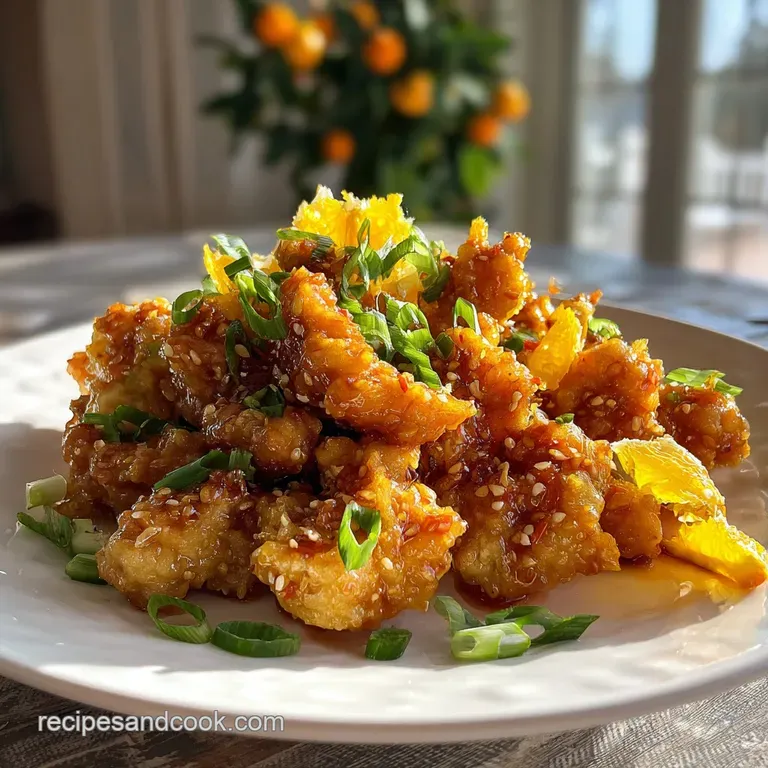
Even with the best intentions, things can go sideways. If your sauce looks more like a thick jelly than a glaze, you've likely over activated the starch. On the flip side, if the coating is sliding off the chicken, your oil probably wasn't hot enough. Let's look at how to pivot.
Why Your Sauce Is Gummy
If the sauce becomes too thick, it’s usually because it was reduced for too long before the chicken was added. The sugars and starch continue to bond as they heat. You can fix this by whisking in a tablespoon of warm water or extra orange juice to loosen the structure.
| Problem | Root Cause | Solution |
|---|---|---|
| Soggy Coating | Low oil temp | Ensure oil is 350°F before adding chicken. |
| Bland Sauce | Lack of acidity | Add an extra teaspoon of rice vinegar at the end. |
| Tough Meat | Overcooking | Stick to 5-6 minutes; thighs are forgiving but not invincible. |
Common Mistakes Checklist
- ✓ Pat the chicken pieces dry with a paper towel before starting the process.
- ✓ Use a thermometer to verify the oil is exactly 350°F.
- ✓ Never pour the sauce over the chicken in a bowl; always toss in the hot pan.
- ✓ Grate the ginger fresh powdered ginger will not give you the same vibrant punch.
- ✓ Work in at least two batches to keep the oil temperature stable.
| Issue | Cause | Fix |
|---|---|---|
| Bitter Sauce | Zested the white pith | Use only the orange part of the skin. |
| Greasy Chicken | Oil was too cold | Increase heat and fry for 1 more minute. |
| Sticky Clumps | Chicken added all at once | Separate pieces with tongs when dropping into oil. |
Global Variations and Swaps
If you want to move away from the classic profile, you can easily adapt this dish. For another citrus forward meal that feels a bit more "set it and forget it," check out my Chicken Vegetable Casserole recipe which uses a different but equally effective crispy topping.
Air Fryer Instructions
To make a Homemade Orange Chicken Air Fryer version, spray your starched chicken heavily with oil. Air fry at 400°F for 12-15 minutes, shaking the basket halfway through. The texture will be slightly drier than deep frying, but it’s a solid alternative for a lighter meal.
gluten-free Modifications
This dish is actually quite easy to make gluten-free. Simply swap the all purpose flour for a 1:1 gluten-free flour blend or just use more cornstarch. Ensure your soy sauce is replaced with Tamari or liquid aminos to avoid hidden wheat.
Scaling the Recipe Safely
When scaling UP, don't just double everything blindly. If you are making 3 lbs of chicken, only increase the salt and chili flakes to 1.5x. Spices tend to amplify faster than bulk ingredients. You will also need to work in significantly more batches to maintain that golden fry.
When scaling DOWN for a solo dinner, use half an egg (whisk it first, then measure out 2 tablespoons) and keep the sauce ratios the same. Small pans lose heat faster, so keep a close eye on the reduction process to prevent the sauce from burning.
Myths About Frying Chicken
Myth 1: You must use peanut oil for authentic flavor. While peanut oil has a high smoke point, any neutral oil like canola or vegetable oil works perfectly. The flavor comes from the sauce and the chicken, not the frying medium.
Myth 2: Frying at home is always greasy. Grease is a symptom of low temperature. If the oil is hot enough (350°F), the steam escaping the chicken creates a pressure barrier that prevents the oil from soaking in.
Myth 3: Adding more sugar makes it shinier. The "gloss" actually comes from the emulsification of the cornstarch slurry and the oils in the sauce, not just the sugar content. Over sugaring just makes it cloying.
Storage & Zero Waste
Storage: Keep leftovers in an airtight container in the fridge for up to 3 days. To reheat, avoid the microwave it will turn the coating into a sponge. Instead, use a toaster oven or an air fryer at 350°F for 5 minutes to bring back the crisp.
You can freeze the fried chicken (without sauce) for up to 2 months.
Zero Waste: Don't toss those orange peels! If you have extra, you can simmer them with a bit of sugar and water to make candied peels for a garnish. Also, any leftover starch mixture can be used to thicken soups or stews later in the week.
If you have extra sauce, it makes a vibrant marinade for grilled shrimp.
Vibrant Sides for Pairing
This dish is loud and bold, so it needs sides that can either stand up to it or provide a cooling contrast. A simple bowl of fluffy jasmine rice is the classic choice, but you could also go for a smashed cucumber salad with plenty of sesame oil.
For a creamier, more comforting vibe later in the week, you might love the flavor profile of this Marry Me Chicken recipe. But for tonight, keep it bright. Steamed bok choy or snap peas provide a fresh, green crunch that balances the richness of the fried thighs. Whatever you choose, make sure it’s ready the moment the chicken is tossed, because this dish is at its absolute peak the second it leaves the pan.
If you are feeling adventurous, try serving this over crispy rice noodles. The way the orange sauce soaks into the noodles while keeping the chicken crispy is a texture experience you won't forget. Just remember: the sauce waits for the chicken, the chicken never waits for the sauce!
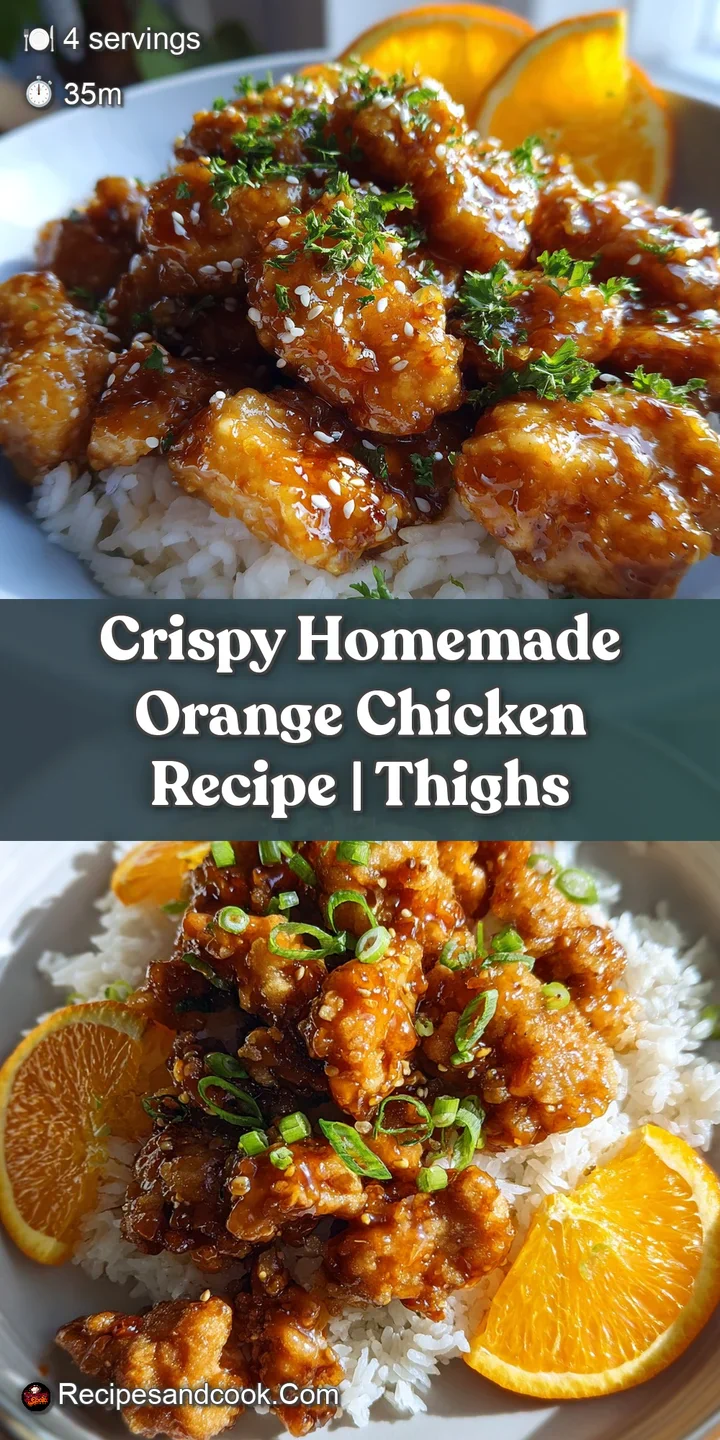
High in Sodium
1120 mg mg of sodium per serving (49% of daily value)
The American Heart Association recommends limiting sodium intake to no more than 2,300 mg per day for most adults.
Sodium Reduction Tips for Orange Chicken:
-
Reduce Added Salt-25%
Eliminate or significantly reduce the 1 tsp of salt added to the chicken coating. Taste the dish before adding any salt and adjust to your preference. Consider omitting the salt altogether.
-
Low-Sodium Soy Sauce-20%
Ensure you are using a truly low-sodium soy sauce, which generally contains 60-150mg of sodium per tablespoon. If using regular soy sauce, dilute it with water or use a smaller amount.
-
Enhance Orange Flavor-15%
Boost the orange flavor by adding more orange zest or a splash of orange extract. This allows you to reduce the amount of salty ingredients without sacrificing taste.
-
Spice it Up!
Experiment with a variety of sodium free herbs and spices like garlic powder, onion powder, smoked paprika, or black pepper to enhance flavor without adding sodium.
Recipe FAQs
What are the 4 ingredients in orange chicken?
The core four are chicken, orange juice, brown sugar, and a starch (usually cornstarch). These form the protein base, the main flavor liquid, the sweetness, and the thickening/crisping agent respectively.
What is the sauce on orange chicken made of?
The sauce is primarily made of fresh orange juice, rice vinegar, low-sodium soy sauce, brown sugar, and aromatics like garlic and ginger. The vinegar provides the necessary tang to balance the heavy sweetness from the sugar.
What does Panda Express use for their orange chicken?
Panda Express uses a proprietary, thick, and very sweet orange sauce often relying on high fructose corn syrup and flavor enhancers. Achieving their exact texture requires commercial stabilizers, but homemade versions focus on fresh zest and vinegar for better depth.
What are the three ingredients in orange chicken?
If strictly limiting to three main components, they are the chicken pieces, the primary liquid sweetener (orange juice/sugar blend), and the coating starch (cornstarch). This trio covers protein, flavor base, and texture.
How do I ensure my orange chicken crust stays crispy after coating it in sauce?
Toss the fried chicken in the hot, thickened sauce for only 30 seconds maximum right before serving. The key is a high starch content in the batter and making sure the sauce has been reduced enough so it clings immediately rather than soaking in slowly.
Can I substitute chicken breast for the thighs in this recipe?
Yes, but you must adjust your cooking time significantly to prevent drying out the meat. Thighs are favored because they are more forgiving under high heat; if you use breast, cut them smaller and slightly reduce the frying time to 5 minutes. This principle of protecting lean proteins with a coating is also critical when preparing our Healthy Grilled Chicken recipe.
Is it true that the vinegar is just for sourness in the sauce?
No, the rice vinegar serves a dual purpose of providing necessary acidity and acting as a flavor counterpoint to the rich sugar content. Mastering sweet and sour balance is essential for this dish, a technique you'll also find valuable if you enjoy the layered flavors in our Buffalo Chicken Dip recipe.
Homemade Orange Chicken Recipe
Ingredients:
Instructions:
Nutrition Facts:
| Calories | 485 calories |
|---|---|
| Protein | 34 g |
| Fat | 19 g |
| Carbs | 46 g |
| Fiber | 1 g |
| Sugar | 22 g |
| Sodium | 1120 mg |
