Homemade Mayonnaise: Silky and Buttery
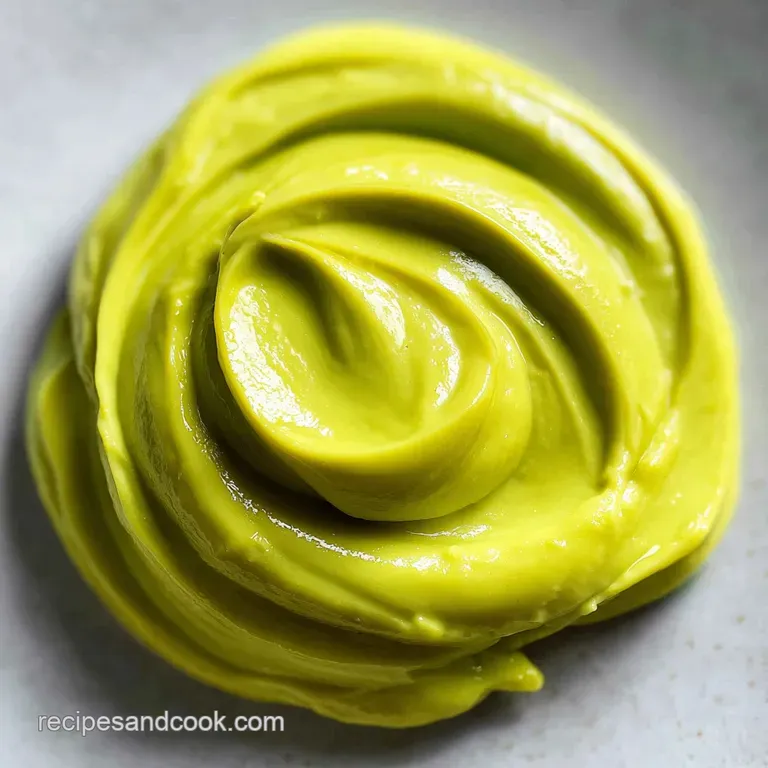
- Time: Active 4 minutes, Passive 1 minutes, Total 5 minutes
- Flavor/Texture Hook: Silky, buttery, and incredibly thick
- Perfect for: Traditional sandwiches, creamy dressings, or as a base for gourmet dips
- The Magic of Making Homemade Mayonnaise
- Why This Emulsion Stays Stable
- Essential Ingredients for Better Texture
- Necessary Minimal Kitchen Equipment
- Mastering the Perfect Emulsion Technique
- Fixing Common Texture Mistakes
- Delicious Flavor Customization Options
- Storage and Freshness Guidelines
- Serving Ideas and Pairings
- Recipe FAQs
- 📝 Recipe Card
The Magic of Making Homemade Mayonnaise
There is a specific, nostalgic "thwack" that happens when a fresh egg hits the bottom of a glass jar. It takes me back to my grandmother's sun drenched kitchen, where she’d spend what felt like hours whisking oil into yolks by hand. The rhythm was hypnotic, even if her arm was aching by the end.
Today, we have shortcuts that she would have marveled at, but that sensory transformation from thin oil to a cloud like, velvety peak remains one of the most satisfying moments a home cook can experience.
When you finally taste a spoonful of this, you’ll notice the difference immediately. It isn't just about the flavor; it is about that luxurious mouthfeel that only comes from fresh, high-quality fats. There is no chemical aftertaste or strange jelly like wobbliness here.
Instead, you get a clean, tangy finish that makes a simple piece of toasted sourdough feel like a feast. It is the kind of staple that brings people together around a table, turning a basic lunch into a shared memory.
We often settle for the store-bought jars because we think the science of an emulsion is too temperamental for a busy Tuesday. I’ve broken my fair share of sauces, ending up with a greasy, separated mess that went straight down the drain. But through those mistakes, I found a reliable path.
We are going to use a modern tool to achieve a timeless result, ensuring your sandwiches never have to suffer through mediocre condiments again.
Why This Emulsion Stays Stable
Understanding the mechanics of how fat and water bond is the secret to never failing again. It isn't magic; it is simply physics and chemistry working in your favor.
- Lecithin Bonding: The egg yolk contains lecithin, a natural emulsifier that acts as a bridge between the water based lemon juice and the oil.
- Vortex Creation: High speed blades create a tight vacuum at the base of the jar, drawing tiny droplets of oil into the egg mixture at exactly the right speed.
- Fat Saturation: By using avocado oil, we provide a stable fat structure that resists breaking even when the temperature fluctuates slightly in the fridge.
- Acid Balance: Lemon juice does more than add tang; it denatures the egg proteins just enough to help them "grab" onto the oil molecules more effectively.
If you are looking for more ways to stock your pantry with rich, spreadable goodness, you might find my Pistachio Butter recipe equally rewarding for those slow weekend mornings.
| Method | Preparation Time | Resulting Texture | Reliability |
|---|---|---|---|
| Immersion Blender | 1 minute | Ultra thick and stiff | 99% Success rate |
| Food Processor | 5 minutes | Medium thick and airy | High, but prone to heat |
| Hand Whisking | 15 minutes | Silky and pourable | Requires high skill |
The choice of method usually depends on how much effort you want to exert, but for our purposes, the immersion blender is the clear winner for consistency. It handles the 1 cup Avocado Oil (218g) with such precision that you can actually see the emulsion forming in real time.
Essential Ingredients for Better Texture
Choosing the right components is the difference between a bland spread and a rich, traditional condiment. Every element in this list serves a specific structural purpose.
| Ingredient | Science Role | Pro Secret |
|---|---|---|
| 1 large Egg (50g) | Primary Emulsifier | Must be room temperature to allow fats to bond quickly. |
| 1 cup Avocado Oil (218g) | Fat Base | Neutral flavor ensures the egg and lemon shine through. |
| 1 teaspoon Dijon Mustard | Stabilizer | Contains mucilage which helps prevent the mayo from "weeping." |
| 1 tablespoon Lemon Juice | Protein Denaturant | Fresh citrus provides a brighter lift than bottled vinegar. |
While we are focusing on fats and emulsions, it is worth noting that achieving the right fat content is crucial in many kitchen staples. For instance, my Heavy Cream recipe explains how to boost butterfat for that perfect whipped finish, much like we are doing here with the oil.
Whole Egg Structural Stability
Many old school recipes call only for the yolk, but using the whole egg (50g) provides extra water content and proteins from the white. This creates a more stable, less "heavy" emulsion that holds its shape better on a hot sandwich.
Avocado Oil Selection Benefits
We use avocado oil because it is liquid at room temperature and has a very high smoke point, meaning it hasn't been chemically altered as much as some vegetable oils. It provides a buttery backdrop without the heavy scent of extra virgin olive oil.
Natural Acid Components
The 1 tablespoon Lemon Juice (15g) is non negotiable for that classic brightness. If you find yourself out of lemons, white wine vinegar is a functional substitute, though it lacks that fresh, floral aroma that makes homemade versions stand out.
Necessary Minimal Kitchen Equipment
You don't need a counter full of gadgets to make this work. In fact, fewer tools often mean less cleanup and better results.
- Immersion Blender: This is the "stick" blender that makes the magic happen. A standard KitchenAid or Bamix works perfectly.
- Tall Glass Jar: The jar should be just slightly wider than the head of the blender. This forces the oil to travel through the blades rather than sitting on top.
- Digital Scale: To ensure you have exactly 218g of avocado oil, a scale is much more accurate than a measuring cup.
Chef's Tip: If your jar is too wide, the emulsion won't start. The "fit" of the blender head to the jar is the most important part of this entire setup.
Mastering the Perfect Emulsion Technique
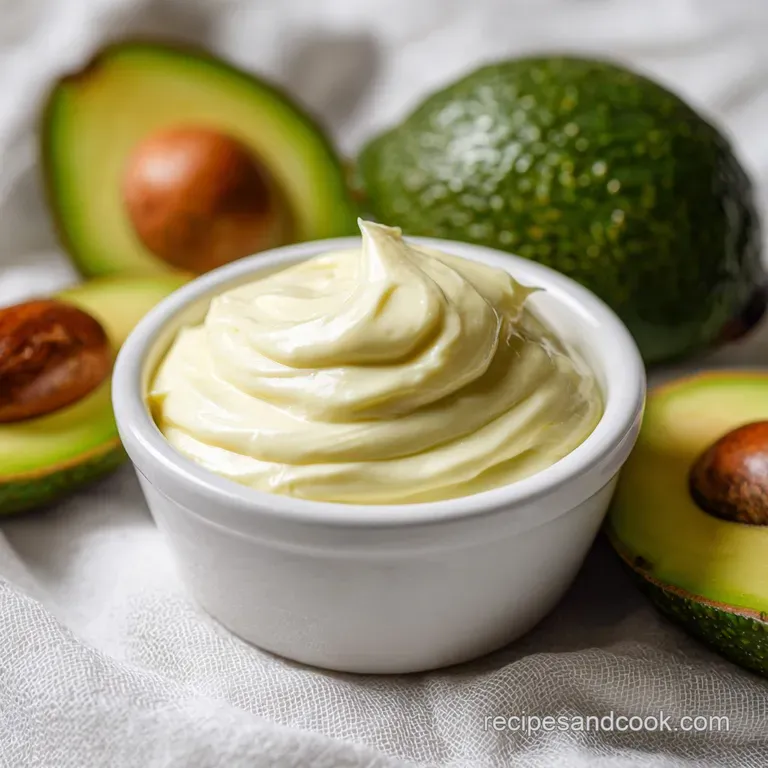
- Place the egg. Crack the 1 large Egg (50g) into the bottom of your clean, dry glass jar. Note: Ensure the yolk remains intact at the very bottom.
- Add the acids. Pour in the 1 tablespoon Lemon Juice (15g) and the 1 teaspoon Dijon Mustard (5g).
- Season the base. Sprinkle in the 0.5 teaspoon Fine Sea Salt (3g) and 0.25 teaspoon Garlic Powder (1g).
- Pour the oil. Carefully pour the 1 cup Avocado Oil (218g) over the top of the other ingredients.
- Wait for settling. Let the ingredients sit for 1 minute until the oil and egg are completely separated with the oil on top.
- Position the blender. Lower the immersion blender into the jar until it is firmly touching the bottom, covering the yolk.
- Start the pulse. Turn the blender on its highest speed and hold it perfectly still for 20 seconds until a thick white cream forms at the bottom.
- Begin the rise. Slowly tilt and lift the blender head 1 centimeter at a time until the remaining oil is incorporated and the mixture is uniform.
- Finish the blend. Move the blender up and down once or twice until no streaks of oil remain and the texture is velvety.
- Taste and adjust. Give it a quick stir with a spoon to ensure the bottom is fully mixed.
Fixing Common Texture Mistakes
Even the most seasoned cooks occasionally face a broken sauce. It usually happens because of temperature or speed, but it is almost always fixable.
Fixing Thin Texture Issues
If your mixture stays liquid, it usually means the oil was added to the base too quickly or the blender was lifted too soon. This happens when the vortex doesn't have enough time to shatter the oil into microscopic droplets.
| Problem | Root Cause | Solution |
|---|---|---|
| Broken/Oily | Oil added too fast | Start over with a new egg and slowly whisk the broken mix into it. |
| Too Thin | Lack of emulsifier | Add another teaspoon of mustard and blend again for 30 seconds. |
| Greasy Mouthfeel | Oil temperature | Chill the mixture for 10 minutes, then re blend starting from the bottom. |
The key is never to throw it away. A broken mayo is just the starting point for a fresh batch. Just treat the broken liquid as your "oil" and drip it slowly into a fresh egg yolk while blending.
Common Mistakes Checklist
- ✓ Using an egg straight from the fridge (cold proteins don't bond as well)
- ✓ Lifting the blender too quickly before the "cloud" forms at the bottom
- ✓ Using a jar that is significantly wider than the blender head
- ✓ Forgetting the mustard (the mucilage is a vital secondary stabilizer)
- ✓ Moving the blender side to side rather than straight up and down
Raw Egg Safety Guidelines
Since we are using a raw egg, quality matters. If you are serving the elderly or very young, you can use pasteurized eggs found at most grocers. These have been heat treated to eliminate risks while keeping the proteins functional for our emulsion.
Delicious Flavor Customization Options
Once you have the base down, you can start playing with the profile to match whatever you are cooking. This is where the recipe becomes a tool for your own creativity.
- Roasted Garlic Infusions: Swap the garlic powder for 3 cloves of oil roasted garlic. Mash them into a paste before adding them to the jar for a mellow, caramelized depth.
- Spicy Chipotle Swaps: Add a teaspoon of adobo sauce from a can of chipotles. It turns the mayo a beautiful sunset orange and adds a smoky heat that is incredible on burgers.
- Herbed Garden Finish: After the mayo is thick, stir in finely minced chives, parsley, and dill. Don't blend the herbs, or the mayo will turn an unappealing green color.
If you are planning a big dinner, this mayo makes an incredible dipping sauce for a Hibachi Steak recipe. The richness of the avocado oil base cuts through the sear of the beef perfectly, especially if you add a little extra garlic to the mix.
Storage and Freshness Guidelines
Because this contains fresh egg and lemon juice, it doesn't have the indefinite shelf life of the stuff in the blue and yellow jar. It is a live product that needs a little care.
Fridge Storage: Store your Homemade Mayonnaise in an airtight glass jar for up to 7 days. I like to use a clean Mason jar with a tight fitting lid. Always use a clean spoon to prevent cross contamination, which is the fastest way for mayo to spoil.
Freezing: Do not freeze this. Emulsions are held together by delicate protein bonds that will shatter when ice crystals form. Once thawed, the oil will separate completely, leaving you with a watery mess that cannot be re emulsified easily.
Zero Waste Tip: Don't toss the eggshell! If you have a garden, crush the shells and sprinkle them around your plants to add calcium to the soil. Also, when the jar is nearly empty, toss in a few tablespoons of vinegar and shake it up you’ve just made a creamy salad dressing base that gets every last bit of goodness out of the container.
Serving Ideas and Pairings
This spread is far more versatile than just a sandwich topper. Its thickness makes it a fantastic "binder" for more complex dishes.
- The Ultimate Slaw: Mix 1/2 cup of this mayo with a splash of apple cider vinegar and a pinch of sugar for a coleslaw dressing that actually stays on the cabbage instead of pooling at the bottom of the bowl.
- Crispy Skin Secret: Rub a thin layer of this mayo over a piece of salmon or chicken breast before roasting. The egg proteins help the skin brown beautifully while the oil keeps the meat moist.
- Gourmet Tartar Sauce: Fold in minced capers, cornichons, and a bit of fresh tarragon. It’s the only way to eat fried fish in my house.
For a comforting weekend brunch, I often use a dollop of this on the side of a Breakfast Casserole recipe. The tang of the lemon juice in the mayo helps balance the savory sausage and rich sourdough, bringing a bit of brightness to a heavy morning meal.
Scaling the Recipe
If you need to make a larger batch for a party, you can double the ingredients (2 eggs, 2 cups oil). However, I recommend doing it in two separate batches if your jar isn't tall enough.
If the oil layer is too deep, the immersion blender might struggle to pull it all down into the vortex, leading to a thinner consistency. If you do double it in one go, move the blender much more slowly on the way up to ensure every drop of oil is fully incorporated.
Recipe FAQs
How do you make simple mayonnaise?
Use an immersion blender in a narrow jar. Add the egg, lemon juice, and spices to the bottom of a jar, pour the oil over top, then insert the blender to the bottom and blend without moving until an emulsion forms, slowly raising the blender to incorporate the rest of the oil.
How to make mayonnaise in 2 minutes?
Yes, it is achievable using an immersion blender. The speed of this tool creates an instant, stable emulsion by forming a powerful vortex, provided your jar is just wide enough to fit the blender head snugly.
What are the basic ingredients for mayonnaise?
The four necessary components are egg, oil, acid, and salt. The egg yolk provides the lecithin emulsifier, neutral oil provides the fat, lemon juice or vinegar provides the acid, and salt enhances the overall flavor profile.
How to make your own egg mayo?
Start by adding one whole room temperature egg to the bottom of a tall, narrow jar. Add your flavor agents like mustard and salt, completely cover with the neutral oil, and then blend from the bottom upward until a thick, velvety structure forms.
What is the proper oil to use for the best flavor?
Use a neutral, high-quality oil like avocado oil. While you can use olive oil, its strong flavor can overpower the delicate egg and lemon notes, creating a heavier mouthfeel; for a lighter fat balance, see how we handle fat ratios in our recipe for Heavy Cream Recipe.
Is it true I must use only egg yolks for traditional richness?
No, this is a common misconception. Using a whole egg provides more protein and water, resulting in a stable, lighter emulsion that is less prone to feeling overly heavy or greasy on the palate.
Can I use pasteurized eggs instead of raw eggs?
Yes, pasteurized eggs are a perfectly safe alternative. They have been heat treated to reduce bacterial risk, and their proteins remain functional enough to create a strong emulsion when using high speed techniques.
Homemade Mayonnaise Foolproof Method
Ingredients:
Instructions:
Nutrition Facts:
| Calories | 100 kcal |
|---|---|
| Protein | 0.3 g |
| Fat | 11.1 g |
| Carbs | 0.1 g |
| Fiber | 0 g |
| Sugar | 0.1 g |
| Sodium | 67.1 mg |
