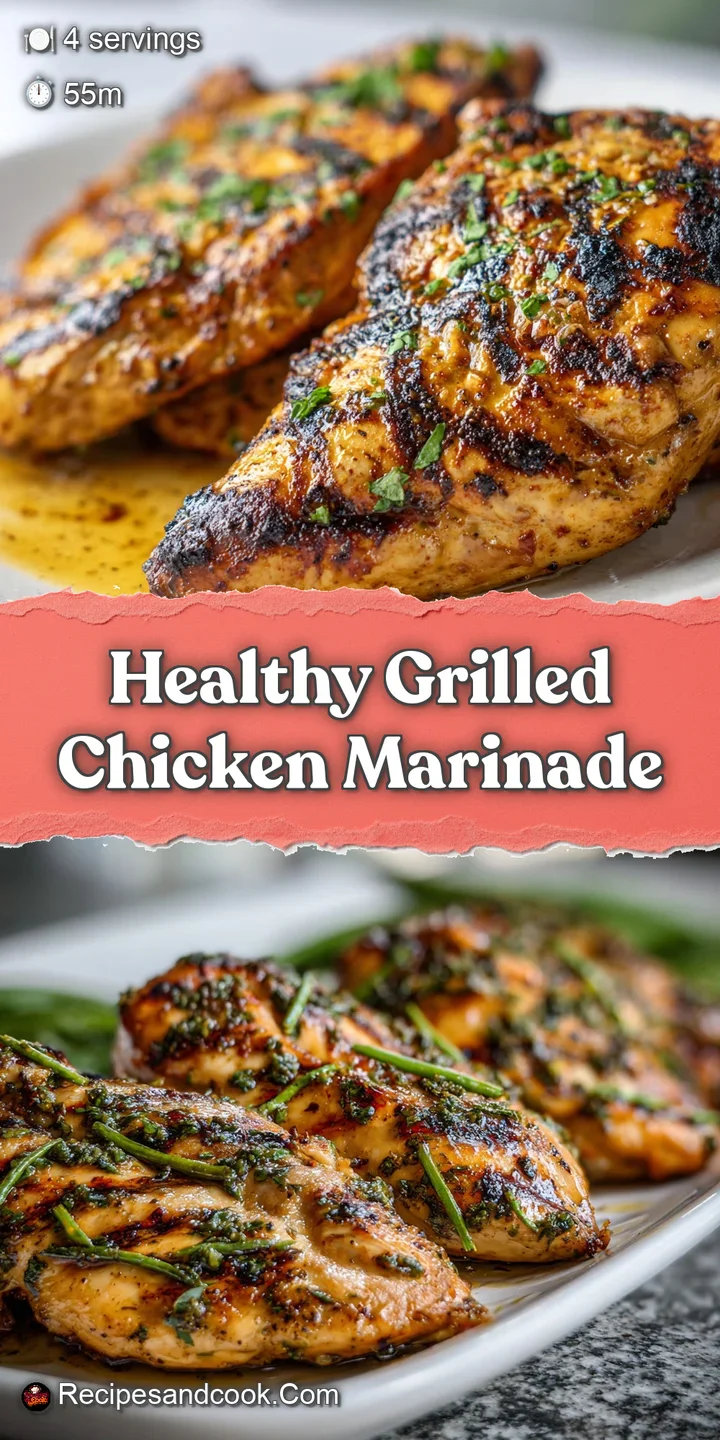
Healthy Grilled Chicken Marinade
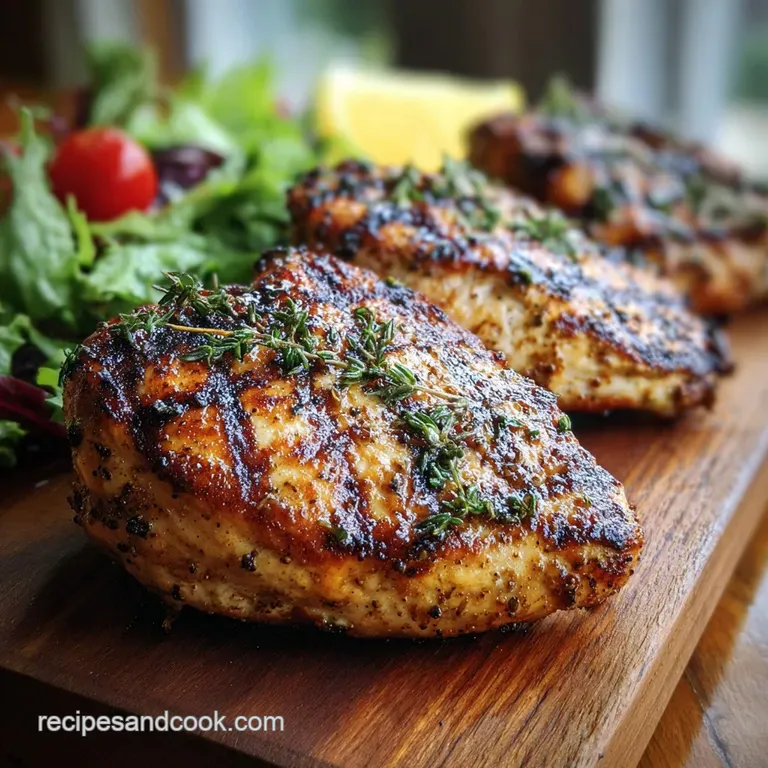
- Time: Active 10 minutes, Passive 45 minutes, Total 55 minutes
- Flavor/Texture Hook: Tangy, zesty, and smoky with a charred, juicy finish
- Perfect for: Weeknight dinners, family meal prep, and clean eating goals
- Secrets to This Healthy Grilled Chicken Marinade
- The Science of Tenderness and Flavor
- Deep Dive into Each Flavorful Component
- Deep Dive into Each Flavorful Component
- Essential Tools for the Perfect Char
- Step-by-Step Instructions for Juicier Meat
- Fix Mistakes with This Simple Checklist
- Dietary Swaps for Every Lifestyle
- Storing and Reheating for Best Leftover Results
- Serving Ideas to Round Out Dinner
- Recipe FAQs
- 📝 Recipe Card
Secrets to This Healthy Grilled Chicken Marinade
You know that sound when a cold piece of chicken hits a scorching hot grill? That rhythmic hiss and sizzle is basically my favorite song. But for the longest time, I struggled with my chicken coming off the grates looking like a dry, gray piece of wood.
I used to think more was better more vinegar, more salt, more time only to end up with mushy meat that tasted like a science experiment gone wrong.
I finally realized that a truly great marinade isn't just about dumping ingredients into a bag; it's about the balance between acid and oil. This specific recipe uses a combination of fresh lemon and apple cider vinegar to tenderize the meat without over processing it.
The addition of tamari adds that deep, savory "umami" that makes you want to go back for seconds, while the honey helps everything caramelize just enough to get those beautiful grill marks.
We've all been there: staring at a pack of chicken breasts on a Tuesday night, wondering how to make them not boring. Trust me, this is the solution. It's fast, it’s nutritious, and it uses stuff you probably already have in your pantry. Let’s get into why this specific combo works so well.
The Science of Tenderness and Flavor
The Chemistry of Acidic Denaturation: The lemon juice and vinegar work to unwind the tightly coiled protein strands in the chicken, allowing moisture to slip in. This process, known as denaturing, ensures the meat stays supple even under the high heat of the grill.
- Osmotic Pressure: Salt draws moisture out initially, but then creates a brine that the chicken reabsorbs, pulling the garlic and oregano flavors deep into the fibers.
- Emulsification Stability: Whisking the oil and acids together creates a temporary emulsion that coats the meat evenly, preventing "bald spots" where the chicken might stick to the grill.
- Maillard Reaction: The small amount of honey provides the necessary sugars to interact with the proteins, creating that golden brown crust and complex aroma at lower temperatures.
- Fat Solubility: Many of the flavor compounds in dried oregano and smoked paprika are fat soluble, meaning the olive oil carries those tastes into the meat more effectively than water would.
| Thickness | Internal Temp | Rest Time | Visual Cue |
|---|---|---|---|
| 0.5 inch | 165°F | 5 minutes | Juices run clear, firm to touch |
| 1 inch | 165°F | 8 minutes | Opaque center, no pinkness |
| 1.5 inches | 165°F | 10 minutes | Deep golden crust, bounce back feel |
When you are looking for Healthy Weeknight Dinners recipe ideas, understanding these checkpoints is the difference between a rubbery dinner and a succulent one. I always suggest using a digital thermometer because guessing by color alone is a recipe for overcooking.
Deep Dive into Each Flavorful Component
| Ingredient | Science Role | Pro Secret |
|---|---|---|
| Lemon Juice | Primary Acid | Always zest the lemon before juicing to double the aromatic impact without adding extra liquid. |
| Apple Cider Vinegar | Secondary Acid | Use "with the mother" for a more complex, fermented depth that mimics aged wines. |
| Low Sodium Tamari | Umami/Salt | This provides a richer color than standard salt, helping the chicken look grilled even on a stovetop. |
| Raw Honey | Caramalization | If your honey is crystallized, microwave it for 5 seconds to ensure it whisk into the oil smoothly. |
Understanding how these elements interact is the first step toward becoming a more intuitive cook. While you might be tempted to use bottled lemon juice, I’ve found that the flavor profile changes significantly.
Fresh citrus has a bright, volatile acidity that bottled versions just can't match because they've been heat treated for shelf life.
| Fresh Citrus | Bottled Juice | Impact on Results |
|---|---|---|
| High aromatic oils | Flat, muted flavor | Fresh gives a "zingy" finish; bottled can taste slightly metallic. |
| Higher enzyme activity | Preservatives added | Fresh tenderizes faster; bottled is more consistent but less effective. |
| Natural Vitamin C | Synthetic additives | Fresh is more nutritious; bottled is cheaper and more convenient. |
Choosing fresh ingredients isn't just about being "fancy" it’s about the chemical reaction on the grill. The oils in fresh lemon zest actually help protect the surface of the meat from drying out.
Deep Dive into Each Flavorful Component
For this healthy grilled chicken marinade, we need to be precise with our measurements to get that exact balance of tang and salt. Here is what you’ll need from your pantry:
- 680 g boneless, skinless chicken breasts: Why this? Standard cut that absorbs marinade well and cooks quickly. (Substitute: Chicken thighs for more fat/flavor).
- 60 ml extra virgin olive oil: Why this? Provides the fat base to carry flavors and prevent sticking. (Substitute: Avocado oil for higher smoke point).
- 45 ml fresh lemon juice: Why this? The primary bright acid for tenderizing. (Substitute: Lime juice for a tropical twist).
- 30 ml apple cider vinegar with the mother: Why this? Adds a fermented tang and softens fibers. (Substitute: White wine vinegar).
- 15 ml low sodium tamari: Why this? Deep savory flavor without gluten. (Substitute: Soy sauce or coconut aminos).
- 3 cloves garlic, minced: Why this? Essential aromatic for that classic grilled scent. (Substitute: 1 tsp garlic powder).
- 5 ml raw honey: Why this? Balances acidity and aids in browning. (Substitute: Maple syrup).
- 10 g fresh Italian parsley, chopped: Why this? Adds a fresh, peppery green note. (Substitute: Fresh cilantro).
- 2 g dried oregano: Why this? Earthy backbone for the Mediterranean vibe. (Substitute: Dried thyme).
- 5 g sea salt: Why this? Enhances all other flavors through osmosis. (Substitute: Kosher salt).
- 2 g cracked black pepper: Why this? Provides a subtle, sharp heat. (Substitute: White pepper).
- 1 g smoked paprika: Why this? Mimics the flavor of a wood fired grill. (Substitute: Sweet paprika).
Chef's Tip: Grate your garlic into a paste using a microplane instead of mincing it with a knife. This releases more of the sulfurous compounds, ensuring every inch of the chicken gets that punchy garlic hit without leaving big burnt chunks on the grill.
Essential Tools for the Perfect Char
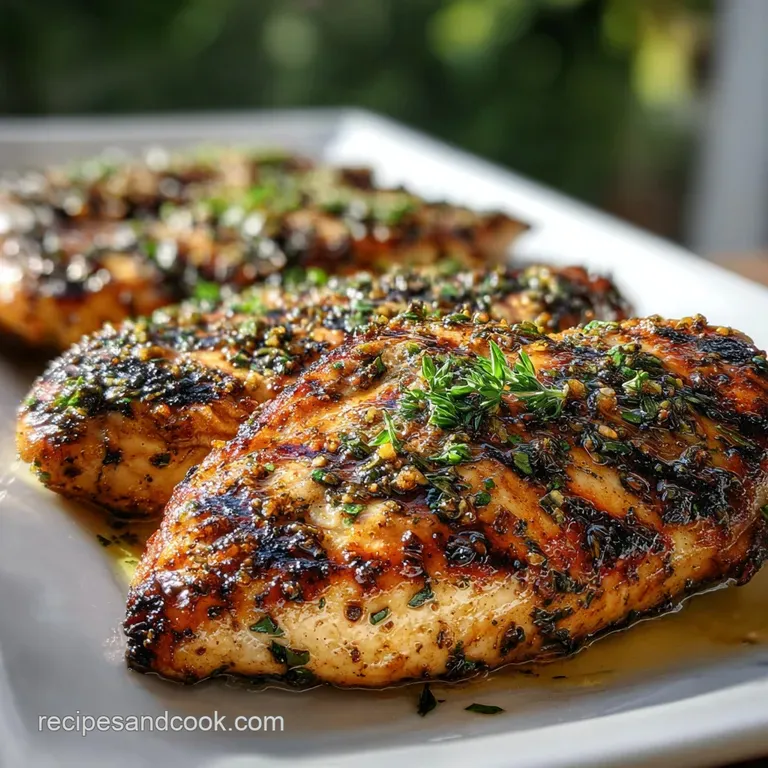
Before you start, make sure you have a heavy duty whisk and a non reactive bowl. I prefer using glass or stainless steel because the acid in the lemon juice can react with aluminum, giving your chicken a weird, tinny taste. You'll also want a set of long handled tongs nothing ruins a mood like singed arm hairs!
If you're cooking indoors, a cast iron grill pan is your best friend. It retains heat better than stainless steel, giving you those distinct, dark lines that make the chicken look like it came off a professional pit.
Also, keep a meat thermometer handy; it is the only way to be 100% sure you aren't serving dry, overcooked poultry to your family.
step-by-step Instructions for Juicier Meat
- Whisk the liquids. Combine the 60 ml olive oil, 45 ml lemon juice, 30 ml apple cider vinegar, 15 ml tamari, and 5 ml honey in a large bowl. Note: This creates the emulsion base.
- Add the aromatics. Stir in the 3 minced garlic cloves, 10 g parsley, 2 g oregano, 5 g salt, 2 g pepper, and 1 g smoked paprika until the spices are evenly suspended.
- Prep the chicken. Pat the 680 g chicken breasts dry with paper towels. Note: Surface moisture prevents a good sear.
- Pierce the meat. Use a fork to gently poke the chicken breasts 4-5 times on each side. This allows the marinade to penetrate deeper.
- Submerge the protein. Place the chicken in the bowl or a zip top bag and pour the mixture over, ensuring every inch is coated.
- Chill and rest. Refrigerate for at least 30 minutes, but 45 minutes is the sweet spot. Don't exceed 4 hours or the meat gets mushy.
- Preheat the grill. Bring your grill to medium high heat (about 400°F). Note: A hot grill prevents sticking.
- Sear the chicken. Place chicken on the grates and cook for 6-8 minutes per side until deep golden brown grill marks appear.
- Check internal temperature. Use a thermometer to ensure the thickest part reaches 165°F.
- Rest before slicing. Transfer to a plate and wait 5 minutes until the juices redistribute into the meat.
Optimizing the pH Balance
The goal here is a pH around 4.0. If you add too much vinegar, you’ll "cook" the outside of the chicken before it ever hits the heat, resulting in a chalky texture. By balancing the 45 ml of lemon juice with the 60 ml of oil, we buffer that acidity, allowing it to work slowly and effectively.
Achieving the Perfect Char
To get those "shatter"-crisp edges on the outside while keeping the inside "velvety," you need to leave the chicken alone. Once it hits the grill, don't move it for at least 4 minutes. This allows the honey and proteins to form a crust that naturally releases from the grates.
If you try to flip too early and it sticks, just wait another minute!
Fix Mistakes with This Simple Checklist
Sometimes, despite our best efforts, things go sideways. If your chicken feels like rubber, you likely over marinated it. Acid is a powerful tool, but after 6 hours, it starts to break down the actual structure of the meat, turning it into a paste like consistency.
| Problem | Root Cause | Solution |
|---|---|---|
| Mushy texture | Over marinating (too long) | Limit soak time to under 4 hours for breasts. |
| Chicken sticks | Grill not hot enough | Preheat for 10-15 mins until grates glow. |
| Bland flavor | Meat wasn't dried first | Pat dry before marinating so the oil clings better. |
- ✓ Always pat chicken completely dry before placing it in the marinade.
- ✓ Never reuse marinade that has touched raw chicken as a serving sauce unless boiled for 5 minutes.
- ✓ Preheat your grill or pan for at least 10 minutes before starting.
- ✓ If using wooden skewers, soak them in water for 30 minutes to prevent burning.
- ✓ Don't crowd the pan leave at least 2 inches between each piece of chicken.
If you find that your chicken is consistently dry, try using this Healthy Chicken Marinade recipe technique on chicken thighs instead. Thighs have a higher fat content and are much more forgiving if you leave them on the grill a minute too long.
Dietary Swaps for Every Lifestyle
If you are cooking for a crowd with different needs, this recipe is incredibly flexible. Because it's already low carb, it fits most modern diets without much effort. Just be sure to check your tamari labels if you're cooking for someone with a severe gluten allergy!
Keto and sugar-free Swap
For a strict keto version, swap the 5 ml of raw honey for an equal amount of liquid monk fruit or simply omit the sweetener entirely. The chicken won't brown as quickly, so you may need to increase your grill temperature slightly to get that desired crust.
Making it Mediterranean
To lean into those Greek flavors, double the dried oregano and add 15 ml of red wine vinegar in place of the apple cider vinegar. This version pairs beautifully with a side of cucumber salad and some feta cheese. It’s a fast, nutritious way to change up your weekly rotation.
Storing and Reheating for Best Leftover Results
Storage: Store cooked grilled chicken in an airtight container in the fridge for up to 4 days. To keep it from drying out, pour any leftover resting juices into the container with the meat.
Freezing: You can actually freeze the chicken inside the marinade! Place the raw chicken and marinade in a freezer bag, squeeze out all the air, and freeze for up to 3 months. When you're ready to eat, thaw it in the fridge overnight it marinates as it thaws!
Reheating: Avoid the microwave if possible, as it turns chicken into rubber. Instead, slice the chicken and warm it in a skillet over medium heat with a splash of water or chicken broth. Cover with a lid for 2 minutes to create steam, which keeps the meat moist.
Zero Waste Tip: Don't throw away those lemon rinds after juicing! Toss them onto the charcoal or into the bottom of your grill pan. As they heat up, they release citrus oils that lightly scent the smoke, adding another layer of flavor to your chicken.
Serving Ideas to Round Out Dinner
I love serving this chicken over a bed of quinoa or alongside roasted seasonal vegetables. If you have leftovers, they make the ultimate addition to a cold pasta salad the next day. The smokiness from the paprika really stands out once the chicken has cooled down.
- The Power Bowl: Sliced chicken, kale, avocado, and a drizzle of tahini.
- The Low Carb Wrap: Use large lettuce leaves, add the chicken, and top with a dollop of Greek yogurt.
- Simple Salad: Toss with arugula, shaved parmesan, and a little extra lemon juice.
If you're looking for another great way to use these flavors, try this Pineapple Teriyaki Chicken recipe for a sweeter, fruitier take on grilled poultry. The acidity in the pineapple works similarly to the lemon in this recipe, breaking down those tough fibers for a perfect bite every time.
Cooking doesn't have to be complicated to be good. Once you understand the basic mechanics of how a healthy grilled chicken marinade works, you can start experimenting with your own spice blends.
Just remember: keep your acids balanced, your grill hot, and always always let your meat rest! Let's crack on and get that grill fired up. You're going to love how this turns out.
Recipe FAQs
What's a good marinade for grilled chicken?
Use a balance of acid, oil, and salt. A great combination includes fresh lemon juice for tang, olive oil to carry flavor, and herbs like oregano for depth. This balances tenderness with moisture retention before grilling.
What is the healthiest way to marinate chicken?
Minimize added sugars and excess sodium. Use fresh citrus juice (lemon/lime) as your main tenderizer and rely on spices like smoked paprika and garlic for strong flavor, skipping bottled sauces.
Should I marinate my chicken before putting it on the grill?
Yes, for flavor and tenderness. Marinating allows acidic components to gently unwind protein fibers, ensuring the meat absorbs flavor molecules deeper than surface seasoning allows.
What is good to soak chicken in before grilling?
Soak chicken in a mixture containing both fat and acid. This combination ensures flavor penetration and prevents the meat from drying out; for example, our base uses olive oil alongside apple cider vinegar.
How long should I marinate chicken breasts for best results?
Marinate chicken breasts for 30 to 45 minutes. While longer times might seem better, more than 4 hours can cause the acid to break down the proteins too much, resulting in a mushy texture.
Is it true that oil is necessary in a healthy chicken marinade?
Yes, oil is crucial for flavor delivery and protection. Many key flavor compounds found in dried herbs are fat-soluble, meaning the oil acts as a vehicle to carry them into the meat fibers.
Can I use this healthy marinade technique for dishes like salad?
Absolutely, the technique transfers well to cold preparations. The same principles of acidity balancing fat help create a robust flavor base, similar to the dressing used in our Mexican Chicken Salad recipe.
Healthy Grilled Chicken Marinade
Ingredients:
Instructions:
Nutrition Facts:
| Calories | 262 calories |
|---|---|
| Protein | 38.5 g |
| Fat | 10.8 g |
| Carbs | 2.8 g |
| Fiber | 0.4 g |
| Sugar | 1.6 g |
| Sodium | 610 mg |
