Spicy Gochujang Chicken with Honey Glaze
- Time: Active 15 minutes, Passive 15 minutes, Total 30 minutes
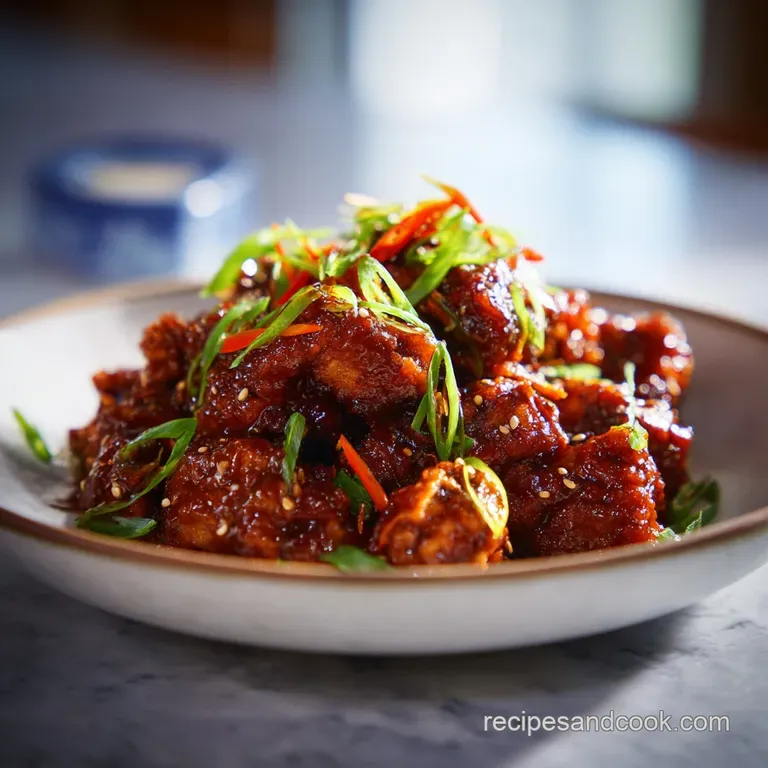
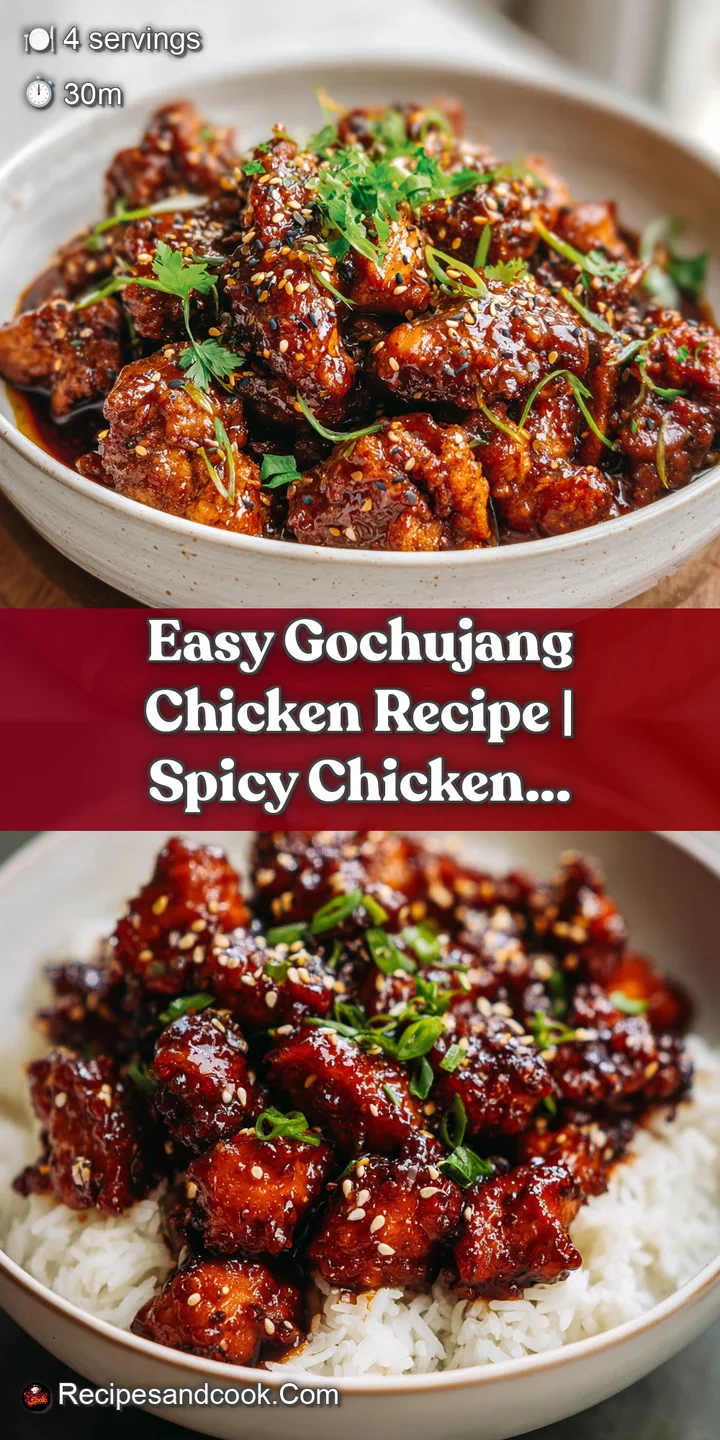
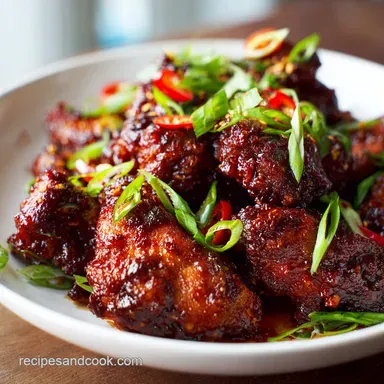
- Flavor/Texture Hook: Sticky, sweet heat glaze with a smoky, charred finish
- Perfect for: Bold weeknight dinners or a fast paced dinner party
- Understanding the Vibrant Appeal of Authentic Gochujang Chicken
- Essential Timeline and Metrics for Preparation
- Sourcing the International Pantry for Bold Flavors
- Selecting the Right Tools for over High heat Cooking
- Mastering the Technique with Detailed Action Steps
- Avoiding Common Errors for a Flawless Finish
- Adaptable Variations for Your Global Kitchen
- Maximizing Longevity Through Proper Storage Techniques
- Creative Pairings to Round Out Your Plate
- Debunking Gochujang and Poultry Myths
- Very High in Sodium
- Recipe FAQs
- 📝 Recipe Card
Understanding the Vibrant Appeal of Authentic Gochujang Chicken
The first time I smelled this hitting a hot pan, I was in a tiny, neon lit stall in Seoul. The air was thick with the scent of toasted sesame and that unmistakable, pungent sweetness of fermenting chilies.
I watched the cook toss the meat with a rhythm that seemed choreographed, the sauce bubbling and darkening until it looked like molten rubies. That sizzle stayed with me, and I spent months trying to replicate that specific "sticky but not soggy" texture in my own kitchen.
What makes this dish a staple in my house isn't just the heat. It’s the contrast. You get that initial punch of spice, but it’s immediately followed by the mellow, earthy funk of the fermented soybeans in the gochujang. Then comes the honey, smoothing everything out.
It’s a sensory experience that hits every part of your palate at once. If you've been stuck in a rotation of bland proteins, this is the wake up call your taste buds need.
We're moving away from the heavy, breaded versions of Korean chicken today. Instead, we’re focusing on a over high heat sear that lets the natural fats in the thighs render down, creating a natural crust that catches the sauce. It’s cleaner, faster, and honestly, much more interesting to eat.
You don't need a deep fryer to get that satisfying "snap" when you bite into a piece of chicken. Just a hot pan and a bit of patience.
The Science of Fermented Tenderization
Protease Activity: Enzymes in the fermented gochujang paste help break down muscle fibers during the short marinade time. This results in a velvety texture that remains moist even under high heat.
The Sugar Burn Buffer
Maillard Timing: The sugars in honey and mirin caramelize quickly, but the high moisture content of the soy sauce creates a thermal buffer. This allows the chicken to cook through before the glaze transitions from sticky to scorched.
The Aromatics Infusion
Fat Soluble Flavor: Grating ginger and garlic directly into the marinade allows their essential oils to dissolve into the sesame oil. This ensures the aromatics are locked onto the meat rather than burning off in the pan.
| Cooking Method | Total Time | Texture Profile | Best For |
|---|---|---|---|
| Traditional Skillet | 15 minutes | Deeply charred, sticky glaze | Maximum flavor and speed |
| Air Fryer (200°C) | 12 minutes | Crispy edges, less "saucy" | Hands off prep and easy cleanup |
| oven-roasted (220°C) | 22 minutes | Tender, succulent, glazed | Large batches or meal prep |
Essential Timeline and Metrics for Preparation
When we talk about successful global cooking, precision matters more than fancy gadgets. For this recipe, I’ve found that the size of your chicken pieces dictates the entire flow of the meal. If they're too small, they’ll overcook before the sauce reduces.
Too large, and you'll have a burnt exterior with a raw center. Aim for 1 inch (2.5 cm) cubes. This is the sweet spot for a 15 minute cook time.
Similar to the balance we look for in a Lemon Chicken and recipe, the ratio of acid to sugar here is what prevents the dish from feeling heavy. The mirin isn't just for sweetness; it adds a bright, wine like acidity that cuts right through the richness of the chicken thighs.
| Component | Science Role | Pro Secret |
|---|---|---|
| Gochujang | Primary umami and heat source | Always whisk it with liquid first to avoid clumps in the pan. |
| Chicken Thighs | High fat content for moisture | Keep the skin off but leave some fat for a better sear. |
| Honey | Caramelization agent | Use raw honey for a more complex, floral undertone. |
| Mirin | Texture and shine | The alcohol helps the sauce emulsify and gives a glossy finish. |
Sourcing the International Pantry for Bold Flavors
You won't need a specialized market for most of this, but the quality of your chili paste is non negotiable. Look for gochujang that comes in a red tub. It should be thick, like a stiff tomato paste, and have a deep brick red color. Avoid anything labeled "Korean Wing Sauce" that's already diluted.
We want the pure, concentrated stuff.
- 1.5 lbs chicken thighs: Cut into 1 inch pieces. Why this? Thighs handle high heat better than breasts without drying out.
- Substitute: Chicken breast (reduce cook time by 2 minutes).
- 3 tbsp Gochujang: The heart of the dish. Why this? Provides the base flavor, heat, and thickener for the glaze.
- Substitute: Sriracha mixed with a teaspoon of miso paste.
- 2 tbsp Honey: For that signature stickiness. Why this? Counteracts the salt and spice while creating a glossy coating.
- Substitute: Brown sugar or maple syrup.
- 2 tbsp Soy sauce: Adds salt and depth. Why this? Enhances the meaty "umami" notes of the chicken.
- Substitute: Tamari for a gluten-free version.
- 1 tbsp Mirin: A sweet Japanese rice wine. Why this? Adds a subtle tang and helps the sauce stick to the meat.
- Substitute: Dry sherry or white wine with a pinch of sugar.
- 3 cloves Garlic: Freshly minced. Why this? Provides a sharp, aromatic bite that balances the sweet glaze.
- Substitute: 1 tsp garlic powder in a pinch.
- 1 inch piece Ginger: Grated fine. Why this? Cuts through the fat of the thighs with a clean heat.
- Substitute: 0.5 tsp ground ginger.
- 1 tbsp Toasted sesame oil: For the finish. Why this? Adds a nutty, smoky aroma that defines Korean cuisine.
- Substitute: Perilla oil or any neutral oil.
- 2 Green onions: Whites for the pan, greens for garnish. Why this? Adds both foundational flavor and fresh crunch.
- Substitute: Chives.
- 1 tsp Kosher salt & 0.5 tsp Black pepper: Basic seasoning.
- 1 tbsp Neutral oil: For searing.
- 1 tbsp Toasted sesame seeds: For texture and visual pop.
Selecting the Right Tools for over High heat Cooking
You don't need a wok, though it’s great if you have one. What you really need is surface area. If the chicken is crowded, it will steam in its own juices instead of searing. I usually reach for my 12 inch cast iron skillet or a heavy bottomed stainless steel pan.
These materials hold heat exceptionally well, which is crucial when you're adding cold marinated meat to the pan.
If you’re looking for a simpler way to handle prep, a Shredded Chicken in recipe approach works well for different textures, but for this specific dish, the "chunk and sear" method is king. You’ll also want a microplane for the ginger it turns it into a pulp that integrates perfectly into the sauce, preventing any woody bits from ruining the texture.
Chef's Tip: Use a flat edged wooden spatula. It’s better at scraping up those caramelized bits (the fond) from the bottom of the pan, which are basically concentrated flavor nuggets.
Mastering the Technique with Detailed Action Steps
Phase 1: The Flavor Foundation
- Prep the chicken. Dry the 1.5 lbs of chicken thighs with paper towels, then toss with the 1 tsp salt and 0.5 tsp pepper. Note: Removing surface moisture is the secret to a fast sear.
- Whisk the marinade. In a medium bowl, combine the 3 tbsp gochujang, 2 tbsp soy sauce, 2 tbsp honey, 1 tbsp mirin, and 1 tbsp sesame oil. Whisk until the paste is completely smooth.
- Combine and rest. Stir the minced garlic, grated ginger, and the white parts of the green onions into the sauce. Toss the chicken in this mixture and let it sit for at least 15 minutes at room temperature.
Phase 2: The over High heat Sear
- Heat the pan. Add the 1 tbsp neutral oil to your skillet over medium high heat. Wait until the oil shimmers and barely begins to smoke.
- Sear the meat. Add the chicken to the pan, ensuring the pieces are in a single layer. Let them sit undisturbed for 3 minutes.
- Develop the crust. Flip the pieces once they have a dark, reddish brown char on the bottom. Note: Don't panic if it looks dark; that's the sugars in the gochujang caramelizing.
- Cook through. Continue sautéing for another 5 to 7 minutes, tossing occasionally, until the chicken reaches an internal temp of 165°F (74°C).
Phase 3: The Fragrant Finish
- Reduce the glaze. If the sauce looks too thin, cook for an extra 60 seconds on high. The sauce should coat the back of a spoon and look like liquid glass.
- Garnish and serve. Turn off the heat. Sprinkle the 1 tbsp toasted sesame seeds and the reserved green onion tops over the chicken. Serve immediately while the glaze is still tacky.
Avoiding Common Errors for a Flawless Finish
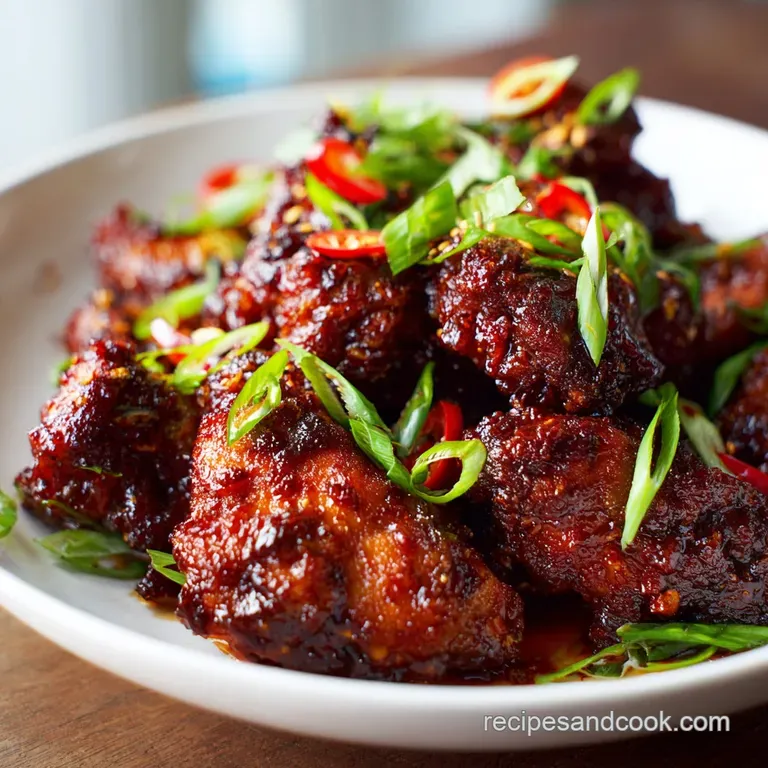
The biggest mistake people make with this recipe is fear of the heat. Because of the honey, the sauce will darken very quickly. It’s easy to think it’s burning and pull it off too early. Trust the process. You want those slightly blackened edges; that’s where the "smoky" flavor lives.
If things are truly getting too dark too fast, just add a splash of water (about a tablespoon) to the pan. It will create steam, loosen the glaze, and buy you a few more minutes of cook time.
Why Your Glaze is Runny
If your sauce isn't clinging to the chicken, it’s usually because the pan wasn't hot enough or there was too much moisture on the chicken. The honey needs heat to reach the "soft ball" stage of sugar cooking, which is what gives it that sticky, velvety pull.
| Problem | Root Cause | Solution |
|---|---|---|
| Bitter Aftertaste | Garlic or ginger burnt in the pan | Add aromatics to the sauce, not the dry pan. |
| Tough Chicken | Overcooked or cut too small | Use a meat thermometer and aim for 1 inch cubes. |
| Watery Sauce | Crowding the pan | Cook in two batches to allow steam to escape. |
Common Mistakes Checklist
- ✓ Never skip the paper towel pat down; wet chicken won't sear, it will just boil.
- ✓ Ensure the mirin is "Hon Mirin" if possible for better sugar content.
- ✓ Don't use a non stick pan if you want those crispy, charred bits.
- ✓ Keep the heat at medium high; low heat results in a gummy, pale sauce.
- ✓ Always use toasted sesame oil, not plain, for that authentic aromatic depth.
Adaptable Variations for Your Global Kitchen
This dish is incredibly flexible. If you're looking for something that feels more like a Weeknight Recipes staple, you can easily swap the chicken for firm tofu or even cauliflower florets. The key is to keep the marinade ratios the same.
The Party Appetizer Swap
Use gochujang chicken wings instead of thighs. Marinate them for 4 hours, then bake at 200°C for 25 minutes, tossing them in the reduced sauce halfway through. It creates a "shatter crisp" skin that holds up even as they cool down on a snack table.
For the Air Fryer Version
If you want to use your air fryer, toss the marinated chicken in a single layer in the basket. Cook at 200°C for 12 minutes, shaking the basket once at the 6 minute mark.
This version is slightly less "saucy" but gets incredibly crispy edges that some people actually prefer over the skillet version.
Low Carb Adjustments
If you're watching sugar, swap the honey for a keto friendly maple syrup substitute or just use a splash more mirin and a pinch of stevia. The texture won't be quite as "tacky," but the flavor profile remains vibrant and exciting.
Maximizing Longevity Through Proper Storage Techniques
Gochujang chicken is a meal prepper's dream because the flavors actually deepen as it sits. The spice mellows out, and the garlic and ginger infuse further into the meat. I often make a double batch just to have the leftovers for lunch the next day.
- Fridge
- Keep in an airtight container for up to 4 days. The sauce will thicken and gelatinize, which is normal.
- Freezer
- You can freeze the cooked chicken for up to 3 months. However, for best results, freeze the marinated raw chicken. It’s like a flavor bomb waiting in your freezer.
- Zero Waste
- If you have leftover sauce in the pan, don't wash it! Toss in some pre cooked rice or cold noodles to soak up every last drop of that spicy gold. Even the stems of the green onions can be finely minced and added to a stir fry later in the week.
Reheating Tip: Avoid the microwave if you can. It tends to make the chicken rubbery. Instead, put the chicken in a cold pan with a teaspoon of water, cover it, and heat over medium until it’s sizzling again. This restores the moisture and the shine of the glaze.
Creative Pairings to Round Out Your Plate
Because this dish is so bold, you want sides that offer a "cooling" effect. A simple bowl of steamed jasmine rice is the classic choice, acting as a sponge for the extra sauce. If you want something more adventurous, try a quick pickled cucumber salad with rice vinegar and a pinch of sugar.
The acidity and crunch provide the perfect counterpoint to the rich, spicy chicken.
If you're looking for a more substantial meal, it pairs beautifully with the flavor profile of a White Chicken Chili recipe if you're serving a crowd with different tastes, though I personally love it served over a bed of shredded cabbage or inside lettuce wraps. The cold, crisp lettuce "cups" make the whole experience feel like a street food feast.
The Classic Bowl
Layer the chicken over rice, add a soft boiled egg, and some kimchi on the side. This is the ultimate comfort meal. The runny yolk mixes with the gochujang sauce to create a creamy, spicy gravy that is honestly life changing.
The Fusion Wrap
Take a flour tortilla, add some lime crema (sour cream + lime juice), the chicken, and a handful of cilantro. It’s a Korean Mexican fusion that works surprisingly well for a quick lunch. The brightness of the lime really makes the fermented notes of the chicken sing.
Debunking Gochujang and Poultry Myths
Myth: Gochujang is just "Korean Ketchup." Truth: Absolutely not. Ketchup is vinegar and tomato based. Gochujang is a fermented product made from glutinous rice, fermented soybeans, and chili powder. It has an "umami" depth and a funkiness that ketchup can't replicate.
Substituting one for the other will completely change the soul of the dish.
Myth: You must marinate chicken for 24 hours for it to be good. Truth: While a long soak helps, the high concentration of salt and sugar in this specific marinade means 15 to 30 minutes is plenty of time to flavor the exterior of small 1 inch pieces.
The sauce acts more like a glaze than a deep tissue soak.
Myth: Thighs are "unhealthy" compared to breasts. Truth: While thighs have more fat, that fat is what carries the flavor of the spices and prevents the meat from becoming stringy and dry during the over high heat searing process required for this recipe.
It's a trade off that is 100% worth the extra few calories.
Very High in Sodium
1275 mg mg of sodium per serving (55% of daily value)
The American Heart Association recommends limiting sodium intake to about 2,300mg per day for most adults.
Tips to Reduce Sodium in this Gochujang Chicken Recipe:
-
Reduce Salt-25%
Eliminate the added 1 tsp of Kosher salt entirely. The soy sauce and Gochujang already contribute a significant amount of sodium. This will substantially lower the overall sodium content. This is the highest impact change you can make.
-
Low-Sodium Gochujang-20%
Many brands of Gochujang have varying sodium levels. Look for a low-sodium or reduced sodium Gochujang option. This can make a significant difference, as Gochujang contributes substantially to the sodium content.
-
Low-Sodium Soy Sauce-20%
Replace the regular soy sauce with a low-sodium soy sauce or tamari. This swap can noticeably decrease the sodium level without sacrificing flavor.
-
Fresh Herbs & Spices
Enhance the flavor profile of the dish with a generous amount of fresh ginger and garlic. Consider adding other aromatic spices like red pepper flakes or black pepper to compensate for the reduced sodium.
-
More Green Onion
Use more of the green parts of the green onion and even consider adding some chopped cilantro at the end for a fresh, vibrant flavor that can distract from the lack of salt.
Recipe FAQs
How do you marinate chicken with gochujang paste?
Whisk the paste smoothly with liquids first. Combine the gochujang with honey, soy sauce, and mirin until the mixture is uniform and lump free. Then, stir in your aromatics and toss with the dried chicken pieces for at least 15 minutes before cooking.
Is gochujang healthy or unhealthy?
Generally healthy due to fermentation. Gochujang is a fermented condiment, meaning it contains beneficial probiotics similar to yogurt, alongside vitamins from the chili peppers.
What is gochujang made of?
Glutinous rice, chili powder, and fermented soybeans. The core ingredients include sweet glutinous rice, Korean chili powder (gochugaru), and fermented soybean paste (meju).
Is gochujang actually spicy?
Yes, but it is complexly spiced, not just hot. While it provides noticeable heat, its primary characteristic is a deep, earthy sweetness from the fermented rice base.
How do you prevent the glaze from burning on the chicken?
Sear the chicken fully before adding the sauce. Cook the meat until it’s mostly done, then add the glaze in the final few minutes over medium heat, stirring constantly to ensure even coating rather than scorching.
Can I use chicken breast instead of thighs for this recipe?
Yes, but reduce the cooking time significantly. Chicken breast dries out faster under high heat; if you substitute, plan to cook it for about 2 minutes less per side than the thighs.
What side dish best balances the rich heat of this dish?
Something cool, vinegary, or plain. A simple steamed rice absorbs the sauce beautifully, or for a textural contrast, serve it with a quick pickle, similar to the acidity balancing act required in our Lemon Garlic Chicken recipe.
Gochujang Chicken In 30 Minutes
Ingredients:
Instructions:
Nutrition Facts:
| Calories | 447 kcal |
|---|---|
| Protein | 33.9 g |
| Fat | 23.5 g |
| Carbs | 17.1 g |
| Fiber | 0.8 g |
| Sugar | 12.8 g |
| Sodium | 1275 mg |
