Vodka Gimlet: the Sharp Shooter Fresh Lime Edition
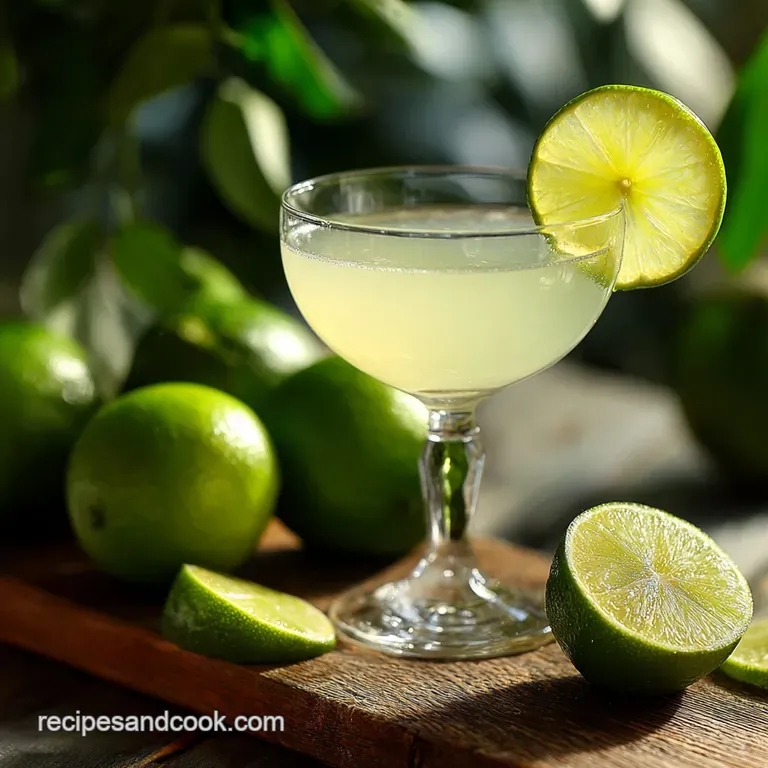
- Introducing The Sharp Shooter: Why the Fresh Vodka Gimlet Deserves the Spotlight
- The Science of Balance: Why This Gimlet Ratio Is Superior
- Essential Components for Your Fresh Vodka Gimlet: Ingredients and Substitutions
- Mixing Mastery: Step-by-Step Instructions to Build the Perfect Vodka Gimlet
- Troubleshooting Your Shake: Expert Tips and Avoiding Rookie Mistakes
- Batching Cocktails: Storing the Gimlet Base Ahead of Time
- Elevating the Experience: Serving Suggestions and Pairings
- Recipe FAQs
- 📝 Recipe Card
Introducing The Sharp Shooter: Why the Fresh Vodka Gimlet Deserves the Spotlight
That first sip of a truly great Vodka Gimlet hits you like a high five from a very cool, slightly acidic friend. It’s ice-cold, impossibly crisp, and the fresh lime aroma just snaps you awake in the best way possible.
You immediately know this isn't that weird, neon green, teeth rottingly sweet concoction they sometimes serve in dive bars.
Listen, we all need a sophisticated cocktail we can nail in under five minutes flat, especially when unexpected guests arrive. Forget complicated infusions and obscure tinctures; the vodka gimlet recipe is pure efficiency for those moments when Tuesday suddenly feels like a Friday.
It’s a fast, simple win that always delivers, which is why it’s such a beloved classic drink.
I’ve made every mistake possible in my time, from using bottled juice (shame!) to over diluting the whole thing into a watery mess. Now I’m sharing the exact "Sharp Shooter" ratio that guarantees perfect balance, intensity, and that beautiful, desirable frosty texture every single time.
Let’s crack on and learn how to shake this vodka gimlet up properly.
The Science of Balance: Why This Gimlet Ratio Is Superior
Tracing the Maritime History of the Gimlet
The origin story of the Gimlet is fantastic and deliciously practical, dating back to British naval officers in the 19th century. They mixed their rations of gin (or sometimes vodka) with lime to ward off scurvy, which was a very serious problem back then.
While they originally used commercial lime cordial like Rose's because fresh limes spoiled the tradition of drinking a highly acidic, fortified cocktail stuck around. It's a lifesaver, literally.
The Critical Difference: Cordial vs. Fresh Citrus Balance
Here is the secret sauce: this recipe ditches the sickly sweet Rose's Lime Juice for fresh lime and simple syrup. Commercial cordial is convenient, sure, but it’s loaded with preservatives and high fructose corn syrup which completely obscures the bright, sharp flavour we’re looking for.
A fresh Vodka Gimlet is infinitely superior , delivering a complexity that the pre-bottled stuff simply cannot touch.
What Defines a Perfect 'Sharp Shooter' Cocktail?
A truly perfect "Sharp Shooter," my affectionate nickname for this drink, is defined by its clean finish and intense, piercing chill. It should be strong, but not aggressive; tart, but certainly not sour.
It needs to walk that tightrope of balancing the spirit’s heat with the lime’s acid and the sugar’s smooth depth.
Optimizing Acidity and Sweetness (The 3:1:1 Rule Adaptation)
The traditional bartender's ratio for a sour (spirit, tart, sweet) is 2:1:1, but I find lime is much sharper than lemon. We pull back the acidity and sweetness slightly, aiming for a 2 ounce spirit, ¾ ounce fresh lime, and ¾ ounce simple syrup structure.
This slight reduction ensures the drink stays crisp and punchy without feeling syrupy or overly aggressive on the palate.
Controlling Dilution: The Key to a Crisp, Cold Finish
Dilution is a non-negotiable science in cocktails; too little means it tastes hot and alcoholic, but too much means it tastes weak and watery. We use large, dense ice cubes and shake vigorously for a short, precise amount of time to achieve the ideal 20 25% dilution.
This fast, intense chill is exactly what makes the drink cold enough to handle the up presentation.
Elevating the Spirit: Selecting the Best Vodka for Your Gimlet
Since the Vodka Gimlet has only three ingredients, the quality of your spirit really shines through. You don’t need the most expensive bottle on the top shelf, but please avoid cheap plastic bottles.
I recommend using a smooth, neutral potato or corn based vodka, as it lets the brightness of the lime dominate the flavour profile.
Essential Components for Your Fresh Vodka Gimlet: Ingredients and Substitutions
This recipe is simple, but every component matters deeply. Don't skimp on quality here; you only have three ingredients to hide behind!
The Citrus Decision: Sourcing the Juiciest Limes
You absolutely must use fresh lime juice. I will not compromise on this point. Look for limes that feel heavy for their size, as this indicates maximum juice content, and always roll them firmly on the counter before slicing to break down the internal membranes. This makes squeezing much easier.
Simple Syrup vs. Commercial Cordial: When to Cheat (and Why Not To)
Simple syrup (equal parts sugar and water) is incredibly easy to make-ahead of time and keeps in the fridge forever. If you are truly pressed for time and absolutely have to use Rose's Lime Juice or another commercial cordial, significantly reduce the amount.
Use only ½ ounce (15 ml) of cordial and eliminate the simple syrup entirely. Remember, the resulting drink will taste like a vodka gimlet with Rose's lime juice , not the superior fresh version.
Spirit Swaps: Can I Use Gin Instead of Vodka? (The Gin Gimlet Difference)
Yes, you can absolutely use Gin! The Gin Gimlet is actually the original version of the cocktail and offers a more complex, botanical, and herbaceous profile. If you are swapping to gin, choose a good London Dry style to maintain that classic sharp flavour.
Upgrading the Water: Why Ice Quality Matters Most
Never use ice that has been sitting in your freezer for six months absorbing the scent of frozen leftovers. Use fresh, clean, large ice cubes for your shaker. Larger cubes melt slower, resulting in a cleaner chill and better control over the final dilution.
| Ingredient | The Substitute I Approve Of | Notes |
|---|---|---|
| Vodka (60 ml) | London Dry Gin | Makes the classic Gin Gimlet. |
| Fresh Lime Juice (22 ml) | Fresh Lemon Juice | Use slightly less sugar; the flavour changes to a Vodka Sour. |
| Simple Syrup (22 ml) | Agave Nectar | Start with ½ ounce (15 ml) as it's much sweeter. |
Mixing Mastery: step-by-step Instructions to Build the Perfect Vodka Gimlet
Preparation Checklist: Measuring and Chilling Your Tools
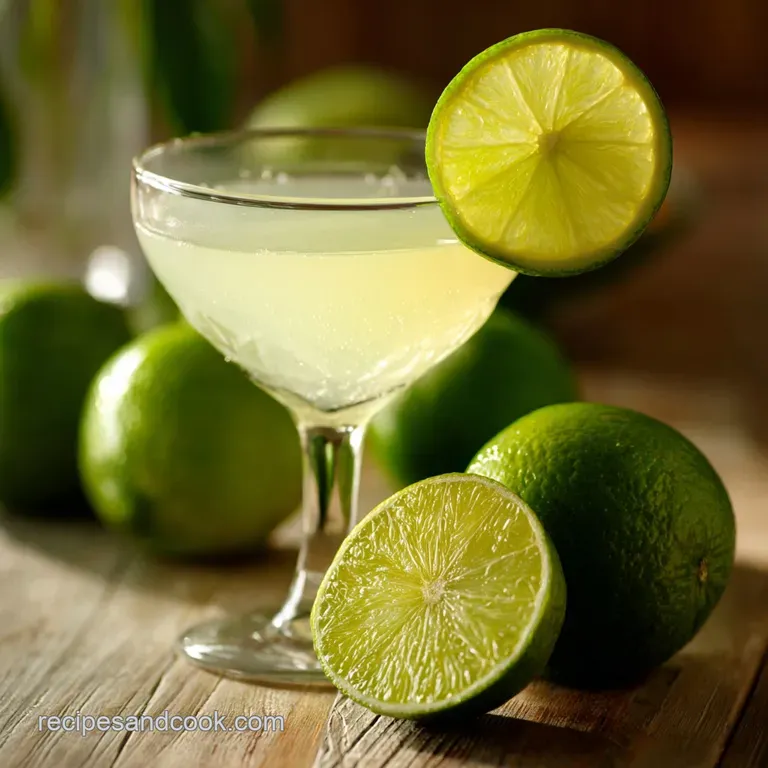
Always, always start by placing your coupe or martini glass in the freezer immediately. A freezing glass keeps the finished drink ice-cold and ensures the vodka gimlet up serving style is executed perfectly. Next, measure your ingredients precisely using a jigger. Precision is essential in cocktails.
The Standard Shake: Achieving Maximum Chill and Dilution
Add your vodka, fresh lime juice, and simple syrup to your cocktail shaker. Fill the shaker two-thirds full with your clean, large ice cubes. Secure the lid tightly and shake hard . You want to see frost forming heavily on the outside of the metal shaker.
This typically takes 10 to 15 seconds of focused, vigorous shaking.
Crucial Chef’s Note: Shaking hard not only chills the drink quickly but also incorporates tiny air bubbles from the lime juice. This gives the finished cocktail a desirable, slightly frothy texture and a beautiful opaque appearance that distinguishes it from a stirred cocktail.
The Double Strain: Ensuring a Flawlessly Clear Presentation
You must double strain this drink. First, strain the contents of the shaker through the Hawthorne strainer (the one built into the shaker lid) into your glass. Then, pour that liquid through a fine mesh sieve resting over the glass.
This catches any little shards of ice or stray lime pulp, guaranteeing a smooth, flawless texture for your vodka gimlet drink .
Garnishing the Glass: Precision Placement for Aesthetics
Take your chilled glass and place a fresh lime wheel on the rim, or if you prefer a garnish with aroma, grab a fresh lime twist. Pinch the twist firmly over the drink’s surface to express the fragrant oils before dropping the twist into the cocktail. Serve immediately that’s the whole ballgame.
Troubleshooting Your Shake: Expert Tips and Avoiding Rookie Mistakes
The Over Dilution Trap: Knowing When to Stop Shaking
The most common rookie mistake is over shaking. If you shake for too long (say, 30 seconds), the small ice shards melt, and your beautiful, crisp cocktail becomes weak and flavourless. Stop shaking the moment the exterior of the shaker turns completely white and frosty.
That intense cold signals optimal temperature and dilution.
Temperature Control: Pre-Chilling Your Coupe or Martini Glass
If you serve a chilled cocktail into a room temperature glass, you’ve wasted half your effort. The glass immediately starts warming the drink, compromising that beautiful chill.
Always pre-chill your serving vessel —either by placing it in the freezer for 15 minutes or by filling it with ice water while you prepare the drink base.
Fixing a Too-Tart Cocktail Ratio (The Quick Syrup Adjustment)
If you taste your final product and find it too tart or sour, the balance is off, probably due to a particularly acidic batch of limes. The fix is simple: add a half teaspoon more of simple syrup directly to the shaker, add just two more ice cubes, and give it two quick, gentle shakes.
Taste again until you find that perfect equilibrium for your specific limes.
Batching Cocktails: Storing the Gimlet Base Ahead of Time
Optimal Refrigeration Life for the Pre-Batched Mix
Planning a party? You can absolutely pre-batch the non-perishable base mix (vodka, simple syrup, and fresh lime juice). Combine all ingredients in a clean, airtight glass container. This mixture will last beautifully in the refrigerator for up to 48 hours .
Make sure to give it a good shake (or whisk) before using, as the heavier syrup tends to settle at the bottom over time.
Why Freezing is Not Recommended for Citrus Cocktails
Do not attempt to freeze the pre-batched mix. Freezing changes the structure of fresh citrus juice, causing it to lose its vibrant flavour and become flat or slightly bitter when thawed.
On top of that,, the alcohol content of the mix isn't high enough to prevent complete freezing, leading to separation and an unpleasant texture upon thawing.
Elevating the Experience: Serving Suggestions and Pairings
Ideal Appetizer Pairings (Salty and Briny Focus)
The sheer acidity and crispness of the Vodka Gimlet make it an incredible palate cleanser, demanding highly contrasting flavours in a snack. You want salty, savoury, and perhaps a little briny. This is how you elevate the entire experience.
- Olives and Feta: Serve large, high-quality olives (like Castelvetrano or Kalamata) alongside cubes of salty feta cheese marinated in olive oil. The salty brine provides a magnificent counterpoint.
- Smoked Salmon Bites: The acidic lime cuts beautifully through the richness and oiliness of smoked salmon or trout rillettes, making each sip intensely refreshing.
- Crispy, Salted Nuts: A simple bowl of warm, lightly spiced Marcona almonds or salted cashews is always a reliable pairing. The crunch and the salt enhance the cocktail’s complexity. If you're wondering about the vodka gimlet calories , focusing on light, savoury pairings helps keep the overall indulgence level manageable.
Recipe FAQs
Should I shake or stir a Vodka Gimlet?
Always shake a Gimlet. Shaking incorporates the fresh lime juice and simple syrup fully, and the necessary aeration (foaming) slightly softens the sharp acid, creating a more pleasant texture. Ensure you use plenty of quality ice for a minimum 15-second vigorous shake to achieve maximum chill and proper dilution.
My Gimlet tastes too dry (tart). How can I fix the balance?
The most likely culprit is an imbalance in your simple syrup-to-lime juice ratio, or perhaps your limes are particularly acidic. To fix an overly tart drink, add a quarter ounce more simple syrup and taste again; if it's still too sharp, try lowering the amount of lime juice next time.
Remember that proper dilution from shaking also tempers the sharpness significantly.
Can I substitute Gin for the Vodka in this recipe?
Absolutely. Replacing vodka with gin transforms this into the original, classic Gin Gimlet. Gin introduces complex botanicals, like juniper and citrus peel, which pair exquisitely with the fresh lime, resulting in a more aromatic and robust cocktail profile.
I don't have pre-made simple syrup. Can I just use granulated sugar?
Using granulated sugar directly is highly discouraged, as it won't fully dissolve in cold alcohol and will result in a grainy texture. If you are in a pinch, you can quickly make a 1:1 simple syrup by heating equal parts sugar and water until the sugar dissolves completely, then allowing it to cool before mixing.
Is it better to serve a Gimlet "up" or "on the rocks"?
Classically, the Gimlet is served "up" in a chilled coupe or martini glass, which offers a sleek presentation and maintains the intense flavor profile without further dilution. However, serving it "on the rocks" with a large, single cube is excellent for slowing down the drinking process and enjoying a cooler, slightly more diluted sipper.
Can I batch the Vodka Gimlet mixture for a party ahead of time?
Yes, you can batch the vodka, simple syrup, and fresh lime juice mixture up to 4 hours in advance and store it tightly sealed in the refrigerator. When it's time to serve, measure out the needed amount per serving and shake vigorously with fresh ice before straining into glasses.
Why is the drink cloudy instead of perfectly clear?
The cloudiness (or opaqueness) is primarily due to the essential oils in the fresh lime juice emulsifying when shaken vigorously with ice, a phenomenon known as the 'louching effect.' This is a natural indicator that you are using high-quality, freshly squeezed citrus, which is superior to clear, bottled lime cordial.
Embrace the cloudiness as a sign of freshness!
Fresh Lime Vodka Gimlet Recipe
Ingredients:
Instructions:
Nutrition Facts:
| Calories | 185 calories |
|---|---|
| Fat | 0 grams |
| Fiber | 0 grams |
