The Best Freezer Breakfast Sandwiches: No Soggy Mess
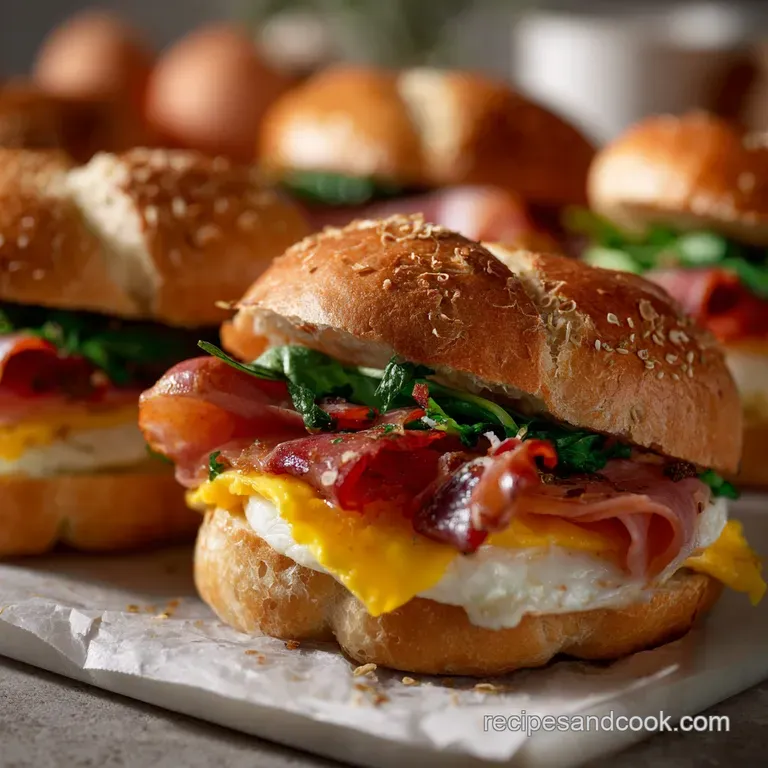
- Effort/Time: 40 minutes total for 12 ready-to-heat servings.
- Flavor Hook: Sharp cheddar melts into savory sausage and velvety, spinach-flecked eggs.
- Perfect for: High-protein morning fuel and chaotic weekday commutes.
Ultimate Freezer Breakfast Sandwiches: The Science of No-Soggy Meal Prep
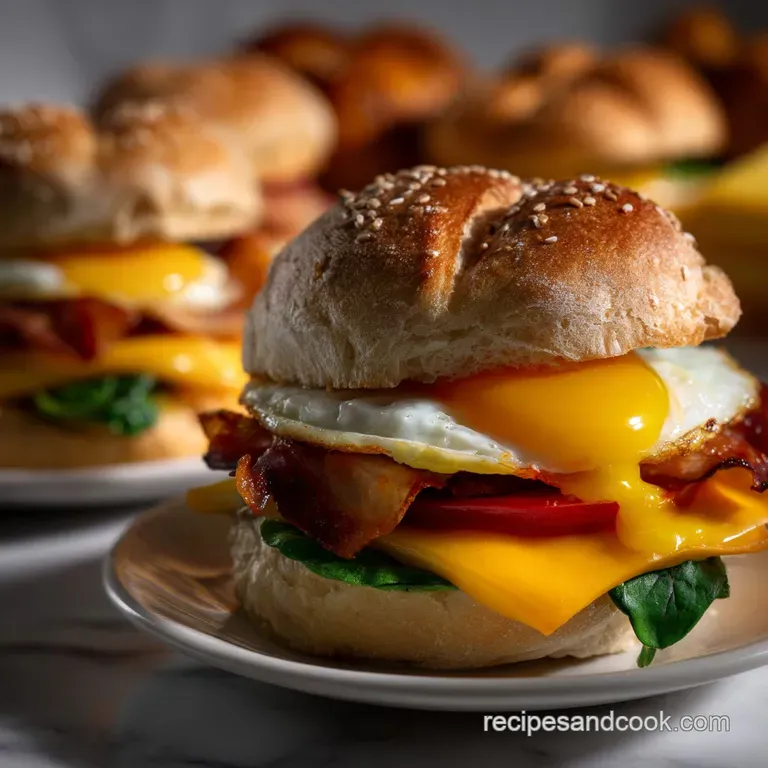
Stop Eating Rubbery, Sad Morning Sandwiches
We’ve all been there. You pull a pre-made sandwich from the microwave, and it’s a soggy, steaming mess with an egg texture resembling a pencil eraser. I once wasted a dozen eggs trying to "just wing it" with a sheet pan, only to end up with watery muffins that fell apart in my hand.
The secret isn't just in the ingredients; it's in the thermal management. By controlling the water activity within the eggs and creating a hydrophobic fat barrier on the muffin, we achieve a texture that rivals any fresh made café order.
This method ensures your freezer breakfast sandwiches maintain a "shatter crisp" exterior and a tender, moist interior every single time.
Why This Works
- Lipid Interference: Whisking Organic Valley Whole Milk into the eggs introduces fats that coat protein strands, preventing them from bonding too tightly and turning rubbery during the second cook.
- Hydrophobic Barrier: Spreading softened Kerrygold Unsalted Butter onto toasted Thomas' English Muffins creates a fat layer that prevents egg moisture from migrating into the bread.
- Residual Heat Management: Flash chilling the egg sheet before assembly stops the carry over cooking that usually leads to over denatured, tough proteins.
- Starch Retrogradation Control: Toasting the muffins before freezing alters the starch structure, making them more resilient to the moisture release that occurs during reheating.
The Science Behind 12 Large Eggs
- What They Do
- Provide the structural protein base and primary leavening via trapped air.
- The Chemistry
- Through protein denaturation, the liquid amino acid chains unfold and rebond into a solid 3D matrix (gelation) when heat is applied.
- Why This Matters
- Precise temperature control prevents syneresis (weeping), ensuring the egg stays juicy rather than leaking water into the muffin.
The Science Behind 12 English Muffins
- What They Do
- Act as the delivery vehicle and moisture absorbent crumb.
- The Chemistry
- Toasting initiates the Maillard reaction, creating complex flavor compounds and a dehydrated surface layer.
- Why This Matters
- This "crust" acts as a structural defense against the humidity of the filling, preserving the "nooks and crannies."
The Science Behind 12 Slices Sharp Cheddar Cheese
- What It Does
- Acts as both a flavor enhancer and a secondary moisture sealant.
- The Chemistry
- As a high fat, aged cheese, it has a lower melting point and high emulsification stability.
- Why This Matters
- The molten cheese coats the sausage and egg, locking in steam and preventing it from escaping into the English muffin.
The Ultimate Freezer Breakfast Sandwiches Ingredient Guide
| Original Ingredient | Substitute | Why It Works |
|---|---|---|
| 12 Large Eggs | 3 cups Liquid Egg Whites | Reduces fat/calories; Note: Results in a firmer, less creamy texture. |
| 12 Pre-cooked Sausage Patties | 12 Turkey Sausage Patties | Leaner protein; Note: May require a light oil brush to prevent drying. |
| 12 Slices Sharp Cheddar | 12 Slices Pepper Jack | Adds capsaicin heat; Note: Similar melting point and fat content. |
| 1/2 cup Whole Milk | 1/2 cup Heavy Cream | Increases richness; Note: Creates a much denser, velvety egg custard. |
| 1 cup Fresh Baby Spinach | 1 cup Kale (finely chopped) | Increases fiber; Note: Requires longer sauté or finer chop to soften. |
Chef's Tip: For a deeper flavor profile, add a tiny pinch of ground nutmeg to your egg mixture. It doesn't make it taste like dessert; it highlights the savory notes of the cheese and sausage.
step-by-step Assembly Protocol
- Whisk 12 Large Eggs with 1/2 cup Whole milk, 1 tsp Diamond Crystal Fine sea salt, 1/2 tsp black pepper, and 1/2 tsp garlic powder.Note: Vigorous whisking incorporates air, while the milk lipids prevent the egg proteins from over tightening during baking.
- Fold in 1 cup finely chopped fresh baby spinach.Note: Fine chopping prevents large "leafy" pockets that could release localized steam and cause soggy spots.
- Pour mixture into a greased Pyrex 9x13 Baking Dish and bake at 325°F for 18 22 minutes. Note: Low and slow baking ensures even protein coagulation without browning the edges or drying the center.
- Toast 12 Thomas' English Muffins until golden brown and immediately spread with 2 tbsp softened butter.Note: The butter melts into the pores, creating a water repellent seal against the egg.
- Cut the cooled egg sheet into 12 even rectangles and place one on each bottom muffin.Note: Cooling the eggs to room temperature before assembly prevents immediate steam buildup inside the packaging.
- Top with one pre-cooked sausage patty and one slice of Tillamook Sharp Cheddar cheese.Note: Placing the cheese on top of the warm sausage helps it "anchor" the sandwich together during the freezing process.
- Wrap each of the freezer breakfast sandwiches tightly in parchment paper, then a layer of aluminum foil.Note: The dual layer wrap prevents freezer burn while allowing for easy, even reheating.
Strategic Internal Pairing
If you love the convenience of these freezer breakfast sandwiches, you’ll find my Breakfast Sandwich Meal Prep: High Protein Freezer Ready guide useful for even more macro friendly variations. For those mornings when you want a sit-down meal that uses similar flavor profiles, try this Breakfast Casserole: make-ahead Sausage Sourdough Strata.
Troubleshooting Your Freezer Prep
| Problem | Why It Happens | The Fix | Pro Protocol |
|---|---|---|---|
| Soggy Bottom Muffin | Moisture migration from egg to bread during cooling. | Cool egg squares completely on a wire rack before assembly. | Use a Lodge Cast Iron Griddle to "sear" the cut side of the muffin for maximum crunch. |
| Rubbery Egg Texture | Over cooking during the initial bake or reheating. | Pull eggs from the oven when the center just barely set (jiggles slightly). | Use a Taylor Digital Thermometer; pull eggs at 160°F internal temp. |
| Cheese Didn't Melt | Insufficient heat penetration to the center. | Wrap in a damp paper towel during microwave reheating. | Flip the sandwich halfway through the reheating cycle for even thermal distribution. |
Common Myths
Myth: You can't freeze eggs because they turn to rubber. Truth: This only happens if you over whisk (incorporating too much air) or over bake. By adding whole milk and baking to exactly 160°F, the freezer breakfast sandwiches remain tender after thawing.
Myth: You should wrap sandwiches while they are hot to "lock in" flavor. Truth: This is the primary cause of sogginess. Trapped steam condenses into water droplets, which the bread absorbs. Always cool to room temperature before wrapping.
Storage and Reheating Mastery
To store your freezer breakfast sandwiches, place the foil wrapped units in a heavy duty Ziploc Freezer Bag, squeezing out all excess air. They will maintain peak quality for up to 3 months.
- 1. Microwave
- Remove foil. Keep the sandwich in its parchment paper. Microwave at 50% power for 1 minute, then 100% power for 45 60 seconds. Let it sit for 1 minute to allow heat to equalize.
- 2. Air Fryer
- For the best results, use the freezer breakfast sandwiches air fryer method. Set to 350°F. Remove foil/parchment. Place the frozen sandwich (separated if possible) in the basket for 8 10 minutes. This recreates the "shatter" crunch of the English muffin.
- 3. Oven
- Bake at 375°F (still in foil) for 20 25 minutes.
Customizing Your Batch
If you're looking for a high protein freezer breakfast sandwiches version, swap the whole eggs for egg whites and use a double portion of turkey sausage. For a healthy freezer breakfast sandwiches tweak, use whole wheat English muffins and double the spinach content.
If you are a fan of variety, consider prepping a few of these alongside my Overnight Oats: Creamy Healthy Breakfast Ready Now for a mix of hot and cold options throughout the week. For those truly rushed mornings, these Breakfast On The Go: High Protein Bites Ready Fast are another excellent scientific approach to meal prep.
This freezer breakfast sandwiches recipe is more than just a convenience; it's a technical solution to the "fast food" morning slump. By respecting the chemistry of the ingredients specifically the protein bonds in the eggs and the starch structure of the muffins you can enjoy a high-quality, savory breakfast in less time than it takes to drive to a coffee shop.
Grab your Pyrex dish, whisk those eggs, and reclaim your morning with these freezer breakfast sandwiches. Your future, hungry self will thank you.
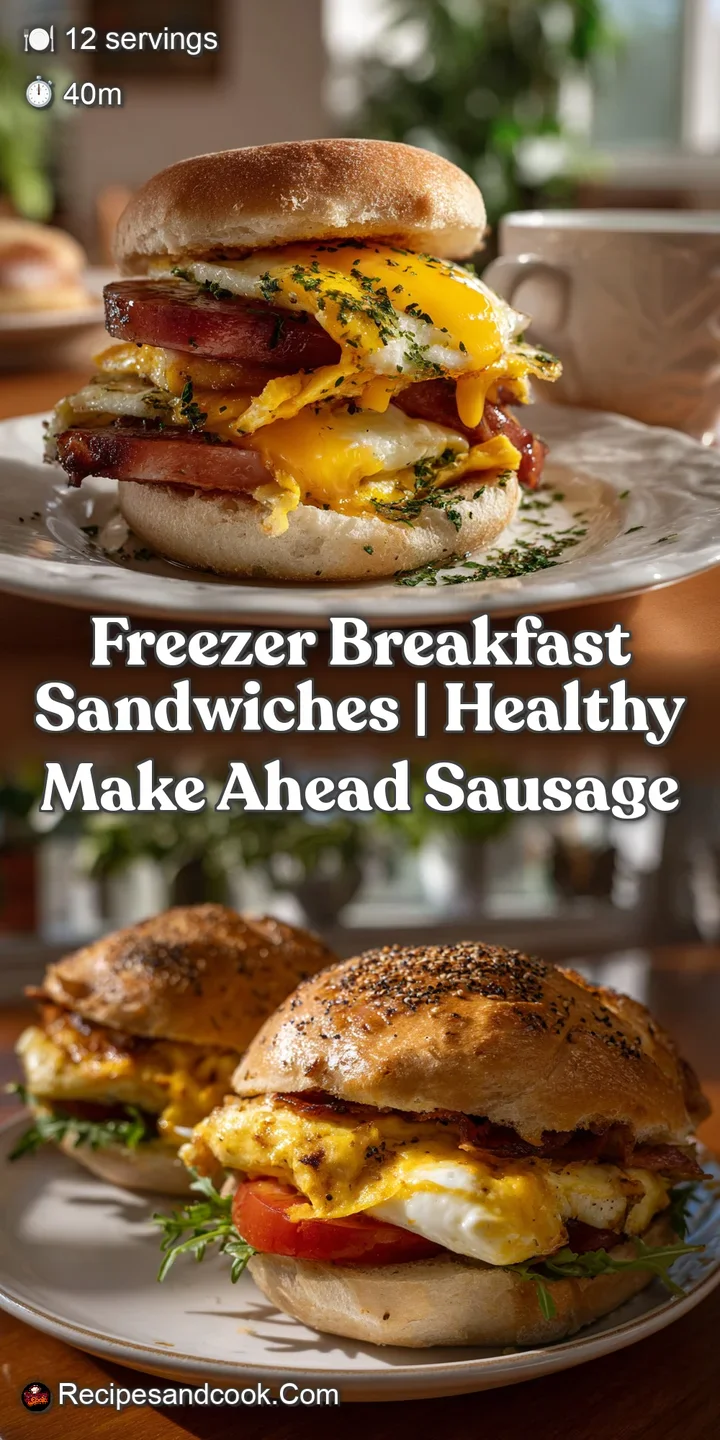
Recipe FAQs
Can I use pre-cooked frozen sausage patties?
Yes, but fully reheat first. Raw sausage releases excessive grease upon microwave thawing, leading to saturated, soggy bread layers. Ensure patties reach 165°F internally before assembly.
Does the bread get mushy after freezing?
No, provided you use the lipid barrier. Fat from the cheese and lightly toasted bread creates a hydrophobic layer preventing water migration from the egg. Use higher fat bread like brioche or Texas toast for best results.
Is microwave reheating the only reheating option?
Toasting is superior for texture recovery. Microwaves heat water molecules unevenly, causing internal steam buildup which degrades crispness. Oven or air fryer methods restore the outer crust integrity best.
Must I use cheddar cheese?
No, Monterey Jack melts more smoothly. Cheddar's higher moisture content can release steam during reheating, slightly compromising the surrounding bread structure. Monterey Jack offers better melt stability in high heat scenarios.
Can I prep and freeze the sandwiches assembled?
Myth: Separating components before freezing yields better results. Reality: Layering raw egg directly onto bread causes immediate moisture transfer, resulting in a sticky, dense base layer upon thawing.
Freezing fully cooked components separately minimizes structural decay.
Do I need to pre-toast the English muffin halves?
Yes, lightly toasting is crucial. Toasting removes superficial moisture, preventing the muffin from becoming spongy when absorbing residual steam from the hot egg during the freeze/thaw cycle. Aim for barely golden edges, not full crispness.
Should I wrap each sandwich individually before bagging?
Yes, plastic wrap barrier prevents freezer burn. Freezing air exposure causes surface dehydration (sublimation), which degrades flavor and leads to dry spots. Tight wrapping minimizes contact with circulating freezer air.
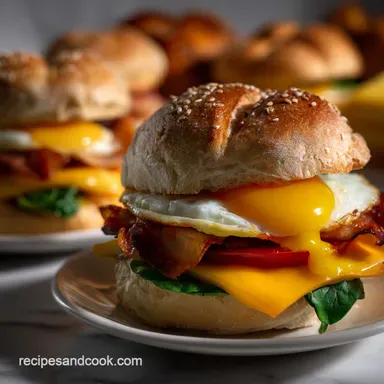
Freezer Breakfast Sandwiches Ready
Ingredients:
Instructions:
Nutrition Facts:
| Calories | 438 kcal |
|---|---|
| Protein | 22.4 g |
| Fat | 26.2 g |
| Carbs | 27.5 g |
| Fiber | 1.8 g |
| Sugar | 2.1 g |
| Sodium | 975 mg |
