Egg Fried Rice with Leftover Rice
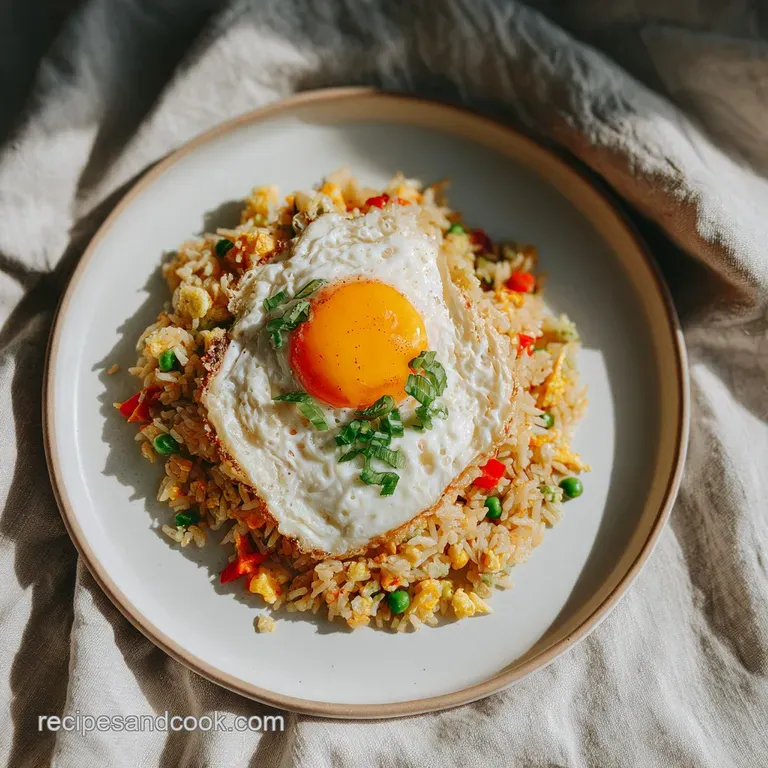
- Time: Active 5 mins, Passive 5 mins, Total 10 mins
- Flavor/Texture Hook: Savory umami with shatteringly crisp edges
- Perfect for: Weeknight dinners and zero waste meal prep
- Mastering Heat and Starch Science
- Mastering Components and Analysis
- Gathering High Quality Pantry Essentials
- Minimal Tools for Best Results
- Executing the Perfect Cooking Process
- Professional Troubleshooting and Success Tips
- Creative Dietary Adaptations and Swaps
- Efficient Storage and Reheating Tips
- Simple Pairings for Better Meals
- Myths Regarding the Stir Fry Process
- Recipe FAQs
- 📝 Recipe Card
Mastering Heat and Starch Science
The Physics of the Grain: When rice cools, the starches undergo a process called retrogradation, where they crystallize and become firm. This prevents the grains from collapsing into a mushy pile when they hit the hot oil.
The Maillard Reaction: High heat triggers a chemical reaction between the amino acids in the soy sauce and the sugars in the rice. This creates that deep, nutty brown color and the complex savory flavor we crave in a classic stir fry.
Emulsification Coating: The fats from the egg yolk and the grapeseed oil act as a barrier, lightly coating each individual grain. This prevents them from sticking together, ensuring every bite has that signature "scatter" texture.
| Method | Time | Texture | Best For |
|---|---|---|---|
| Stovetop Wok | 5 mins | Crispy, smoky, individual grains | Authentic restaurant style results |
| Oven Sheet Pan | 15 mins | Consistently toasted, less oily | Large batches and hands off cooking |
| Electric Skillet | 8 mins | Evenly browned but less "char" | Beginners with limited kitchen tools |
The key to a successful Egg Fried Rice lies in the temperature of your pan. If the pan is too cold, the rice will absorb the oil and become heavy. You want it screaming hot so the moisture evaporates instantly. This is similar to the base technique used in my favorite Flavored Rice Recipe, where we focus on building a strong aromatic foundation before adding the bulk of the grains.
Mastering Components and Analysis
| Ingredient | Science Role | Pro Secret |
|---|---|---|
| Leftover Rice | Structural Base | Use rice that has been refrigerated uncovered for 4 hours to dry the surface. |
| Grapeseed Oil | over High heat Medium | Has a high smoke point (216°C), allowing for intense searing without burning. |
| Large Eggs | Protein/Emulsifier | Scramble them separately first to maintain large, velvety ribbons of yellow. |
| Soy Sauce | Umami Seasoning | Pour it around the edges of the pan so it "caramelizes" before hitting the rice. |
Gathering high-quality Pantry Essentials
- 2 cups leftover Jasmine or Long grain white rice (approx. 316g):Why this? Long grains stay separate and firm compared to sticky short grain varieties.
- Substitute: 2 cups cooked cauliflower rice (squeeze dry first).
- 1 tbsp Grapeseed or Avocado oil:Why this? Neutral flavor with high heat resistance.
- Substitute: Vegetable oil or Peanut oil.
- 3 large Eggs, lightly beaten:Why this? Provides the rich, golden protein base.
- Substitute: Scrambled firm tofu with a pinch of turmeric.
- 2 cloves Garlic, minced:Why this? Adds essential pungent depth.
- Substitute: 1/2 tsp garlic powder.
- 1 tsp Fresh ginger, grated:Why this? Cuts through the fat with a bright, zingy bite.
- Substitute: 1/4 tsp ground ginger.
- 3 Green onions, thinly sliced (whites and greens separated):Why this? Whites provide flavor; greens add a fresh finish.
- Substitute: Chives or very finely diced shallots.
- 1.5 tbsp Low sodium soy sauce:Why this? Seasoning and color without excessive saltiness.
- Substitute: Tamari (for gluten-free) or liquid aminos.
- 1 tsp Toasted sesame oil:Why this? Adds a signature nutty aroma at the very end.
- Substitute: Toasted sesame seeds.
- 1/4 tsp White pepper:Why this? Traditional floral heat that blends invisibly.
- Substitute: Finely ground black pepper.
- 0.5 cup Frozen peas and carrots, steamed:Why this? Classic texture and pops of sweetness.
- Substitute: Diced bell peppers or corn.
Minimal Tools for Best Results
You really don't need a mountain of gadgets for a great Fried Rice with Leftover Rice and Egg. A large, heavy bottomed skillet or a carbon steel wok is the only essential. The goal is surface area; you want the rice to spread out and touch the hot metal rather than steaming in a deep, narrow pot.
Beyond the pan, a sturdy metal spatula (if using a wok) or a wooden turner is vital for breaking up clumps of Leftover Rice and Egg. I also recommend using a small bowl to beat your eggs thoroughly before you even turn on the stove.
Stir frying happens fast, and you won't have time to crack eggs once the garlic starts sizzling.
Executing the Perfect Cooking Process
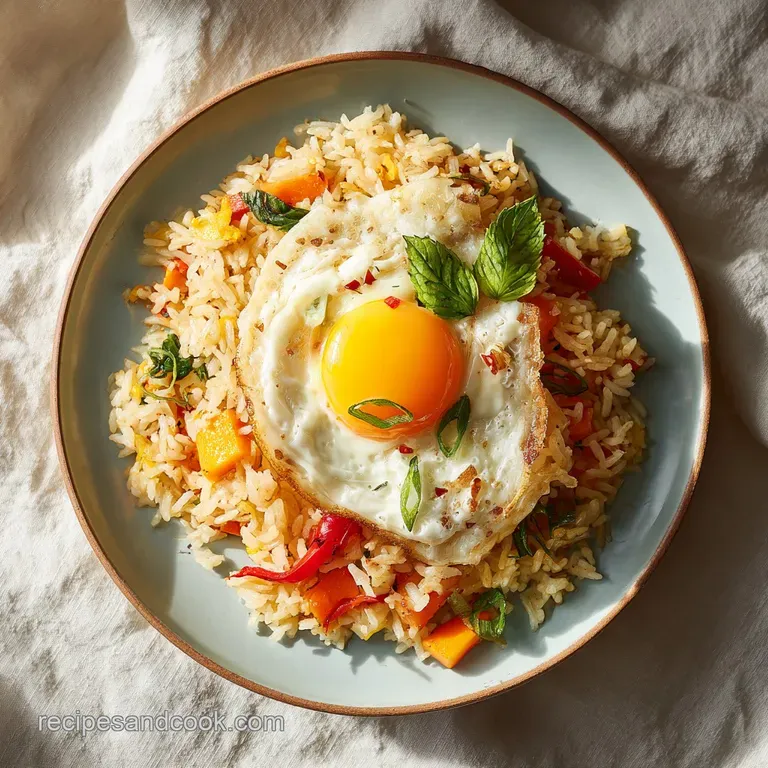
- Break up the 316g of rice. Use damp hands to gently separate the cold grains into a bowl. Note: This ensures even heating and prevents large clumps of white rice.
- Heat the pan. Add 1 tbsp oil to a wok over medium high heat until it shimmers and slightly wisps smoke.
- Cook the eggs. Pour in the beaten eggs. Sizzle for 30 seconds while swirling until soft ribbons form, then remove to a plate. Note: Keeping them slightly underdone ensures they don't get rubbery later.
- Sauté aromatics. Add a splash more oil if needed, then toss in the garlic, ginger, and green onion whites. Cook for 30 seconds until fragrant.
- Toast the rice. Crank the heat to high and add the rice. Fry for 2 minutes while pressing down with your spatula to get a slight char.
- Add vegetables. Fold in the 0.5 cup steamed peas and carrots. Toss until heated through and bright.
- Season the dish. Pour 1.5 tbsp soy sauce around the perimeter of the pan. Stir vigorously as it bubbles and coats every grain.
- Final aromatics. Add the cooked eggs back in, along with 1/4 tsp white pepper. Break up the eggs with your spatula as you mix.
- The finishing touch. Remove from heat and drizzle with 1 tsp toasted sesame oil. Stir in the green onion tops.
- Serve immediately. Transfer to bowls while the steam is still rising and the aroma is at its peak.
Chef's Tip: If your rice feels a bit too dry, don't add more oil. Instead, add a single tablespoon of water or broth and cover the pan for 30 seconds. The steam will revive the grain's interior without making the exterior greasy.
Professional Troubleshooting and Success Tips
Causes of Mushy Grains
The most common heartbreak in making Rice with Leftover Rice and Egg is a soggy, clumpy texture. This usually happens because the rice was too fresh or the pan was overcrowded. When grains are warm and moist, they release starch that turns into glue.
Always use rice that has spent at least a night in the fridge to ensure the surface is bone dry.
| Problem | Root Cause | Solution |
|---|---|---|
| Rice is sticking to pan | Pan not hot enough or not seasoned | Preheat pan for 3 mins; use a high smoke point oil. |
| Dish tastes too salty | Excessive soy sauce or salty rice | Use low sodium soy sauce; add a pinch of sugar to balance. |
| Eggs are dry and tough | Overcooked during the first stage | Remove eggs when 80% done; they finish in the residual heat. |
Common Mistakes Checklist
- ✓ Never use freshly boiled rice; the steam will make the dish mushy.
- ✓ Pat the frozen vegetables dry after steaming to avoid adding excess water.
- ✓ Work in small batches if your burner isn't powerful; don't smother the heat.
- ✓ Add the sesame oil only at the very end to preserve its delicate aroma.
- ✓ Use a wide skillet to maximize the contact between the rice and the heat.
Creative Dietary Adaptations and Swaps
For those looking to lighten things up, you can easily tweak this Rice with Leftover Rice and Egg. Swapping half the rice for finely chopped cabbage or extra peas increases the fiber while keeping that comforting mouthfeel.
If you are watching your sodium, a splash of coconut aminos offers a similar depth to soy sauce but with a much lower salt profile.
Precision Checkpoints
- Rice Weight: Use exactly 316g (about 2 cups) to maintain the perfect ratio with 3 eggs.
- Searing Time: Ensure the rice "pops" in the pan for at least 120 seconds for that nutty toasted flavor.
- Temperature: Your pan should reach approximately 200°C before the aromatics hit the oil.
| Original Ingredient | Substitute | Why It Works |
|---|---|---|
| White Rice | Brown Rice | Nutrier, chewier texture. Note: Requires slightly more soy sauce for flavor. |
| Soy Sauce | Liquid Aminos | gluten-free and lower sodium. Note: Slightly sweeter than traditional soy. |
| Grapeseed Oil | Butter | Adds a rich, French style finish. Note: Lower smoke point; watch for burning. |
If you want a truly luxurious version, consider the logic behind a Hainan Chicken Rice Recipe. While that dish focuses on poaching, the way the fat coats the grain is a great lesson in flavor distribution that applies perfectly to our quick stir fry.
Efficient Storage and Reheating Tips
Properly storing your with Leftover Rice and Egg is vital for safety and flavor. Once cooled, place it in an airtight container and keep it in the fridge for up to 3 days. Because rice can harbor bacteria if left at room temperature, get it into the fridge within an hour of cooking.
For zero waste, those leftover green onion roots can be placed in a jar of water on your windowsill to regrow!
Freezing is also an option. Spread the Leftover Rice and Egg on a baking sheet to freeze individually before transferring to a bag; this prevents it from becoming a solid block. It will stay fresh for about 2 months.
When reheating, a quick 2 minute toss in a hot skillet with a teaspoon of water is far superior to the microwave, as it restores that vital "sizzle" and prevents the eggs from becoming rubbery.
Simple Pairings for Better Meals
- Protein Punch: Serve alongside crispy garlic shrimp or sliced marinated steak.
- Fresh Balance: A simple smashed cucumber salad with rice vinegar cuts through the richness.
- Spicy Kick: Top with a generous scoop of chili crisp or a drizzle of sriracha.
Decision Shortcut If you want crispy grains, use 2 day old rice that has been stored uncovered. If you want it spicy, fold in 1 tsp of red pepper flakes with the garlic. If you want it richer, whisk a teaspoon of oyster sauce into your soy sauce mixture.
Myths Regarding the Stir Fry Process
One common myth is that you must have a high powered professional wok burner to get "wok hei" or the breath of the wok. In reality, you can achieve a fantastic sear on a standard home stove simply by not moving the rice for the first 60 seconds it hits the pan. Let it develop a crust!
Another misconception is that adding more oil will stop the rice from sticking. Actually, sticking is usually a result of the pan's surface temperature dropping. Adding more oil often just results in a greasy mouthfeel. Focus on the heat, not the fat, and you will find the results are much lighter and more vibrant.
Finally, some think that you can only make this with Leftover Rice and Egg. While day old rice is the gold standard, you can use fresh rice if you spread it out on a tray and blast it with a fan for 20 minutes to evaporate the surface moisture.
It is a handy shortcut when the craving hits but the fridge is empty! This dish remains a traditional staple because it is forgiving, fast, and always hits the spot.
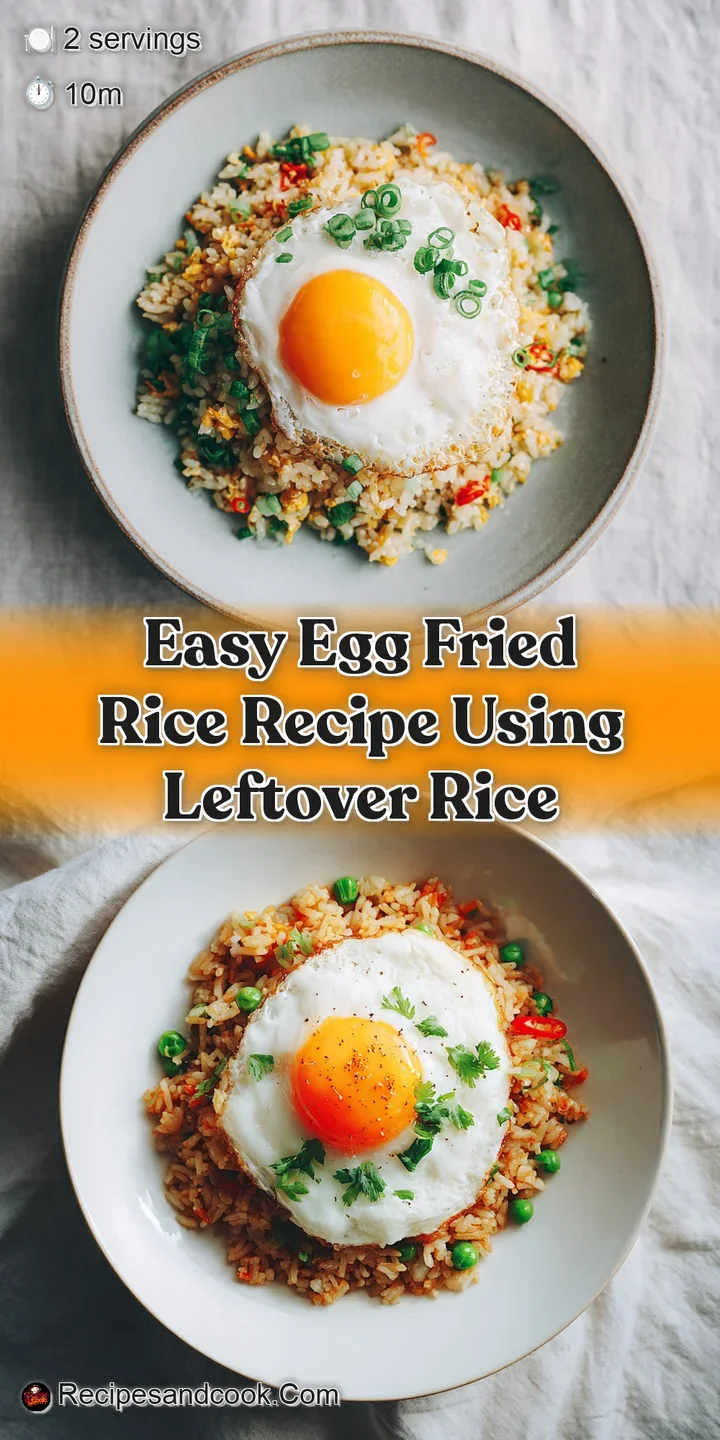
Recipe FAQs
Can you make egg fried rice with leftover rice?
Yes, absolutely. Leftover, cold rice is actually the only correct choice for authentic fried rice texture.
Can you make crispy rice with leftover rice?
Yes, using leftover rice is the key to crispiness. The refrigeration process dries out the surface starch, allowing the grains to toast and separate instead of steaming in the hot oil.
Do you put egg before or after rice for fried rice?
Cook the egg first and remove it. Scramble the eggs until barely set, remove them to a plate, and add them back only at the very end so they remain velvety ribbons, not dry flakes.
Are you supposed to use leftover rice for fried rice?
Yes, day-old refrigerated rice is essential for this dish. Freshly cooked rice releases too much moisture and turns the final product into mushy porridge.
How do you prevent egg fried rice from becoming oily?
Use a screaming hot wok or skillet and do not overcrowd it. High heat instantly evaporates moisture, preventing the rice from soaking up excess oil while cooking.
Is it true that using Jasmine rice yields better results than standard long grain?
No, that’s a common misconception regarding standard grains. Both long grain white rice and Jasmine rice work well as long as they are thoroughly chilled, but Jasmine provides a slightly more fragrant result.
How can I add more protein to my egg fried rice without adding more eggs?
Stir in pre-cooked, diced proteins like chicken or shrimp at the end. If you are looking for a way to utilize leftover cooked poultry, check out our guide on maximizing texture in our Chicken in Air recipe.
Egg Fried Rice In 10 Minutes
Ingredients:
Instructions:
Nutrition Facts:
| Calories | 437 kcal |
|---|---|
| Protein | 16.0 g |
| Fat | 16.9 g |
| Carbs | 51.3 g |
| Fiber | 2.1 g |
| Sugar | 1.8 g |
| Sodium | 512 mg |
