Easy Salmon Marinade
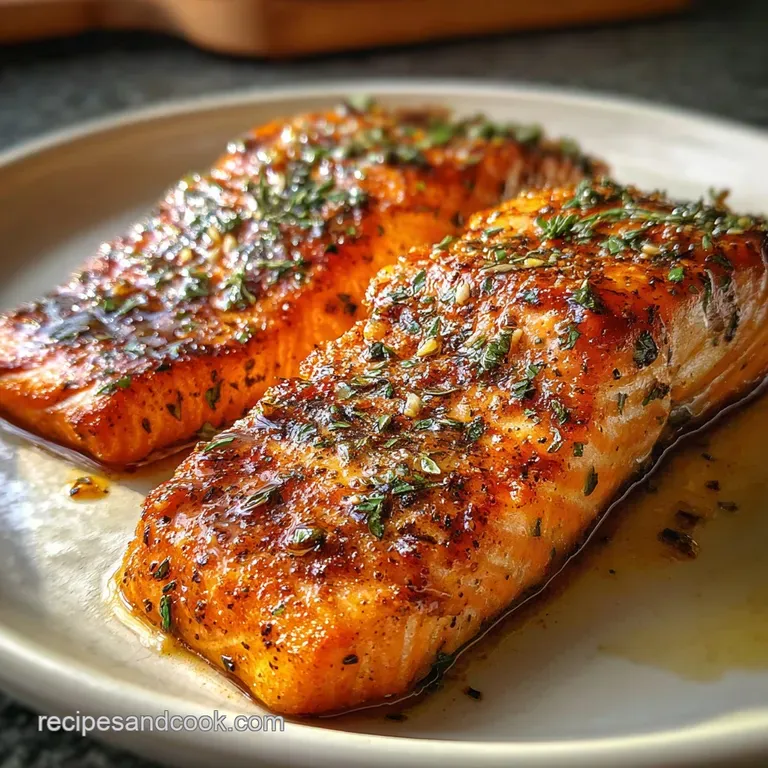
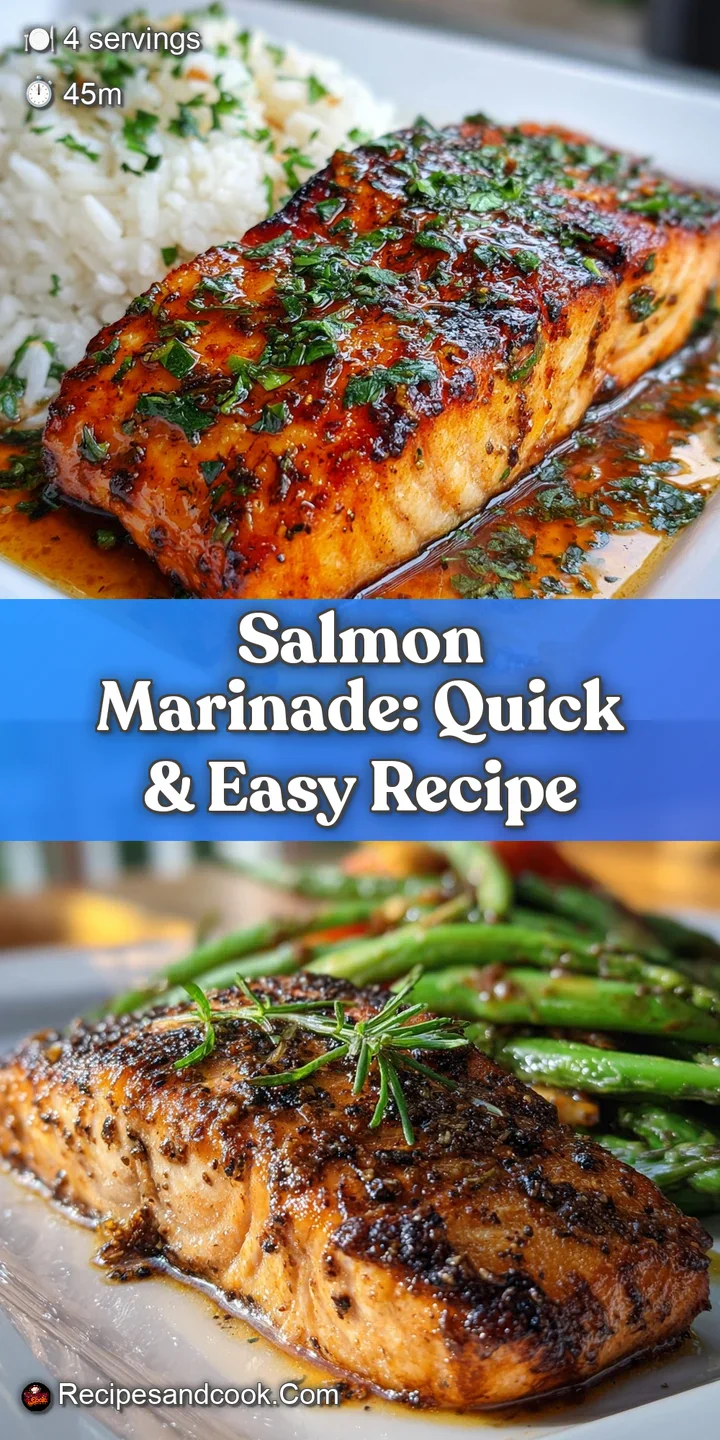
- Time: Active 5 minutes, Passive 30 minutes, Total 45 minutes
- Flavor/Texture Hook: Glistering, sweet savory crust with a buttery, tender interior
- Perfect for: Busy weeknights, nutritious family dinners, or meal prep
The Best 30 Minute Salmon Marinade
Picture this: It's 6:15 PM on a Tuesday. The kids are asking what's for dinner for the fourth time, and you’ve got four fillets of salmon sitting on the counter. You don't want a "project," but you definitely don't want dry, sad fish either. This is exactly where this salmon marinade saves the day.
I remember the first time I nailed this balance; the house filled with the aroma of toasted ginger and garlic, and even my pickiest eater asked for seconds.
We’ve all been there where we try to get fancy with twenty ingredients, only to realize that a few hard working staples do the job better. This recipe isn't about being showstopping or authentic to a specific cuisine; it’s about what works in a real kitchen when time is tight but nutrition matters.
It creates a silky, mahogany finish on the fish that makes it look like you spent hours prepping when you actually just whisked a few things in a bowl while the oven preheated.
We are going to focus on using what you likely already have in the cupboard. No expensive oils or rare spices required here. We're talking about a reliable, fast way to get dinner on the table that tastes like a win. Let's get into how these specific ingredients interact to make that salmon melt in-your mouth good.
Why This Marinade Works
- The Osmotic Salt Pull: The soy sauce carries salt deep into the protein fibers, seasoning the fish from the inside out rather than just on the surface.
- Enzymatic Tenderizing: Fresh ginger contains an enzyme called zingibain that gently breaks down connective tissues for a more velvety texture.
- Maillard Reaction Booster: Honey provides the necessary sugars to create a quick, dark char under high heat before the fish overcooks.
- Acidic Brightness: Rice vinegar cuts through the heavy fats of the salmon, keeping the overall flavor profile clean and punchy.
| Method | Time | Texture | Best For |
|---|---|---|---|
| Stovetop Skillet | 8 minutes | Crispy, charred skin | Achieving maximum crust |
| Standard Oven | 12 minutes | Evenly cooked, flaky | Hands off family cooking |
| Air Fryer | 10 minutes | Intense caramelization | Small batches and speed |
When you are deciding which route to take, think about how much attention you can give the stove. If I'm multitasking, the oven is my best friend. If you want that specific "crunch" on the edges, the stovetop is the way to go. This technique is actually very similar to the one I use for my how to cook recipe when I'm working with steelhead, which is a great budget alternative to king salmon.
Component Analysis and Science
| Ingredient | Science Role | Pro Secret |
|---|---|---|
| Soy Sauce | Primary Saline | Use low sodium if you plan to marinate longer than 1 hour |
| Honey | Browning Agent | Microwave for 5 seconds to make it whisk easily |
| Rice Vinegar | pH Balancer | Substitutable with lime juice for a zingier finish |
To get the best results, you need to understand that salmon is a delicate protein. Unlike steak, it doesn't need 24 hours in a bath. In fact, if you leave it too long, the acid in the vinegar will start to "cook" the fish, turning it mushy. 30 minutes is the sweet spot.
It's long enough for the salt to penetrate but short enough that the structure stays firm and flaky.
Ingredients and Budget Substitutes
- 24 oz salmon fillets: 4 individual 6 oz pieces. Why this? Individual fillets cook faster and more evenly than a whole side.
- 1/4 cup soy sauce: Liquid aminos or tamari work too.
- 1/4 cup extra virgin olive oil: Any neutral oil like canola or vegetable oil is a great budget swap.
- 2 tbsp rice vinegar: Apple cider vinegar is a solid, pantry friendly alternative.
- 2 tbsp honey: Brown sugar provides a similar molasses like depth.
- 3 cloves garlic, minced: Fresh is best, but 1/2 tsp garlic powder works in a pinch.
- 1 tsp fresh ginger, grated: Frozen ginger is easier to grate and lasts forever.
- 1/2 tsp black pepper: Coarsely ground adds a nice textural bite.
| Original Ingredient | Substitute | Why It Works |
|---|---|---|
| Rice Vinegar | Apple Cider Vinegar | Similar acidity. Note: Slightly fruitier, less "clean" finish. |
| Honey | Light Brown Sugar | Same sugar content. Note: Adds a hint of caramel flavor. |
| Fresh Ginger | Ground Ginger (1/4 tsp) | Concentrated flavor. Note: Lacks the fresh, spicy "zing" of the root. |
Chef's Tip: If you want to save money, look for "salmon tail pieces" at the grocery store. They are often cheaper per pound and work beautifully with this marinade since they are thinner and soak up flavor even faster.
step-by-step Cooking Guide
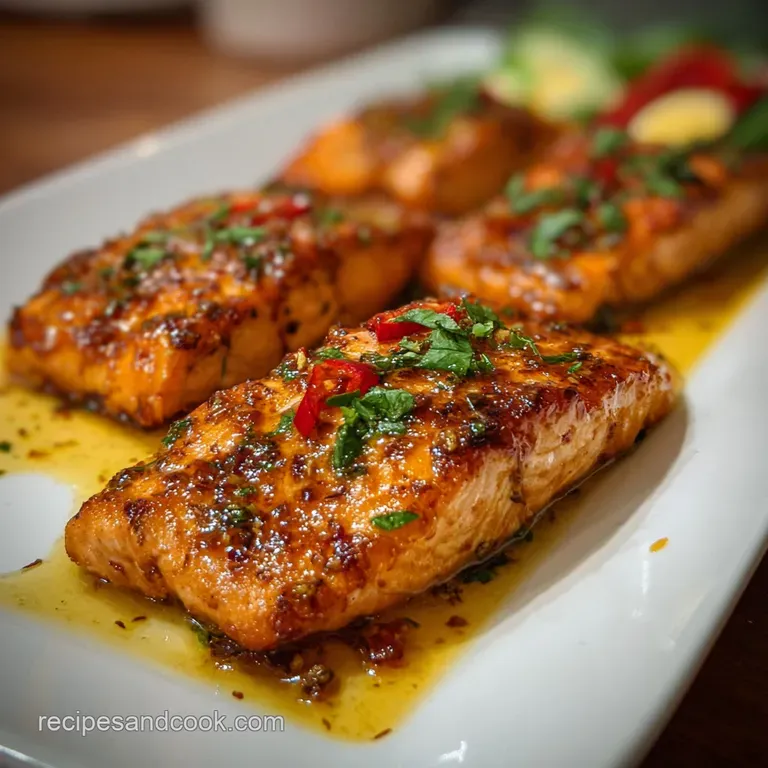
- Whisk the base. Combine the 1/4 cup soy sauce, 1/4 cup olive oil, 2 tbsp rice vinegar, and 2 tbsp honey in a bowl. Note: Whisk until the honey is fully dissolved into the liquids.
- Add aromatics. Stir in the 3 cloves of minced garlic, 1 tsp grated ginger, and 1/2 tsp black pepper.
- Prep the fish. Pat the 24 oz of salmon fillets dry with a paper towel. Note: Removing surface moisture ensures the marinade sticks rather than sliding off.
- Submerge and soak. Place the fillets in a shallow dish or a zip top bag and pour the marinade over.
- Marinate. Let the fish sit at room temperature for 30 minutes. until the flesh looks slightly translucent.
- Preheat the pan. Place a large skillet over medium high heat with a teaspoon of oil.
- Sear. Place fillets skin side up and cook for 4 minutes until a dark, glistering crust forms.
- Flip carefully. Turn the fish over to the skin side.
- Finish cooking. Cook for another 3-4 minutes until the fish flakes easily with a fork.
- Rest. Remove from heat and let sit for 2 minutes before serving.
While the salmon is resting, I usually throw some greens together or get a side of grains ready. This dish is fantastic when served alongside a hearty Cheesy Rice recipe because the creamy texture of the rice balances the salty sweet glaze of the fish perfectly.
Solving Common Salmon Problems
To Prevent the "Mushy Fish" Syndrome
If your salmon feels soft or disintegrates when you touch it, you've likely left it in the marinade too long. The acid in the vinegar starts breaking down the protein structure. Next time, stick to a strict 30 minute timer.
If you’re running late, just pull the fillets out of the liquid and set them on a plate until you're ready to cook.
For a Perfect Mahogany Glaze
Sometimes the marinade slides right off and pools in the bottom of the pan. This happens if the pan isn't hot enough or if the fish was too wet. Make sure that skillet is shimmering before the fish hits the surface. You want to hear a loud sizzle the moment of contact.
| Problem | Root Cause | Solution |
|---|---|---|
| White Gunk on Top | Overcooked | Pull fish at 135°F; carryover heat will reach 145°F |
| Skin Sticking | Pan too cold | Heat pan for 3 full minutes before adding oil |
| Burnt Garlic | Heat too high | Mince garlic finer or use garlic powder for over high heat searing |
Common Mistakes Checklist
- ✓ Pat the salmon completely dry before marinating so the oil can actually coat the surface.
- ✓ Don't discard the extra marinade; simmer it in a small saucepan for 5 minutes to create a thick sauce.
- ✓ Use a fish spatula (the thin, flexible kind) to flip the fillets without breaking them.
- ✓ Check the internal temperature at the thickest part; 145°F is the goal for safety and moisture.
- ✓ Never put cold fish directly into a screaming hot pan; let it take the chill off for 10 minutes first.
Scaling for Different Crowds
If you are cooking for a larger family or a small dinner party, scaling this recipe is straightforward. For 8 people (48 oz of salmon), double all the ingredients exactly. However, don't just dump all 8 fillets into one pan.
You’ll crowd the skillet, which drops the temperature and steams the fish instead of searing it. Work in two batches, or switch to the oven method and use two large sheet pans.
When scaling down for one or two people, you can actually keep the marinade measurements the same. Having extra marinade is never a bad thing you can use it to flavor the veggies you roast alongside the fish.
Just remember that smaller, thinner fillets (like the tail portion) will cook much faster, usually in about 6 total minutes.
Kitchen Myths and Realities
There is a huge myth that you need to "seal in the juices" by searing the fish. Science tells us that searing doesn't actually create a moisture barrier; it creates flavor through the Maillard reaction. The moisture stays inside because you don't overcook the internal fibers, not because of the crust.
Another common misconception is that you should always cook salmon skin side down first. While that's great for crispy skin, if you want a beautiful glazed top, starting skin side up lets the honey and soy sauce caramelize directly against the heat of the pan first.
It gives you that "wow" factor when you flip it over to finish.
Storage and Zero Waste
Storage: You can keep cooked salmon in an airtight container in the fridge for up to 3 days. When reheating, do it gently in a pan over low heat with a splash of water and a lid. Microwaving salmon is a recipe for rubbery fish and a smelly kitchen avoid it if you can!
Freezing: I don't recommend freezing the salmon once it’s been marinated and cooked, as the texture suffers. However, you can freeze raw salmon in the marinade. It will marinate as it thaws in the fridge the next day, which is a massive time saver for meal planning.
Zero Waste: If you have leftover flakes of salmon, don't throw them out! They are incredible tossed into a cold salad the next day. This salmon pairs beautifully with a Costco Quinoa Salad recipe — the acidity in the salad's dressing wakes up the cold fish and makes for a fast, nutritious lunch. You can also use the leftover skin (if you aren't a fan of eating it) to flavor a quick seafood stock for future soups.
Recipe FAQs
What's the best thing to marinate salmon in?
A balanced blend of salty, sweet, and acidic. For salmon, soy sauce or tamari for salt, honey or brown sugar for sweetness, and rice vinegar or lime juice for acid create a flavorful base that also helps tenderize the fish.
What are the three main ingredients when marinating salmon?
Salt, sugar, and acid are key. Soy sauce provides saltiness and umami, honey or sugar aids browning and sweetness, and vinegar or citrus juice balances the richness and tenderizes.
How long should salmon marinate?
Aim for 30 minutes at room temperature. This is enough time for the flavors to penetrate without the acid from ingredients like vinegar or citrus breaking down the salmon's delicate protein too much.
What are common mistakes when marinating salmon?
Over marinating and not drying the fish are common errors. Leaving salmon in a marinade too long can make it mushy, and failing to pat it dry before cooking prevents the marinade from properly adhering and caramelizing.
Can I marinate salmon for too long?
Yes, absolutely. Acidic marinades, like those containing vinegar or citrus, can chemically "cook" the salmon and turn its texture mushy if left for extended periods, often beyond an hour.
Should I pat salmon dry before marinating?
Yes, pat it dry before cooking, not necessarily before marinating. While you want dry fish for searing, the marinade itself needs a surface to cling to. After marinating, patting it dry before it hits the hot pan is crucial for browning.
What's a simple, quick salmon marinade?
Whisk soy sauce, honey, and rice vinegar. A basic ratio of 2 parts soy sauce, 1 part honey, and 1 part rice vinegar, with a bit of minced garlic and ginger, makes a delicious and fast marinade.
Easy Salmon Marinade
Ingredients:
Instructions:
Nutrition Facts:
| Calories | 398 kcal |
|---|---|
| Protein | 34.5 g |
| Fat | 26.2 g |
| Carbs | 4.1 g |
| Fiber | 0.1 g |
| Sugar | 3.2 g |
| Sodium | 560 mg |
