Mock Hollandaise Sauce: Silky and Simple
- Time: Active 2 minutes, Passive 3 minutes, Total 5 minutes
- Flavor/Texture Hook: Velvety, buttery, and zip bright with a glossy finish
- Perfect for: Stress free Sunday brunch or a quick weeknight vegetable topper
- Sunday Brunch Made Simple With This Mock Hollandaise Sauce Recipe
- The Secret Behind Why This Easy Sauce Stays Creamy
- Deep Dive Into the Simple Pantry Staples You Will Need
- Essential Tools for Getting a Silky Smooth Sauce Consistency
- Bringing it All Together for the Ultimate Comfort Food Topping
- Navigating Common Mistakes and Fixing Your Texture Troubles Fast
- Clever Ways to Swap Ingredients and Customize Your Sauce Flavor
- Simple Guidelines for Keeping Your Leftover Sauce Fresh and Tasty
- Mouthwatering Ways to Use This Velvety Golden Sauce Today
- Recipe FAQs
- 📝 Recipe Card
Sunday Brunch Made Simple With This Mock Hollandaise Sauce Recipe
The first time I encountered the concept of a "mock" sauce, I was sitting in my grandmother’s wood paneled kitchen, watching her prep for a family brunch. There was no frantic whisking over a double boiler, no panicked checking of temperatures, and certainly no discarded, curdled eggs in the trash.
Instead, there was just the gentle hum of her radio and the rhythmic clink of a fork against a glass bowl. She called it her "cheater's secret," a recipe born out of the mid century American obsession with efficiency and pantry staples.
This version of the classic French mother sauce isn't about cutting corners on flavor; it’s about honoring the tradition of making luxury accessible. In the culinary world, Hollandaise is often seen as the final boss of sauces temperamental, fragile, and prone to breaking if you so much as look at it wrong.
But by leaning into the stability of high-quality mayonnaise and sour cream, we capture that same lemony, buttery essence without the heartbreak. It’s a nostalgic nod to those Sunday mornings where the goal wasn't a Michelin star, but a warm plate of eggs shared with people you love.
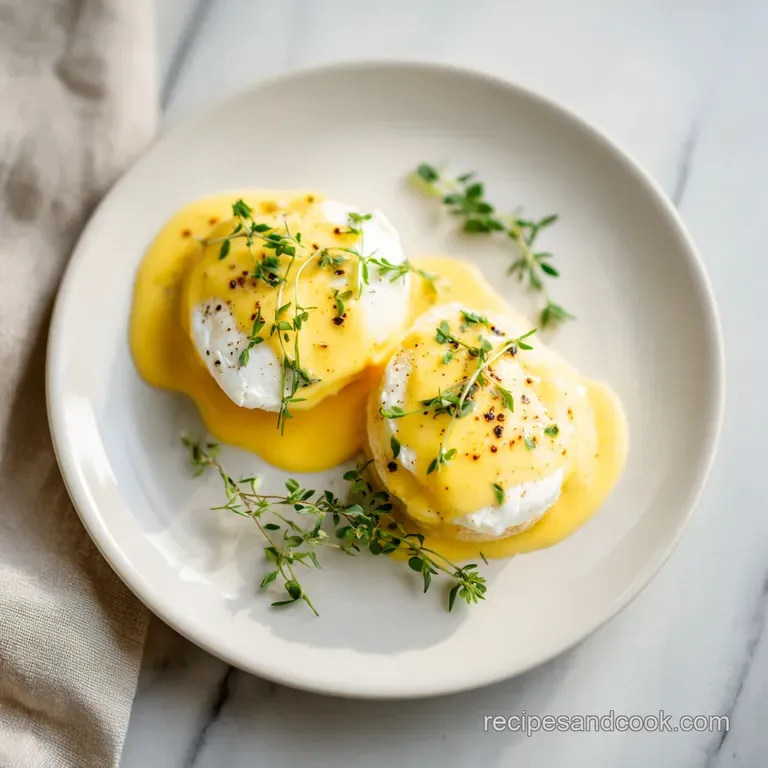
When you pour this over a stack of toasted English muffins, the way it coats the back of a spoon is truly satisfying. It has that characteristic pale sun glow color and a tang that cuts right through the richness of a poached egg.
We’re going to walk through how to get that signature velvety texture using my favorite pantry shortcuts, making sure you never have to settle for a dry brunch again. Trust me, once you see how stable and glossy this remains on the plate, you'll never go back to the high stress traditional method on a busy morning.
The Secret Behind Why This Easy Sauce Stays Creamy
Understanding why this recipe behaves so much better than the original comes down to the foundation we're building. Instead of starting with raw egg yolks that require precise heat to thicken without scrambling, we use ingredients that have already done the heavy lifting for us.
- Pre Emulsified Stability: Mayonnaise is essentially a permanent emulsion of oil and egg; it provides the structure and "body" that won't break even when reheated.
- Acidic Texture Control: The combination of lemon juice and Dijon mustard doesn't just add flavor; it helps thin the fats to a pourable consistency while keeping the proteins in the sour cream from clumping.
- The Butter Bloom: Adding melted butter at the very end creates a "fat on-fat" layer that gives the sauce its professional, glossy sheen and that unmistakable mouthfeel of a classic hollandaise.
| Method | Time | Texture | Best For |
|---|---|---|---|
| Microwave | 3 minutes | Silky and light | Quick prep, small batches |
| Stovetop | 6 minutes | Slightly thicker | Large groups, precise temp control |
| Double Boiler | 10 minutes | Most traditional | Purists wanting the "warm" feel |
Choosing the microwave method is a total win for most home cooks because it uses indirect, gentle heat. By heating in short bursts, we avoid "cooking" the sauce and instead simply warm it enough to allow the fats to marry beautifully.
This prevents the separation that plagues many beginner cooks when they try to tackle the stovetop version.
Deep Dive Into the Simple Pantry Staples You Will Need
Each component in this mock hollandaise sauce recipe serves a specific purpose in mimicking the complex flavor profile of the French original. We aren't just throwing things together; we are carefully selecting elements that provide fat, acid, and a hint of heat.
| Component | Role | Pro Secret |
|---|---|---|
| Mayonnaise | Structural Base | Use a full fat, high-quality brand for the richest mouthfeel. |
| Sour Cream | Tang & Creaminess | Provides the "dairy" note that balances the oil in the mayo. |
| Lemon Juice | Brightness | Freshly squeezed is non negotiable for that sharp, clean finish. |
| Dijon Mustard | Emulsifier | Acts as a bridge between the fats and liquids while adding depth. |
For the mayonnaise, I always reach for a traditional jar like Hellmann's or Best Foods. You want something with a neutral but rich profile. If you're feeling adventurous with your flavor profiles, you might find that a Honey Mustard Sauce can offer some inspiration for how mustard and fats play together, though here we want the sharp bite of Dijon rather than sweetness.
The salted butter is the final touch that convinces everyone this came from a fancy bistro. When you melt it, let it sit for a minute so it isn't scorching hot. You want it warm enough to incorporate, but not so hot that it "shocks" the cold mayo and sour cream base.
This gradual temperature blending is what keeps the sauce looking like liquid gold.
Essential Tools for Getting a Silky Smooth Sauce Consistency
You don't need a kitchen full of gadgets to pull this off, but the few things you use do matter. A small microwave safe glass bowl is my go to. Glass distributes heat more evenly than plastic, which can develop "hot spots" that might cause the edges of your sauce to film over or dry out.
A small balloon whisk is also your best friend here. Because we are working with relatively small volumes 1/2 cup of mayonnaise and 1/4 cup of sour cream a giant whisk will just get the sauce stuck inside the wires. You want something nimble that can reach the "corners" of the bowl.
If you don't have a small whisk, a heavy duty dinner fork actually works surprisingly well in a pinch, just like my grandmother used to use.
Finally,, have a small liquid measuring cup ready for the melted butter. The "stream" is important. If you dump all 2 tablespoons of melted butter in at once, you risk a greasy pool sitting on top of your sauce. A slow, steady pour while whisking vigorously is the key to that velvety finish we're after. It's the same principle used when making a Chicken Marsala or any other dish where a fat based sauce needs to stay cohesive and beautiful.
Bringing it All Together for the Ultimate Comfort Food Topping
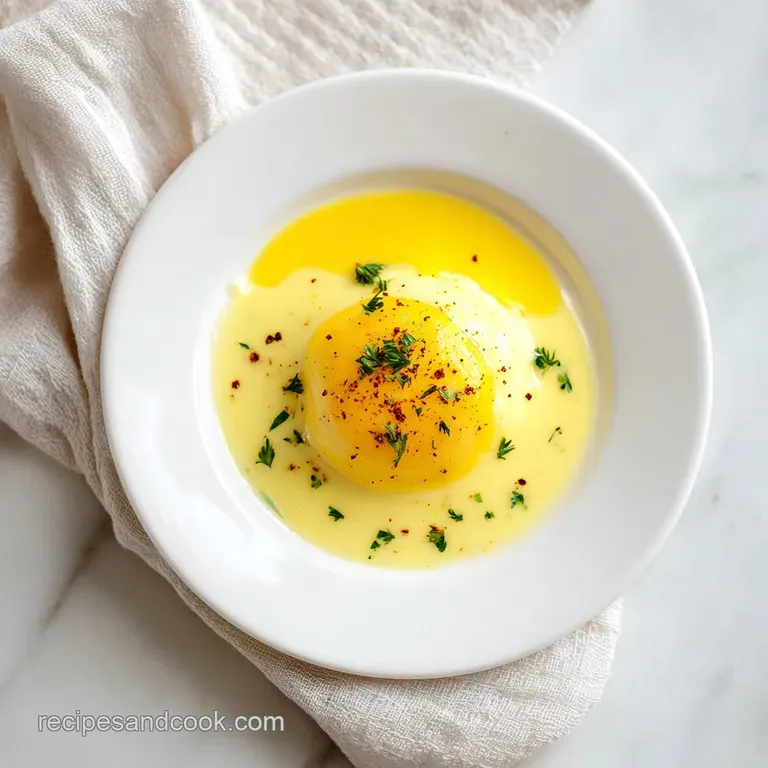
Let's get into the heart of the process. Remember, the total cook time is only 3 minutes, so stay close to the microwave.
- Combine the base. In your glass bowl, whisk together the 1/2 cup mayonnaise, 1/4 cup sour cream, 1 tsp Dijon mustard, and 1/8 tsp cayenne pepper. Whisk until the mixture is uniform and a lovely pale yellow.
- Initial warming. Place the bowl in the microwave. Set it to 50% power. This is crucial full power is too aggressive for these fats.
- The first burst. Heat for 20 seconds. Take it out and whisk thoroughly. Note: This prevents the edges from getting too hot while the center stays cold.
- The second burst. Heat for another 20 seconds. Whisk again. The sauce should start to feel warm to the touch and look slightly more fluid.
- Check the temp. If it's still cold, give it one more 10 second burst. Do not allow it to boil, or the sour cream will lose its smooth texture.
- Add the bright notes. Whisk in the 1 tbsp of lemon juice and 1/8 tsp of salt. You'll see the sauce thin out slightly and take on a glossy look.
- The butter stream. Slowly pour in the 2 tbsp of melted salted butter. Whisk constantly during this step until the sauce becomes glossy and velvety.
- Final adjustments. If the sauce feels too thick to pour, add warm water one teaspoon at a time. Whisk until it flows like heavy cream.
Chef's Note: If you're serving this over hot eggs, the sauce will naturally thin out a bit more once it hits the heat of the food. Don't make it too watery in the bowl!
Navigating Common Mistakes and Fixing Your Texture Troubles Fast
Even with a shortcut recipe, things can occasionally go sideways if the heat gets too high or the whisking is too timid. The most common issue is the sauce "splitting," where you see little beads of oil separating from the creamy base.
This usually happens if you microwaved it on high power instead of the recommended 50%.
Why Your Sauce Might Grain Up
If the sour cream is old or if you heated it too fast, the proteins can tighten up and create a slightly grainy texture. It’s still safe to eat, but it won't have that "shatter smooth" appearance on the plate.
To fix this, you can try whisking in a teaspoon of room temperature sour cream to help re stabilize the mixture.
| Problem | Root Cause | Solution |
|---|---|---|
| Separated/Oily | Added butter too fast or overheated | Whisk in 1 tsp of warm water vigorously to re bind. |
| Too Thick/Glutinous | Cold ingredients or too much mayo | Whisk in more lemon juice or a splash of warm water. |
| Bland Flavor | Not enough acid | Add an extra squeeze of lemon or a pinch more salt. |
The key to a successful mock hollandaise sauce recipe is patience during the warming phase. We are just trying to take the chill off the fridge ingredients, not actually cook them. If you see bubbles forming around the edge of the bowl, you've gone too far!
Common Mistakes Checklist:
- ✓ Always use 50% power on the microwave to avoid curdling the dairy.
- ✓ Whisk between every single heating burst to distribute the warmth.
- ✓ Use fresh lemon juice; bottled juice often has a metallic aftertaste that ruins the sauce.
- ✓ Ensure the melted butter is warm, not boiling hot, when adding it to the base.
- ✓ Stop heating as soon as the sauce is "finger warm" it doesn't need to be steaming.
Clever Ways to Swap Ingredients and Customize Your Sauce Flavor
While the 1/2 cup mayo and 1/4 cup sour cream combo is the gold standard for this "budget smart" version, you can definitely pivot based on what's in your fridge. If you're out of sour cream, plain Greek yogurt is a fantastic substitute.
It provides that same acidic tang and creamy body, though it can be a little more prone to graininess if overheated, so be extra gentle with the microwave.
| Original Ingredient | Substitute | Why It Works |
|---|---|---|
| Sour Cream (1/4 cup) | Greek Yogurt (full fat, 1/4 cup) | Similar acidity. Note: Slightly more protein, may thicken faster. |
| Salted Butter (2 tbsp) | Unsalted Butter + pinch salt | Allows for better control over the final sodium levels. |
| Cayenne Pepper (1/8 tsp) | Smoked Paprika (1/8 tsp) | Provides a mild, earthy warmth without the spicy "zip." |
If you need a Mock Hollandaise Sauce Without Eggs, this recipe is already your best friend! Since mayonnaise does contain eggs, you can simply swap the regular mayo for a vegan, egg free mayonnaise (like Vegenaise).
The stability remains roughly the same, though you might find it needs a tiny bit more lemon juice to cut through the plant based oils.
For a dairy-free Hollandaise Sauce Recipe variation, swap the sour cream for a dairy-free yogurt or extra egg free mayo, and use a melted plant based butter stick or even a light olive oil. The flavor will be more "nutty" than "buttery," but the texture will still be wonderfully pourable.
Simple Guidelines for Keeping Your Leftover Sauce Fresh and Tasty
One of the best things about this version compared to the original is that it actually keeps! Traditional hollandaise is a "make and eat immediately" situation, but because our base is stabilized, it can live in your fridge for a few days.
Storage: Keep any leftover sauce in an airtight container in the refrigerator for up to 3 days. Because of the high fat content, it will firm up quite a bit when cold it might even look like a thick spread. Don't panic!
Reheating: To bring it back to life, do not just blast it in the microwave. Put it back in a glass bowl and heat in 10 second increments at 30-50% power. Whisk after every single burst. If it looks a little stiff, whisk in half a teaspoon of warm water.
It will return to its silky, glossy self in no time.
Zero Waste Tip: If you find yourself with just a tablespoon or two left, don't toss it! This sauce makes an incredible "elevated" spread for a turkey sandwich or a dip for roasted asparagus. You can even stir a spoonful into a potato salad for an extra punch of lemony richness.
Since it already has Dijon and lemon, it acts like a pre seasoned flavor booster for your weekday lunches.
Mouthwatering Ways to Use This Velvety Golden Sauce Today
While Eggs Benedict is the obvious choice, this sauce is a total workhorse for dinner too. It's the "comfort" element that can turn a simple side of steamed broccoli or asparagus into something that feels like it belongs in a French bistro. The way the sauce clings to the tiny florets of broccoli is just...
chef's kiss.
If you want a classic brunch: Toast your English muffins until they have those crispy, brown edges. Top with a slice of Canadian bacon or smoked salmon, a perfectly poached egg (aim for that 3 minute runny yolk!), and a generous ladle of this sauce.
The way the yellow yolk mingles with the buttery sauce is a texture experience like no other.
If you want a vegetable topper: Try it over roasted cauliflower or even a piece of pan seared white fish. The acidity in the lemon juice cuts through the oils of the fish beautifully.
It’s also a timeless companion for artichokes use it as a dipping sauce for the leaves instead of plain melted butter.
- 1. Temperature
- Ensure the sauce never exceeds 120°F (just warm to the touch).
- 2. Timing
- Total microwave time should be under 60 seconds total (in 20s bursts).
- 3. Consistency
- It should coat the back of a spoon and hold its shape for a second before dripping off.
Myth: Mock Sauces Always Taste Like "Fake" Food
Many people believe that using mayonnaise as a base will result in a sauce that just tastes like warm mayo. That’s simply not true here! The addition of the melted butter and the high ratio of lemon juice transforms the flavor profile completely.
By the time you whisk in that butter, the egg and oil flavor of the mayo recedes into the background, leaving you with a rich, velvety topping that satisfies that specific hollandaise craving.
In fact, many restaurants use similar stabilized bases for their high volume brunches because it's the only way to ensure the sauce doesn't "break" halfway through a busy Sunday service.
You're not just taking a shortcut; you're using a smart culinary technique to ensure a consistent, beautiful result every single time you cook. So, grab your whisk, find a glass bowl, and let's make brunch happen!
Recipe FAQs
How to make mock hollandaise?
Whisk together mayonnaise, sour cream, Dijon mustard, and cayenne in a microwave safe bowl. Heat on 50% power in 20-second bursts, whisking in between, then stir in lemon juice and melted butter until glossy.
What is a good substitute for hollandaise sauce?
Yes, this mock version is the ideal substitute. It provides the same tangy, buttery mouthfeel without the risk of the emulsion breaking, much like how the zesty tray bake uses a stable sauce profile to ensure perfect results without complex cooking steps.
How to make cheat hollandaise sauce?
Combine your base ingredients mayonnaise, sour cream, mustard, and cayenne then temper the mixture gently in the microwave. This approach bypasses the traditional double boiler method entirely while maintaining the desired velvety texture.
What is mock hollandaise?
It is a simplified, reliable version of the traditional French sauce. It replaces the raw egg yolks and careful heating required for a standard hollandaise with a stable, pre-emulsified base of mayonnaise and sour cream.
How can I adjust the thickness of the sauce?
Whisk in one teaspoon of warm water at a time until you reach your preferred consistency. Ensure you whisk constantly as you add the water to maintain the glossy, velvety finish of the sauce.
Is it necessary to use a double boiler for this recipe?
No, this is a common misconception. You should use a microwave on 50% power to gently warm the mixture, as the ingredients are already shelf stable and do not require the intense, indirect heat of a double boiler.
How do I prevent the sauce from boiling in the microwave?
Heat the sauce in short, 20-second intervals and whisk thoroughly after every burst. This technique prevents hot spots and keeps the sauce fluid and warm without reaching the boiling point, which would separate the ingredients.
Easy Mock Hollandaise Sauce
Ingredients:
Instructions:
Nutrition Facts:
| Calories | 272 kcal |
|---|---|
| Protein | 0.8g |
| Fat | 30g |
| Carbs | 1.1g |
| Fiber | 0g |
| Sugar | 0.6g |
| Sodium | 311mg |
