Champagne Vinaigrette: Light, Bright Elegant
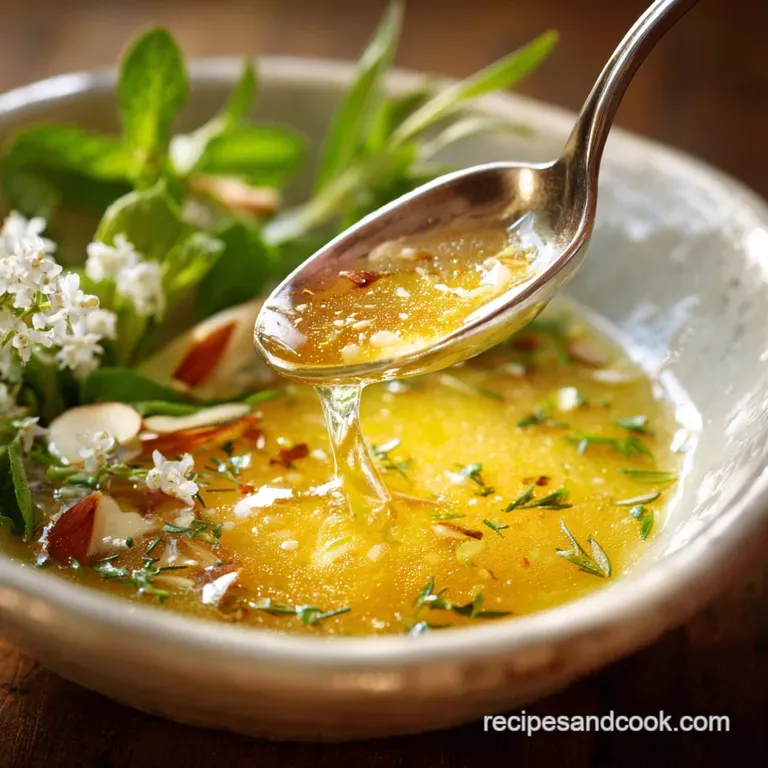
- The Essential Champagne Vinaigrette: Light, Bright, and Effortlessly Elegant
- The Science of Balance: Why Champagne Vinegar Shines
- Pantry Essentials for an Exceptional Dressing
- How to Emulsify the Perfect Vinaigrette (Method)
- Mastering the Technique: Chef’s Tips and Troubleshooting
- Storage Secrets: Keeping Your Dressing Fresh
- Beyond the Salad Bowl: Creative Uses for This Elegant Dressing
- Recipe FAQs
- 📝 Recipe Card
The Essential Champagne Vinaigrette: Light, Bright, and Effortlessly Elegant
This isn't just salad dressing; it’s kitchen alchemy. When I make a batch of Champagne Vinaigrette , the light, clean aroma instantly makes the whole house feel fancier, seriously. It’s got that beautiful, subtle zing that elevates delicate greens without tasting aggressively sharp.
You'll notice a silky mouthfeel and a delicate balance you just cannot find in a bottle from the grocery store.
You might think making your own French dressing is fussy, but trust me, it’s a total lifesaver. It takes less than ten minutes, uses staples you already have, and costs pennies compared to the boutique bottled stuff.
Plus, once you master this basic emulsion, you unlock a whole world of homemade sauces, which is truly empowering.
Right, enough chitchat. This Easy Champagne Vinaigrette is the ultimate recipe for versatility and elegance. Ditch the store-bought stuff forever; let's crack on and make something genuinely spectacular.
The Science of Balance: Why Champagne Vinegar Shines
I’ve messed up so many dressings by using vinegars that were just too harsh and overwhelming. Champagne Vinaigrette works because the vinegar has this beautiful, subtle floral note.
It’s significantly softer than regular red wine or cider vinegar, which means you get that crucial lift without the aggressive burn. This recipe also hinges on Dijon mustard, which acts like kitchen glue, ensuring a perfectly stable emulsion every time.
Introduction Detail 1
The classic 3:1 oil-to-acid ratio is a great starting point, but I actually prefer a slightly higher ratio of vinegar here. Trust me, the extra pop keeps things vibrant, especially when pairing the Best Champagne Vinaigrette Recipe with slightly bitter greens.
It stops everything from feeling heavy or overly oily.
Introduction Detail 2
I once foolishly decided to skip the shallot, thinking it was just extra prep work, but that was a huge mistake. Mincing that little aromatic super finely adds a necessary sweetness and depth, grounding the brightness of the vinegar.
Don't skip the shallot; it makes the difference between a good dressing and the Classic Champagne Vinaigrette .
Pantry Essentials for an Exceptional Dressing
For such a simple recipe, the quality of your ingredients makes a massive impact. This is where you need to splurge slightly on the vinegar and ensure your olive oil isn't something destined for frying. Use fresh spices, too!
Ingredients Detail 1
Quality matters here, obviously. You don't need the absolute fanciest bottle of olive oil, but avoid the really bitter stuff that tastes like grass clippings. The oil should support the delicate vinegar, not drown it out with pepperiness.
| Ingredient | My Recommendation | Quick Substitution |
|---|---|---|
| Champagne Vinegar | high-quality, clear colour | White Wine Vinegar or Sherry Vinegar |
| Olive Oil | Light, fruity EVOO | Grapeseed Oil or Avocado Oil |
Ingredients Detail 2
Dijon mustard is non-negotiable for texture, binding the oil and acid together into that perfect creamy texture. The sweetener, however, is flexible. I use a tiny dash of runny honey to cut through the sharpness, especially if the vinegar batch is robust.
You are just looking for balance; a pinch of caster sugar works in a pinch, too, making this the ideal Champagne Vinaigrette Ingredients list.
How to Emulsify the Perfect Vinaigrette (Method)
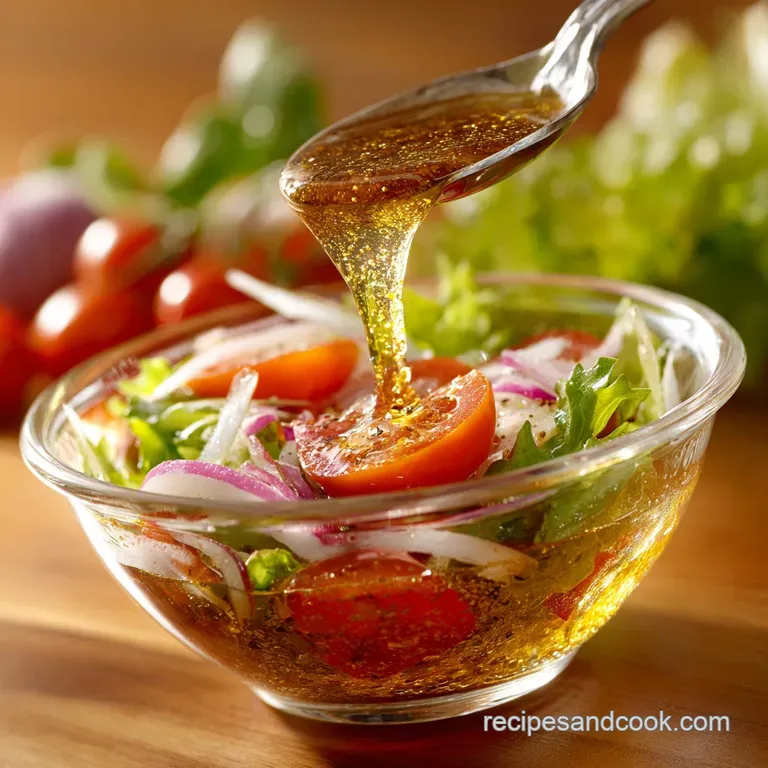
The secret to a beautiful, creamy vinaigrette is speed in whisking and slowness in pouring. We are creating an emulsion, forcing two natural enemies (oil and water) to become friends!
Instructions Detail 1
First, get the shallot minced so fine it practically disappears; we want flavour, not chunks. Whisk the Champagne vinegar, salt, pepper, and Dijon together in a medium bowl until that salt is fully dissolved this is the real secret to great seasoning. If using honey, incorporate it thoroughly now.
Instructions Detail 2
Now for the true kitchen alchemy: the slow stream. If you dump the oil in quickly, the dressing will immediately split, forcing you to start over, which is deeply annoying. Drizzle the oil in literally drop by drop, almost thread like, while whisking vigorously and continuously.
Keep going until the mixture turns pale, thickens slightly, and achieves that beautiful, cloudy look.
Mastering the Technique: Chef’s Tips and Troubleshooting
Chef's Note: If you want a zero fail method, skip the bowl and make the Champagne Vinaigrette Dressing Recipe in a clean jam jar. Add all ingredients, seal tightly, and shake violently for one full minute. The contained chaos is often easier than careful whisking!
One common mistake is trying to whisk cold ingredients. Ensure your oil and vinegar are room temperature ; cold ingredients stiffen the oil and make a stable emulsion almost impossible. That's a fail before you even start!
Another huge mistake is poor seasoning. You must adjust the salt at the end. Always taste your vinaigrette on a leaf of lettuce , not just a spoon, because greens dilute the salt and acid profile. If it tastes perfect on the spoon, it’s probably under seasoned on the salad.
Storage Secrets: Keeping Your Dressing Fresh
This homemade dressing lasts beautifully in the fridge. Pop it in a sealed jar for up to 5 days, easy. It absolutely will separate and solidify slightly when chilled, especially because of the high olive oil content; that’s just science, not spoilage.
Bring it out 15 minutes before serving, give it a serious shake or quick whisk, and it will be perfect again. Do not freeze this. The oil structure changes dramatically and you'll end up with a watery, grainy mess when it thaws.
Beyond the Salad Bowl: Creative Uses for This Elegant Dressing
We often think of vinaigrette only for lettuce, but this specific blend is a powerhouse thanks to the delicate acid profile. It can function in so many ways beyond the side dish.
Additional_Info Detail 1
Try the Light Champagne Vinaigrette as a quick two-hour marinade for delicate fish fillets before grilling, or splash it generously over roasted root vegetables while they’re still steaming hot.
The acid and brightness wakes up everything it touches, adding that crucial final layer of flavour.
Additional_Info Detail 2
I love the brightness of this dressing drizzled over blanched green beans or fresh asparagus spears. It cuts the bitterness of the greens perfectly. Sometimes, I even use it instead of butter when dressing simple, boiled new potatoes it makes for a fantastic and sophisticated potato salad alternative.
Recipe FAQs
How long can I safely store this Champagne Vinaigrette?
Properly stored in an airtight container in the refrigerator, this vinaigrette will last for 5 to 7 days. Always allow it to come slightly closer to room temperature and whisk well before serving, as the olive oil may solidify when chilled.
My vinaigrette separated shortly after whisking. How do I fix this?
Vinaigrettes separate if the oil is added too quickly or if the emulsifier ratio is slightly off. To re-emulsify, add a teaspoon of hot water or Dijon mustard to the bowl and whisk vigorously while slowly drizzling the separated mixture back into itself.
This small amount of extra liquid helps bind the fat and acid together again.
Can I use white wine vinegar or apple cider vinegar instead of Champagne vinegar?
Yes, you can substitute white wine vinegar, but the flavor will be slightly sharper and less floral than the delicate Champagne version. If you opt for apple cider vinegar, which is fruitier, you may want to reduce the added sugar slightly to maintain balance.
What is the best alternative oil if I don't want to use olive oil?
If you prefer a lighter, more neutral flavor profile, grapeseed oil or avocado oil are excellent alternatives. These oils are typically lighter in body than extra virgin olive oil and will allow the Champagne acidity to dominate the flavor.
My dressing tastes too sharp and acidic. How can I mellow it out?
Sharpness means the balance between acid and fat/sweetness needs adjustment. To correct this, slowly whisk in another tablespoon of high-quality olive oil, or add a small pinch of granulated sugar or a drop of honey to counteract the acidity.
Is Dijon mustard truly essential for this recipe?
While you can omit it, Dijon mustard is highly recommended because it contains natural emulsifiers that help the oil and vinegar stay combined longer. Without it, the dressing will separate much faster and require vigorous whisking immediately before serving.
What types of dishes pair best with this light and elegant vinaigrette?
This dressing is ideal for delicate greens like Boston or Butter lettuce, or lighter vegetables such as cucumber and sliced radishes. It also complements bitter greens like frisée well, providing a bright counterpoint to their earthiness.
Easy Champagne Vinaigrette Recipe
Ingredients:
Instructions:
Nutrition Facts:
| Calories | 379 kcal |
|---|---|
| Protein | 0.1 g |
| Fat | 41.6 g |
| Carbs | 1.2 g |
