Crispy Sweet Potatoes with Glass-Like Crust
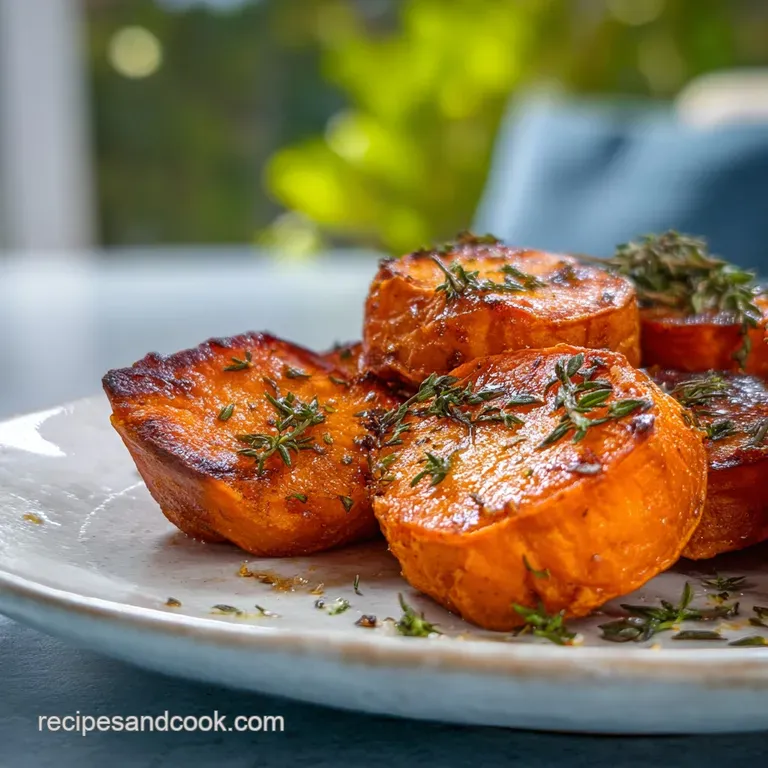
- Time: Active 15 minutes, Passive 35 minutes, Total 50 minutes
- Flavor/Texture Hook: Shatteringly crisp exterior with a velvety, caramelized center
- Perfect for: Timeless family Sunday roasts or cozy holiday side dishes
- How to Make Perfectly Crispy Sweet Potatoes
- Why These Crispy Sweet Potatoes Always Beat Traditional Fries
- Component Analysis for the Best Spud Texture
- Gathering the Elements for These Crispy Sweet Potatoes
- The Few Tools Needed for Crispy Sweet Potatoes
- Steps for Achieving Heavily Caramelized Crispy Sweet Potatoes
- Fixing Common Sogginess Issues with Crispy Sweet Potatoes
- Planning for Larger or Smaller Batches
- Timeless Secrets and Kitchen Myths
- Storage Guidelines and Zero Waste Tips
- How to Plate and Serve Crispy Sweet Potatoes
- Recipe FAQs
- 📝 Recipe Card
How to Make Perfectly Crispy Sweet Potatoes
That first bite of a sweet potato should be a sensory event. You know the one I mean the sound of a fork breaking through a crust that actually crackles, followed by that puff of steam carrying the scent of toasted sugar and smoky paprika.
For years, I struggled with what I call "the mush factor." I would toss my cubes in oil, slide them into a hot oven, and pray for crunch, only to pull out something that looked roasted but felt like wet cardboard. It was frustrating, and honestly, I almost gave up on getting that restaurant quality texture at home.
The breakthrough happened during a particularly rainy Tuesday when I was trying to salvage a batch of Garnet sweet potatoes for a family dinner. I remembered a trick my grandmother used for her traditional roasties boiling them with a pinch of baking soda.
I tried it with the sweets, and the result was nothing short of a miracle. The edges became frayed and starchy, and once they hit the hot oil in the oven, they transformed into something legendary.
This is the comfort food I now bring to every gathering, and it's the only way my kids will eat their vegetables without a single complaint.
We've all been told that sweet potatoes are just naturally "softer" than russets and that we should just accept the limp fries. But I'm here to tell you that's a myth we're leaving behind. By using a few simple shortcuts and understanding how the starches behave, you can create a side dish that rivals any fried potato.
It's about bringing people together over a bowl of something that feels both nostalgic and expertly crafted. Let's get into the details so you never have to settle for a soggy potato again.
Why These Crispy Sweet Potatoes Always Beat Traditional Fries
Alkaline Breakdown: Adding baking soda to the boiling water raises the pH, which breaks down the potato's pectin faster and creates a starchy surface "mash."
Starch Slurry Coating: When you shake the parboiled potatoes, that surface mash dehydrates in the oven, creating a thick, craggy crust that shatters when bitten.
Vapor Release: Boiling first ensures the interior is fully cooked, so the oven time is dedicated purely to moisture evaporation and browning rather than softening the core.
High Smoke Point: Using avocado oil allows for over high heat roasting without the oil breaking down or tasting bitter, ensuring a clean, caramelized finish.
Like the simple prep in my Sweet Roasted Carrots recipe, the magic here is all in the initial treatment of the vegetable before it ever sees the oven.
| Cut Size | Internal Temp | Rest Time | Visual Cue |
|---|---|---|---|
| 1 inch cubes | 205°F | 3 minutes | Deep mahogany edges |
| 1.5 inch chunks | 208°F | 5 minutes | Blistered, matte surface |
| Wedges | 210°F | 4 minutes | Ends look dry and flaky |
Component Analysis for the Best Spud Texture
| Ingredient | Science Role | Pro Secret |
|---|---|---|
| Baking Soda | Pectin Weakener | Don't skip it; it's the key to the "fuzzy" exterior that turns into crunch. |
| Avocado Oil | Heat Conductor | Use a heavy hand; the oil needs to sizzle against the pan to fry the starch. |
| Kosher Salt | Moisture Drawer | Salting the water seasons the potato from the inside out, not just the surface. |
When you are choosing your spuds, look for Garnet or Jewel varieties. They have the highest sugar content which helps with that beautiful browning. If you've tried my Crispy Roasted Sweet Potatoes recipe, you know that the right potato makes all the difference in how the sugars caramelize under high heat.
Gathering the Elements for These Crispy Sweet Potatoes
- 2 lbs Garnet or Jewel sweet potatoes: These are peeled and cut into 1 inch cubes. Why this? They have the best moisture to sugar ratio for a creamy interior.
- Substitute: Beauregard sweet potatoes (similar texture).
- 0.5 teaspoon baking soda: This goes into the boiling water. Why this? It creates the alkaline environment needed to fray the potato edges.
- Substitute: None (this is a chemical requirement for the crust).
- 1 tablespoon kosher salt: For the boiling water. Why this? This is your only chance to season the very center of the cubes.
- Substitute: 2 teaspoons sea salt.
- 0.5 teaspoon kosher salt: For the final seasoning. Why this? Adds a final punch of salinity to balance the natural sweetness.
- Substitute: Smoked sea salt for extra depth.
- 3 tablespoons avocado oil: Or use grapeseed oil. Why this? High smoke point prevents the oil from burning at 425°F.
- Substitute: Ghee (adds a nutty, buttery flavor but check smoke point).
- 1 teaspoon smoked paprika: Provides a rich, red color. Why this? Counteracts the sweetness with a hint of woodsmoke.
- Substitute: Chili powder for a spicy kick.
- 0.5 teaspoon garlic powder: For savory depth. Why this? Powder sticks better to the starchy slurry than fresh garlic.
- Substitute: Onion powder.
- 0.25 teaspoon freshly cracked black pepper: For a mild bite. Why this? Freshly cracked provides more aromatic oils than pre ground.
- Substitute: White pepper for a cleaner look.
The Few Tools Needed for Crispy Sweet Potatoes
You don't need a kitchen full of gadgets for this. A large, rimmed baking sheet is non negotiable-I prefer a heavy gauge half sheet pan because it won't warp in the high heat. You'll also need a large pot for the parboiling step.
A sturdy metal spatula is your best friend here. Plastic ones are too thick to get under the potatoes without breaking that precious crust we’re working so hard to build. If you have a colander, great, but a slotted spoon works just as well for moving the potatoes from the pot to your mixing bowl.
Trust me, keeping it simple with these timeless tools makes the cleanup much easier.
Steps for Achieving Heavily Caramelized Crispy Sweet Potatoes
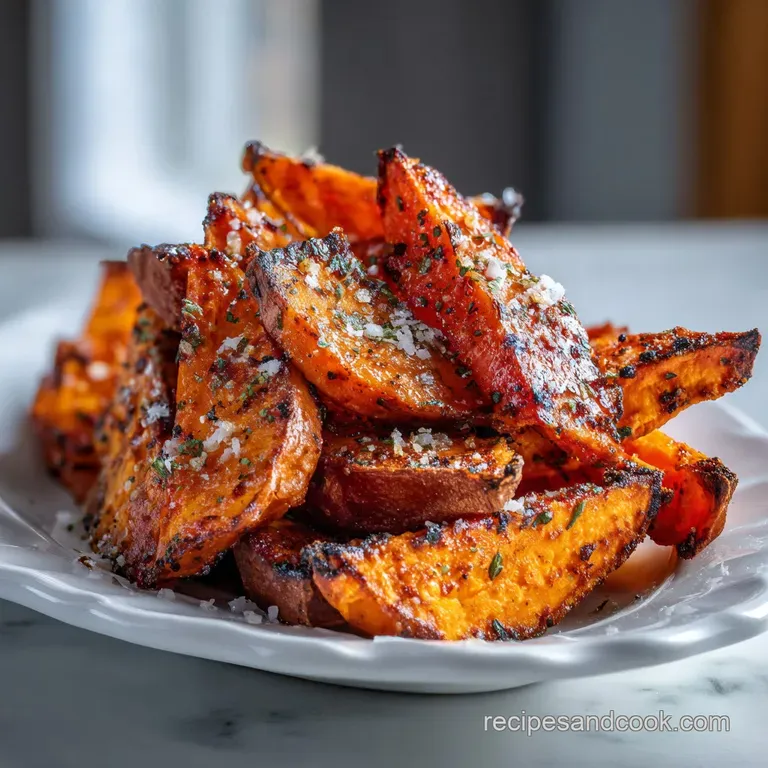
- Prep the oven. Position a rack in the lower third and preheat to 425°F. Note: The lower rack gets more direct heat from the element, helping the bottom crust form.
- Boil the water. Fill a large pot with enough water to cover the potatoes and add 1 tablespoon of kosher salt and the baking soda.
- Parboil the potatoes. Add the 2 lbs of cubed sweet potatoes to the boiling water and cook for 8 to 10 minutes until the outsides are soft but the centers still have a slight bite.
- Drain and dry. Pour the potatoes into a colander and let them sit for 2 minutes until the visible steam subsides significantly.
- Rough them up. Transfer the potatoes back into the dry pot or a large bowl and shake them vigorously for 10 seconds until a thick, pasty coating forms on the edges.
- Infuse the oil. In a small bowl, whisk the 3 tablespoons of avocado oil with the smoked paprika, garlic powder, and black pepper.
- Coat thoroughly. Pour the oil mixture over the potatoes and toss gently until every cube is completely orange and glistening.
- Arrange the pan. Spread the potatoes onto the baking sheet in a single layer. Note: Ensure no potatoes are touching to allow for proper airflow.
- Roast to perfection. Bake for 20 minutes, then flip each cube with a metal spatula.
- Final crisp. Bake for another 10 to 15 minutes until the edges are dark brown and the skins sound hollow when tapped.
Fixing Common Sogginess Issues with Crispy Sweet Potatoes
One of the biggest heartbreaks is pulling a pan out of the oven only to find your "crispy" potatoes are soft and sad. Usually, this comes down to one of two things: overcrowding or a lack of surface starch. If the steam can't escape the pan, the potatoes basically just continue to boil in their own moisture.
Another culprit is the type of oil. If you use an oil with a low smoke point, like extra virgin olive oil, it can start to smoke and break down before the potato actually gets crisp. This leaves you with a greasy, limp result. Always reach for that avocado or grapeseed oil for the best results.
Why are my potatoes soggy?
If your potatoes are soft, they likely steamed instead of roasting. This happens when the pan is too small for the amount of potatoes you're cooking.
| Problem | Root Cause | Solution |
|---|---|---|
| Soft/Limp | Overcrowded Pan | Use two baking sheets or roast in smaller batches. |
| Burnt Edges | Sugar Caramelizing Too Fast | Move the tray to a higher rack for the last 5 minutes. |
| No Crunch | Skipped the Baking Soda | The soda is essential; don't leave it out next time. |
Common Mistakes Checklist
- ✓ Don't skip the parboiling; raw potatoes in the oven will never get this level of crunch.
- ✓ Ensure the potatoes are mostly dry before adding the oil; water is the enemy of crispiness.
- ✓ Use a metal spatula to flip; plastic ones will tear the delicate crust.
- ✓ Give them space; if the cubes touch, they will steam and stay soft.
- ✓ Preheat the baking sheet; sliding the potatoes onto a hot pan gives them an instant head start.
Planning for Larger or Smaller Batches
If you're cooking for a crowd or just for yourself, adjusting this recipe is quite simple. When cutting the recipe in half, you can use a smaller toaster oven pan, but keep the roasting time nearly the same maybe reduce it by 5 minutes.
The smaller volume of potatoes means less steam in the oven, which actually helps them get even crispier. If you need half an egg for a binder (though not used here), just whisk it and measure by tablespoon.
For doubling the recipe, you absolutely must use two separate baking sheets. Do not try to cram 4 lbs of potatoes onto one tray; you'll end up with a pan of mashed potatoes. Rotate the trays halfway through the cooking time top to bottom and front to back to ensure even heat distribution.
I usually find that adding about 10% more oil helps when scaling up to ensure every craggy edge is well lubricated for frying.
| Premium | Budget | Flavor Impact | Savings |
|---|---|---|---|
| Avocado Oil | Grapeseed Oil | Very neutral; works perfectly | Save $4-6 per bottle |
| Smoked Paprika | Liquid Smoke (1 drop) | Adds aroma but less vibrant color | Save $3 per jar |
| Garnet Sweets | Standard Yams | Slightly more fibrous texture | Save $1 per lb |
Timeless Secrets and Kitchen Myths
One of the most common myths is that you should soak sweet potatoes in cold water to "remove the starch." While this works for white potatoes to prevent sticking, for this specific crispy method, we actually want that starch on the surface.
Soaking them actually works against the "fuzzy" texture we create during parboiling. We are essentially creating a self coating batter out of the potato's own starch.
Another myth is that you need cornstarch to get a crunch. While cornstarch works, it often leaves a powdery mouthfeel. The baking soda method is a much more elegant, "pro chef" way to achieve a glass like shatter without adding extra ingredients that mask the natural flavor of the potato.
Trust the science of the alkaline water!
Storage Guidelines and Zero Waste Tips
These are definitely best eaten fresh out of the oven, but life happens. If you have leftovers, store them in an airtight container in the fridge for up to 4 days. Do not microwave them to reheat! A microwave will turn that beautiful crust into a rubbery mess.
Instead, toss them back onto a baking sheet in a 400°F oven for about 8 minutes. They won't be quite as perfect as day one, but they'll be close.
To freeze them, lay the roasted and cooled cubes on a tray in a single layer and freeze until solid, then move them to a freezer bag. They’ll stay good for 3 months. For a zero waste approach, don't throw away those peelings!
Toss the sweet potato skins with a little oil and salt and roast them at the same time as the cubes. They turn into "skin chips" that are incredibly nutritious and the ultimate cook's snack while you wait for the main event.
How to Plate and Serve Crispy Sweet Potatoes
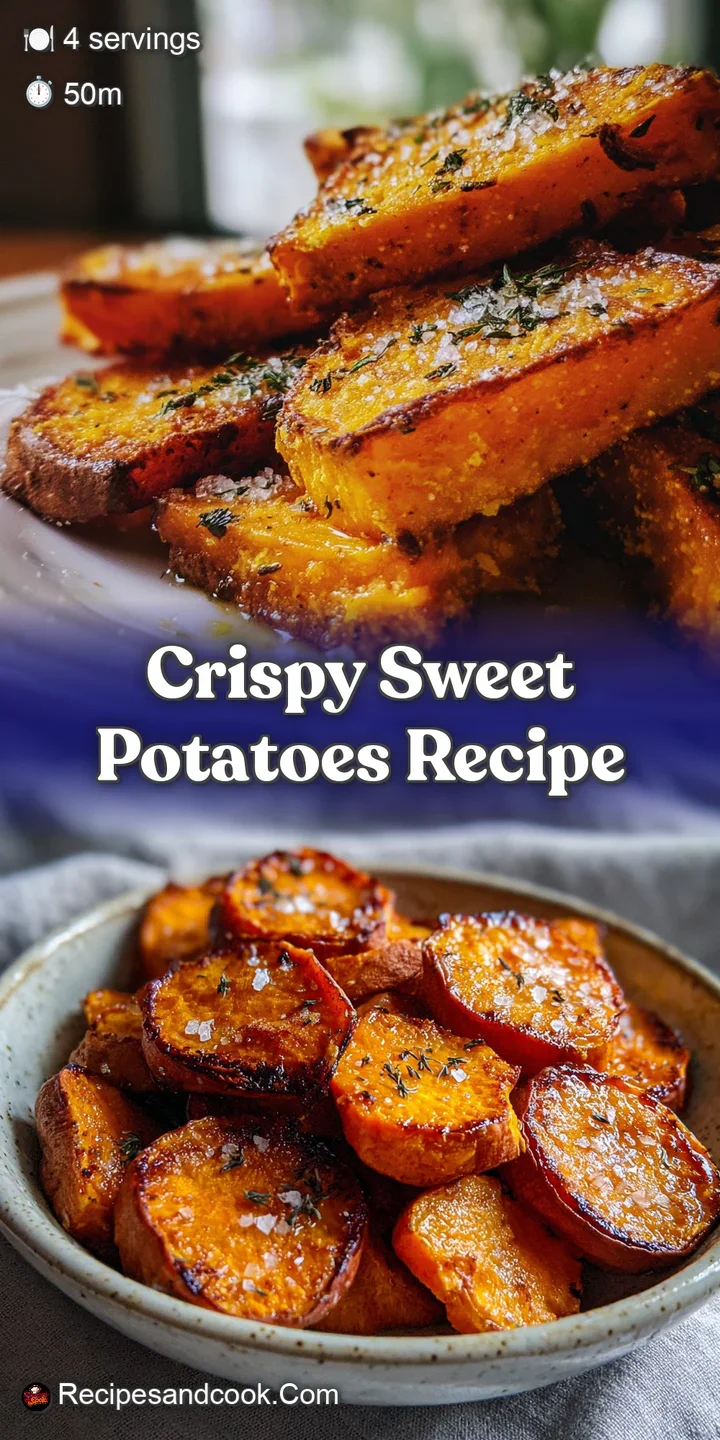
When it comes to presentation, I love serving these in a shallow wooden bowl or a rustic ceramic platter. It keeps the "timeless comfort" vibe alive. Pile them high rather than spreading them thin to keep the heat trapped in the center while the edges stay exposed to the air.
Sprinkle a little extra flaky sea salt or a handful of chopped flat leaf parsley right before serving. The green against the deep orange is stunning. If you're looking for a dipping sauce, a simple garlic aioli or a maple tahini drizzle works beautifully.
These are the kinds of dishes that bring people back to the table for seconds (and thirds), reminding everyone that simple ingredients, handled with a bit of care, are always the best.
Recipe FAQs
How to get sweet potatoes to be crispy?
Parboil them with baking soda, then thoroughly dry the surface. The baking soda raises the pH, which breaks down the surface pectin, allowing the starch to roughen up during shaking, forming the ultra crisp exterior when roasted.
Why are sweet potatoes so hard to get crispy?
They contain significantly more natural sugar and moisture than white potatoes. This high sugar content causes them to caramelize and burn quickly before the high moisture content fully evaporates, resulting in limpness.
What's the secret to crispy sweet potato fries?
Use high heat oil and ensure adequate spacing on the baking sheet. The cubes must be in a single layer so they fry, not steam. If you are working with smaller pieces, mastering temperature control is key, similar to how you manage heat when searing fish in our Rockfish recipe.
What is the secret ingredient for crispy potatoes?
Baking soda is the secret ingredient, not cornstarch. Adding a small amount to the boiling water chemically alters the surface starch layer, which creates the maximum crunch potential during roasting.
Should I boil sweet potatoes before roasting for crispiness?
Yes, boiling is mandatory for the best texture. Parboiling ensures the inside is creamy while the exterior softens enough to be roughed up by shaking, which creates the crust.
What oil should I use for the crispiest sweet potatoes?
Use an oil with a high smoke point, such as avocado or grapeseed oil. Low smoke point oils will break down under the high roasting temperature, resulting in greasy, soggy potatoes instead of a dry, crisp crust.
Can I make these crispy sweet potatoes ahead of time?
Yes, you can successfully parboil and oil them 24 hours in advance. Keep them refrigerated on the baking sheet, but be sure to roast them immediately upon pulling them out to prevent moisture reabsorption before baking.
Crispy Sweet Potatoes Recipe
Ingredients:
Instructions:
Nutrition Facts:
| Calories | 286 kcal |
|---|---|
| Protein | 3.6 g |
| Fat | 10.7 g |
| Carbs | 45.2 g |
| Fiber | 6.8 g |
| Sugar | 9.5 g |
| Sodium | 485 mg |
