Garlic Parmesan Chicken Thighs: Crispy Skin
- Time: Active 10 minutes, Passive 30 minutes, Total 40 minutes
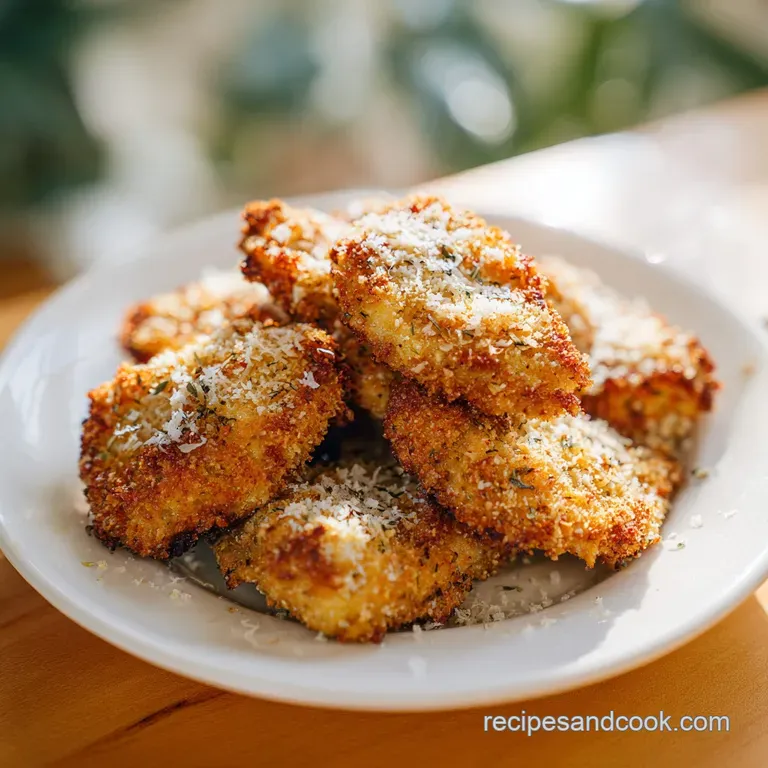
- Flavor/Texture Hook: Shatteringly crispy skin with a velvety, garlic infused butter finish.
- Perfect for: Cozy Sunday family dinners or an impressive but low effort weeknight meal.
- Master the Ultimate Garlic Parmesan Chicken Thighs
- The Science of the Golden Crunch
- Deep Dive Into Our Flavor Components
- Elements Needed for Success
- Essential Gear for Roasting
- Guided Path to Golden Thighs
- Effective Solutions for Roasting Success
- Adjusting the Scale
- Debunking Kitchen Myths
- Preservation and Flavor Upcycling
- Creative Ways to Serve
- Recipe FAQs
- 📝 Recipe Card
Master the Ultimate Garlic Parmesan Chicken Thighs
Remember that time you spent a small fortune on a "gourmet" chicken dinner, only to have it arrive with skin as rubbery as a wet balloon? I do. It was three years ago at a place that should have known better, and honestly, it changed my kitchen habits forever.
I went home and swore I would never settle for limp, soggy skin again. There is something profoundly disappointing about a chicken thigh that doesn't fight back just a little bit when you bite into it.
We’ve all been there, hovering over the oven door, hoping for that golden hue that tells us the skin is finally ready to shatter under a fork. After dozens of trials, ruined sheet pans, and a fair amount of smoke, I found the secret.
It isn't just about the heat; it’s about the layers of seasoning and the way we treat the skin before it even touches the pan. This isn't just another dinner; it’s the result of me failing enough times to finally get the crunch right.
This recipe is designed to be your reliable back pocket win. Whether you are cooking for a partner on a Tuesday or hosting your parents for a traditional Sunday roast, these thighs deliver every single time.
We are talking about deep, nutty Parmesan notes paired with the sharp punch of fresh garlic, all wrapped up in a package that stays moist and tender. You don't need fancy culinary school skills here just a hot oven and the right sequence of steps.
The Science of the Golden Crunch
The Maillard Reaction: High heat triggers a chemical reaction between amino acids and reducing sugars, creating that deep brown color and complex savory flavor.
Moisture Displacement: Salt and open air roasting work together to draw moisture out of the skin, allowing the fat to render and the skin to crisp rather than steam.
Protein Shielding: The grated Parmesan acts as a sacrificial layer that browns quickly, creating a textured crust that protects the meat from drying out.
| Method | Time | Texture | Best For |
|---|---|---|---|
| Standard Oven | 30 minutes | Ultimate shattering crunch | Traditional Sunday dinner |
| Air Fryer | 22 minutes | Intense crispy skin | Quick weeknight cravings |
| Slow Cooker | 6 hours | Fall off-the bone tender | Low effort meal prep |
If you are looking for a different vibe tonight, you might enjoy my How to Cook recipe which uses a similar over high heat method for drumsticks. Both methods rely on that initial blast of heat to set the texture. But for today, we are sticking with the thighs because that extra fat content means we can push the oven temp without fearing the meat will turn into sawdust.
Deep Dive Into Our Flavor Components
| Ingredient | Science Role | Pro Secret |
|---|---|---|
| Grated Parmesan | Crust builder | Use the powdery stuff for better coverage and "grit" |
| Bone in Thighs | Heat conductor | The bone acts as a thermal battery, keeping the interior juicy |
| Smoked Paprika | Color catalyst | It provides a deep red hue that suggests hours of roasting |
| Melted Butter | Fat carrier | Butter carries the garlic flavor deep into the nooks of the skin |
One thing I learned the hard way is that not all cheese is created equal for this dish. While I love a block of expensive Parmigiano Reggiano for pasta, the finely grated, almost sandy texture of standard Parmesan actually works better here.
It creates a more even "sandpaper" effect on the skin, which leads to a more consistent crust.
Elements Needed for Success
- 2 lbs bone in, skin on chicken thighs: Approximately 4-6 thighs. Why this? The skin is vital for the crunch, and the bone ensures juice retention.
- 0.5 cup grated Parmesan cheese: The foundation of our crust. Why this? It provides salt, fat, and a structural crunch when baked.
- 1 tbsp garlic powder: For the base layer. Why this? Powder penetrates the skin better than fresh garlic during the initial roast.
- 1 tsp smoked paprika: For depth and color.
- 1 tsp dried oregano: Traditional herbal note.
- 0.5 tsp kosher salt: Essential for moisture removal.
- 0.5 tsp cracked black pepper: For a subtle bite.
- 3 tbsp unsalted butter, melted: The finishing glaze base.
- 4 cloves fresh garlic, minced: The soul of the dish. Why this? Adding this at the end prevents the garlic from burning and turning bitter.
- 1 tbsp fresh parsley, finely chopped: For a pop of freshness.
- 1 tsp lemon zest: To cut through the heavy fats.
Essential Gear for Roasting
You don't need a kitchen full of gadgets, but a sturdy rimmed baking sheet is non negotiable. I highly recommend using a wire cooling rack set inside that baking sheet. This allows the hot air to circulate under the chicken, preventing the dreaded "soggy bottom" where the meat sits in its own rendered fat.
If you don't have a wire rack, you can thick slice some onions or potatoes and use them as a natural "rack" for the chicken to sit on. This not only lifts the meat but gives you a built in side dish that soaks up all that liquid gold dripping from the thighs.
It's a trick my grandmother used, and honestly, those schmaltz soaked potatoes are sometimes better than the chicken itself.
Guided Path to Golden Thighs
- Prep the oven. Preheat your oven to 220°C (400°F). Note: This high temp is the only way to get that skin truly crispy.
- Dry the protein. Pat the 2 lbs of chicken thighs bone dry with paper towels. Until the skin feels like parchment paper.
- Mix the rub. Combine the 0.5 cup Parmesan, 1 tbsp garlic powder, 1 tsp smoked paprika, 1 tsp oregano, 0.5 tsp salt, and 0.5 tsp pepper in a shallow bowl.
- Coat the thighs. Press each thigh firmly into the cheese mixture. Until every inch of skin is covered in a thick, sandy layer.
- Position for roasting. Place the chicken on a wire rack over a baking sheet, skin side up. Note: Don't let the thighs touch each other or they will steam instead of roast.
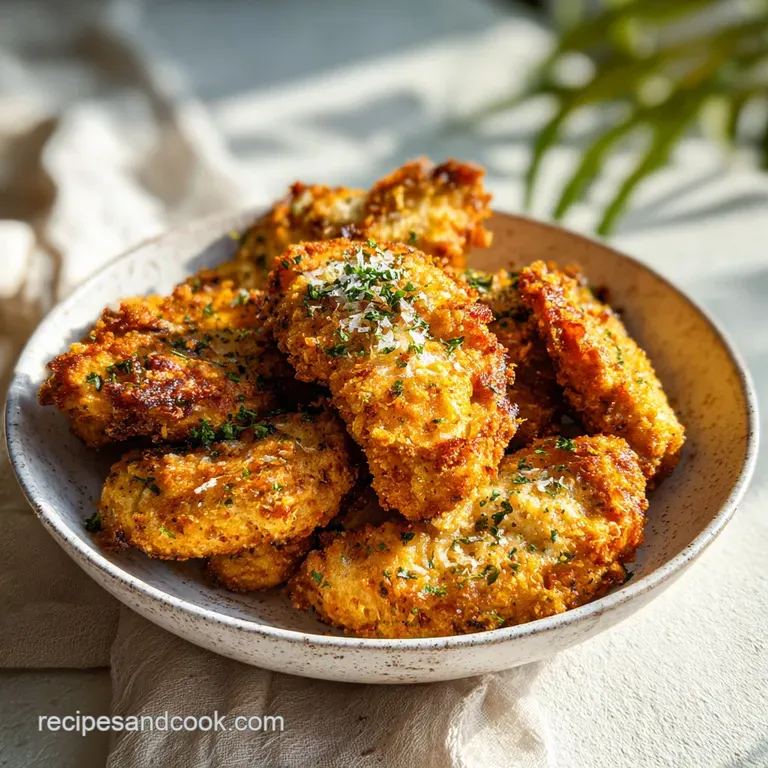
- Roast the chicken. Bake for 25-30 minutes. Until the skin is dark golden and bubbling with a visible sizzle.
- Prepare the gloss. While the chicken roasts, whisk the 3 tbsp melted butter with 4 cloves minced garlic, 1 tbsp parsley, and 1 tsp lemon zest.
- The final infusion. Remove the chicken from the oven and immediately brush the garlic butter over the hot skin. Until the butter melts into the cracks of the crust.
- Rest the meat. Let the chicken sit for 5 minutes. Note: This allows the juices to redistribute so they don't run out when you bite in.
- Serve immediately. Plate the thighs while the skin is at its peak textural performance.
Effective Solutions for Roasting Success
The Mechanics of the Shattering Crust
The biggest hurdle people face is a crust that slides right off the meat. This usually happens because there was too much moisture on the skin before the rub was applied. If you have the time, leave the chicken uncovered in the fridge for two hours before cooking.
This air dries the skin and creates a much more stable surface for the Parmesan to cling to.
Adapting with Boneless Thighs
If you are using Garlic Parmesan Chicken Thighs Boneless, you need to adjust your timing. Because they are thinner and lack the bone's thermal mass, they will cook much faster usually in about 18-20 minutes.
I suggest keeping the temperature at 220°C but checking the internal temp earlier. You still want that 165°F (74°C) internal reading for safety and texture.
| Problem | Root Cause | Solution |
|---|---|---|
| Burned Cheese | Thighs placed too close to the top heating element | Move the oven rack to the center position |
| Soggy Bottom | Chicken sat in its own juices during roasting | Use a wire rack to elevate the meat from the pan |
| Bitter Garlic | Fresh garlic was added too early in the oven | Only apply fresh garlic in the butter gloss at the end |
Common Mistakes Checklist
- ✓ Never skip the paper towel pat down; moisture is the enemy of the crunch.
- ✓ Don't use "light" or "low-fat" Parmesan; the fat is what makes the crust fry itself.
- ✓ Avoid overcrowding the pan; leave at least two inches between each thigh.
- ✓ Use a meat thermometer to pull the chicken at exactly 165°F (74°C).
- ✓ Let the butter cool slightly before adding fresh garlic to keep the flavor bright.
Adjusting the Scale
When you need to feed a larger crowd, Garlic Parmesan Chicken Thighs are surprisingly forgiving. If you are doubling the recipe for 8 people, you'll need two separate baking sheets. Do not try to cram 10-12 thighs onto one pan, or the humidity in the oven will skyrocket, and you'll end up with steamed chicken.
For a smaller batch of just two thighs, you can easily use a toaster oven or a small cast iron skillet. Just remember that smaller ovens hold heat differently, so keep an eye on the color of the cheese. If you find yourself with extra ground chicken instead, you should definitely try this Honey Garlic Ground recipe, which offers a similar flavor profile but in a much faster skillet format.
| Servings | Ingredient Adjustment | Pan Size | Cook Time |
|---|---|---|---|
| 2 People | 1 lb chicken, 1/4 cup Parm | Small Skillet | 28 minutes |
| 4 People | 2 lbs chicken, 1/2 cup Parm | Standard Sheet | 30 minutes |
| 8 People | 4 lbs chicken, 1 cup Parm | Two Sheets | 35 minutes |
Debunking Kitchen Myths
Many people believe that you must marinate chicken for hours to get flavor into the meat. The truth is, marinades mostly stay on the surface. For bone in thighs, the dry rub and over high heat roast do more for the flavor and texture than any overnight soak ever could.
Moisture actually prevents the skin from getting that "fried" texture we love.
Another myth is that you shouldn't use high heat for chicken because it will dry out. Because thighs have a high fat content and a sturdy bone, they can handle 220°C beautifully. This temperature is actually the sweet spot for rendering the fat quickly while the meat stays succulent.
Trust the process and keep that oven dial cranked up.
Preservation and Flavor Upcycling
Storage: These thighs stay delicious in the fridge for up to 4 days. Store them in an airtight container once they have cooled completely. Note that the skin will lose its crunch in the fridge, but we can fix that during reheating.
Freezing: You can freeze the cooked thighs for up to 3 months. Thaw them overnight in the fridge before reheating. I don't recommend freezing them with the garlic butter glaze already on, as the fat can separate and get a bit grainy.
Reheating: Avoid the microwave if you want to save the texture! Place the thighs back in a 400°F (200°C) oven or air fryer for 5-8 minutes. This will re render the fat and bring back a respectable amount of that original crunch.
Zero Waste: Don't throw away those bones! After the meal, toss the leftover bones into a pot with some water, onion skins, and celery tops. Simmer for a few hours to make a rich, garlic infused chicken stock that is light years better than anything in a box.
It makes a fantastic base for a quick soup later in the week.
Creative Ways to Serve
These Garlic Parmesan Chicken Thighs are the stars of the show, but they play well with others. For a classic comfort meal, serve them over a pile of buttery mashed potatoes or alongside some roasted green beans.
The garlic butter glaze that drips off the chicken acts as a built in sauce for whatever vegetable you put on the plate.
If you want to try a sheet pan garlic parmesan chicken thighs and potatoes variation, simply toss some quartered baby potatoes in olive oil and salt and place them on the pan 15 minutes before you add the chicken.
By the time the chicken is done, the potatoes will be crispy on the outside and creamy on the inside. It’s the ultimate one pan win that saves you from doing a mountain of dishes.
Right then, you're ready to get in there and make some magic happen. Just remember: dry that skin, crank that heat, and don't skimp on the butter at the end. Your kitchen is about to smell like the best Italian bistro in town, and your family is going to thank you for it. Happy roasting!

Recipe FAQs
Should I use bone-in or boneless thighs for the best crisp?
Yes, bone-in skin-on is highly recommended. The bone acts as a thermal conductor, keeping the meat juicy while the skin has the fat content needed to render perfectly crispy.
How to ensure the Parmesan crust does not burn during high heat roasting?
Position the rack in the center of the oven. High heat is necessary, but placing the chicken too close to the top element will scorch the cheese before the interior is cooked.
How to reheat leftovers while restoring the crispy skin texture?
Place the thighs in a 400°F (200°C) oven or air fryer for 5-8 minutes. Avoid the microwave entirely, as it steams the skin, eliminating the crunch you worked hard to achieve.
Is it true that I must let the chicken rest before adding the fresh garlic butter glaze?
No, you must apply the glaze immediately after removing the thighs from the oven. The residual heat melts the butter and allows the fresh garlic flavor to infuse the hot crust without cooking the garlic itself.
How do I adapt this recipe for a full weeknight meal using a single pan?
Toss quartered baby potatoes with oil and salt, then roast them for 15 minutes before adding the coated thighs. The potatoes utilize the rendered chicken fat beautifully; this method is similar to how we build flavor in the Chicken Marsala for recipe.
What is the main purpose of patting the chicken skin completely dry before seasoning?
Moisture is the enemy of crispness; patting dry ensures the Maillard reaction occurs. When the skin is dry, the heat begins to render the fat immediately, rather than wasting energy boiling off surface water.
Can I substitute the bone-in thighs with ground chicken for a faster meal?
Yes, you can substitute, but you must drastically reduce the cooking time. Ground chicken will cook much faster, so look for an internal temperature of 165°F (74°C) after about 18 minutes; see how we manage temperature control in the Marry Me Chicken recipe.
Crispy Garlic Parmesan Thighs

Ingredients:
Instructions:
Nutrition Facts:
| Calories | 612 kcal |
|---|---|
| Protein | 46.8 g |
| Fat | 45.2 g |
| Carbs | 3.8 g |
| Fiber | 0.6 g |
| Sugar | 0.4 g |
| Sodium | 584 mg |
