Onepot Creamy Tomato Tortellini Soup
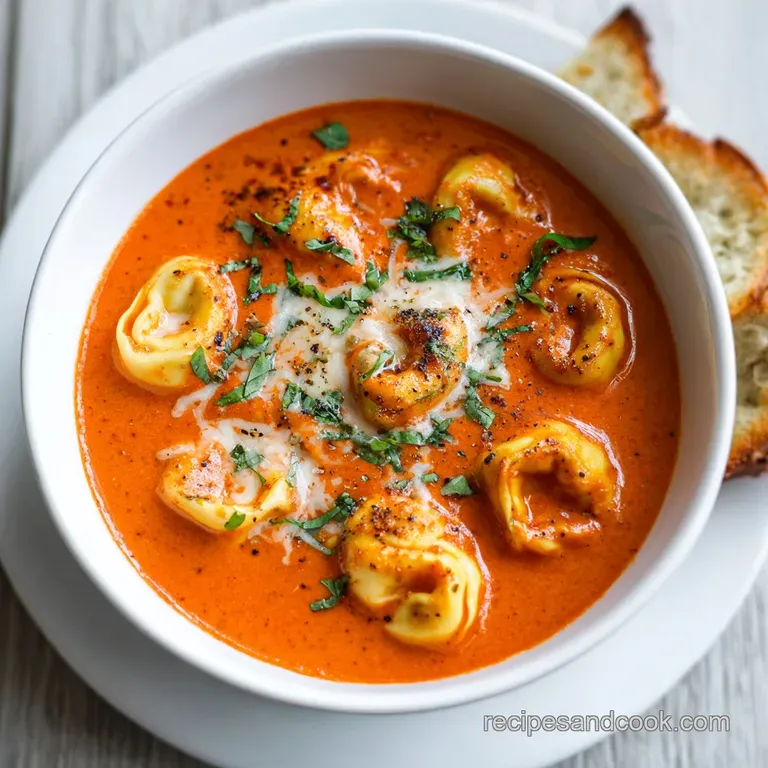
- Time: Active 10 mins, Passive 20 mins, Total 30 mins
- Flavor/Texture Hook: Silky, tomato rich broth with pillowy, cheese filled centers
- Perfect for: Busy weeknights, rainy days, or low effort meal prepping
- Why This OnePot Creamy Tomato Tortellini Soup Works
- Gathering Your Essentials for Success
- Essential Equipment for One Pot Meals
- Mastering the Key Cooking Steps
- Avoiding Common Kitchen Disasters
- Creative Ways to Mix It Up
- Smart Storage & Reheating Rules
- Elegant Presentation Tips
- Very High in Sodium
- Recipe FAQs
- 📝 Recipe Card
Why This OnePot Creamy Tomato Tortellini Soup Works
The first time I made this, I was staring at a half empty pantry on a Tuesday evening while the rain drummed against the window. I heard the butter sizzle as it hit the Dutch oven, and the aroma of garlic hitting that hot fat immediately filled the kitchen with a sense of warmth.
There is something profoundly nostalgic about the smell of dried oregano and tomato paste caramelizing together it reminds me of my grandmother’s kitchen, where nothing was ever wasted and every meal felt like a hug.
We often think deep flavor requires hours of simmering, but I’ve learned that the secret lies in how you treat the humble aromatics. When those onions soften and the tomato paste turns from bright red to a deep, rusty brick color, you’re not just cooking; you’re building a foundation of flavor that makes a 30 minute meal taste like a Sunday tradition.
This recipe isn't about fancy gadgets; it's about the magic that happens in one pot when simple ingredients are given just a little bit of respect and heat.
The Physics of the Starch Bind
Starch Gelatinization: As the refrigerated tortellini cooks directly in the broth, it releases surface starches that emulsify with the fats from the butter and cream. This creates a cohesive, velvety body that prevents the soup from feeling thin or watery without needing a flour based roux.
Comparing Speed vs. Tradition
| Feature | Fast Method (This Recipe) | Classic Slow Simmer |
|---|---|---|
| Active Time | 10 minutes | 45 minutes |
| Pot Count | 1 (Single pot) | 3 (Pot, blender, pasta pot) |
| Thickening | Natural pasta starch | Flour roux or reduction |
Using one pot isn't just about saving time on dishes; it's about flavor retention. When you boil pasta in a separate pot of water, you’re literally pouring flavor down the drain. By letting the pasta absorb the seasoned tomato broth, every bite of the tortellini becomes infused with the aromatics.
Smart Budget Alternatives
| Premium Option | Budget Alternative | Flavor Impact | Savings |
|---|---|---|---|
| Fresh Tortellini | Frozen Tortellini | Slightly firmer texture | Save $2-4 |
| San Marzano Canned | Store Brand Crushed | Higher acidity/sharpness | Save $3 |
| Heavy Cream | Half and Half + Butter | Lighter mouthfeel | Save $1.50 |
Choosing frozen pasta is a brilliant shortcut for those weeks when the grocery budget is tight. Just remember that frozen tortellini may require an extra 2 minutes of simmering compared to the refrigerated variety.
Gathering Your Essentials for Success
Selecting the right components for this OnePot Creamy Tomato Tortellini Soup ensures that the final result is rich rather than acidic. Even when working with budget friendly staples, the quality of your aromatics matters.
Component Analysis & Secrets
| Ingredient | Science Role | Pro Secret |
|---|---|---|
| Tomato Paste | Umami Depth | Sauté until it turns dark mahogany to remove the raw metallic "tin" taste. |
| Heavy Cream | Fat Emulsifier | Temper the cream with a ladle of hot broth before adding to prevent curdling. |
| Chicken Broth | Liquid Base | Use low sodium to control the final "salt bomb" effect after the cheese is added. |
Chef's Tip: To deepen the flavor profile without adding cost, throw a leftover Parmesan rind into the broth while it simmers. It adds a salty, nutty backbone that you can't get from powder.
- 2 tbsp (28g) Unsalted butter: Provides the fat base for sautéing.
- 1 tbsp (15ml) Extra virgin olive oil: Prevents the butter from burning at higher temps.
- 1 small Yellow onion: Finely diced for even sweetness distribution.
- 4 cloves Garlic: Minced fresh for the best aromatic punch.
- 3 tbsp (45g) Tomato pasteWhy this? Concentrated flavor that acts as a natural thickener.
- 1 tsp Dried oregano: The classic herbal note of comfort.
- 0.5 tsp Crushed red pepper flakes: Adds a subtle back of-the throat warmth.
- 4 cups (946ml) Chicken broth: The primary hydrating element.
- 1 can (28 oz / 800g) Crushed San Marzano tomatoes: The gold standard for sweetness.
- 1 tsp Granulated sugarWhy this? Neutralizes the sharp acidity of the canned tomatoes.
- 1 tsp Kosher salt: Enhances every other flavor in the pot.
- 0.5 tsp Coarse black pepper: Provides a crisp, spicy finish.
- 1 package (18 oz / 510g) Refrigerated cheese tortellini: The heart of the dish.
- 3 cups (90g) Fresh baby spinach: For a pop of color and iron.
- 0.75 cup (180ml) Heavy cream: Creates the signature velvety texture.
- 0.5 cup (50g) Freshly grated Parmesan cheese: Thickens and adds saltiness.
- 0.25 cup Fresh basil: A bright, peppery finish.
If you find yourself enjoying this style of cooking, you might also love the technique used in our Tomato Soup Mac recipe, which uses a similar one pan approach to marry pasta and tomatoes.
Essential Equipment for One Pot Meals
You don't need a professional kitchen, but a few specific tools will make the process of making this OnePot Creamy Tomato Tortellini Soup much smoother. A heavy bottomed pot is the most critical item here.
- Large Dutch Oven (5-6 quart): Cast iron or heavy stainless steel (like a Lodge) distributes heat evenly, preventing the bottom of the soup from scorching.
- Wooden Spoon: Essential for scraping the "fond" (the brown bits) off the bottom of the pot after sautéing the onions.
- Microplane or Fine Grater: Freshly grating your Parmesan is non negotiable; pre shredded cheese is coated in cellulose which prevents it from melting smoothly into the sauce.
- Chef’s Knife: A sharp 8 inch blade makes dicing the onion and mincing the garlic a 2 minute task rather than a chore.
Mastering the Key Cooking Steps
Making this recipe is a lesson in timing. Follow these steps to ensure the pasta stays al dente while the broth reaches maximum silkiness.
- Melt the fats. Place the butter and olive oil in the pot over medium heat until the butter foam subsides and begins to shimmer.
- Sauté aromatics. Add the diced onion and cook for 5 minutes until translucent and fragrant. Note: Don't let them brown; we want sweetness, not bitterness.
- Bloom the spices. Stir in the minced garlic, tomato paste, oregano, and red pepper flakes. Cook for 2-3 minutes until the paste turns a deep mahogany color.
- Deglaze the base. Pour in a splash of the chicken broth and scrape the bottom of the pot until all the browned bits are incorporated.
- Build the broth. Add the remaining chicken broth, crushed tomatoes, sugar, salt, and pepper.
- Simmer for depth. Bring the mixture to a boil, then reduce heat and simmer uncovered for 10 minutes until the flavors meld and the liquid slightly thickens.
- Cook the pasta. Drop in the refrigerated tortellini and stir gently. Cook for 3-5 minutes until the pasta floats to the surface and feels tender.
- Wilt the greens. Fold in the fresh baby spinach and stir for 1 minute until the leaves are vibrant green and shrunken.
- Finish with cream. Turn the heat to low. Stir in the heavy cream and Parmesan cheese until the soup becomes pale orange and glossy.
- Garnish and serve. Remove from heat, stir in the fresh basil, and serve immediately in warm bowls.
Precision Checkpoints
- Checkpoint 1: Sauté the tomato paste for exactly 3 minutes to remove the raw metallic flavor.
- Checkpoint 2: Ensure the broth is at a rolling boil before adding the 510g of tortellini.
- Checkpoint 3: The final temperature of the soup should be roughly 165°F (74°C) when adding the cream to prevent separation.
Avoiding Common Kitchen Disasters
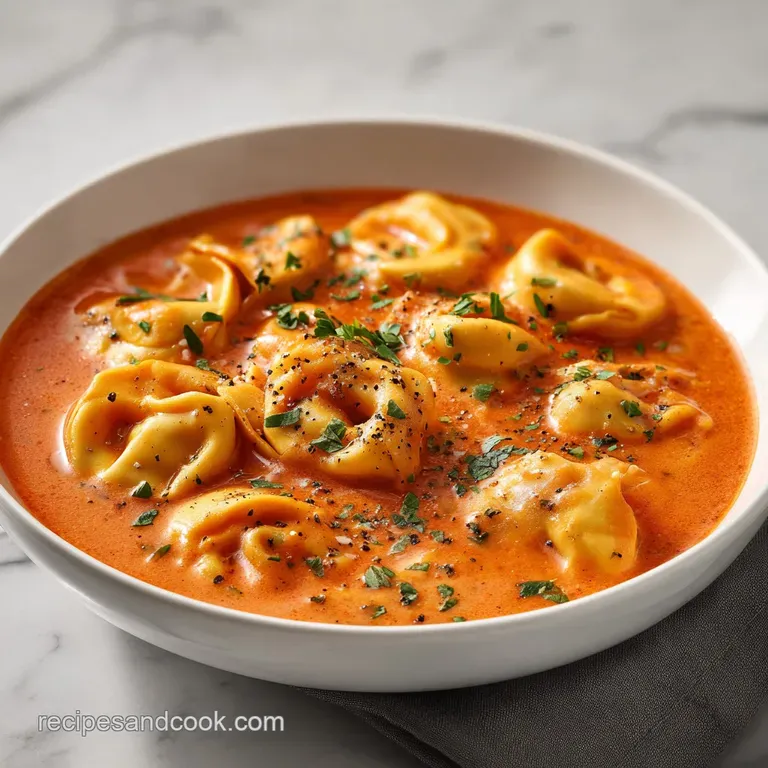
Even the simplest recipes can hit a snag. The most frequent issue with this dish is the pasta absorbing too much liquid or the cream curdling due to high heat.
Preventing a Grainy Texture
If your soup looks "broken" or grainy, it's usually because the Parmesan was added while the soup was boiling. Cheese is an emulsion of fat and protein; high heat causes the protein to clump together and the fat to leak out. Always drop the heat to the lowest setting before adding dairy.
Troubleshooting the Soup Consistency
| Problem | Root Cause | Solution |
|---|---|---|
| Thin/Watery Broth | Not enough simmer time | Simmer for 5 more mins before adding pasta; the reduction concentrates starches. |
| Mushy Tortellini | Overcooked or left in pot | Remove from heat immediately once they float. Don't let them sit in hot broth. |
| Curdled Cream | Temperature shock | Temper the cream by mixing it with a little hot broth in a small bowl first. |
Common Mistakes Checklist
- ✓ Never skip the sugar; it’s not for sweetness, it’s to balance the pH of the tomatoes.
- ✓ Don't use pre shredded Parmesan; the anti clumping agents will make the soup gritty.
- ✓ Avoid boiling the soup after the heavy cream is added to keep the texture silky.
- ✓ Pat the spinach dry if you washed it; excess water can dilute the broth's richness.
- ✓ Use a heavy bottomed pot to prevent the tortellini from sticking to the floor of the pan.
Creative Ways to Mix It Up
While the base recipe is timeless, you can easily adapt this to fit what you have in the fridge. This dish is incredibly forgiving and welcomes experimentation.
- For a Protein Boost: Stir in 1 cup of shredded rotisserie chicken or browned Italian sausage at the same time as the tortellini.
- For a dairy-free Alternative: Replace the heavy cream with full fat canned coconut milk and use a vegan Parmesan substitute. The flavor will be slightly nuttier but equally rich.
- For Extra Veggies: Add diced bell peppers or zucchini during the onion sautéing phase for more texture and nutrients.
If you're a fan of these flavors but want something heartier, you might also enjoy this Lasagna Soup in recipe, which offers a similar tomato and pasta comfort profile.
If you want X, do Y
- If you want a thicker sauce: Reduce the chicken broth by 0.5 cup (120ml) for a more stew like consistency.
- If you want more heat: Increase the red pepper flakes to 1 full teaspoon and use "hot" Italian sausage as a mix in.
- If you want it leaner: Swap the heavy cream for whole milk, though the broth will be significantly thinner.
Smart Storage & Reheating Rules
One thing to keep in mind is that pasta continues to absorb liquid as it sits. If you plan on having leftovers, the soup will likely turn into a pasta dish by the next day.
- Fridge Storage: Store in an airtight container for up to 3 days. When reheating, you will likely need to add a splash of broth or water to loosen the "sauce" back into a soup.
- Freezer Instructions: I do not recommend freezing this soup with the pasta already in it, as the tortellini will become mushy upon thawing. Instead, freeze the tomato base and add fresh pasta when you're ready to eat.
- Zero Waste Tip: Don't toss those wilted basil stems! You can throw them into the pot while the broth simmers to extract every bit of herbal flavor, then fish them out before adding the cream. If you have extra spinach that's about to turn, sauté it with a little garlic and oil and store it in the freezer for your next batch of soup.
Elegant Presentation Tips
We eat with our eyes first, and a creamy orange soup can look a bit monochromatic without the right finishing touches.
Chef's Note: I always save a tiny handful of the Parmesan and a few fresh basil leaves for the very end. Placing them on top of the steaming bowl right before serving creates a beautiful contrast.
To make this feel like a bistro meal, drizzle a teaspoon of high-quality extra virgin olive oil over the top of each bowl. The fat will bead up on the surface and catch the light. Serve it alongside a thick slice of toasted sourdough or garlic bread something sturdy enough to swipe across the bottom of the bowl to catch every last drop of that velvety broth.
For those who love a bit of crunch, consider making a few homemade croutons using stale bread and a bit of the leftover butter and oregano. The "shatter" of a crouton against the soft, pillowy tortellini is a textural match made in heaven. If you're looking for another great spread to go with bread on the side, check out this Guacamole Recipe for a zesty, creamy addition to your table.
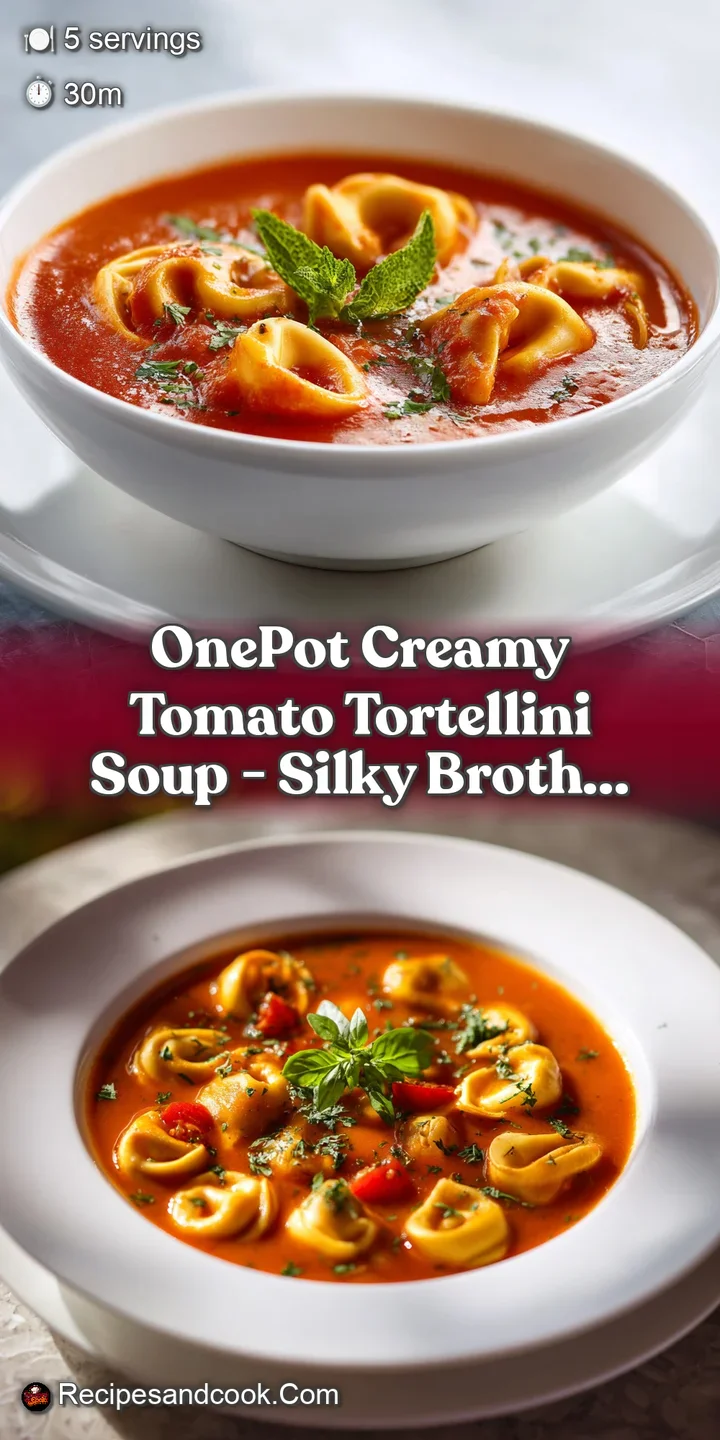
Very High in Sodium
1848 mg mg of sodium per serving (80% % of daily value)
The American Heart Association recommends limiting sodium intake to no more than 2,300mg per day for most adults. Aiming for 1,500mg per day is even better for heart health.
Tips to Reduce Sodium in Your Tortellini Soup
-
Low-Sodium Broth-30%
Replace the regular chicken broth with low-sodium or no-salt added chicken broth. This simple swap can significantly decrease the overall sodium content.
-
No-Salt Added Tomatoes-20%
Opt for no-salt added crushed San Marzano tomatoes. Canned tomatoes often contain added sodium, so choosing the no-salt added version is a great way to reduce your intake.
-
Reduce Parmesan-15%
Cut the amount of Parmesan cheese in half. Parmesan is naturally high in sodium, so reducing the quantity will help lower the sodium level of the dish.
-
Skip Added Salt-25%
Eliminate the added kosher salt entirely. With other sodium containing ingredients, you may not need to add any extra salt to achieve a delicious flavor.
-
Fresh Herbs & Spices
Enhance the flavor with fresh herbs and spices. Experiment with additional oregano, basil, pepper, and garlic to boost the taste without adding sodium. Consider adding other vegetables like carrots or celery for even more flavor.
Recipe FAQs
Can I substitute refrigerated tortellini with frozen?
Yes, but expect a slight time adjustment. Frozen tortellini releases more initial coldness, requiring about 2 extra minutes of simmering time to ensure they cook through completely in the hot broth.
Why did my soup look grainy after adding the Parmesan cheese?
False. High heat is the culprit for graininess. Cheese proteins clump when added to aggressively boiling liquid; always turn the heat to low and temper the cheese with a ladle of hot broth before stirring it in for a smooth emulsion.
How to make the broth thicker without using flour?
Allow the broth to simmer uncovered longer before adding the pasta. The goal is natural starch gelatinization; the starches released by the tortellini as it cooks emulsify with the fat, thickening the soup without needing a separate roux.
How to prevent the heavy cream from curdling when finishing the soup?
Temper the cream before incorporating it into the main pot. Slowly whisk a cup of the hot tomato broth into the heavy cream in a separate bowl first; this gradually raises the cream's temperature, preventing the sudden heat shock that causes separation.
Is it necessary to sauté the tomato paste for several minutes?
Yes, this deepens the umami flavor significantly. Cooking the paste until it turns a dark, rusty mahogany color caramelizes its sugars and cooks off the raw, metallic tin flavor often found in canned concentrates.
How should I store leftovers to prevent the tortellini from becoming mushy?
Store the soup base separately from the pasta if making ahead. If you must store it together, expect the tortellini to absorb most liquid; reheat with an extra splash of chicken broth or water to loosen the consistency back into a soup form.
What can I add to boost the acidity if my tomatoes taste flat?
Add a small amount of acid like lemon juice or vinegar. While the recipe calls for sugar to balance acidity, sometimes you need to add it back; a teaspoon of white wine vinegar works similarly to the bright note you get in a fresh Cucumber Tomato Onion Salad recipe.
Creamy Tomato Tortellini Soup
Ingredients:
Instructions:
Nutrition Facts:
| Calories | 604 kcal |
|---|---|
| Protein | 19.4 g |
| Fat | 31.7 g |
| Carbs | 58.2 g |
| Fiber | 4.6 g |
| Sugar | 12.4 g |
| Sodium | 1848 mg |
