How to Cook Steelhead Trout
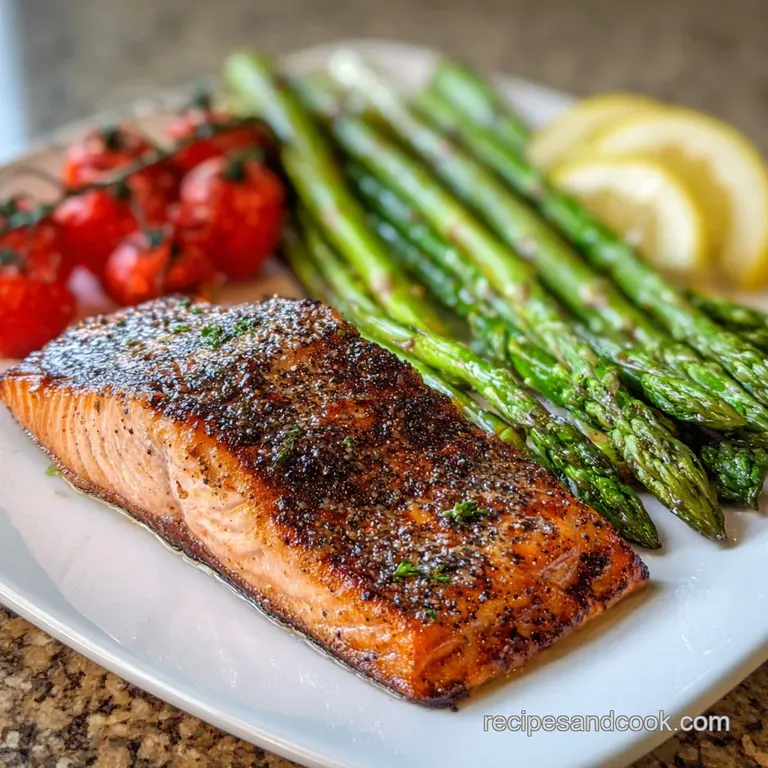
- Time: Active 5 minutes, Passive 12 minutes, Total 17 minutes
- Flavor/Texture Hook: Flaky, velvety flesh with a shatter crisp skin.
- Perfect for: Weeknight dinners or impressive date nights.
- Master the Art: How to Cook Steelhead Trout
- Essential Specs for Kitchen Success
- Selecting Your Quality Building Blocks
- Necessary Tools for the Kitchen
- The Detailed Stepwise Cooking Method
- Solving Common Trout Cooking Issues
- Adjusting Portions for Larger Crowds
- Flavor Variations and Smart Swaps
- Storage Tips and Waste Prevention
- Best Ways to Serve Trout
- Recipe FAQs
- 📝 Recipe Card
Master the Art: How to Cook Steelhead Trout
I remember the first time I brought a side of steelhead home, thinking the fishmonger had accidentally handed me a strangely lean piece of salmon. The color was that same vibrant, sunset orange, but as soon as it hit the pan, I realized I was dealing with something much more delicate.
The sizzle was higher pitched, and the aroma was cleaner, less oily, almost nostalgic of the mountain streams I visited as a kid.
Steelhead is essentially the overachiever of the trout family. It's a rainbow trout that decided to head out to sea, and that saltwater holiday gives it a richness that regular freshwater trout just can't touch. If you have ever felt intimidated by cooking fish, this is your entry point.
It's forgiving, stays moist under pressure, and takes on flavors like a dream.
We are going to focus on the pan sear to baste method today. It's my favorite way to handle this fish because it gives you that restaurant quality "shatter" on the skin while keeping the center incredibly velvety. Forget those soggy, grey fillets from the past, we are going for gold here.
Essential Specs for Kitchen Success
The Physics of the Skin Shatter: Rapid moisture evaporation from the skin's surface allows the collagen to dehydrate and crisp before the internal proteins over coagulate. This creates a thermal barrier that protects the delicate flesh from direct, harsh heat.
- Conductivity Control: Cold fish hits a hot pan and immediately drops the surface temperature, so we use avocado oil for its high smoke point to maintain a constant, aggressive sear.
- The Maillard Effect: Adding butter late in the process introduces milk solids that brown rapidly, coating the fish in toasted, nutty compounds that lime juice then "unzips" for your palate.
- Protein Relaxation: Resting the trout for three minutes allows the muscle fibers to widen slightly, reabsorbing the internal juices that were pushed to the center during cooking.
| Thickness of Fillet | Internal Target Temp | Total Rest Time | Visual Finished Cue |
|---|---|---|---|
| 1.5 cm | 52°C (125°F) | 2 minutes | Flesh is opaque but still moist |
| 2.5 cm | 54°C (130°F) | 3 minutes | Center flakes easily with a fork |
| 3.5 cm | 57°C (135°F) | 4 minutes | Skin is rigid and totally dry |
When you are learning how to cook steelhead trout, understanding the thickness of your specific fillet is the biggest variable. A thin tail piece will cook in nearly half the time of a thick center cut portion, so always keep your thermometer handy.
Selecting Your Quality Building Blocks
| Ingredient | Science Role | Pro Secret |
|---|---|---|
| Steelhead Trout | Lean Protein Base | Choose skin on for a built in heat shield during the sear. |
| Avocado Oil | over High heat Medium | It won't break down or smoke at the temperatures needed for crisp skin. |
| Unsalted Butter | Emulsion & Flavor | The milk solids provide the "basting" foam that carries heat to the top of the fish. |
| Coarse Sea Salt | Moisture Draw | It pulls surface water out of the skin, making it much easier to get that crunch. |
Selecting the right fat is just as important as the fish itself. I've tried this with olive oil, but it often smokes too early, leaving a bitter taste on the delicate trout.
Necessary Tools for the Kitchen
You don't need a professional kitchen, but a heavy bottomed pan is non negotiable here. A cast iron skillet or a high-quality stainless steel pan will hold onto heat much better than a thin aluminum one. When that cold 1.5 lbs of trout hits the metal, you don't want the temperature to plummet.
A fish spatula is also a life saver. It's thin and flexible, which means you can slide it right under the skin without tearing it. If you use a thick plastic turner, you risk leaving that beautiful, crispy skin stuck to the bottom of the pan.
Trust me, I've made that mistake more times than I care to admit, and it's heartbreaking.
The Detailed Stepwise Cooking Method
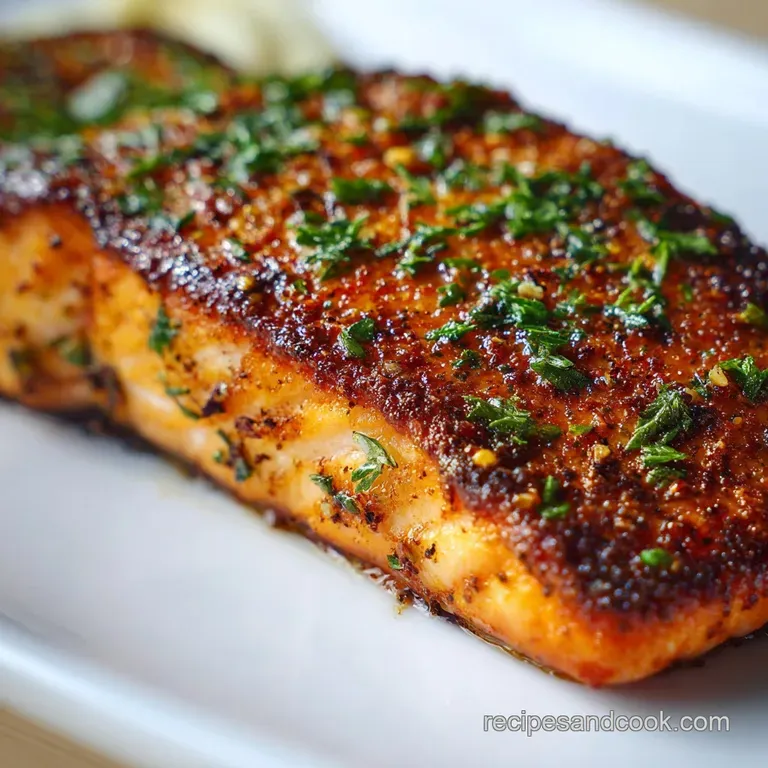
1. The Dry Brine Prep
Pat the 1.5 lbs Steelhead trout fillets completely dry using paper towels. Sprinkle the 15g Coarse sea salt and 5g Cracked black pepper over both sides. Why this? Removing surface moisture is the only way to prevent the fish from steaming instead of searing.
2. The over High heat Foundation
Heat the 30ml Avocado oil in a large skillet over medium high heat until it begins to shimmer and barely smoke. Place the fillets skin side down into the pan, pressing gently with a spatula for 10 seconds. Cook for 5 minutes until the skin is golden and rigid.
3. The Butter Baste
Flip the fillets carefully. Add the 45g Unsalted butter, 3 Cloves smashed garlic, and 2 Sprigs fresh thyme to the pan. Why this? The garlic and thyme infuse the fat, which then flavors the meat as you spoon it over.
4. The Finish
Tilt the pan slightly and spoon the foaming butter over the fish for 2 to 3 minutes. Cook until the internal temperature reaches 54°C. Remove the trout from the pan and place it on a warm plate.
5. The Citrus Rest
Squeeze the juice from the Large lime over the fillets and sprinkle with the lime zest and 10g Fresh parsley. Let the fish rest for 3 minutes before serving. Why this? Acid cuts through the richness of the butter, while resting ensures the juices don't run out when you cut in.
Solving Common Trout Cooking Issues
Sticky Skin Solutions
If you find your trout is glued to the pan, the most common reason is trying to flip it too early. Protein bonds with the metal initially, and it only releases once the "crust" has fully formed. If it resists your spatula, give it another 60 seconds. Also, ensure your pan was hot enough before the fish touched it.
Preventing White Albumin Leakage
Have you ever seen that white, gooey stuff leak out of your fish? That's albumin, a protein that gets pushed out when the muscle fibers contract too tightly from overcooking. To avoid this, pull the fish off the heat when it's just a few degrees under your target.
The carryover heat will finish the job gently without squeezing the albumin out.
| Problem | Root Cause | Solution |
|---|---|---|
| Soggy Skin | Excess surface moisture | Pat the fish dry and salt it 10 minutes before cooking. |
| Dry, Tough Flesh | High internal temp | Remove from heat at 52°C and let carryover heat finish it. |
| Metallic Taste | Old oil or burnt butter | Use avocado oil for the sear and add butter only at the end. |
- ✓ Always pat the trout skin dry with a fresh paper towel right before it hits the oil.
- ✓ Use a heavy duty skillet like a cast iron to maintain consistent heat distribution.
- ✓ Don't overcrowd the pan; leave at least 2 centimeters between fillets to allow steam to escape.
- ✓ Let the butter foam before you start basting to ensure the milk solids are toasted but not burnt.
- ✓ Use a digital thermometer to pull the fish at exactly 52-54°C for a medium rare to medium finish.
Adjusting Portions for Larger Crowds
If you are scaling down to just one or two servings, the process remains exactly the same, but you might find your butter browns much faster. Keep a close eye on it. When scaling up for a dinner party, do not try to crowd six fillets into one pan. Work in batches.
You can keep the first batch warm in a 90°C oven while you finish the rest.
For bigger batches, I find that reducing the salt slightly (to about 1.5x for a double recipe) helps prevent the dish from becoming overly seasoned, as the salt doesn't scale linearly in terms of palate impact. The cooking technique for a Rockfish recipe is actually quite similar if you want to swap proteins for a crowd.
| Method | Total Time | Resulting Texture | Best Use Case |
|---|---|---|---|
| Pan Sear (Classic) | 12 minutes | Shatter crisp skin, buttery center | Dinner parties and date nights |
| oven-roasted (Fast) | 10 minutes | Uniformly tender, softer skin | Quick meal prep for the week |
| Air Fryer (Quickest) | 8 minutes | Very crispy edges, can be drier | Single servings or lunch |
Flavor Variations and Smart Swaps
If you want a different profile, try swapping the lime and thyme for lemon and dill. It's the most traditional pairing for steelhead and never fails. For a budget friendly swap, you can use regular salted butter, but make sure to reduce the added sea salt by about a third so the dish doesn't become a salt bomb.
I've also had great success with a "dry" version where I skip the butter baste entirely and just use a high-quality olive oil at the very end. It's a bit lighter but you lose that nutty depth.
If you are adventurous, a splash of soy sauce in the basting butter creates a wonderful umami crust that reminds me of high end bistro cooking.
Storage Tips and Waste Prevention
Steelhead is best eaten immediately, but leftovers will keep in an airtight container in the fridge for up to 2 days. To reheat, avoid the microwave at all costs! It will turn your beautiful fish into rubber.
Instead, place it in a cold pan with a teaspoon of water, cover it, and heat it on low until it's just warmed through.
For zero waste, don't throw away those lime halves after juicing. Toss them into a jar of water for a refreshing citrus infusion. If you have leftover cooked trout, it's incredible flaked into a cold salad the next day or folded into scrambled eggs for a luxury breakfast.
Best Ways to Serve Trout
This fish is a star, so I like to keep the sides simple. A pile of garlicky wilted spinach or some roasted fingerling potatoes works beautifully. The acidity in the lime juice is the key, so don't be shy with that final squeeze. It brightens everything and makes the fats feel much lighter on the tongue.
If you are looking for a more robust meal, this trout pairs surprisingly well with the same sides you'd use for a How to Cook recipe like garlic herb roasted vegetables. It's a timeless combination that brings everyone to the table. Just remember to serve the fish skin side up so that glorious crunch stays intact until the very first bite.
- Searing meat does not "seal in juices." The Maillard reaction creates flavor and texture, but moisture loss actually increases at high heat. We sear for the crust, not to "lock" anything in.
- Fish doesn't need to be "well done" to be safe. Quality steelhead is perfectly safe and much more enjoyable when cooked to a medium or medium rare temperature.
- Adding oil to the water doesn't stop pasta from sticking. Wait, wrong recipe! But for fish: don't flip it more than once. Moving it around constantly ruins the crust and causes the fillet to break apart.
Recipe FAQs
How do you cook steelhead trout?
Sear it skin side down in a hot pan with high smoke-point oil. Cook for about 5 minutes until the skin is crisp, then flip and baste with butter, garlic, and herbs until cooked through. The internal temperature should reach around 52-57°C (125-135°F).
What is the best method of cooking trout?
Pan-searing for a crispy skin and moist interior is often considered the best. This method allows for precise temperature control and creates a delightful textural contrast. For a similar texture in another protein, learn how to control the sear and baste in our Pan Seared Ribeye: Cast Iron Steak Recipe.
Can you cook steelhead the same as salmon?
Yes, very similarly, but steelhead is more delicate. Both benefit from pan-searing or roasting with similar seasonings. Steelhead cooks a bit faster and is prone to drying out if overcooked, so pay close attention to temperature.
What seasonings go well with steelhead trout?
Simple is best to highlight the fish's flavor, like salt, pepper, garlic, and thyme. Lemon or lime juice and zest are also fantastic to brighten the richness. For a different flavor profile, consider dill, parsley, or even a touch of soy sauce in the basting butter for umami.
Why is my steelhead trout skin sticking to the pan?
You're likely trying to flip it too early. The skin needs sufficient time to develop a crust and release from the pan. Also, ensure your pan was hot enough before adding the fish and that the skin was thoroughly dried.
How do I prevent white albumin from leaking out of my steelhead?
Pull the fish off the heat a few degrees before it's fully cooked. The residual heat will finish the cooking process gently. Overcooking causes the muscle fibers to contract too much, squeezing out the albumin.
Can I cook steelhead trout in a slow cooker?
While possible, it's not ideal for achieving the best texture. Slow cooking tends to make fish very soft and can result in a less appealing texture compared to searing or roasting. If you enjoy slow cooker methods for other proteins, you might like our Slow Cooker Bone Broth: Rich and Gelatinous (24 Hour Simmer) for a completely different culinary outcome.
Cook Steelhead Trout
Ingredients:
Instructions:
Nutrition Facts:
| Calories | 332 calories |
|---|---|
| Protein | 33.6g |
| Fat | 21.4g |
| Carbs | 1.8g |
| Fiber | 0.4g |
| Sugar | 0.3g |
| Sodium | 620mg |
