Chicken Milanese: Parmesan Crispy Cutlets
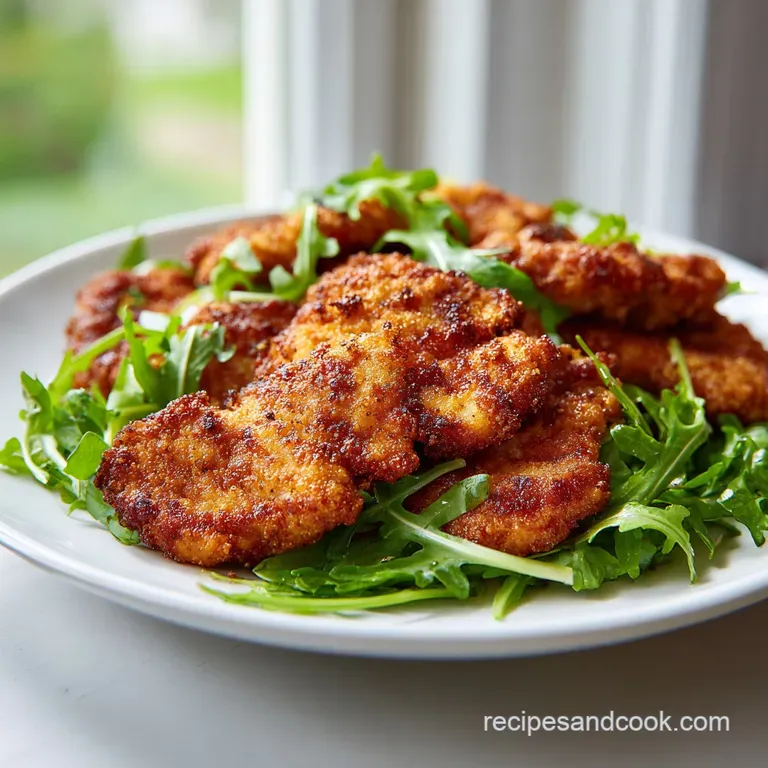
- Time: Active 20 minutes, Passive 15 minutes, Total 35 minutes
- Flavor/Texture Hook: Shatter crisp exterior with a zesty, bright arugula finish
- Perfect for: An impressive weeknight dinner that feels like a fancy bistro meal
- The Physics of the Shiver
- Precision Timing for Best Results
- Analyzing the Core Ingredient List
- Gathering Your Essentials
- Essential Gear for the Cook
- Transforming Chicken into Gold
- Avoiding Soggy and Grey Results
- Swapping Flavors and Texture
- Keeping Leftovers Crisp and Fresh
- Creating the Ultimate Dinner Plate
- HIGH in Sodium
- Recipe FAQs
- 📝 Recipe Card
The Physics of the Shiver
The Physics of the Shiver: The Panko flakes act as tiny steam vents, allowing moisture to escape the chicken without trapping it against the breading. This prevents the steam from softening the crust, ensuring that every bite maintains a distinct, glass like shatter.
Precision Timing for Best Results
Getting the internal temperature right while achieving that deep mahogany color is the hardest part for most home cooks. Use this quick guide to ensure you aren't serving raw centers or dry, woody meat.
| Thickness | Internal Temp | Rest Time | Visual Cue |
|---|---|---|---|
| 1/4 inch | 165°F | 3 minutes | Breading is deep golden tan and firm |
| 1/2 inch | 165°F | 5 minutes | Juices run clear when poked with a fork |
| 1 inch | 165°F | 8 minutes | Requires lower heat to prevent burning crust |
If you find yourself with extra chicken and want a different vibe for meal prep, my Shredded Chicken in recipe is a fantastic way to use up boneless breasts in a more hands off way.
Analyzing the Core Ingredient List
The choice of ingredients here isn't just about flavor, it is about structural integrity. We want the breading to cling to the meat as if they were born together, not peel off like an old coat.
| Ingredient | Science Role | Pro Secret |
|---|---|---|
| Panko Breadcrumbs | Texture Architect | Use Japanese panko specifically; the jagged edges create more surface area for crunch. |
| Parmigiano Reggiano | Protein Binder | The high fat and protein content in the cheese helps fuse the crumbs together as they fry. |
| All Purpose Flour | Moisture Barrier | Flour dries the surface of the chicken so the egg has something dry to grab onto. |
Gathering Your Essentials
For the chicken base, we are using 1 lb boneless, skinless chicken breasts. You will also need 0.5 cup all purpose flour for the initial dusting. The glue of our operation consists of 2 large eggs whisked with 1 tbsp water.
For that signature crunch, we use 1.5 cups Panko breadcrumbs mixed with 0.5 cup Parmigiano Reggiano, finely grated. We season the breading with 1 tsp garlic powder, 1 tsp dried oregano, 1 tsp kosher salt, and 0.5 tsp black pepper.
You will need about 0.5 cup neutral oil for the shallow fry.
The salad topper requires 4 cups baby arugula, 1 cup cherry tomatoes, halved, 2 tbsp extra virgin olive oil, 1 tbsp fresh lemon juice, and 2 tbsp shaved parmesan cheese.
If you want the optional pan sauce, grab 2 tbsp unsalted butter, 1 tbsp capers, and 0.5 lemon, juiced.
| Original Ingredient | Substitute | Why It Works |
|---|---|---|
| Panko Breadcrumbs | Crushed Pork Rinds | Provides a similar airy crunch while being keto friendly. |
| Parmigiano Reggiano | Pecorino Romano | Adds a sharper, saltier punch to the breading mix. |
| Arugula | Baby Spinach | Slower pepperiness but offers a similar tender, leafy texture. |
| Neutral Oil | Ghee (Clarified Butter) | High smoke point with a much richer, nutty flavor profile. |
While this is an Italian classic, if you're craving something with a Mediterranean citrus kick, you should definitely try my Lebanese Chicken with recipe next time you have a pound of breasts in the fridge.
Essential Gear for the Cook
You don't need a professional kitchen, but a few tools make this significantly easier. A heavy bottomed skillet, like a cast iron or a 12 inch stainless steel pan, is non negotiable for even heat distribution. If the pan is too thin, you will get hot spots that burn the breading before the chicken is cooked through.
You also need a meat mallet or even a heavy rolling pin to pound the chicken. Consistency in thickness is the only way to ensure the whole cutlet finishes at the same time. Finally, a wire cooling rack set over a baking sheet is the "secret weapon" for keeping the bottom of the cutlet from getting soggy while you fry the remaining batches.
Transforming Chicken into Gold
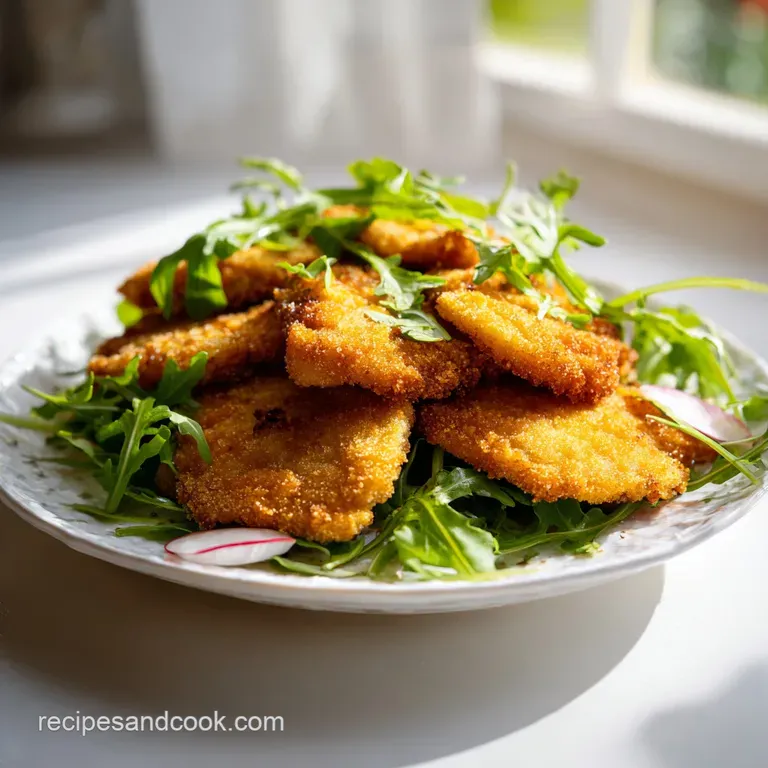
- Prepare the meat. Slice the 1 lb boneless, skinless chicken breasts in half horizontally to create four thinner cutlets. Note: This makes them much easier to pound evenly.
- Pound thin. Place cutlets between plastic wrap and pound to an even 1/4 inch thickness. Note: Consistency here prevents raw spots in thicker sections.
- Set the flour. Place 0.5 cup all purpose flour on a plate and season with a pinch of salt.
- Whisk the eggs. In a shallow bowl, beat 2 large eggs with 1 tbsp water until completely smooth.
- Mix the breading. Combine 1.5 cups Panko breadcrumbs, 0.5 cup Parmigiano Reggiano, 1 tsp garlic powder, 1 tsp dried oregano, 1 tsp kosher salt, and 0.5 tsp black pepper in a third dish.
- Dredge carefully. Coat a cutlet in flour, shake off the excess, dip in the egg wash, then press firmly into the panko mixture. Ensure every inch is covered and the crumbs are pressed in well.
- Heat the oil. Add 0.5 cup neutral oil to your skillet over medium high heat until it shimmers.
- Fry the cutlets. Lay two cutlets in the pan (don't crowd them) and cook for 3 to 4 minutes until deep golden and crackling. Flip and repeat.
- Drain and rest. Move the chicken to a wire rack immediately. Note: Airflow underneath prevents the "soggy bottom" syndrome.
- Make the sauce. Wipe the pan, melt 2 tbsp unsalted butter until foamy, then stir in 1 tbsp capers and 0.5 lemon, juiced for 1 minute.
- Toss the salad. Mix 4 cups baby arugula, 1 cup cherry tomatoes, 2 tbsp olive oil, 1 tbsp lemon juice, and 2 tbsp shaved parmesan.
- Plate it up. Place the chicken on the plate, drizzle with the buttery caper sauce, and pile the salad right on top.
Avoiding Soggy and Grey Results
The biggest heartbreak is seeing your beautiful breading slide off in the pan. This usually happens because the chicken was too wet before the flour hit it, or the oil wasn't hot enough to instantly seize the egg proteins.
Why Your Breading Falls Off
If your crust detaches like a loose skin, it is likely due to steam being trapped between the meat and the coating. This happens if the chicken isn't patted dry before dredging or if you didn't shake off the excess flour. The flour should be a whisper, not a winter coat.
| Problem | Root Cause | Solution |
|---|---|---|
| Burnt crumbs, raw meat | Oil is too hot | Lower heat to medium and use a thicker skillet. |
| Greasy, oily texture | Oil is too cold | Wait for oil to shimmer or bubble around a test crumb. |
| Breading is patchy | Poor dredging order | Ensure flour is dry, egg is whisked, and panko is pressed. |
Common Mistakes Checklist
- ✓ Pat chicken completely dry with paper towels before starting the flour step.
- ✓ Don't skip the water in the egg wash; it thins the "glue" for a more even layer.
- ✓ Press the panko into the meat with the palm of your hand to make it stick.
- ✓ Never crowd the pan; frying too many at once drops the oil temperature.
- ✓ Use a wire rack for cooling, never paper towels which trap steam and soften the crust.
Swapping Flavors and Texture
If you want a lighter version, the Air Fryer Chicken Milanese method works surprisingly well. Spritz the breaded cutlets generously with oil spray and air fry at 400°F (200°C) for 6 minutes per side.
You won't get that same buttery pool of sauce, but the crunch is undeniably there.
For a richer experience, try Adding a Velvety Lemon Butter Sauce by whisking a tablespoon of cold butter into the lemon and caper drippings at the very end. This creates an emulsion that clings to the crispy edges.
You can also do a gluten-free Swap by using almond flour for the first dredge and crushed gluten-free crackers or specialized GF panko for the final coating.
Keeping Leftovers Crisp and Fresh
Storage: Store leftovers in an airtight container in the fridge for up to 3 days. To keep them from getting mushy, place a paper towel at the bottom of the container to catch any stray moisture.
Freezing: You can freeze the breaded (but uncooked) cutlets for up to 2 months. Lay them flat on a baking sheet to freeze individually before bagging them up. Cook them straight from frozen, adding about 2 minutes per side to the fry time.
Reheating: Avoid the microwave! It will turn your crisp masterpiece into a rubbery mess. Instead, pop them into a 375°F (190°C) oven or air fryer for 5 minutes until the oil in the breading starts to sizzle again.
Zero Waste: If you have leftover arugula salad, it won't keep well once dressed. However, leftover chicken cutlets are incredible sliced cold into a wrap or served on a toasted ciabatta roll with a little pesto and fresh mozzarella.
Creating the Ultimate Dinner Plate
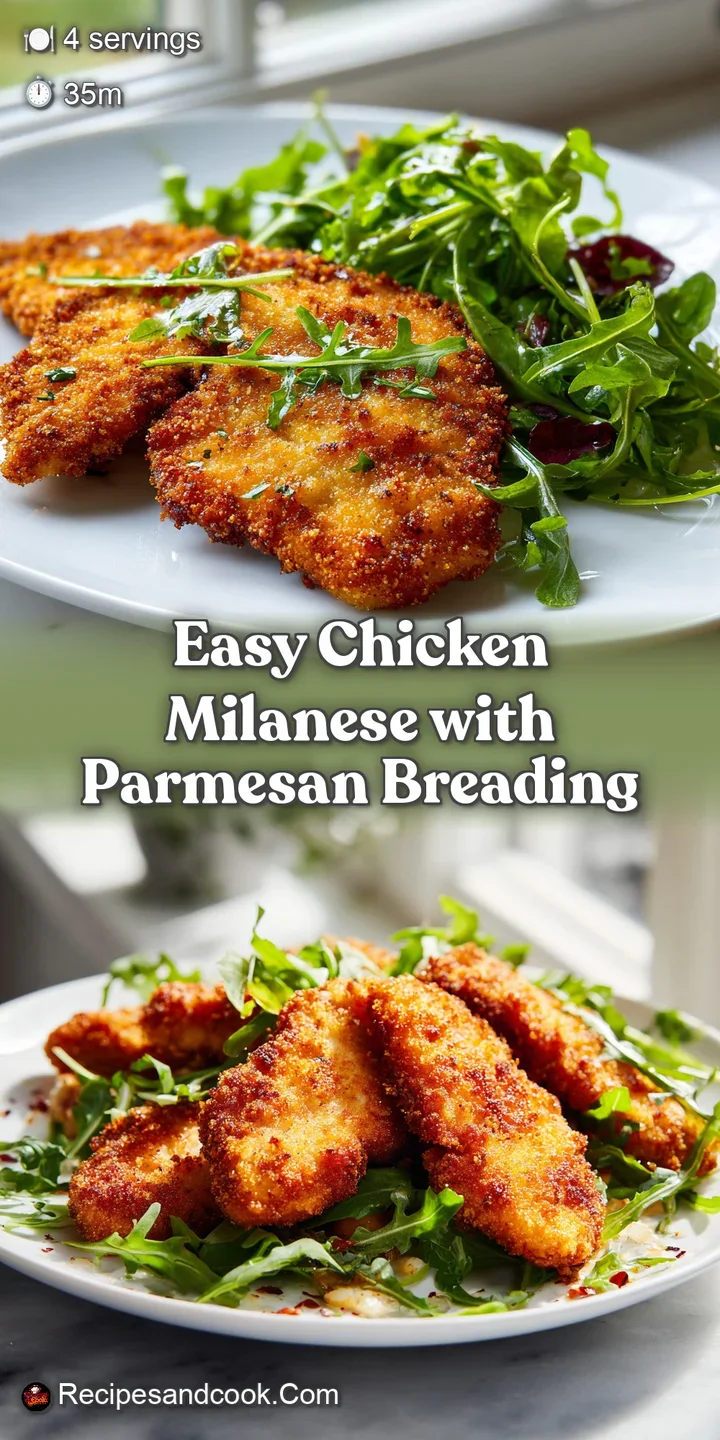
The beauty of this dish is the contrast between the hot, salty chicken and the cold, acidic salad. When you pile that arugula high, the heat from the chicken slightly wilts the bottom layer of greens, releasing their peppery aroma.
If you want to make this a fuller meal, it pairs beautifully with a simple side of pasta tossed in olive oil and garlic. The "fresh vs shortcut" debate often comes up with the lemon juice. Honestly, don't even bother with the bottled stuff.
The fresh lemon juice provides a bright, volatile acidity that the processed stuff just can't mimic, and you need that zest to cut through the richness of the fried breading.
| Fresh Approach | Shortcut Method | Flavor Impact |
|---|---|---|
| Hand pounded breasts | Pre sliced thin cutlets | Freshly pounded is more tender; pre sliced can be uneven. |
| Grated Parmigiano | Shaker can cheese | Fresh cheese melts into the breading; shaker cheese stays gritty. |
| Fresh lemon zest | Bottled lemon juice | Zest adds aromatic oils that bottled juice lacks entirely. |
One final thought: don't be afraid of the salt. Chicken is a blank canvas, and the breading needs that seasoning to really sing. Trust your instincts, watch for that golden hue, and enjoy the most satisfying crunch you've had all week.
HIGH in Sodium
845 mg 845 mg of sodium per serving (37% 37% of daily value)
The American Heart Association recommends limiting sodium intake to about 2,300mg per day for overall health.
Tips to Reduce Sodium in Your Chicken Parmesan Salad
-
Reduce Parmesan-15%
Parmesan cheese is a significant source of sodium. Reduce the amount of Parmigiano Reggiano in the breading mixture to 1/4 cup and the shaved parmesan in the salad to 1 tbsp. Consider using a low-sodium parmesan alternative.
-
Cut Back on Salt-25%
Reduce the amount of added kosher salt. Start by using only 1/2 tsp, taste, and add more only if needed. You can also use a sodium free salt substitute.
-
Enhance with Herbs
Enhance the flavor of the chicken and salad with more herbs and spices like garlic powder, oregano, basil, and freshly ground black pepper. This will add depth and complexity, allowing you to reduce reliance on salt for taste.
-
Rinse Capers-10%
Rinsing the capers under cold water can remove excess salt. Be sure to drain them well before adding to the recipe.
-
Lemon Power-5%
Increase the amount of fresh lemon juice in the salad dressing. Its acidity will brighten the flavors and help reduce the need for added salt. Try increasing it to 2 tbsp.
Recipe FAQs
What is the difference between chicken parm and chicken Milanese?
Chicken Parmigiana is topped, Milanese is served naked. Milanese is simply a thinly pounded, breaded, and fried cutlet, often served with only lemon or a light side salad. Chicken Parmigiana adds a layer of tomato sauce and melted cheese over the top after frying.
Why is it called chicken Milanese?
It originates from Milan, Italy. The dish is based on the famous Cotoletta alla Milanese, which traditionally uses veal; Chicken Milanese is simply the poultry version of that classic Lombard dish.
What is Milanese sauce made of?
Traditional Milanese is served with just a wedge of lemon. If a sauce is served, it is often a simple pan reduction featuring butter, lemon juice, and sometimes capers or herbs, aiming to enhance the crunch, not smother it.
What is the difference between chicken Milanese and piccata?
Piccata is cooked in and served with a specific lemon caper sauce. Milanese is solely fried breaded meat, usually served with a side salad, relying on the crunch and acid contrast. Piccata relies on the emulsified sauce for its primary moisture and flavor.
How do I prevent the panko breading from falling off during the fry?
Press the panko firmly onto the dredged chicken cutlet. The breading needs strong physical adhesion before hitting the oil, so use the palm of your hand to mold the crust onto the meat.
Can I use chicken thighs instead of breasts for this recipe?
No, using thighs is generally not recommended for this preparation. Chicken Milanese requires the meat to be pounded thin and flat for even cooking and maximum crispness; the uneven shape and higher fat content of thighs make achieving that uniform thinness very difficult.
Is it true that the oil must be shimmering hot before adding the chicken?
Yes, the oil temperature is critical for the crisp texture. If the oil is too cool, the breading soaks up the fat and becomes greasy instead of seizing instantly into a crisp shell; this same temperature precision is vital when finishing delicate proteins like in our Creamy Tuscan Chicken recipe.
Chicken Milanese In 35 Minutes
Ingredients:
Instructions:
Nutrition Facts:
| Calories | 609 kcal |
|---|---|
| Protein | 48.2 g |
| Fat | 31.4 g |
| Carbs | 33.1 g |
| Fiber | 2.4 g |
| Sugar | 4.2 g |
| Sodium | 845 mg |
