Velvety Chia Seed Pudding Recipe
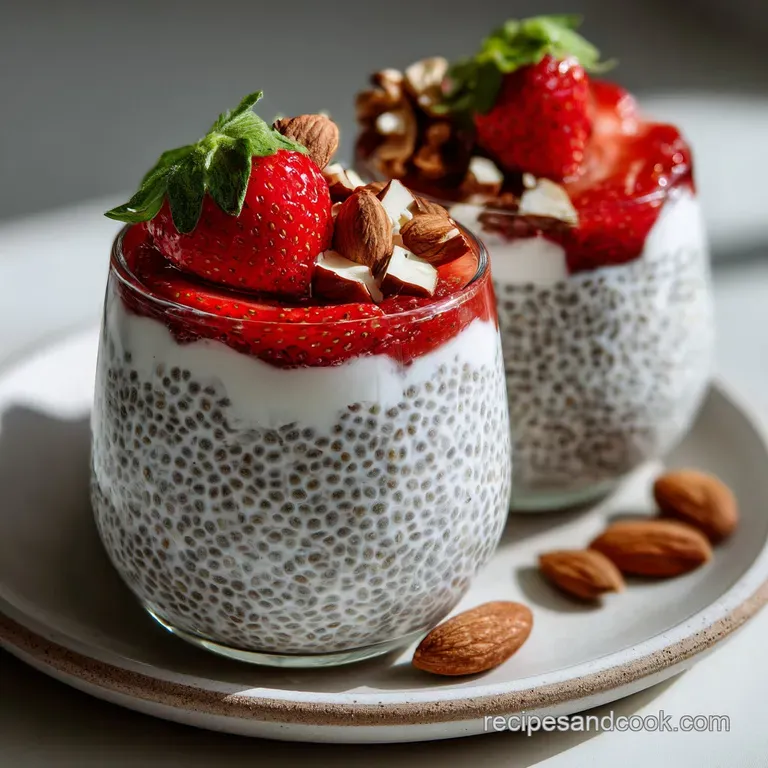
- Time: Active 10 minutes, Passive 3 hours 50 mins, Total 4 hours
- Flavor/Texture Hook: Velvety, plump, and subtly sweet
- Perfect for: Make-ahead breakfasts or a light afternoon treat
- Mastering the Classic Chia Seed Recipe
- Science Behind the Silky Texture
- Component Analysis of Your Ingredients
- Selecting Your Premium Pantry Elements
- Step by Step Preparation Guide
- Common Fixes for Texture Issues
- Customizing for Specific Dietary Needs
- Storing and Repurposing Your Batch
- Visual Finishing for Cafe Aesthetics
- Common Myths About Seed Recipes
- Chia Seed Recipe FAQs
- 📝 Recipe Card
Mastering the Classic Chia Seed Recipe
Remember that time we both tried making this and ended up with a bowl of sad, crunchy seeds floating in milk? Honestly, I almost gave up on chia altogether until I realized the secret isn't just the ratio, it's the technique.
We've all been there, staring at a clumpy mess that looks more like a science project than a breakfast.
I started experimenting with different milks and resting times because I wanted that nostalgic, thick texture of the stovetop puddings my grandmother used to make. After a few watery disasters, I found that adding a splash of coconut cream changes everything.
It gives that mouthfeel we crave without needing any actual dairy.
Right then, let's get into what actually works. This isn't just another bowl of seeds, it's a refined technique that ensures a silky finish every single time. Trust me on this, once you nail the double stir, you'll never go back to the "dump and pray" method.
Science Behind the Silky Texture
Mucilage Expansion: When chia seeds hit liquid, their outer fiber layer creates a gel like coating called mucilage, which can hold up to 12 times its weight in water.
Starch Suspension: The thick texture comes from the suspended seeds creating a structural matrix that traps the almond milk and coconut cream.
Hydrophilic Bonding: Salt acts as a flavor bridge, enhancing the natural nuttiness of the seeds while helping the maple syrup bond with the fats in the coconut cream.
| Method | Time | Texture | Best For |
|---|---|---|---|
| Classic Cold Set | 4 hours | Thick, velvety, uniform | Traditional meal prep |
| Fast Warm Bloom | 30 minutes | Softer, slightly looser | Last minute cravings |
| Overnight Soak | 8 hours | Dense, very plump | Maximum hydration |
Using a cold set method allows the proteins in the almond milk to stay stable, while a warm bloom can sometimes lead to a "grassy" flavor if the seeds are low quality. This comparison helps you decide how much time you really have before your next meal.
Component Analysis of Your Ingredients
| Ingredient | Science Role | Pro Secret |
|---|---|---|
| Chia Seeds | Structural Gelling | Use black seeds for a bolder look or white for a "vanilla" vibe. |
| Coconut Cream | Fat Emulsification | Scrape the thick part from the top of the can for maximum richness. |
| Vanilla Bean Paste | Aromatic Depth | The tiny flecks add a luxury feel that extract simply cannot match. |
The fat content in the coconut cream is the real MVP here. It coats the seeds and prevents them from sticking together into those annoying little rocks that ruin the texture.
Selecting Your Premium Pantry Elements
- 1/4 cup (40g) chia seeds: These are the backbone of the recipe. Why this? They provide the essential gelling fiber needed for a thick, spoonable pudding.
- Substitute: Ground flaxseed (Note: will result in a much grainier, meal like texture).
- 1 cup (240ml) unsweetened almond milk: Provides the hydration base. Why this? Its neutral flavor allows the vanilla and maple to shine through.
- Substitute: Oat milk (Adds a natural sweetness and slightly creamier body).
- 1 tsp (5ml) pure vanilla bean paste: For that classic, comforting aroma. Why this? Provides intense flavor and beautiful dark specks throughout the pudding.
- Substitute: Vanilla extract (Use the same amount, though flavor will be less intense).
- 1 tbsp (15ml) maple syrup: Our natural sweetener of choice. Why this? It dissolves instantly unlike granulated sugars which can stay gritty.
- Substitute: Honey (Note: makes it non vegan and adds a floral note).
- 2 tbsp (30g) coconut cream: This is for that velvety finish. Why this? High fat content mimics the richness of heavy dairy cream.
- Substitute: Greek yogurt (Adds a tangy punch and extra protein).
- 1 pinch fine sea salt: To balance the sweetness. Why this? Salt suppresses bitterness and makes the vanilla flavor pop.
- Substitute: Kosher salt (Use a larger pinch as the grains are coarser).
step-by-step Preparation Guide
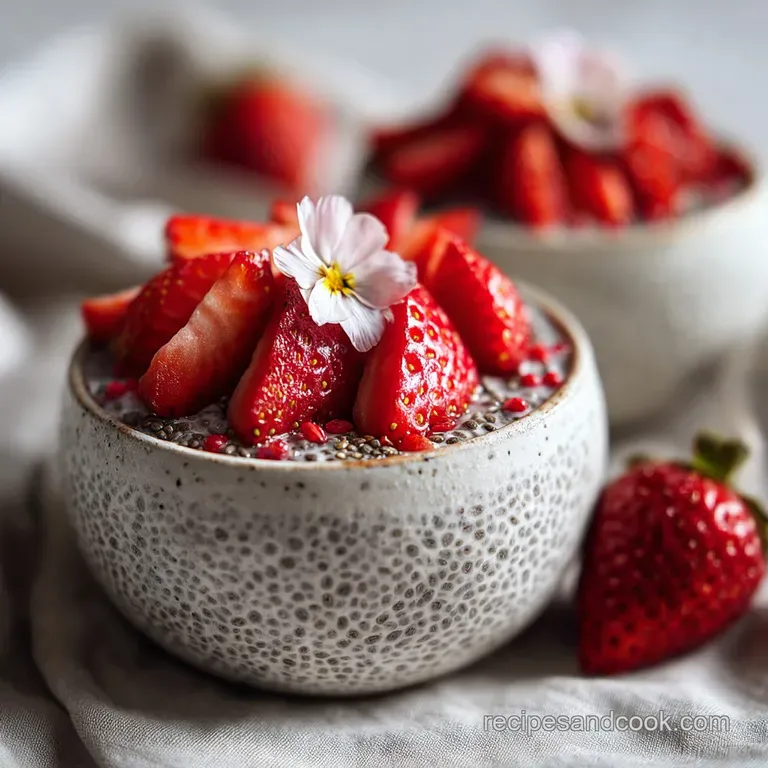
- Whisk the liquids. Combine the almond milk, vanilla bean paste, maple syrup, and coconut cream in a glass jar. Note: ensure the coconut cream is fully integrated without large lumps.
- Add the seeds. Pour in the 1/4 cup of chia seeds and the pinch of salt.
- Perform the first stir. Use a fork or a small whisk to stir vigorously for 60 seconds until no seeds are floating on top.
- Wait and rest. Let the jar sit on the counter for exactly 5 minutes. Note: this allows the initial mucilage to form around each individual seed.
- Perform the second stir. This is the most important part! Stir again for another minute until the mixture begins to feel slightly heavy.
- Seal and chill. Put the lid on the jar and place it in the fridge.
- Set the timer. Leave the pudding to hydrate for at least 3 hours 50 mins until it doesn't slosh when tilted.
- Final fluff. Before serving, give it one last stir to break up any remaining tiny clusters.
- Garnish and serve. Top with your favorite fruit or nuts for a bit of crunch.
Common Fixes for Texture Issues
Why Your Pudding Is Liquid
If your pudding looks more like soup after four hours, the ratio was likely off or the seeds were old. Chia seeds lose their gelling power as they age. If this happens, don't toss it! Just whisk in an extra teaspoon of seeds and give it another hour.
Why the Texture Is Gritty
This usually happens when the seeds aren't given that second stir after the five minute rest. They sink to the bottom and fuse into a hard layer. To fix this, you can actually pulse the mixture in a blender for 10 seconds to create a "smoothie" style pudding that still tastes great.
| Problem | Root Cause | Solution |
|---|---|---|
| Seed Clumps | No second stir | Whisk vigorously or use a milk frother to break them up. |
| Bitter Aftertaste | Rancid seeds | Check expiration; store seeds in the freezer to keep oils fresh. |
| Too Thick | Over absorption | Stir in 1-2 tablespoons of extra milk right before eating. |
- ✓ Use a wide mouth jar to make stirring and cleaning much easier.
- ✓ Always wait those full 5 minutes before the second stir to prevent "clump locking."
- ✓ Ensure your coconut cream is room temperature before mixing to prevent "beading."
- ✓ Give the jar a gentle shake halfway through the chilling process if you're passing the fridge.
- ✓ Don't skip the salt; it's the difference between "flat" and "vibrant" flavor.
Customizing for Specific Dietary Needs
If you're looking for other ways to start your morning, this Chia Pudding Recipe provides a great base for layering. For those who want more color, I love mixing in the vibrant pink purée used in my Dragon Fruit Recipes to turn this into a tropical treat.
For the Keto Friendly Version
To keep the carbs low, swap the maple syrup for a few drops of liquid monk fruit or stevia. The almond milk and chia seeds are already keto perfect, and the coconut cream provides the healthy fats you need to stay satiated.
Handling Nut Allergies
Simply replace the almond milk with soy, oat, or even hemp milk. Soy milk actually creates a very thick pudding because of its high protein content, which helps with the overall structure. Just keep an eye on the sweetness, as some alternative milks come heavily pre sweetened.
| Premium | Budget | Flavor Impact | Savings |
|---|---|---|---|
| Vanilla Bean Paste | Vanilla Extract | Less visual "specks", same aroma | $15.00 |
| Maple Syrup | Agave Nectar | Slightly more neutral sweetness | $3.00 |
| Almond Milk | Water + Creamer | Thinner body, less nutty | $2.00 |
Reducing costs doesn't have to mean sacrificing the soul of the dish. Using extract instead of paste is the easiest way to save money without your guests ever noticing the difference in taste.
Storing and Repurposing Your Batch
This pudding is the king of meal prep. It stays fresh in the fridge for up to 5 days, though the texture does get slightly denser after day three. I don't recommend freezing the fully hydrated pudding as the texture becomes a bit spongy once thawed, but you can freeze the dry seeds indefinitely.
If you have leftovers that you're tired of eating with a spoon, try throwing them into a blender with some frozen berries. The chia gel acts as a natural thickener for smoothies, giving them a velvety body without needing extra ice. You can also use the leftover pudding as a "jam" replacement on top of toast.
Visual Finishing for Cafe Aesthetics
To get that beautiful layered look you see in fancy cafes, don't just dump the toppings on. Start by spooning a little fruit compote or nut butter into the bottom of the glass. Add the pudding, then another layer of fruit, and finish with something that provides a "shatter" crunch, like toasted coconut flakes or sliced almonds.
Contrast is everything when it comes to the sensory experience of this dish. Since the pudding is so soft and silky, you really want something with a bit of bite. A few fresh raspberries add a necessary tang that cuts through the richness of the coconut cream and maple.
Three Ways to Level Up
- The Crunch Factor: Add a spoonful of granola or cacao nibs right before you take the first bite.
- The Swirl: Gently fold in a tablespoon of almond butter but don't mix it fully - leave those beautiful ribbons.
- The Zest: A tiny bit of lime or orange zest on top brightens the whole dish and makes it feel much more sophisticated.
Common Myths About Seed Recipes
Many people believe that you must grind chia seeds to get the nutritional benefits. This is actually a myth! Unlike flaxseeds, which have a tough outer hull that our bodies can't easily break down, the walls of chia seeds are thin enough that we can digest them whole.
Another common misconception is that chia seeds "suck the moisture" out of your body. While they do absorb a lot of liquid, eating them in pudding form means they are already fully hydrated. You're actually consuming more water this way than if you ate the seeds dry, so it's a win for hydration.
Finally,, you don't need "special" chia seeds for different recipes. Black and white seeds have nearly identical nutritional profiles and gelling properties. The only real difference is how they look in the final dish - white seeds are just a bit more subtle if you're trying to hide them from picky eaters!
Chia Seed Recipe FAQs
How do I get a thick, pudding like consistency with chia seeds?
Whisk thoroughly after a brief rest. Combine liquids and seeds, stir for 60 seconds, let sit for 5 minutes, then stir vigorously again for another minute until it feels heavy.
Can I substitute almond milk in a chia seed pudding recipe?
Yes, other plant based milks work well. Oat milk adds natural sweetness and body, while soy milk results in a very thick pudding due to its high protein content.
What's the difference between black and white chia seeds?
No significant nutritional or functional difference. Both black and white chia seeds have nearly identical nutritional profiles and gelling properties; the choice is purely aesthetic.
Why is my chia seed pudding still liquid after chilling?
Likely an issue with seed ratio or age. Ensure you're using a 1:4 ratio of seeds to liquid and that your seeds are fresh; older seeds lose their gelling power.
Is it true that chia seeds must be ground for nutrition?
No, this is a common misconception. Unlike flaxseeds, chia seeds have thin outer walls that our bodies can digest whole, allowing us to access their nutrients without grinding.
How long can chia seed pudding be stored?
Up to 5 days in the refrigerator. The texture may become denser after day three, but it remains safe and delicious to eat.
Can I make chia seed pudding with only water?
Yes, but it will be less creamy. Using water as the liquid base is possible, but adding a source of fat like coconut cream will significantly improve the texture and richness, similar to how healthy fats create a luxurious mouthfeel in our Pistachio Butter: Luxury Homemade Recipe for Vibrant, Silky Spread.
Chia Seed Pudding
Ingredients:
Instructions:
Nutrition Facts:
| Calories | 169 kcal |
|---|---|
| Protein | 4.1 g |
| Fat | 10.4 g |
| Carbs | 16.1 g |
| Fiber | 6.9 g |
| Sugar | 6.7 g |
| Sodium | 110 mg |
