Best New Years Cocktail with Champagne

- Effort/Time: 5 minutes total prep
- Flavor Hook: Bittersweet effervescence with a warm, mahogany-toned cognac finish
- Perfect for: Midnight toasts and nostalgic holiday gatherings
Master the Ultimate Best New Years Cocktail with Champagne
There is nothing more disheartening than a flat, tepid drink when the clock strikes midnight, especially after investing in a high end bottle of bubbly. I remember one specific New Year's Eve where I tried to pre-pour twenty glasses of this Best New Years Cocktail with Champagne thirty minutes before the countdown, thinking I was being efficient.
By the time my friends reached for their flutes, the vibrant "fizz" had vanished, leaving behind a syrupy, cloying liquid that tasted more like medicine than a celebration. It was a costly mistake that taught me everything about the delicate physics of carbonation.
I spent the next three years testing the interaction between sugar density and CO2 retention. I destroyed several batches of expensive Brut by using the wrong glassware and pouring too aggressively, which caused the bubbles to "flash off" instantly.
I realized that the secret isn't just the quality of the grape; it's the preparation of the vessel and the timing of the spirit addition. Through trial and error, I discovered that the cognac provides a structural backbone that prevents the sugar from feeling one-dimensional, while the bitters act as a bridge between the fruit and the oak.
Preparing the Best New Years Cocktail with Champagne correctly hinges on this precise chemical balancing act.
The scientific revelation that changed everything was understanding nucleation sites. A sugar cube isn't just for sweetness; its jagged, porous surface provides thousands of tiny points for gas molecules to gather and rise. This creates a vertical "shimmer" in the glass that persists until the last sip.
When you pair this with the velvety texture of a fine Cognac and the aromatic lift of expressed lemon oils, you aren't just serving a drink you're serving a sensory experience that feels both traditional and sophisticated.
Mastering this Best New Years Cocktail with Champagne is key to any successful midnight toast.
The Molecular Magic of Effervescence and Aroma Release
The success of this New Years Cocktail with Champagne depends on managing gas solubility and aromatic volatility. Understanding these principles ensures your drink remains active and fragrant throughout the toast.
This is precisely why the science behind the Best New Years Cocktail with Champagne is so important.
- Controlled Nucleation: The rough surface of the white sugar cube acts as a catalyst, pulling dissolved CO2 out of the liquid to create a steady stream of bubbles.
- Aromatic Volatility: 3 dashes Angostura bitters saturate the cube, allowing the carbonation to "scrub" the botanical aromas and carry them to the surface.
- Ethanol Sugar Interaction: The 15 ml Cognac or Brandy creates a density gradient that slows the dissolution of the sugar, ensuring the drink doesn't become overly sweet too quickly.
- Thermal Stability: Chilled glassware reduces the kinetic energy of the CO2 molecules, preventing the champagne from foaming over during the pour.
Strategic Planning for Seamless Festive Party Hosting
To execute this New Years Cocktail with Champagne with precision, you need to manage your timeline. This plan ensures the bubbles are at their peak when the ball drops.
| Phase | Action | Goal |
|---|---|---|
| T-Minus 1 Hour | Chill flutes and 120 ml chilled Brut Champagne in the coldest part of the fridge. | Maximize gas solubility. |
| T-Minus 15 Mins | Express the 1 long strip of lemon peel and prep the sugar cubes with bitters. | Ready the aromatic base. |
| The Midnight Pour | Combine the cognac, bitters soaked cube, and champagne in a steady stream. | Optimal effervescence. |
The Chemistry of Quality Spirits and Sweeteners
Selecting the right elements for your Years Cocktail with Champagne requires an understanding of how tannins and sugars interact with acidity. The ingredients selected here are foundational to any truly great Best New Years Cocktail with Champagne.
Ingredient Chemistry Breakdown
| Ingredient | Chemical/Physical Role (Science) | The Pro Secret (Why This Matters) |
|---|---|---|
| 120 ml chilled Brut Champagne | High acidity and CO2 pressure (5 6 atmospheres) | Provides the "lift" and cuts through the sugar density |
| 15 ml Cognac or Brandy | Ethanol based solvent for wood aged vanillin | Adds mahogany depth and body to the mid-palate |
| 1 white sugar cube | Porous solid providing nucleation sites | Creates a sustained visual "sparkle" and slow release sweetness |
| 3 dashes Angostura bitters | Herbal extracts and cinchona bark alkaloids | Balances the fruitiness with a sophisticated, bitter finish |
- 120 ml chilled Brut Champagne: Why this? Brut’s low residual sugar prevents the drink from becoming syrupy after adding the cube. Use a high-quality brand like Veuve Clicquot Yellow Label for consistent carbonation.
- 15 ml Cognac or Brandy: Why this? The high ABV stabilizes the foam and adds complex oak notes. I prefer Rémy Martin VSOP for its velvety finish.
- 1 white sugar cube: Why this? Standard cubes have the specific porosity required for steady bubble release.
- 1 long strip of lemon peel: Why this? Essential oils in the zest provide the primary olfactory trigger.
Essential Professional Barware for Precision Mixology
You don't need a full bar, but specific tools are non-negotiable for this Years Cocktail with Champagne.
- Riedel Veritas Champagne Wine Glass: The narrow base and wider bowl allow for better aroma collection than a traditional skinny flute.
- Barfly Japanese Style Jigger: Accuracy with the 15 ml Cognac is vital; too much alcohol will kill the delicate bubbles.
- Oxo Good Grips Swivel Peeler: Perfect for getting a long, clean strip of lemon peel without the bitter white pith.
- Small Glass Ramekin: Use this to soak the sugar cube in bitters before placing it in the glass to avoid splashing.
The Atomic Protocol for a Perfect Pour
Follow these steps for a Cocktail with Champagne that maintains its structure from the first clink to the final sip. Achieving this structure is what separates an average drink from the Best New Years Cocktail with Champagne.
- Place 1 white sugar cube in a small saucer. Note: This prevents bitters from staining the bottom of your serving glass prematurely.
- Saturate the cube with 3 dashes Angostura bitters until the cube turns a consistent mahogany color.
- Transfer the soaked cube into a chilled champagne flute using a small spoon. Note: Handling with tools avoids transferring oils from your hands to the glass.
- Measure 15 ml Cognac or Brandy into a jigger.
- Pour the cognac over the sugar cube until the liquid pools at the bottom of the glass.
- Tilt the glass to a 45 degree angle. Note: This minimizes the impact force of the champagne, preserving carbonation.
- Slow pour 120 ml chilled Brut Champagne down the side of the glass until the foam (mousse) reaches the rim.
- Wait 5 seconds until the initial foam subsides, then top off the remaining champagne.
- Twist 1 long strip of lemon peel over the glass until you see a fine mist of oils land on the surface.
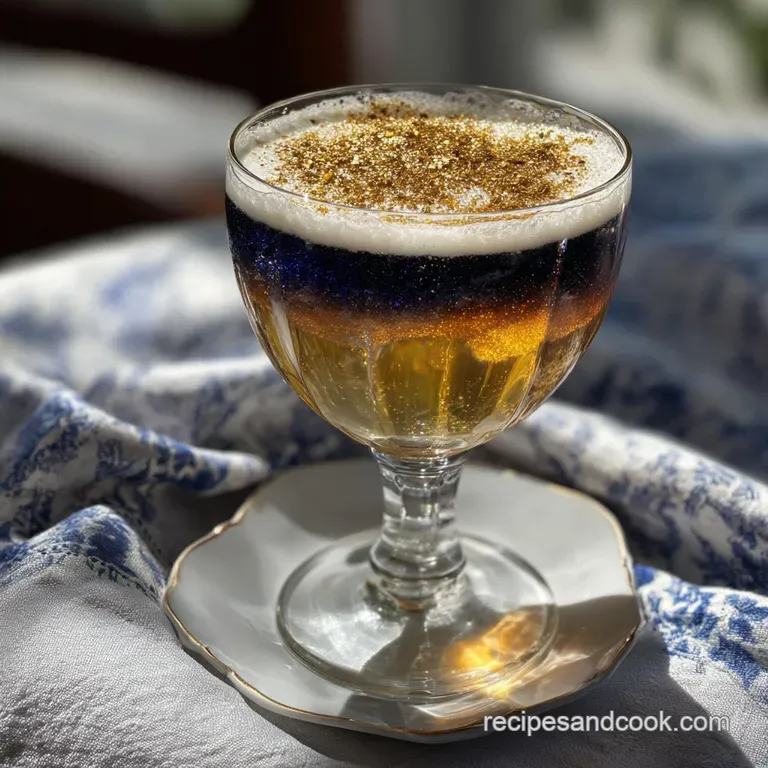
- Drop the lemon peel into the glass and sprinkle 0.1 g edible gold flakes until they float atop the golden bubbles.
Solving the Mystery of Flat or Over Sweet Drinks
If your Cocktail with Champagne isn't performing as expected, it's usually a matter of temperature or technique. Pair these with my Sugar Cookie Cutout Recipe for a nostalgic treat that balances the drink's acidity. A poorly executed version will never live up to the reputation of the Best New Years Cocktail with Champagne.
Why Your Drink Goes Flat
When champagne hits a warm glass or a dry sugar cube too fast, the CO2 undergoes "rapid degassing." This is why a gentle pour is mandatory.
| Problem | Root Cause | The Fix | Pro Protocol |
|---|---|---|---|
| No Bubbles | Champagne is too warm | Chill to 45°F (7°C) | Store bottles in an ice-salt bath for 20 mins |
| Too Sweet | Sugar dissolved too fast | Use Cognac first | The spirit creates a barrier that slows dissolution |
| Metallic Taste | Poor quality bitters | Replace Angostura | Check expiration; old bitters lose their botanical "snap" |
⚗️ The Scaling Lab: Physics of the Crowd
Scaling a Cocktail with Champagne for a party requires a different approach than a single serving. This section shows how to scale the Best New Years Cocktail with Champagne successfully.
- The Evaporation Paradox: Never "pre-mix" the champagne with the cognac in a pitcher. The surface area of a pitcher causes CO2 to escape 40% faster than in a bottle. Reduce added spirits by 10% if batching the base to prevent the alcohol from overpowering the wine.
- Pan Crowding (Thermal Mass): If you're chilling twenty glasses in one fridge, the internal temp will rise. Drop your fridge temp by 5°F three hours before the party to compensate for the "door opening" heat loss.
- Flavor Saturation: When making 10+ drinks, scale the bitters to 1.5x (not 2x). The spice notes of Angostura are potent and can easily dominate a large batch.
- Carry Over Fizz: A larger volume of liquid in a flute stays carbonated longer than a shallow coupe. If serving a crowd, stick to tall flutes to maintain the "shimmer" for guests who mingle.
Creative Flavor Shifts for Unique Festive Celebrations
While the traditional version is timeless, you can adapt the New Years Cocktail with Champagne to suit different palates. If you want a moodier, scotch based alternative for the whiskey lovers in the room, try the Rusty Nail Cocktail recipe instead. These variations ensure the spirit of the Best New Years Cocktail with Champagne lives on.
- The Pomegranate Midnight: Swap the lemon peel for three fresh pomegranate arils. The acidity of the pomegranate complements the Brut's dryness.
- The Virgin Sparkler: Use a non-alcoholic sparkling cider and 15 ml of strong black tea (for tannins) instead of Cognac.
- The Grand Marnier Twist: Use an orange based liqueur instead of Brandy for a more citrus heavy, floral profile.
Chef's Tip: If you want a more intense citrus aroma, "wipe" the rim of the glass with the lemon peel before dropping it in. The friction releases more oils directly onto the drinker's lips.
Preserving the Sparkle: Cold Chain and Carbonation Security
Since this Cocktail with Champagne is best served fresh, storage is mostly about the raw components. The freshness of the ingredients is vital for ensuring your final Best New Years Cocktail with Champagne meets high expectations.
- Champagne: Once opened, use a professional pressure stopper. It will stay bubbly for 24 hours in the fridge, but for NYE, open a fresh bottle every 6 servings.
- Cognac: Store in a cool, dark place. The high ABV means it won't degrade, making it a perfect shortcut for last minute entertaining.
- Lemon Peels: Prep these no more than 30 minutes ahead. If they dry out, the oils become gummy and lose their "shattering" brightness.
💡 ZERO WASTE: Don't discard the lemon carcass! Transform: Use the leftover fruit to make a lemon simple syrup or zest it into our Sloppy Joe Recipe sauce for a bright kick. Science: The citric acid acts as a natural preservative and flavor enhancer.
Timeless Comfort Pairings for New Years Celebrations
Serving a Cocktail with Champagne is about more than just the drink; it's about the atmosphere of togetherness.
- Savory Pairing: Salty appetizers like parmesan crisps or gougères. The salt enhances the perception of the champagne's fruitiness while the fat coats the palate against the bubbles' "scrubbing" action.
- Sweet Pairing: Shortbread or a light fruit tart. Avoid heavy chocolate, which can make the champagne taste thin and metallic.
If you want X, do Y:If you want more fizz, use a glass with a "nucleation point" (a small etch at the bottom). If you want it dryer, use an "Extra Brut" or "Brut Nature" champagne.
If you want it sweeter, double the cognac to 30 ml and use a larger sugar cube.
This Best New Years Cocktail with Champagne is the ultimate way to bring people together. It’s a drink that respects tradition while using modern shortcuts like pre-chilled glassware and high-quality spirits to ensure success. Now, go grab your favorite bottle and let's get to celebrating!
Recipe FAQs
What is the key scientific principle behind this cocktail's sustained fizz?
Controlled nucleation via the sugar cube. The rough surface of the sugar cube provides thousands of nucleation sites for CO2 to form stable, continuous bubbles that carry aromatics upward. Mastering this release kinetic control is key to complex flavor delivery, similar to the way precise heat management controls texture in our Scones Recipe: The Best Flaky Buttermilk Scones.
Can I make this cocktail ahead of time in a large batch?
No, never mix the champagne in advance. Pitcher aeration dramatically increases CO2 escape, resulting in a flat drink within minutes. Keep the base spirits (Cognac/bitters/sugar) separate until the final pour.
What champagne dryness level works best: Brut or Extra Dry?
Brut champagne is superior for balance. Extra Dry contains slightly more residual sugar, which clashes with the added sugar cube, making the final cocktail overly cloying. Brut offers the necessary high acidity to cut through the sweetness.
Why is my cocktail tasting metallic or sharp after adding the bitters?
Old bitters lose their aromatic structure, emphasizing bitterness. Aged bitters have oxidized volatile compounds, which exposes harsh phenolic notes instead of balanced botanicals.
- Use fresh opened Angostura within 1 year
- Avoid letting the sugar cube soak too long
- Ensure glassware is completely dry before starting
Is it acceptable to substitute Cognac with bourbon for this recipe?
Bourbon introduces too much oak and vanilla tannin. Cognac's smooth, grape derived base integrates more seamlessly with the champagne's acidity, whereas bourbon’s strong corn ester profile overwhelms the delicate carbonation lift.
Myth: Shaking the champagne with the other ingredients enhances the flavor.
Myth: Shaking introduces flavor. Reality: Shaking violently strips dissolved CO2 gas instantly due to extreme agitation, creating a flat, overly foamy texture before it even reaches the glass.
What garnish best maximizes the aromatic experience of this New Years drink?
Twisting a fresh lemon peel over the surface is mandatory. Expressing the essential oils directly onto the mousse maximizes the initial olfactory trigger, which is critical since aroma dictates 80% of perceived taste in cocktails.
Champagne Cocktail For New Years
Ingredients:
Instructions:
Nutrition Facts:
| Calories | 144 calories |
|---|---|
| Protein | 0.1 g |
| Fat | 0 g |
| Carbs | 6.2 g |
| Fiber | 0 g |
| Sugar | 5.6 g |
| Sodium | 5 mg |
