Caribbean Lamb Stew with Potatoes
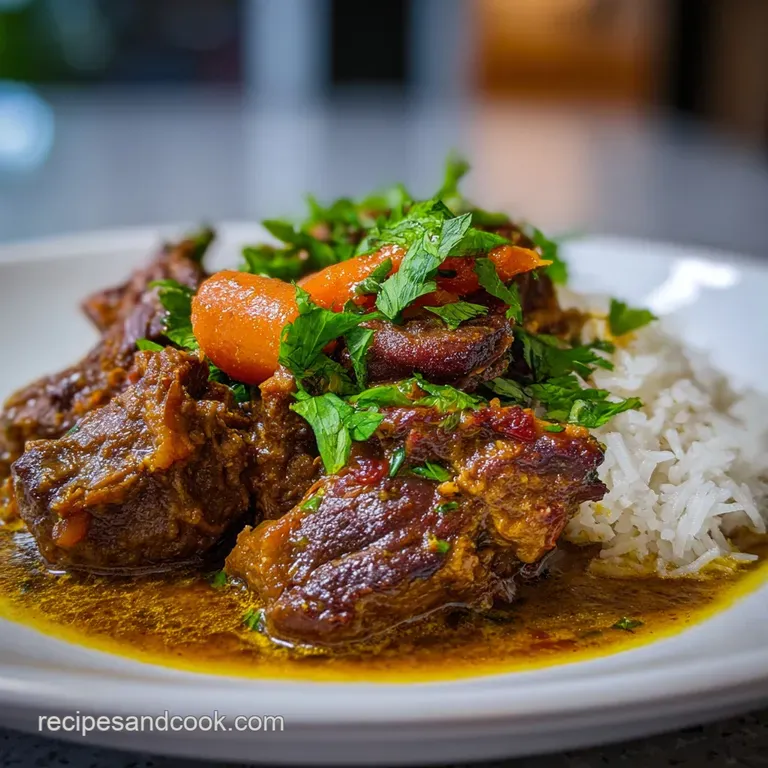
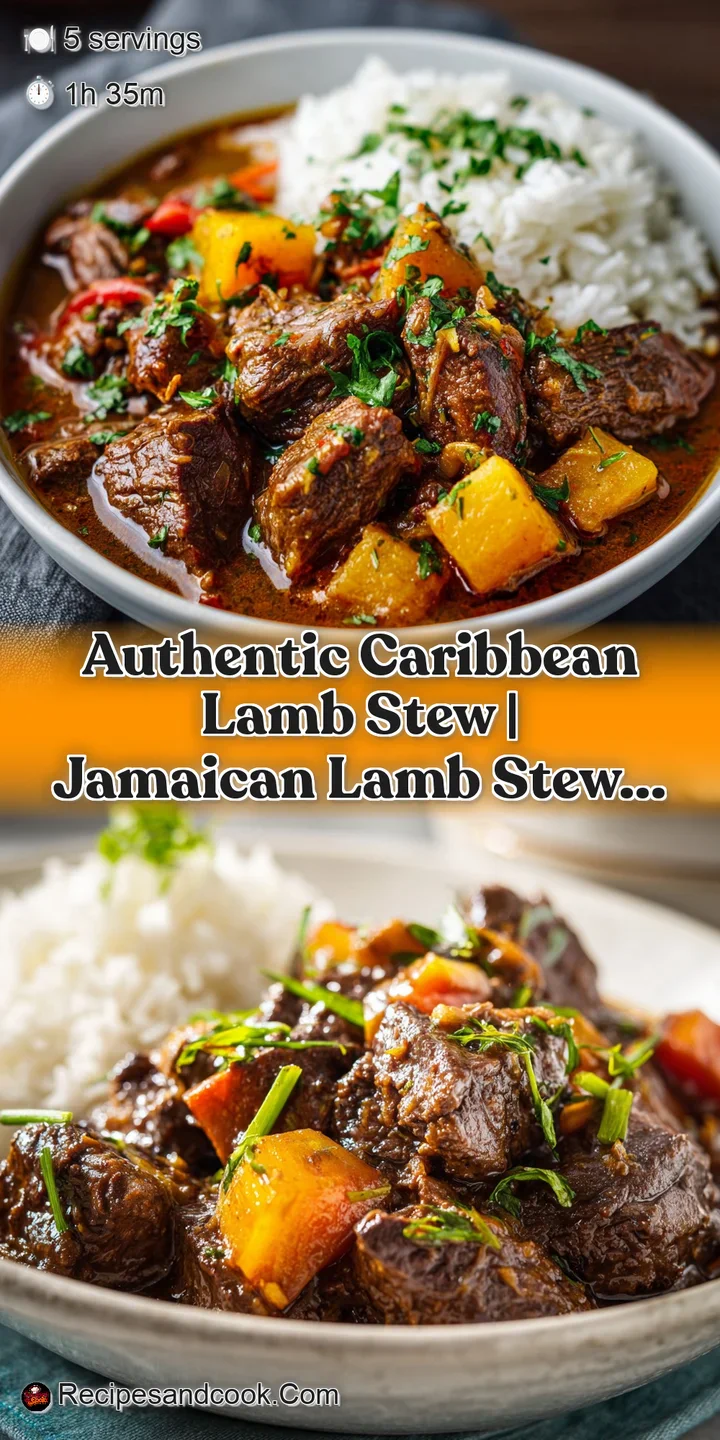
- Time: Active 20 minutes, Passive 1 hours 15 mins, Total 1 hours 35 mins
- Flavor/Texture Hook: Fork tender lamb in a silky, mahogany gravy
- Perfect for: Weekend family gatherings or a warming Sunday feast
- Authentic Flavors: Making My Caribbean Lamb Stew
- The Science of Meat Tenderness
- Component Analysis: The Flavor Foundation
- Selecting the Best Global Ingredients
- Essential Tools for Heavy Braising
- Step-by-Step Master Braising Guide
- Solving Common Kitchen Stew Disasters
- Scaling for Larger Crowds
- Creative Variations for Global Flavors
- Proper Storage and Reheating Guidelines
- Plating Techniques for Visual Impact
- Recipe FAQs
- 📝 Recipe Card
Authentic Flavors: Making My Caribbean Lamb Stew
The first time I tried to make a real Caribbean Lamb Stew, I almost called the fire department. I was standing in a tiny kitchen, watching coconut sugar transform from white crystals into a bubbling, black liquid. I thought I'd ruined it.
I was ready to toss the pan, but then I smelled it, a deep, nutty, slightly smoky aroma that wasn't burnt, but transformed. That's when I realized that the secret to this dish isn't just the meat, it's the courage to let that sugar get dark enough to build the "browning" that defines the soul of island cooking.
We aren't just making a soup here. We are building layers of flavor that start with a vibrant green seasoning and end with the slow, rhythmic simmer of bone broth and pimento berries. If you've ever had a stew that felt "thin" or lacked that certain something, it's usually because the base wasn't developed correctly.
I've spent years tweaking this, moving away from heavy salt and towards fresh aromatics like ginger and thyme.
Trust me, once you see that lamb hit the caramelized sugar and hear that distinctive sizzle, you'll never go back to browning meat in plain oil. This dish is about transformation. It's about how simple ingredients like potatoes and carrots can absorb the essence of a Scotch Bonnet pepper without the "blow your head off" heat.
We're going for a velvety finish that coats the back of a spoon and makes your whole house smell like a tropical holiday.
The Science of Meat Tenderness
Collagen Conversion: The low and slow heat transforms tough connective tissue in the lamb shoulder into gelatin, resulting in a silky mouthfeel and fork tender texture.
Maillard Reaction: Caramelizing the coconut sugar before adding the meat creates a complex chemical reaction that develops hundreds of different flavor compounds not found in raw sugar.
Capsaicin Infusion: By keeping the Scotch Bonnet pepper whole, we allow the aromatic oils in the skin to perfume the stew while keeping the spicy seeds contained.
Starch Gelatinization: As the Yukon Gold potatoes simmer, they release starches that act as a natural thickener, binding the beef bone broth into a rich gravy.
| Thickness of Lamb | Internal Temp | Rest Time | Visual Cue |
|---|---|---|---|
| 1.5 inch cubes | 195°F (90°C) | 10 mins | Meat pulls apart with a fork |
| 1 inch cubes | 195°F (90°C) | 10 mins | Cubes lose their sharp edges |
| 2 inch cubes | 195°F (90°C) | 15 mins | Surface appears dark and glossy |
If you love the depth of a long simmered meal but want something lighter for your next dinner, my Vegan Crockpot Recipes offer a fantastic plant based alternative that still packs a massive flavor punch.
Component Analysis: The Flavor Foundation
| Ingredient | Science Role | Pro Secret |
|---|---|---|
| Lamb Shoulder | High fat/collagen content | Trim the thickest fat caps but leave the silver skin for better gelatin |
| Pimento Berries | Phenol rich aromatic | Crush them just before use to release the volatile oils for a woody scent |
| Avocado Oil | High smoke point | Using this allows the sugar to reach the caramelization stage without the oil breaking down |
| Scotch Bonnet | Aromatic heat | Look for peppers with tight, shiny skin; they have the most potent floral notes |
You'll find that the pimento berries (also known as allspice) are what give this dish its distinctive "brown stew" identity. They bridge the gap between the savory lamb and the sweetness of the carrots.
Selecting the Best Global Ingredients
To get this right, you'll need to head to your local market for the freshest aromatics. Here is exactly what I use for my Caribbean Lamb Stew:
- 2 lbs lamb shoulder: Cut into 1.5 inch cubes.
Why this? Shoulder has the perfect fat to meat ratio for long braising.
- Substitute: Beef chuck or goat meat (results will be slightly leaner).
- 2 tbsp green seasoning: A blend of scallions, garlic, ginger, and thyme.
Why this? This is the marinade base that tenderizes the meat fibers.
- Substitute: Finely minced fresh herbs and double the garlic.
- 1 tbsp low sodium soy sauce: For that essential umami saltiness.
- Substitute: Tamari for a gluten-free version.
- 1 tsp pimento berries: Crushed.
Why this? Provides the characteristic warm, spicy scent of the islands.
- Substitute: 1/2 tsp ground allspice.
- 1 tbsp Worcestershire sauce: Adds acidity and depth.
- Substitute: Balsamic vinegar.
- 1 tbsp avocado oil: For the browning process.
- Substitute: Grapeseed oil.
- 1.5 tbsp coconut sugar: To create the mahogany base.
Why this? It has a lower melting point and richer flavor than white sugar.
- Substitute: Brown sugar.
- 1 large yellow onion: Chopped.
- 3 cloves garlic: Minced.
- 2 medium carrots: Sliced into rounds.
- 2 large Yukon Gold potatoes: Cubed.
Why this? They hold their shape better than Russets during the simmer.
- Substitute: Red potatoes.
- 1 whole Scotch Bonnet pepper: Essential for flavor.
- 3 sprigs fresh thyme: Adds an earthy finish.
- 2 cups low sodium beef bone broth: For the liquid base.
Chef's Tip: Freeze your ginger for 10 mins before grating. It makes it much easier to handle and prevents it from becoming a stringy mess in your marinade.
Essential Tools for Heavy Braising
You don't need a kitchen full of gadgets, but a heavy bottomed pot is non negotiable here. A cast iron Dutch oven (like a Le Creuset or Lodge) is your best friend because it distributes heat evenly, preventing the sugar from burning in "hot spots."
I also recommend using a wooden spoon for the browning stage. Metal spoons conduct heat too quickly and can get uncomfortably hot when you're stirring that bubbling sugar. If you're sensitive to pepper heat, keep a pair of gloves handy for handling the Scotch Bonnet, although we're keeping it whole for this recipe to minimize the fire.
step-by-step Master Braising Guide
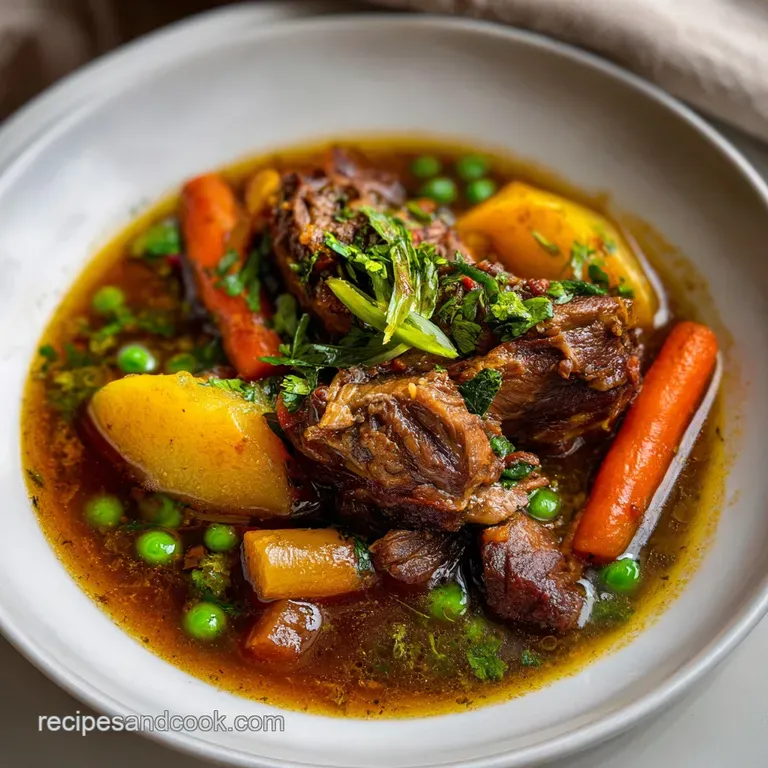
- Marinate the lamb. Combine the lamb cubes with green seasoning, soy sauce, pimento berries, and Worcestershire sauce. Note: Let this sit for at least 30 mins to allow the enzymes to work.
- Heat the oil. Add avocado oil to your heavy pot over medium high heat until it shimmers slightly.
- Caramelize the sugar. Sprinkle coconut sugar into the oil. Do not stir immediately. Wait until it bubbles and turns a dark, foamy amber.
- Brown the meat. Carefully add the marinated lamb to the pot. Cook for 5 mins until the meat is coated in a deep brown crust.
- Sauté aromatics. Toss in the onions and garlic. Stir until the onions are translucent and the garlic smells fragrant.
- Add vegetables. Layer in the carrots and potatoes, stirring to coat them in the browning liquid.
- Deglaze the pot. Pour in the beef bone broth, scraping the bottom with your spoon to release all the flavorful bits.
- Season and simmer. Place the whole Scotch Bonnet, thyme sprigs, and any leftover marinade into the pot.
- Cook low and slow. Reduce heat to low, cover, and simmer for 1 hours 15 mins until the lamb is tender and the gravy is thick.
- Final check. Remove the Scotch Bonnet and thyme stems before serving.
| Fresh Ingredients | Shortcut Ingredients | Flavor Impact |
|---|---|---|
| Homemade Green Seasoning | store-bought paste | Fresh is brighter; store-bought is saltier |
| Fresh Pimento Berries | Ground Allspice | Fresh is more aromatic; ground is more intense |
| Bone Broth | Bouillon Cube | Broth adds body; bouillon adds mostly salt |
Adding a splash of espresso to the stew halfway through the cooking process can mimic the depth of a 4 hour braise if you're short on time. It sounds strange, but it deepens the savory notes of the lamb beautifully.
Solving Common Kitchen Stew Disasters
Fixing Bitter Sauce Tones
If your sugar goes too far and turns black instead of dark amber, it will taste bitter. This bitterness can ruin the entire batch. If you smell smoke or the sugar looks like charcoal, it's better to wipe the pot and start the browning step over.
Correcting Thin Gravy Consistency
Sometimes the potatoes don't release enough starch, or the lid wasn't tight enough, leaving you with a watery mess. Don't worry, we can fix this without losing flavor.
| Problem | Root Cause | Solution |
|---|---|---|
| Bitter aftertaste | Sugar was scorched | Add a teaspoon of honey or a squeeze of lime to balance |
| Tough lamb meat | Simmered too fast | Reduce heat and add 15 mins of cook time |
| Greasy surface | Fat didn't emulsify | Skim the top with a spoon or use a paper towel to blot |
- ✓ Always pat your lamb dry before marinating if it's been frozen (prevents steaming).
- ✓ Keep the Scotch Bonnet whole to avoid unintentional spicy explosions.
- ✓ Don't skip the deglazing step - those brown bits on the bottom are pure flavor.
- ✓ Let the stew rest for 10 minutes after cooking to allow the juices to redistribute.
- ✓ Use a heavy lid to ensure the moisture stays inside the pot.
Scaling for Larger Crowds
When doubling this Caribbean Lamb Stew for a party, don't just double the salt and spices. Scale the meat and vegetables 2x, but keep the pimento berries and Scotch Bonnet at 1.5x to start. You can always add more heat, but you can't take it away.
For smaller portions (cutting the recipe in half), use a smaller pot. If the pot is too wide, the broth will evaporate too quickly, leaving the lamb dry. Reduce the cooking time by about 10-15% and check the meat tenderness at the 1 hour mark.
Creative Variations for Global Flavors
Slow Cooker Adaptation Method
If you want to set it and forget it, brown the sugar and the meat in a skillet first. Transfer everything to the slow cooker and cook on low for 6 to 7 hours. Reduce the broth by 1/2 cup since you won't have as much evaporation.
Vegan Flavor Substitutes
To make a "Brown Stew" vegetable version, use chunky mushrooms or jackfruit. Replace the bone broth with a mushroom based stock and follow the same browning process for the sugar to keep that authentic mahogany color.
Proper Storage and Reheating Guidelines
Fridge Storage: This stew is actually better the next day. Keep it in an airtight container for up to 4 days. The gravy will thicken into a gel like consistency when cold; this is just the collagen from the bone broth.
Freezing: This freezes beautifully for up to 3 months. Leave about an inch of space at the top of your container because the liquid will expand as it freezes.
Reheating: Thaw overnight in the fridge. Reheat on the stovetop over low heat, adding a splash of water or broth to loosen the gravy. Avoid the microwave if possible, as it can make the lamb rubbery.
Zero Waste Tip: Don't throw away the potato peels or onion ends. Toss them into a freezer bag. Once the bag is full, boil them with water to make your own vegetable scrap broth for the next time you make this dish.
Plating Techniques for Visual Impact
Traditional Side Pairing Options
Serve this in a shallow bowl over a bed of coconut rice and peas. The rice acts as a sponge for the velvety gravy. A side of fried sweet plantains adds a beautiful golden contrast to the deep brown stew.
Plating Like a Pro
Garnish with fresh scallions sliced on a sharp bias and a few sprigs of fresh thyme. If you want to show off, serve it with a slice of hard dough bread to soak up the final drops of sauce. The contrast between the dark, rich meat and the bright green onions makes the dish pop on the plate.
Chef's Tip: If you find the stew too rich, serve it with a quick slaw of cabbage and vinegar. The acidity cuts right through the fat of the lamb, keeping every bite fresh.
The aroma of this stew the spicy allspice, the floral pepper, and the nutty sugar is something you'll start to crave as soon as the weather turns cold. It's a dish that tells a story, and now you have the tools to tell it perfectly in your own kitchen.
Keep the heat low, the sugar dark, and the scotch bonnet whole, and you'll have a masterpiece every time. Enjoy the process!
Recipe FAQs
What is a Jamaican stew called?
It is often referred to as "Brown Stew." This name comes from the traditional technique of caramelizing coconut sugar to create a deep mahogany color foundation.
What are common mistakes when making lamb stew?
Scorching the coconut sugar is the most common mistake. If the sugar turns black instead of dark amber, the stew will taste bitter, so monitor that caramelization closely.
What is a traditional Greek lamb stew called?
That would typically be Stifado or Kleftiko. While both are slow cooked lamb dishes, they rely on different aromatic profiles, usually heavy on oregano and wine, unlike the allspice and brown sugar base of Caribbean stew.
How to make Caribbean lamb curry?
Sauté your curry powder with the onions and garlic before adding the broth. This dish is technically a stew, but adding 2-3 tablespoons of Jamaican curry powder at the sauté stage will shift the flavor profile toward curry.
Can I make this stew ahead of time?
Yes, this stew improves overnight. The flavors marry and deepen during refrigeration, making it ideal to cook one day and serve the next.
Is the Scotch Bonnet pepper supposed to make the stew extremely spicy?
No, it's primarily for fragrance when kept whole. Keeping the pepper whole infuses the stew with its beautiful floral oils; only piercing or chopping the pepper releases significant heat.
What meat cut is best for achieving fork tender results?
Lamb shoulder is the superior choice for braising. It contains the ideal amount of connective tissue (collagen) which breaks down into velvety gelatin during the long, slow simmer.
Caribbean Lamb Stew Recipe
Ingredients:
Instructions:
Nutrition Facts:
| Calories | 528 kcal |
|---|---|
| Protein | 41.5 g |
| Fat | 27.4 g |
| Carbs | 26.8 g |
| Fiber | 3.9 g |
| Sugar | 6.2 g |
| Sodium | 765 mg |
