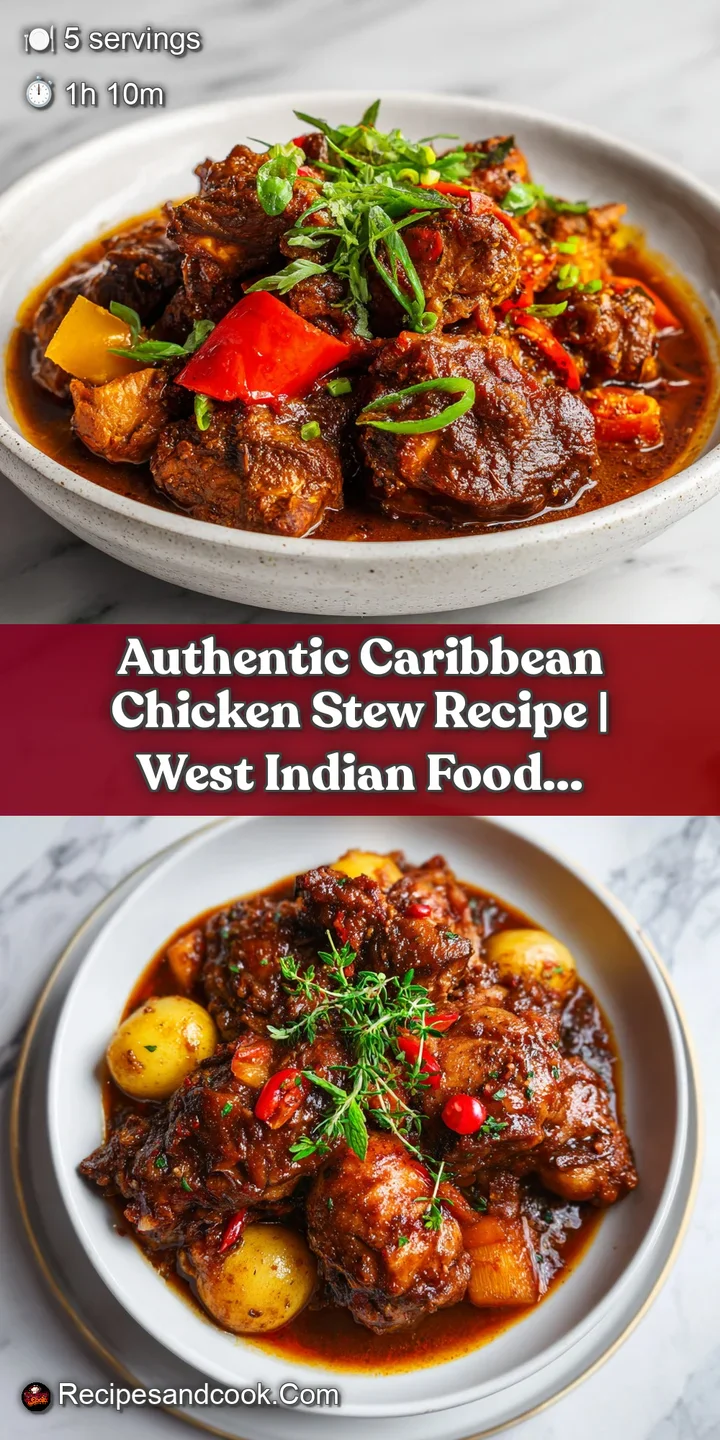
Caribbean Chicken Stew: Rich & Tender
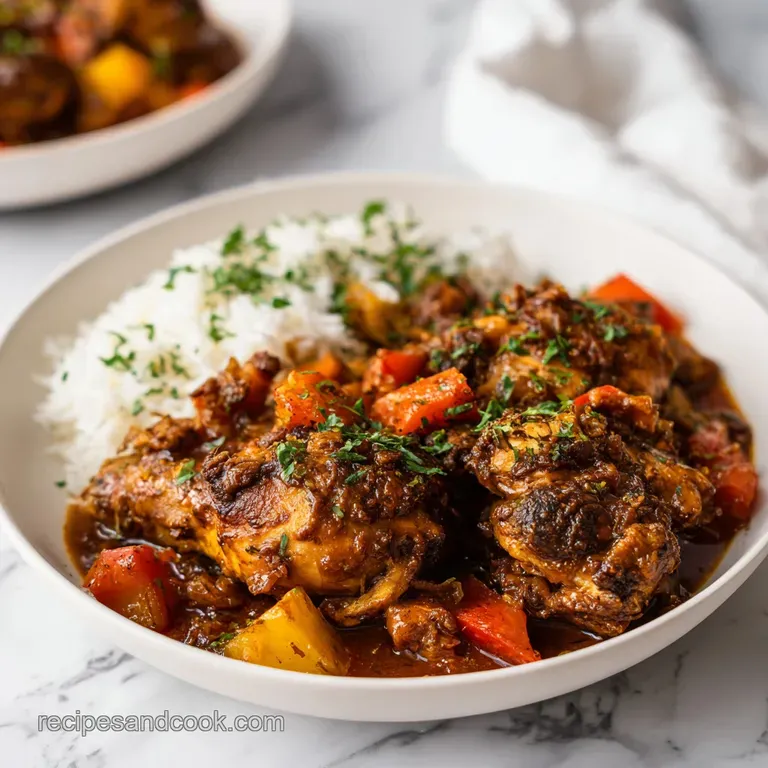
- Time: Active 20 minutes, Passive 50 minutes, Total 1 hour 10 minutes
- Flavor/Texture Hook: Silky, sweet savory gravy with a hint of scotch bonnet heat.
- Perfect for: Sunday dinner or a batch cooking session that fuels your week.
- Mastering the Authentic Caribbean Chicken Stew
- The Science of Flavor Layers
- Essential Recipe Specifications
- Selecting Your Flavor Elements
- Necessary Cooking Tools
- Detailed Step-by-Step Instructions
- Fixing Common Cooking Errors
- Smart Variations and Swaps
- Freshness and Storage Guide
- Perfect Side Dish Pairings
- Common Myths
- High in Sodium
- Recipe FAQs
- 📝 Recipe Card
Mastering the Authentic Caribbean Chicken Stew
The first time I tried to make this stew, I made a classic beginner mistake. I stood over the pot, watching the brown sugar melt, and I got scared. It started to smoke and turn a terrifyingly dark shade of obsidian.
I pulled the pot off the heat too early, and my stew ended up looking like a pale, weak imitation of the vibrant, dark plates I’d seen in Kingston. I learned that day that the "browning" is a leap of faith.
You have to wait for that moment when the sugar foams up like dark lace that's where the magic happens.
Walking into a kitchen where this stew is simmering is a sensory overload. The air is heavy with the scent of fresh thyme and the warm, clove like hum of pimento berries. There’s a specific sizzle that happens when the marinated chicken hits that hot, caramelized sugar.
It’s a sound that promises a deep, complex crust and a velvety sauce that you’ll want to mop up with every bit of rice on your plate. We're not just making a meal here; we're building layers of history and flavor in a single pot.
This recipe isn't about rushing. It’s about letting the chicken thighs release their collagen and the onions melt into the broth until everything is unified. I’ve tested this dozens of times to make sure the balance of soy sauce, ginger, and scotch bonnet is just right.
You'll find that the scotch bonnet pepper, when left whole, acts like a tea bag of flavor infusing the stew with a floral, fruity aroma without making your eyes water from the heat. Let’s get into how we make this happen.
The Science of Flavor Layers
Understanding how these ingredients interact transforms you from a recipe follower into a cook who just knows. Here is why this specific method produces such a distinct result.
- Maillard Reaction: Searing the 3 lbs chicken thighs in the caramelized sugar base creates hundreds of new flavor compounds that raw stewing simply cannot match.
- Caramelization Depth: Browning the sugar past the sweet stage introduces a controlled bitterness that cuts through the rich fat of the skin on thighs.
- Capsaicin Diffusion: Keeping the scotch bonnet whole limits the release of oils from the inner membranes, providing aroma rather than raw burning heat.
- Collagen Breakdown: Simmering bone in thighs for 50 minutes allows connective tissue to transform into gelatin, giving the sauce a naturally thick, velvety mouthfeel.
| Chicken Part | Internal Temp | Rest Time | Visual Cue |
|---|---|---|---|
| Bone in Thigh | 175°F | 5 minutes | Meat begins to pull away from the bone |
| Chicken Drumsticks | 180°F | 5 minutes | Skin is dark, tight, and glistening |
| Chicken Breast (Sub) | 165°F | 3 minutes | Center is opaque and juices run clear |
Selecting the right cut of meat is vital for this dish. While you could use breasts, they often dry out before the sauce has a chance to develop its full body. I always recommend the 3 lbs chicken thighs for that perfect balance of juice and flavor. If you're looking for something lighter but still packed with flavor, you might enjoy my Lemon Chicken and recipe which uses a completely different citrus based technique.
Essential Recipe Specifications
Before we start, let's look at the best way to handle this Caribbean Chicken Stew based on your kitchen setup. While the stove top is traditional, the oven offers a set it and forget it convenience that works well for large batches.
| Method | Time | Texture | Best For |
|---|---|---|---|
| Stovetop | 50 minutes | Concentrated, thick gravy | Direct control over reduction levels |
| Oven (350°F) | 1 hours | Fall off-the bone tender | Hands off cooking for busy days |
| Slow Cooker | 6 hours | Extremely soft meat | Maximum convenience with less browning |
One thing I've learned is that the pot you use matters. A heavy bottomed Dutch oven is your best friend here because it holds heat evenly. This prevents the sugar from burning in hot spots while you're trying to get that even mahogany color on the chicken.
Selecting Your Flavor Elements
Each ingredient in this list plays a specific role in the chemistry of the pot. Don't skip the marinating step; it's where the seasoning penetrates the bone.
| Ingredient | Science Role | Pro Secret |
|---|---|---|
| Brown Sugar | Browning Catalyst | Use 2 tbsp and wait for the "lace" foam stage |
| Pimento Berries | Aromatic Core | Crush fresh to release essential oils |
| Tomato Puree | Acidic Balance | Adds body and cuts through the savory fat |
| Chicken Bone Broth | Umami Base | Provides the gelatin needed for a silky sauce |
- 3 lbs chicken thighs, bone in skin on: (Sub: Drumsticks) Why this? The bone adds flavor and the skin provides essential fat for the sauce.
- 2 tbsp brown sugar: (Sub: 1 tbsp molasses) Why this? This is the source of the stew's signature dark color and depth.
- 1 tbsp pimento berries, crushed: (Sub: 1 tsp ground allspice) Why this? Essential for that authentic West Indian flavor profile.
- 1 tsp sea salt & 1 tsp black pepper: Essential for basic seasoning.
- 2 tbsp low sodium soy sauce: (Sub: Tamari) Why this? Adds salt and a boost of umami color.
- 1 tbsp fresh ginger, grated: (Sub: 1 tsp ginger powder) Why this? Adds a sharp, fresh heat that balances the sugar.
- 2 medium onions, sliced: Provide the structural sweetness of the gravy.
- 4 cloves garlic, minced: Essential aromatic foundation.
- 3 scallions, chopped: Used for both flavor and a fresh garnish.
- 1 scotch bonnet pepper, whole: (Sub: Habanero) Why this? Adds an incredible floral aroma without making the dish spicy.
- 4 sprigs fresh thyme: (Sub: 1 tsp dried thyme) Why this? The earthy notes anchor the brighter spices.
- 2 medium carrots, sliced into rounds: Adds texture and a natural sweetness.
- 2 cups chicken bone broth, low sodium: The liquid that brings everything together.
- 0.5 cup tomato puree: Thickens the sauce and adds a subtle tang.
Necessary Cooking Tools
You don't need a professional kitchen, but a few specific tools make this Caribbean Chicken Stew much easier to manage.
- Large Dutch Oven: A 6 quart cast iron pot (like a Lodge) is ideal for heat retention.
- Mortar and Pestle: Perfect for crushing those pimento berries to wake up their oils.
- Microplane: For grating the fresh ginger into a fine paste that melts into the sauce.
- Tongs: You’ll need these to flip the chicken in the hot sugar without splashing.
Chef Tip: If you don't have a mortar and pestle, put the pimento berries in a small bag and crush them with the bottom of a heavy skillet. You want them cracked, not pulverized into dust.
Detailed step-by-step Instructions
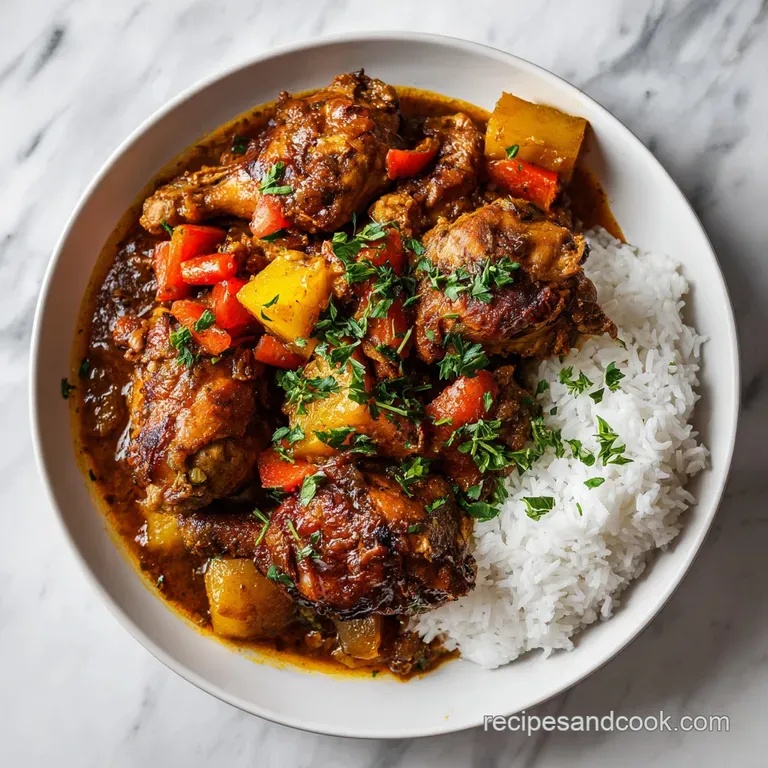
1. The Flavor Infusion Phase
Place your 3 lbs chicken thighs in a large bowl. Add the crushed pimento, salt, pepper, soy sauce, ginger, half the onions, half the garlic, and the chopped scallions. Massage the aromatics into the meat, ensuring every crevice is covered.
Let this sit for at least 30 minutes, though overnight in the fridge is the real secret to deep flavor.
2. The Critical Mahogany Sear
Heat your Dutch oven over medium high heat. Add the 2 tbsp brown sugar directly to the dry pot. Watch for the sizzle and change in color. The sugar will melt, then bubble, then turn a dark, foamy brown. Note: This happens fast, so stay focused.
3. The Browning Technique
As soon as the sugar is foaming and dark (think the color of dark coffee), carefully add the chicken pieces skin side down. The sugar will shatter and stick at first, but don't panic. As the chicken sears, it will release.
Sear for 3-4 minutes per side until the skin is a deep, dark brown.
4. Sautéing the Aromatics
Remove the chicken and set it aside on a plate. In the remaining fat and sugar in the pot, toss in the remaining onions, garlic, and sliced carrots. Cook for 5 minutes until the onions are soft and golden.
Note: The moisture from the onions will help lift the browned bits (fond) from the bottom.
5. Building the Base
Stir in the 0.5 cup tomato puree and cook for 2 minutes. This "fries" the tomato paste, removing the raw metallic taste. Return the chicken and any accumulated juices back to the pot.
6. The Deglaze and build
Pour in the 2 cups chicken bone broth. Use a wooden spoon to scrape the bottom of the pot one last time. Add the 4 sprigs of fresh thyme and the whole scotch bonnet pepper. Note: Ensure the pepper is intact; if it's pierced, the stew will become significantly hotter.
7. The Slow Simmer
Bring the liquid to a gentle boil, then reduce the heat to low. Cover the pot and simmer for 40 minutes. You want a steady, lazy bubble, not a violent boil. This allows the meat to become tender while the skin stays intact.
8. The Final Reduction
Remove the lid and simmer for another 10 minutes. This is when the sauce transforms from a thin liquid into a velvety gravy. Continue until the sauce coats the back of a spoon. Taste and add a pinch of salt if needed.
9. Resting the Stew
Turn off the heat and let the pot sit for 5 minutes. This allows the fibers in the meat to relax and the fats to re emulsify into the sauce, giving it a glossier appearance.
10. The Final Touch
Remove the whole scotch bonnet and the thyme stems. Garnish with a few extra fresh scallions for a pop of color and a sharp bite to balance the richness.
Fixing Common Cooking Errors
Even for experienced cooks, this stew can be a bit temperamental because of the sugar browning process.
Why Your Stew Is Bitter
If the sugar goes too far and turns black and smoky rather than dark brown and foamy, it will impart a burnt, acrid taste to the entire dish.
| Problem | Root Cause | Solution |
|---|---|---|
| Bitter Aftertaste | Sugar was burnt | Add a teaspoon of honey and a splash of lime juice to balance. |
| Tough Chicken | Simmered too fast | Reduce heat and add 15 minutes to the cook time. |
| Thin Gravy | Too much broth | Remove chicken and boil sauce on high for 5 mins to reduce. |
Common Mistakes Checklist
- ✓ Pat the chicken bone in skin on thighs dry with paper towels to ensure a crisp sear.
- ✓ Don't walk away while the sugar is melting; it turns from golden to burnt in seconds.
- ✓ Keep the scotch bonnet pepper whole to capture the floral aroma without the spice.
- ✓ Allow the stew to rest for 10 minutes before serving to let the sauce thicken naturally.
- ✓ Use low sodium broth so you can control the final salt level yourself.
Smart Variations and Swaps
If you're looking to change things up or adapt to what's in your pantry, this Caribbean Chicken Stew is quite flexible.
1. Brown Stew Chicken with Coconut Milk
For a creamier, more tropical version, replace 1 cup of the bone broth with 1 cup of full fat coconut milk. This creates a much richer, pale orange gravy that is absolutely incredible with white rice. It reminds me of the depth found in my Gochujang Chicken with recipe, where heat and creaminess collide.
2. The Low Glycemic Swap
If you are avoiding refined sugar, you can skip the browning step and use 1 tbsp of coconut aminos or dark molasses mixed into the marinade. You won't get the exact same "burnt sugar" depth, but it's a very solid alternative that keeps the flavor profile intact.
3. Veggie Forward Twist
I often add chunks of Yukon Gold potatoes or chayote squash during the final 20 minutes of simmering. They soak up the gravy like sponges. If you add potatoes, you might need an extra half cup of broth as the starch will naturally thicken the sauce even more.
Freshness and Storage Guide
This is one of those rare dishes that actually improves after a night in the fridge. The flavors meld and the spices mellow out into something truly cohesive.
Storage: Store leftovers in an airtight container in the fridge for up to 4 days. When reheating, do it gently on the stovetop over medium low heat. You might need to add a splash of water or broth to loosen the gravy, as the gelatin will cause it to set into a jelly like consistency when cold.
Freezing: This stew freezes beautifully for up to 3 months. I recommend freezing it in individual portions. Thaw overnight in the fridge before reheating.
Zero Waste Tip: Don't throw away the bones! Even after stewing, they can be tossed into a freezer bag with veggie scraps to make a quick "emergency" stock later. Also, the leftover gravy is liquid gold pour it over roasted potatoes or use it as a base for a spicy chicken noodle soup the next day.
Perfect Side Dish Pairings
To do this Caribbean Chicken Stew justice, you need sides that can handle the heavy lifting of that rich gravy.
- Rice and Peas: The classic choice. The coconut infused rice and kidney beans are the perfect foil for the savory chicken.
- Fried Plantains: The sweetness of a ripe, caramelized plantain balances the salt and spice of the stew perfectly.
- Steamed Cabbage: A simple side of cabbage sautéed with carrots and peppers provides a crunch that contrasts the tender meat.
- Hard Dough Bread: If you're not a rice person, a thick slice of Jamaican "hardo" bread is mandatory for mopping up every last drop of the mahogany sauce.
If you find yourself with extra chicken and want a different flavor profile entirely, you might check out my White Chicken Chili recipe for a creamy, slow cooked alternative that hits a completely different set of comfort food notes.
Common Myths
Myth: Searing the meat "seals in" the juices. The Truth: Searing is actually about the Maillard reaction creating flavor. Moisture is lost during the searing process regardless.
We sear this chicken primarily to get that deep color and to develop the "fond" on the bottom of the pot which flavors the entire stew.
Myth: Scotch bonnets are too hot for the average person. The Truth: Heat lives in the seeds and the inner membranes (the pith). By keeping the pepper whole and not letting it burst, you get the incredible tropical, fruity scent and flavor of the pepper with almost zero capsaicin heat transfer to the sauce.
Myth: You must use specialized "Browning" liquid. The Truth: While bottled browning sauce is common in many kitchens, making your own with brown sugar (as we do here) provides a much more complex, nuanced flavor.
It’s the difference between using a pre made spice mix and grinding your own the homemade version is always more vibrant.
High in Sodium
912 mg mg of sodium per serving (40% of daily value)
The American Heart Association recommends limiting sodium intake to about 2,300mg per day.
Tips to Reduce Sodium in Your Chicken Stew
-
Broth Switch-30%
Ensure your chicken bone broth is completely unsalted or homemade. Many 'low-sodium' broths still contain a significant amount of sodium.
-
Salt Reduction-25%
Reduce the amount of sea salt used in the recipe by half, from 1 tsp to 0.5 tsp, or eliminate it entirely. Taste the dish before adding any additional salt.
-
Soy Sauce Dilution-20%
Use a very low-sodium soy sauce and dilute it with an equal amount of water. Alternatively, consider using a sodium free soy sauce alternative such as coconut aminos.
-
Onion Boost-5%
Increase the amount of onions in the recipe. Onions will add flavor to compensate for the missing sodium and umami.
-
Herb Power
Experiment with other fresh herbs and spices like paprika, allspice, and black pepper to enhance the flavor of the dish naturally.
Recipe FAQs
What can I add to my chicken stew to give it more flavor?
Yes, focus on layering aromatics and acids. Add crushed pimento berries for an earthy depth and use a splash of tomato puree to balance the richness of the caramelized sugar base.
Which is the most famous chicken dish in the world?
No single dish holds that title universally, but popular contenders include Fried Chicken and Curry. Fame is highly regional; while Fried Chicken dominates Western recognition, dishes like Tandoori Chicken or this Caribbean Brown Stew are legendary regionally.
What is the flavor of Jamaican chicken stew?
It is deeply savory, slightly sweet, and aromatic with warm spices. The signature flavor comes from browning the sugar to create a controlled bitterness that cuts through the richness of the chicken and spices like thyme and allspice (pimento).
What is Caribbean brown stew?
It is a slow cooked chicken dish characterized by its dark, rich sauce. The color and depth come from searing the marinated meat in caramelized brown sugar before slow simmering it with vegetables and spices, resulting in fork tender meat.
How do I deepen the color of my Caribbean stew without burning the sugar?
Melt the sugar over medium heat until it foams and turns dark brown, like coffee. You must watch carefully and pull the pot off the heat the moment it reaches that deep, foamy stage before adding the chicken; this technique is key to mastering the Maillard reaction that drives the color.
Can I make this stew if I don't have bone-in chicken?
Yes, you can substitute boneless cuts, but the sauce texture will change. Bone-in chicken releases collagen, which naturally thickens and silken the final gravy. If you use boneless cuts, consider adding a tablespoon of cornstarch slurry at the end for body, similar to how you would thicken a sauce in our Crockpot Meatloaf Recipe.
Why should I keep the scotch bonnet whole during cooking?
Keeping it whole ensures you capture the floral aroma without overwhelming heat. The heat compounds are primarily in the seeds and white pith; piercing the pepper releases those oils too quickly, resulting in an unpleasantly spicy stew.
Caribbean Chicken Stew
Ingredients:
Instructions:
Nutrition Facts:
| Calories | 684 kcal |
|---|---|
| Protein | 41.2 g |
| Fat | 44.8 g |
| Carbs | 13.6 g |
| Fiber | 2.1 g |
| Sugar | 8.4 g |
| Sodium | 912 mg |
