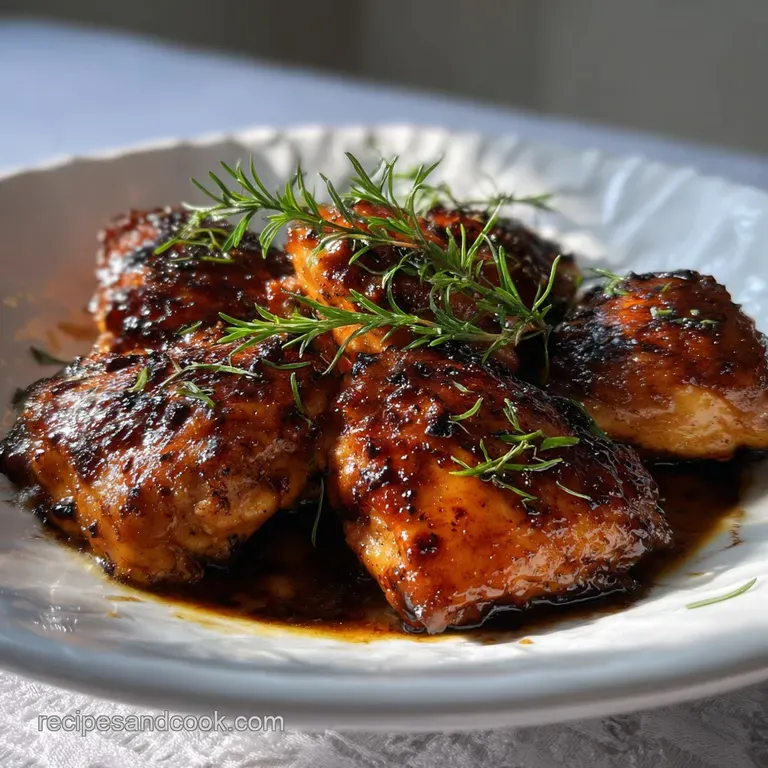
Brown Sugar Chicken: Mahogany Glazed Masterpiece
- Time: Active 10 minutes, Passive 20 minutes, Total 30 minutes
- Flavor/Texture Hook: Shatter crisp edges meet a velvety, caramelized glaze
- Perfect for: Busy weeknights, budget-friendly meal prep, or beginner cooks
- Why My Family Craves This Brown Sugar Chicken
- The Science of Why it Works
- Selecting the Best Pantry Staples for Your Glaze
- Essential Tools for Achieving a Glossy Mahogany Sear
- Step-by-Step Guide to Creating the Ultimate Glaze
- Common Mistakes to Avoid for Succulent Results
- Adjusting the Recipe for Different Group Sizes
- Decoding the Truth About Caramelized Poultry
- Keeping Your Leftovers Fresh and Flavorful
- Timeless Side Dishes to Complete Your Family Meal
- High in Sodium
- Brown Sugar Chicken FAQs
- 📝 Recipe Card
Why My Family Craves This Brown Sugar Chicken
Have you ever walked into a kitchen and been hit with that specific, intoxicating aroma of melting sugar and sizzling spices? That's the smell of a childhood Sunday dinner, but updated for our busy lives. I remember the first time I tried to make a glaze like this.
I ended up with a pan full of burnt charcoal and a very smoky kitchen because I didn't understand how sugar behaves under heat. But after years of trial and error, I found the secret to getting that perfect, sticky coating without the bitter burnt aftertaste.
This isn't just another boring poultry dish. We're talking about a transformation where 1.5 lbs chicken breasts or thighs become succulent, flavor packed bites that rival any takeout.
It's the kind of meal where you'll find yourself scraping the bottom of the pan with a piece of crusty bread just to get every last drop of that sauce. Trust me, once you see how that dark brown sugar bubbles into a thick syrup, you'll never go back to plain salt and pepper again.
What I love most about this version is how it respects your wallet. We aren't using fancy, expensive oils or hard to find garnishes. We are leaning into the power of 0.5 cup dark brown sugar and a few dry spices to do the heavy lifting.
It's proof that you don't need a massive budget to create a meal that feels like a celebration. Let's get into the details of why this actually works so well in your kitchen.
The Science of Why it Works
Caramelization: When the brown sugar hits the hot pan, the sucrose molecules break down into new compounds, creating a complex, nutty flavor profile and a deep amber color.
Maillard Reaction: The combination of heat, the proteins in the chicken, and the reducing sugars produces a savory crust that adds depth beyond just sweetness.
Hygroscopy: Sugar is naturally moisture seeking, which means it helps draw out just enough surface moisture to create a concentrated syrup while keeping the interior of the chicken plump and juicy.
| Method | Time | Texture | Best For |
|---|---|---|---|
| Cast Iron Skillet | 20 minutes | Super crispy edges, thick glaze | Getting that restaurant quality sear |
| Standard Oven | 35 minutes | Tender and juicy, thinner sauce | Hands off cooking for large batches |
| Air Fryer | 18 minutes | Very consistent crispiness | Quick cleanup and smaller portions |
Choosing the right method depends on your mood, but for this specific recipe, I always lean toward the skillet. There is something about the direct contact with the heat that makes the 0.5 cup dark brown sugar behave beautifully. It creates a velvety texture that you just can't replicate in a drafty oven. If you're looking for a side that shares this flavor profile, my Brown Sugar Carrots recipe uses a similar caramelization technique that rounds out the meal perfectly.
Selecting the Best Pantry Staples for Your Glaze
When we talk about building flavor on a budget, it’s all about understanding what each component brings to the table. You don't need top shelf ingredients, but you do need to know how they interact. For instance, using 2 tbsp unsalted butter alongside the oil isn't just for flavor.
The butter contains milk solids that brown and add a toasted note, while the 2 tbsp neutral oil prevents the butter from burning too quickly.
| Component | Science Role | Pro Secret |
|---|---|---|
| Dark Brown Sugar | Provides molasses for depth and moisture | Pack it tight in the cup for accurate sweetness |
| Smoked Paprika | Adds phenols for a "charred" aroma | Bloom it in the oil for 30 seconds to wake up the oils |
| Apple Cider Vinegar | Acid denatures proteins and balances pH | A tiny splash cuts through the heavy sugar coating |
I've learned the hard way that "neutral oil" really matters here. Don't try to use a fancy extra virgin olive oil for the over high heat sear. It has a low smoke point and will turn acrid before your chicken is even halfway done. Stick to canola, vegetable, or grapeseed oil.
These allow the 1 tsp smoked paprika and 1 tsp garlic powder to shine without competing with the flavor of the oil itself.
Essential Tools for Achieving a Glossy Mahogany Sear
You don't need a kitchen full of gadgets, but a few specific items make this Brown Sugar Chicken much easier to manage. A heavy bottomed skillet is your best friend here. If you have a cast iron pan, now is the time to pull it out.
It holds heat like a champ, which is crucial when you're adding cold meat to a hot surface. If the pan temperature drops too much, your chicken will steam instead of searing, and you'll miss out on that beautiful crust.
A good meat thermometer is another lifesaver. Since we're working with 1.5 lbs chicken breasts or thighs, the thickness can vary. You want to pull the chicken when it hits 160°F, as carryover cooking will bring it to the safe 165°F while it rests.
This prevents the dreaded "rubbery chicken" syndrome. Also, keep a wide stainless steel spatula handy. You want something thin enough to slide under the caramelized sugar without tearing the skin or crust off the meat.
Chef Tip: If your brown sugar has turned into a literal brick in the pantry, don't toss it! Pop it in a bowl with a damp paper towel and microwave it for 20 seconds. It'll soften right up, saving you a trip to the store and keeping this meal budget friendly.
step-by-step Guide to Creating the Ultimate Glaze
Ready to get cooking? This process is fast, so have all your spices measured out before you turn on the stove. This is a technique heavy recipe that rewards patience during the searing phase.
- Prep the meat. Pat the 1.5 lbs chicken breasts or thighs with paper towels until they are bone dry. Note: Moisture is the enemy of a good sear; any water will create steam.
- Mix the rub. Combine the 1 tsp smoked paprika, 1 tsp garlic powder, 0.5 tsp onion powder, 1 tsp kosher salt, and 0.5 tsp cracked black pepper in a small bowl.
- Season heavily. Dredge the chicken in the spice mixture, pressing firmly so the spices adhere to the surface.
- Heat the pan. Add 2 tbsp neutral oil to your skillet over medium high heat until the oil shimmers and barely wisps with smoke.
- Initial sear. Place the chicken in the pan. Cook for 5-6 minutes per side until a deep golden crust forms.
- Butter and sugar. Reduce heat to medium. Add 2 tbsp unsalted butter and 0.5 cup dark brown sugar to the empty spaces in the pan.
- Deglaze. Pour in 1 tbsp soy sauce and 1 tsp apple cider vinegar, stirring into the melting sugar.
- Baste. Use a spoon to continuously pour the bubbling liquid over the chicken until the sauce thickens into a velvety glaze.
- Verify. Check that the internal temperature has reached 160°F until the juices run clear when pierced.
- Rest. Move the chicken to a plate and let it sit for 5 minutes. Note: This allows the fibers to reabsorb juices so the meat stays tender.
While you're waiting for that chicken to rest, you might notice the pan sauce continues to thicken. If it gets too tacky, just add a teaspoon of water to loosen it back up. This technique of basting with a sugar based sauce is actually very similar to what you'll find in my Shoyu Chicken recipe, where the balance of salty soy and sweet sugar creates a classic Hawaiian profile.
Common Mistakes to Avoid for Succulent Results
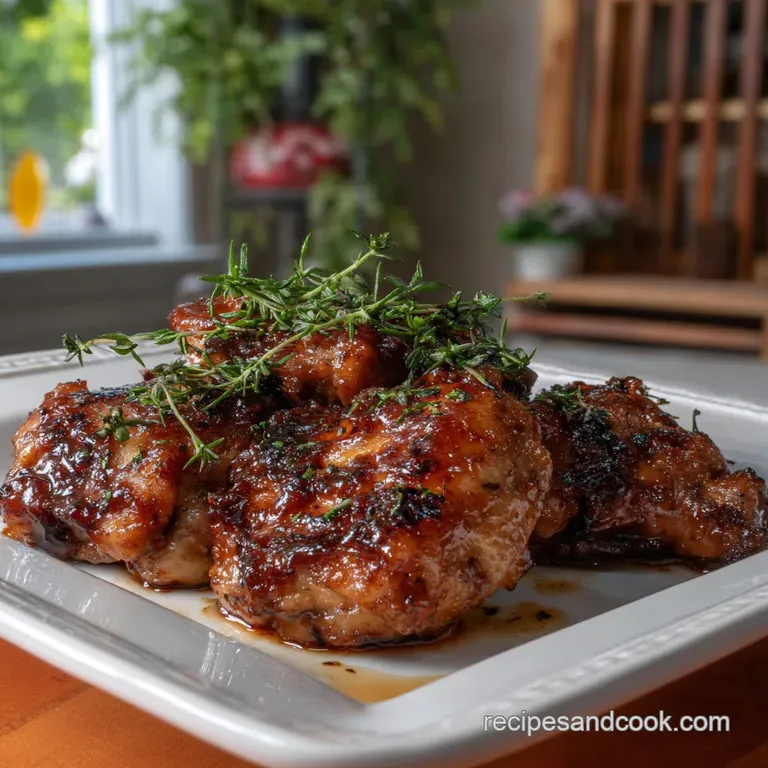
The biggest pitfall people run into with sugar chicken is the temperature. If your pan is screaming hot, the sugar will burn before the chicken is cooked through. If it's too cool, the sugar just melts into a watery mess. It's a bit like Goldilocks you need it just right.
If you see the edges of the glaze turning black and smelling like a campfire, pull the pan off the heat immediately and add a splash of water or more vinegar to cool things down.
Why Your Sauce is Runny
If your glaze looks more like a soup than a syrup, it's likely because the chicken released too much water. This happens if you overcrowd the pan or use "plumped" chicken that has been injected with saline.
To fix this, remove the chicken once it's cooked and turn the heat up to high for 2-3 minutes, whisking constantly. The excess water will evaporate, leaving behind the concentrated sugars and fats.
| Problem | Root Cause | Solution |
|---|---|---|
| Bitter aftertaste | Sugar burned at too high heat | Wipe pan and start sauce over at lower temp |
| Tough, dry meat | Overcooked or skipped the rest period | Use a thermometer and rest for 5 mins |
| Spices clumping | Added rub to wet chicken | Pat chicken dry before applying spices |
- ✓ Always pat the chicken completely dry with paper towels before seasoning.
- ✓ Let the chicken sit at room temperature for 10 minutes before cooking to ensure even heating.
- ✓ Use a heavy bottomed skillet to prevent hot spots that burn the sugar.
- ✓ Don't move the chicken for at least 4 minutes after putting it in the pan to let the crust set.
- ✓ Add the sugar only after the chicken is mostly cooked to avoid prolonged over high heat exposure.
Adjusting the Recipe for Different Group Sizes
Cooking for one or hosting a neighborhood potluck? Scaling this recipe is fairly straightforward, but there are a few chemical rules to keep in mind. Sugar behaves differently in large volumes because it retains heat longer.
If you are cutting the recipe in half, use a smaller skillet. A large pan with only a small amount of glaze will cause the liquid to evaporate too quickly, leading to a burnt mess.
For a half batch, you can use one whole egg's worth of liquid (about 3 tbsp) if you were making a breaded version, but for this dry rub style, just halve the spices exactly.
When doubling the recipe to 3 lbs of chicken, do not double the salt or the vinegar immediately. Start with 1.5x the amount and taste the sauce at the end. For some reason, acidity and saltiness can become overwhelming when doubled. You should also work in batches.
Overcrowding 3 lbs of meat into one skillet will lower the temperature so much that you'll end up boiling the chicken in its own juices rather than searing it.
| Premium Ingredient | Budget Alternative | Flavor Impact | Savings |
|---|---|---|---|
| Pure Maple Syrup | Dark Brown Sugar | More molasses depth, less woodsy | Save $5.00 |
| Fresh Garlic | Garlic Powder | More pungent, but burns easier | Save $1.50 |
| Rice Vinegar | Apple Cider Vinegar | Slightly fruitier, very similar | Save $2.00 |
Actually, I often prefer the budget friendly 0.5 cup dark brown sugar over more expensive sweeteners. The molasses content in the dark brown sugar gives the chicken a rich, "cooked all-day" flavor that you just don't get with honey or white sugar. It’s a smart swap that actually improves the final result.
Decoding the Truth About Caramelized Poultry
There’s a lot of "kitchen wisdom" floating around that can actually ruin your dinner. Let's clear some of that up so you can cook with confidence.
One big myth is that you need to marinate the chicken for hours to get flavor. With this Brown Sugar Chicken, the flavor is all on the surface. Because sugar and salt are water soluble, they penetrate the very top layer of the meat quickly.
A long marinade in sugar can actually break down the texture of the chicken too much, making it mushy. The dry rub and pan glaze method we use here provides much more impact with zero wait time.
Another thing I hear all the time is that you can't get a good sear on a non stick pan. While cast iron is better, you absolutely can use non stick. You just have to be careful not to use high heat, which can damage the coating. The sugar will actually help the browning process even at a medium temperature.
Just don't expect the same level of "fond" (those little brown bits) that you'd get in a stainless steel or iron skillet.
Keeping Your Leftovers Fresh and Flavorful
If you’re lucky enough to have leftovers, you’ve got a head start on a great lunch. This chicken holds up surprisingly well because the sugar acts as a light preservative and moisture barrier.
- Fridge: Store in an airtight container for up to 4 days. The sauce will thicken and turn into a jelly like consistency when cold; this is normal!
- Freezer: You can freeze this for up to 3 months. I recommend freezing it with the extra sauce to prevent freezer burn. Thaw it overnight in the fridge before reheating.
- Reheating: Avoid the microwave if possible, as it can make the chicken rubbery. Instead, put it in a small skillet with a tablespoon of water or chicken broth. Cover and heat over medium low until the sauce melts and the chicken is warmed through.
For a zero waste approach, don't toss the bones if you used thighs. Throw them into a pot with some veggie scraps to make a slightly sweet, smoky stock. And if you have extra glaze left in the pan? Toss some steamed broccoli or green beans right into the warm skillet.
They will pick up all those smoky, sweet notes and make a built in side dish with no extra effort.
Timeless Side Dishes to Complete Your Family Meal
To balance the richness of the 0.5 cup dark brown sugar, you really want something with a bit of "bite" or a neutral base to soak up the sauce. A simple bed of jasmine rice is the classic choice. The grains are floral and light, providing the perfect canvas for the heavy glaze. If you want to keep things in the family of easy weeknight meals, you might consider something like my Honey Mustard Chicken recipe for your next meal prep session, as it shares that sweet and tangy DNA.
If you're looking to add some greens, try a quick slaw with a vinegar based dressing. The sharpness of the vinegar cuts right through the sugar, refreshing your palate between bites. Roasted Brussels sprouts with a bit of salt and lemon juice also work wonders.
The bitterness of the charred sprouts is a fantastic foil to the sweet mahogany crust on the chicken.
Whatever you choose, remember that this recipe is about comfort. It’s about taking simple things chicken, sugar, and a few spices and making something that feels special. So, gather everyone around the table, pass the extra sauce, and enjoy the sizzle. You've earned it!

High in Sodium
806 mg mg of sodium per serving (35% of daily value)
The American Heart Association recommends limiting sodium intake to no more than 2,300mg per day for most adults.
Tips to Reduce Sodium in this Dish
-
Reduce Added Salt-25%
The recipe calls for 1 tsp of kosher salt. Start by reducing this to 1/2 tsp or even 1/4 tsp and taste, then only add more if needed. This can significantly reduce sodium by up to 25%.
-
Lower Sodium Soy Sauce-20%
Replace the regular soy sauce with a low-sodium soy sauce. This will provide a similar flavor profile with significantly less sodium, reducing it by up to 20%.
-
Omit Salted Butter-5%
The recipe calls for unsalted butter, but it is important to ensure this is used. Salted butter will significantly raise sodium content. Using unsalted butter will help to keep the sodium at a manageable level, with a potential 5% reduction.
-
Spice it Up!
Experiment with other herbs and spices like oregano, thyme, or red pepper flakes to enhance the flavor without adding sodium. This will allow you to use even less salt.
Brown Sugar Chicken FAQs
Does brown sugar taste good on chicken?
Yes, absolutely. Brown sugar creates a rich, caramelized glaze that balances sweetness with a slightly smoky depth, enhancing the chicken's natural flavor beautifully.
What are the three main ingredients in brown sugar chicken?
Chicken, brown sugar, and savory spices. Typically, you'll use chicken pieces (like thighs or breasts), dark brown sugar for its molasses content and caramelization properties, and a blend of spices like paprika, garlic powder, and salt for savory depth.
Why is it called "Marry Me Chicken"?
It's a playful nickname suggesting the dish is so delicious, it will make you want to propose. While this specific brown sugar chicken recipe might not be "Marry Me Chicken," that name is often given to creamy, rich chicken dishes that are exceptionally satisfying and crave worthy.
What goes with brown sugar chicken?
Simple starches and fresh greens. Fluffy jasmine rice is a classic pairing to soak up the glaze. Roasted vegetables like Brussels sprouts or a crisp, vinegar based slaw also provide a nice contrast. For a comforting, hands off meal, consider a side like Crock Pot Hoppin John with Ham and Rice: Smoky & Tender.
Can I use a different type of sugar?
Dark brown sugar is preferred for its molasses flavor. While you can use light brown sugar, it has less molasses and a milder taste. White granulated sugar will caramelize but won't provide the same depth of flavor and moisture that brown sugar does, leading to a less complex glaze.
How do I prevent the brown sugar from burning?
Control your heat and don't overcook the glaze. Sear the chicken first, then reduce the heat when adding the sugar. Stir and baste the chicken continuously, and remove the pan from the heat once the glaze thickens to avoid scorching. If you master temperature precision in this recipe, apply it to our Winter Dinner Recipe with Roasted Chicken for perfectly cooked poultry every time.
What is the best way to serve leftover brown sugar chicken?
Reheat gently on the stovetop with a splash of liquid. Avoid the microwave if possible, as it can make the chicken rubbery. A skillet with a tablespoon of water or broth over medium low heat until the glaze melts is ideal, much like how you'd revive a sauce in our Delicious Sticky Chicken Rice Bowls Recipe - Restaurant Quality.
Brown Sugar Chicken
Ingredients:
Instructions:
Nutrition Facts:
| Calories | 421 kcal |
|---|---|
| Protein | 38.3 g |
| Fat | 16.9 g |
| Carbs | 26.8 g |
| Fiber | 0.8 g |
| Sugar | 24.5 g |
| Sodium | 806 mg |
